The Ultimate Guide to Finding a Perfect Substitute for Dry Mustard
Have you ever been halfway through a recipe only to find a key ingredient is missing? It happens to all of us. You are ready to whip up a tangy vinaigrette or a flavorful meat rub. You reach into your spice cabinet, and the small tin of dry mustard is empty. Before you dash to the store, I want to share a little secret. Your pantry is likely full of amazing options that can work just as well.
Dry mustard, also known as mustard powder, brings a sharp, pungent heat to dishes. It deepens savory notes and brightens heavy meals like macaroni and cheese. Finding a good substitute for dry mustard is easier than you think. It is all about knowing what to use and how to use it. Get ready to save your dish and maybe even find a new favorite flavor combination.
What is Dry Mustard?
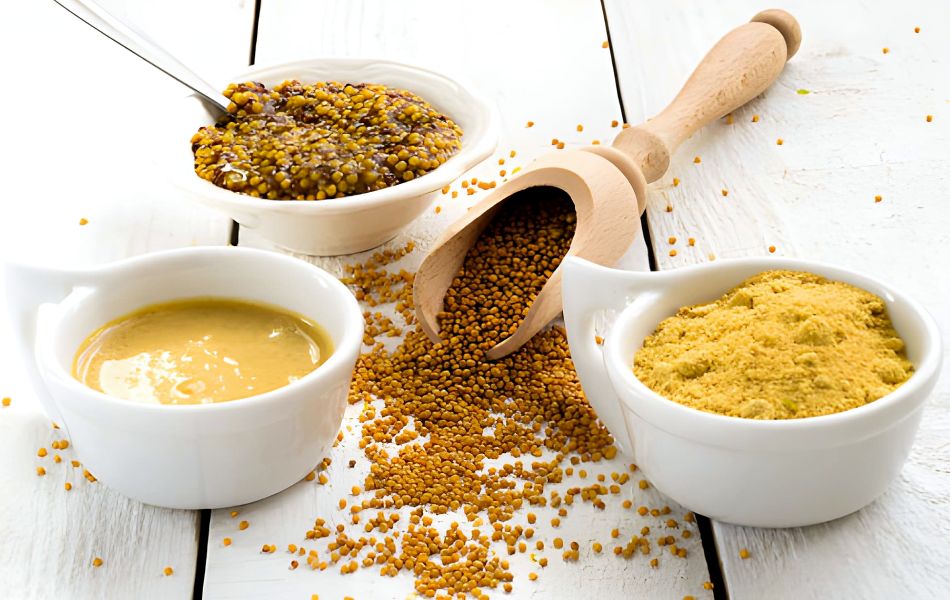
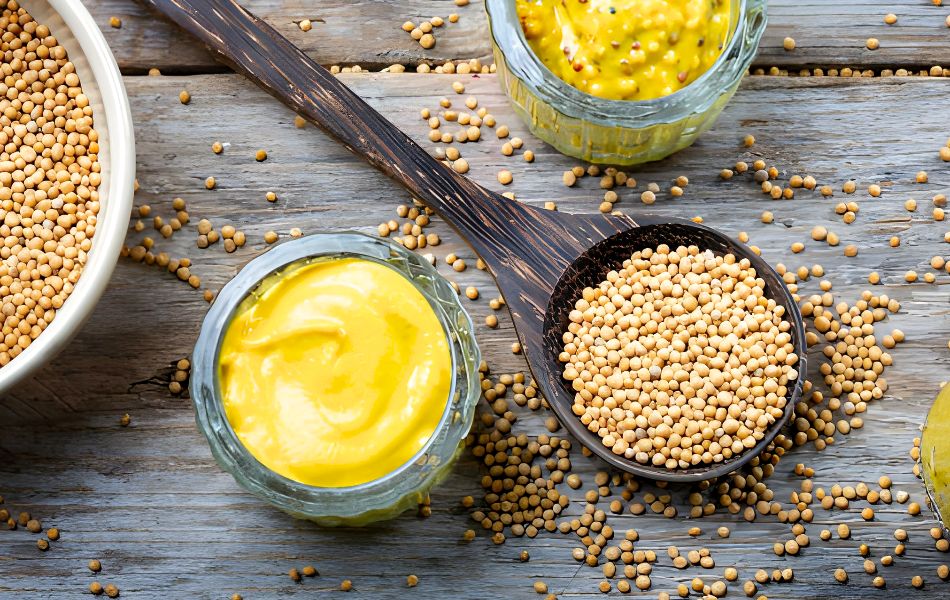
Dry mustard, also known as mustard powder, is made from ground mustard seeds. When mixed with water, it creates a tangy, sharp paste that adds heat without being overpowering. This spice brings a unique blend of heat and flavor to dishes, making it a versatile ingredient for everything from dressings to meat rubs. But when you don’t have dry mustard on hand, don’t fret, there are plenty of flavorful substitutes to choose from!
The Best Substitutes for Dry Mustard
Prepared Mustards: Your First Go-To
The most straightforward substitute for dry mustard is prepared mustard from a jar or bottle. Since these mustards already contain liquid like vinegar or water, you just need to make a small adjustment. This is my favorite quick fix for dressings, marinades, and sauces.
1. Yellow Mustard
Classic yellow mustard is a wonderful swap. It is mild, tangy, and gets its vibrant color from turmeric. Because it is less spicy than dry mustard, you can be a little more generous with it.
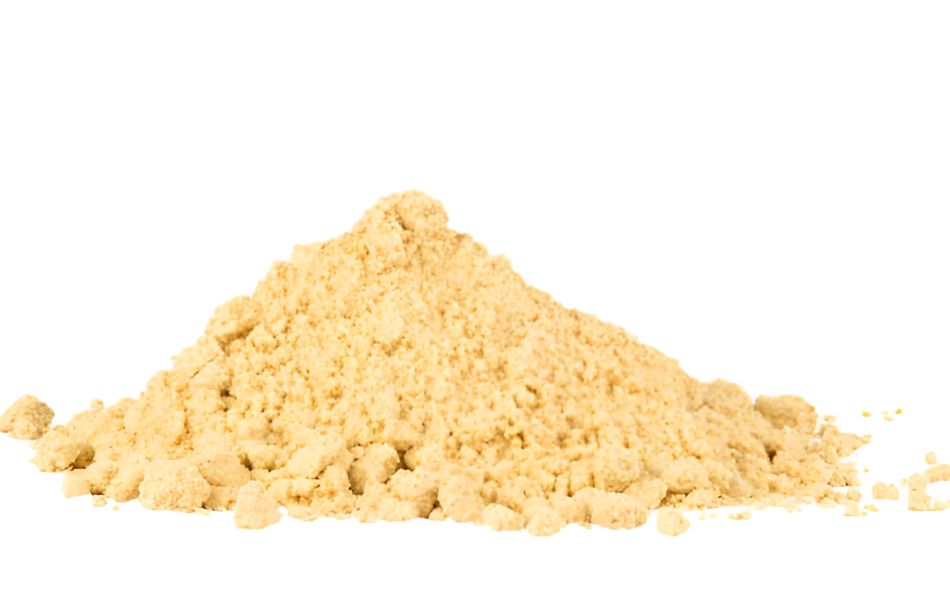
For every teaspoon of dry mustard your recipe calls for, use one tablespoon of yellow mustard. Since you are adding more liquid, consider reducing another liquid in your recipe by about a tablespoon. This keeps the consistency of your final dish just right. I love using yellow mustard in macaroni and cheese for a gentle tang.
2. Dijon Mustard
Dijon mustard offers a more complex and sharp flavor than yellow mustard. It is made with brown or black mustard seeds and white wine. This gives it a sophisticated, pungent kick that works beautifully in many dishes.
When swapping Dijon for dry mustard, use a 1-to-1 ratio. One teaspoon of dry mustard is equal to one teaspoon of Dijon. Its flavor is closer in strength to mustard powder, so you do not need to use extra. Dijon works beautifully in salad dressings and sauces for pork or chicken.
3. Whole Grain Mustard
Whole grain mustard is my personal favorite for texture. It contains visible mustard seeds, giving it a rustic, coarse feel. The flavor is often robust and a bit less intense than Dijon.
You can use whole grain mustard in a 1-to-1 ratio, just like Dijon. This substitute is perfect for meat rubs, potato salads, and sandwiches. The little seeds add a pleasant pop of texture. Just be mindful that the seeds will be visible in your final dish.
From the Spice Rack: Other Dry Options
Sometimes, you need to keep your recipe completely dry. This is common for spice rubs or seasoned flour coatings. In these cases, a prepared wet mustard will not work. Do not worry. Your spice rack has answers.
4. Mustard Seeds
When in doubt, go straight to the source! Mustard seeds are the base ingredient for dry mustard and work wonders when freshly ground. The ground seeds will deliver the same fiery flavor you love from dry mustard.
Use the same amount of ground mustard seed as you would dry mustard. One teaspoon of dry mustard equals one teaspoon of freshly ground mustard seed. Your homemade powder will be incredibly fresh and potent.
5. Turmeric Powder
Turmeric is what gives yellow mustard its signature color. While it does not have the same sharp bite as mustard, it offers a warm, earthy flavor. If your recipe uses dry mustard mainly for color, turmeric is an excellent substitute.
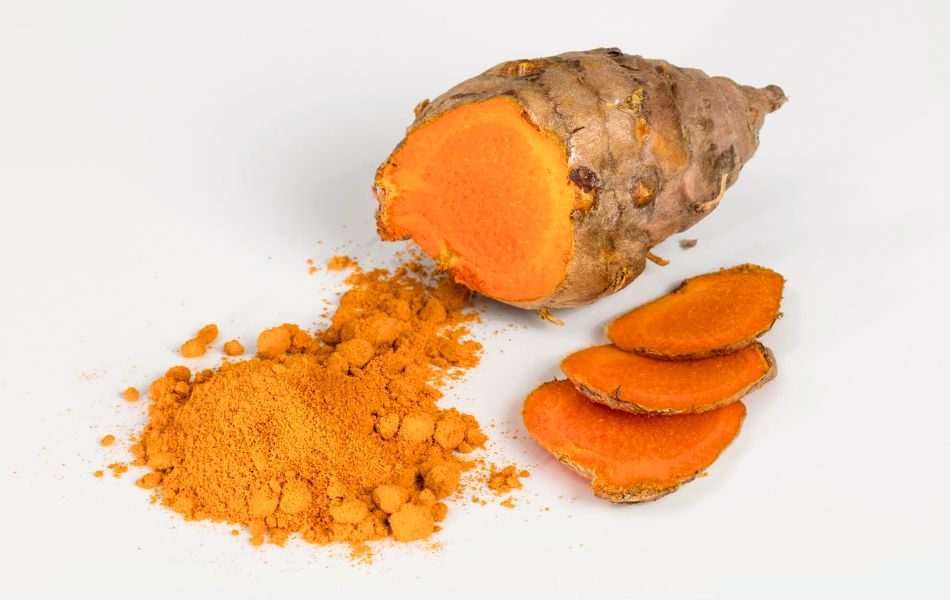
For every teaspoon of dry mustard, use one teaspoon of turmeric. To add some of the missing heat, you can add a small pinch of cayenne pepper. This combination works well in dishes where color is important, like some cheese sauces.
6. Horseradish Powder
If you love the heat of dry mustard, horseradish powder is a bold and effective swap. Both get their sharp flavor from the same chemical compound. Horseradish delivers a strong, sinus-clearing heat.
Use horseradish powder sparingly at first. Start with half a teaspoon of horseradish powder for every teaspoon of dry mustard. You can always add more if you need it. This is a great substitute in cocktail sauce, deviled eggs, or spicy marinades for beef.
7. Wasabi Powder
For a bold punch, wasabi powder is your go-to. It delivers an intense heat similar to dry mustard but with a unique, sinus-clearing sharpness that adds a new twist to your recipes.
Like horseradish powder, wasabi is potent. Start with half a teaspoon of wasabi powder for every teaspoon of dry mustard. Taste your dish and adjust as needed. Wasabi powder is a fun substitute in salad dressings or sauces for fish.
Adjusting Flavors for Different Dishes
Each mustard substitute brings its own unique qualities to your dish. Here’s how to adjust based on what you’re making:
- Spicy Dishes: For that sharp heat, prepared mustard, horseradish powder, or mustard seeds are the best substitutes.
- Flavorful Sauces & Dressings: If you’re making a tangy dressing or sauce, Dijon mustard or prepared mustard will be your best friend. For a milder tang, go with ground mustard seeds or horseradish powder.
- Baking and Roasting: When dry mustard adds subtle heat in baking (think savory breads or meatloaf), ground turmeric or freshly ground mustard seeds are great replacements. They’ll bring flavor depth with a gentler finish.
Tips from My Kitchen
I remember one time I was making my grandmother’s famous potato salad for a family picnic. I had everything ready when I reached for the dry mustard and found the tin was bone-dry. Panic set in. I scanned my fridge and saw a jar of Dijon mustard.
I decided to take a chance. I used the same amount of Dijon as the dry mustard called for and whisked it into the mayonnaise. I held my breath and took a small taste. It was different, but it was delicious. The Dijon added a creamy sharpness that was even more complex than the original. It was a good reminder that cooking is all about adapting.
Few tips to help you succeed:
- Taste as you go. You can always add more of your substitute, but you cannot take it away. Start with the recommended amount and adjust.
- Adjust for liquids. If you use a wet substitute like prepared mustard, reduce another liquid in your recipe slightly to maintain the right consistency.
- Do not use honey mustard. The high sugar content will completely change your recipe from savory to sweet.
Serving Ideas for Mustard Substitutes
Once you’ve found your perfect mustard replacement, it’s time to get creative. Here are some delicious ideas where you can use your new mustard substitute:
- Salad Dressings: A mustard-based vinaigrette can be tangy and lively, whether you use Dijon or horseradish powder.
- BBQ Sauces: Mustard plays a key role in many BBQ sauces, bringing heat and balance. Try using prepared mustard and a bit of turmeric for a slightly different flavor twist.
- Sandwiches & Burgers: Mustard is a classic condiment for sandwiches and burgers. Try horseradish powder for a spicy kick or yellow mustard for a milder flavor.
- Roasted Vegetables: Mustard adds zing to roasted veggies, whether you’re using ground mustard seeds or turmeric. Try it with Brussels sprouts or roasted potatoes for an extra layer of flavor.
See Also – Mustard Seed Substitutes: Best Alternatives for Your Recipes
Final Thoughts on Flavor
Running out of an ingredient does not have to be a disaster. It can be an opportunity to get creative. The next time you need a substitute for dry mustard, you will know exactly what to do. Whether you grab a jar of prepared mustard or a different spice, you can save your recipe with confidence.
Think about the role of the mustard in your dish. Is it for heat, color, or tangy flavor? This will help you choose the best swap. Do not be afraid to experiment a little. You might just create a new family favorite.