Best Substitute for Japanese Mayo: Creamy Hacks for Home Cooks
Have you ever stood in your kitchen, ready to make a dish, only to realize you’re out of Japanese mayo? I have been there. It feels like a small kitchen tragedy. That distinct, creamy tang adds a magic touch regular mayo lacks. But do not worry. You have plenty of options hiding right in your pantry. We are going to find the perfect substitute for Japanese mayo together.
This guide will help you recreate that savory richness. We will look at simple hacks and clever mixes. You will save your dinner and maybe find a new favorite sauce.
Why Japanese Mayo Is So Special
Let’s talk about why we love this condiment so much. Japanese mayonnaise differs from the standard American version. A direct comparison makes the contrast obvious. American mayo uses whole eggs and white vinegar, giving it a mild and thick profile.
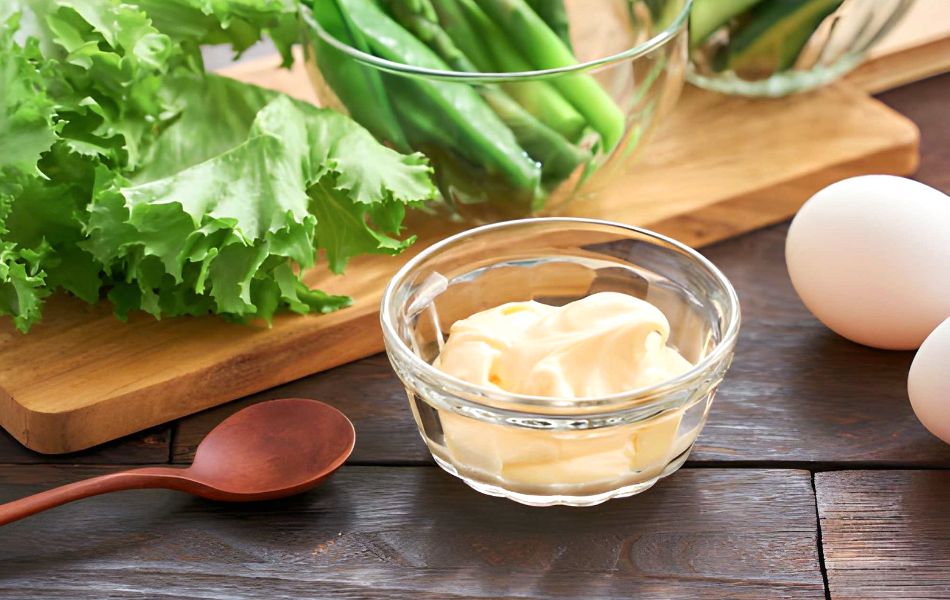
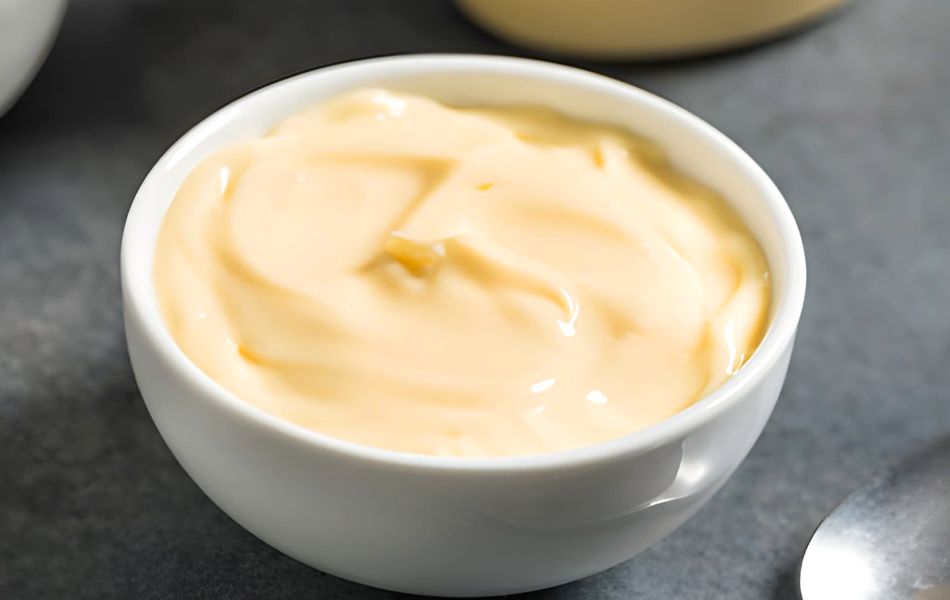
Japanese mayo uses only egg yolks. This creates a deeper yellow color and a rich, custard-like texture. It also features rice vinegar or apple cider vinegar. This choice adds a sweeter, softer acidity. The real secret, though, is the umami. Many brands include MSG, a savory booster that makes everything taste more intense. When you seek a substitute, you need to match this blend of rich yolk, sweet tang, and savory depth.
Top Substitutes for Japanese Mayo
You do not need fancy equipment to create a great alternative. Most of these solutions use ingredients you likely already own. I have tested many of these during late-night cooking sessions. Here are the winners.
1. Regular Mayo with Rice Vinegar and a Pinch of Sugar
The easiest way to mimic Japanese mayo is by doctoring up regular mayonnaise. Most of us have mayo on hand, and with just a few tweaks, you’re pretty close to the real thing.
How to make it:
- 1 cup regular mayo
- 2 teaspoons rice vinegar (or apple cider vinegar)
- 1 teaspoon sugar
- Optional: A pinch of MSG or dashi powder (for that umami kick)
Mix everything together, and taste as you go. The vinegar adds the tang, while the sugar balances out the acidity. A little MSG or dashi powder will deepen the flavor and bring that savory umami you love.
2. Greek Yogurt with Lemon and Mustard
For a lighter, tangy option, Greek yogurt makes a great base. It has a thick, creamy texture and a natural tang that mimics the acidity of Japanese mayo.
How to make it:
- 2 tablespoons full-fat Greek yogurt
- 1 teaspoon lemon juice
- 1/2 teaspoon Dijon mustard
This substitute is perfect for a healthier take, especially in salads or as a dip. The mustard adds a little bite, while the lemon keeps things bright.
3. Sriracha Mayo with Rice Vinegar
If you like a little spice in your food, sriracha mayo is an excellent choice. It’s easy to make, and it adds a creamy, tangy, and spicy flavor that works well with sushi rolls, fried chicken, or even as a burger topping.
How to make it:
- 1 tablespoon sriracha (or your favorite hot sauce)
- 2 teaspoons rice vinegar
- 1 teaspoon sugar
This quick swap brings that familiar tanginess with a kick of heat. It’s perfect for anyone who loves a little spice in their dishes.
4. Vegan Mayo with Seaweed and Soy Sauce
For a plant-based option, vegan mayo works wonders as a base. Add a bit of seaweed and soy sauce, and you’ll get a rich, umami-packed mayo substitute.
How to make it:
- 1 cup vegan mayo
- 1 tablespoon dried seaweed flakes (nori works great)
- 1/2 teaspoon soy sauce
- 1 teaspoon lemon juice
This alternative brings the depth of flavor you’d get from traditional Japanese mayo, minus the eggs. It’s perfect for those following a vegan diet or anyone looking for a plant-based alternative.
5. Make It From Scratch
When I feel ambitious, I whip up a batch from scratch. It tastes fresher and lets you control everything. Plus, there are no preservatives. It sounds intimidating, but it only takes about five minutes.
The Fix:
You need two egg yolks. Whisk the yolks with half a teaspoon of salt and a pinch of sugar. Slowly drizzle in one cup of neutral oil, like canola or vegetable oil. Whisk constantly. The mixture will thicken and turn pale yellow. Once it holds its shape, stir in two tablespoons of rice vinegar. If you have dashi powder, add a pinch. This mimics the umami kick perfectly.
6. A Lighter, Tangy Alternative
For a lighter option, Greek yogurt does wonders. Its creamy, thick texture makes it a great base. This works best in cold dishes like potato salad or coleslaw.
The Fix:
Use plain, full-fat Greek yogurt. Mix two tablespoons of yogurt with one teaspoon of lemon juice and half a teaspoon of mustard. This gives you a nice balance of tang and creaminess. The yogurt brings a slight tartness that works well in sushi rolls or salad dressings.
Tips for Perfect Substitutions
Getting the flavor right requires tasting and adjusting. Your palate knows what it wants. Here are some tricks to refine your homemade mayo swaps.
1. Watch the Acid
American vinegar can taste harsh. Rice vinegar is mellow. If you only have white vinegar, dilute it with a little water or add extra sugar. Apple cider vinegar is a decent backup if rice vinegar is missing.
2. The Yolk Factor
Store-bought American mayo lacks yolk richness. You can whisk a fresh, pasteurized egg yolk into it. This instantly improves the texture and color.
3. Umami Boosters
A tiny shake of MSG transforms bland mayo into a savory powerhouse. If you prefer natural sources, try powdered mushroom or a drop of soy sauce.
3. Sweetness Balance
Japanese mayonnaise tastes sweeter than its Western cousins. Do not skip the sugar. Honey or agave syrup mixes in easily if you are whisking by hand.
How to Use Your Mayo Substitute
Now you have your Japanese mayonnaise alternative ready. What should you make? These dishes highlight creamy, savory sauces best.
1. Spicy Tuna Rolls
Mix your homemade substitute with sriracha or another chili paste. Toss it with diced fresh tuna. The creamy sauce binds the fish without overpowering its flavor. Wrap it in crisp nori with warm rice.
2. Creamy Potato Salad
Boil potatoes until tender. Mash them slightly but leave some chunks. Add sliced cucumbers and carrots. Dress everything generously with your modified mayo. The sweetness pairs perfectly with the starchy potatoes.
3. Chicken Nanban
Fried chicken soaked in a sweet vinegar sauce needs a great tartar sauce. Use your rich, yolk-based mixture as the base. Add chopped boiled eggs and onions. The richness cuts through the acidity of the chicken glaze.
4. Sushi Rolls & Sashimi
Drizzle over sushi or use as a dipping sauce for sashimi. It’s the perfect creamy complement to fresh fish.
5. Ramen and Udon Noodles
Stir in a spoonful of your mayo substitute for a rich, creamy layer in your noodle soup.
6. Burgers and Sandwiches
Spread on your buns for an extra burst of flavor on burgers or sandwiches.
See Also – The Ultimate Guide to Finding a Perfect Substitute for Dry Mustard
Cooking is about adaptation. Running out of one ingredient pushes you to be creative. You might find you prefer your custom blend over the original. The next time a recipe calls for that red-capped squeeze bottle, you have the tools to make something delicious.
Try one of these swaps tonight. Taste the difference fresh ingredients make. I would love to hear how your dish turned out. Share your kitchen wins with me.