
Mouthwatering Substitutes for Coriander That Will Elevate Your Dishes
Coriander is one of those ingredients that seems to make everything taste better. Whether you’re adding it to curries, salsas, or salads, its unique combination of earthy, citrusy notes lifts the flavors of the dish. But what happens when you reach for your coriander jar, only to find it’s empty? Or maybe you’re just not a fan of its distinctive flavor? Don’t worry! There are plenty of substitutes that can step in and still give your meal that exciting, fresh punch.
In this guide, I’ll show you some of the best coriander alternatives. From herbs to spices, these swaps will add bold, fresh flavors to your cooking, so you’ll never have to miss a beat in the kitchen.
Why You Might Need a Coriander Substitute
It’s happened to the best of us, you’re halfway through cooking, the aroma is perfect, and then, bam, you realize you’re out of coriander. Or perhaps you just don’t love its flavor. Whether you’re missing coriander seeds for a curry or fresh cilantro for a salsa, having a few go-to alternatives will save the day. And sometimes, those substitutes can even take your dish in a new, exciting direction.
Top Substitutes for Fresh Coriander Leaves
When it comes to fresh coriander, the goal is to mimic its bright, citrusy punch. While no herb perfectly replicates its flavor, these substitutes can bring their own unique twist:
1. Parsley: Fresh and Grassy
Parsley is your best bet for replacing fresh coriander. Though it doesn’t carry the same citrus notes, it offers a fresh, grassy flavor. It’s ideal in salads, dressings, or as a garnish. Add a little lemon juice or zest to bring out a more vibrant, coriander-like flavor.
Tip: For extra zing, try a handful of flat-leaf parsley with a splash of lemon juice in your next salsa or garnish.
2. Basil: Sweet and Bold
Basil offers a slightly peppery, aromatic flavor that’s sweeter than coriander. Thai basil, in particular, adds a touch of licorice, making it perfect for dishes like curries or stir-fries.
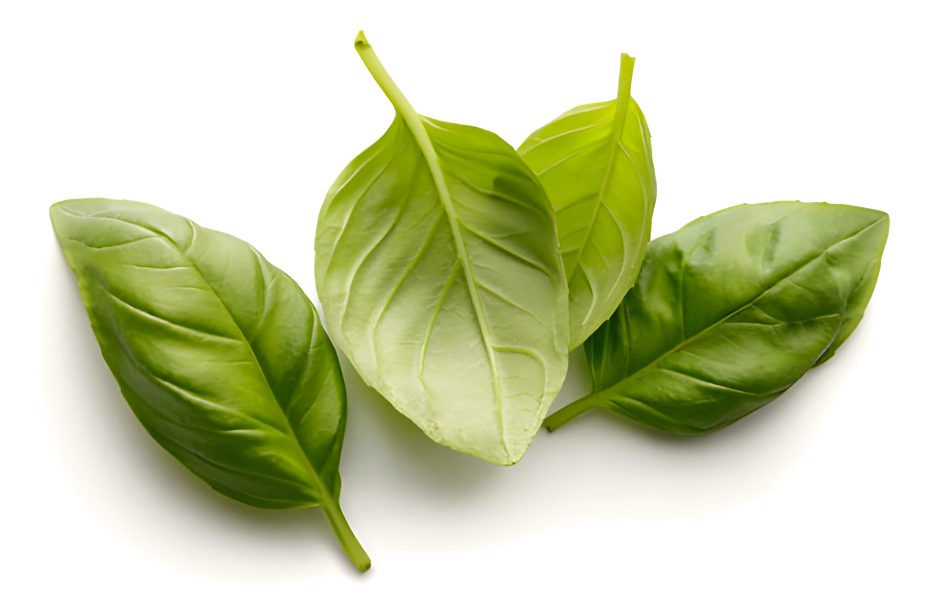
Tip: Use basil fresh and chopped, adding it near the end of cooking for that aromatic boost.
3. Mint: Cool and Refreshing
Mint might seem like an unexpected choice, but its cool, refreshing taste mimics coriander’s fresh qualities in salads, salsas, or even Middle Eastern dishes like falafel. It adds a burst of freshness with a hint of sweetness.
Tip: Pair mint with a pinch of cumin or smoked paprika to enhance the flavor profile.
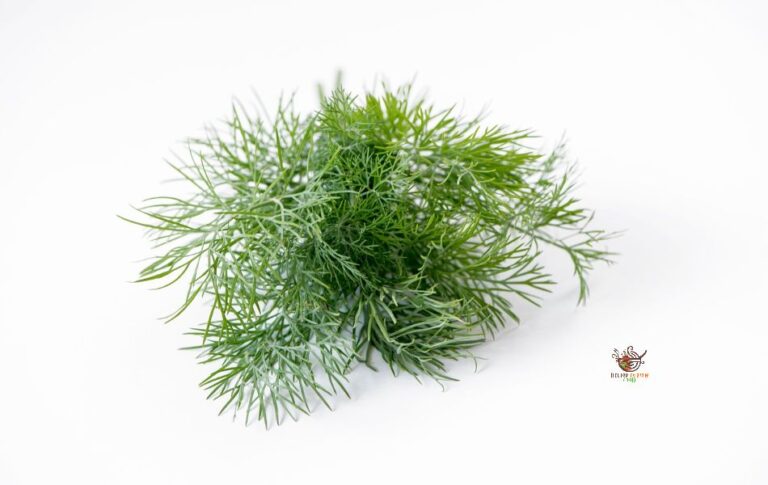
4. Dill: Tangy and Light
Dill’s tangy, slightly sour flavor works well in fresh dishes, particularly with seafood or in a yogurt-based dip. While not quite the same as coriander, dill can be a fun substitute, especially when paired with cucumber or in lighter, fresh salads.
Tip: Add a squeeze of lemon juice with dill to capture that citrusy freshness you might miss from coriander.
Top Substitutes for Coriander Seeds
If you’re out of coriander seeds, which are typically ground for spice blends, you still have options. The key is to find spices with earthy, warm flavors that complement your dish.
1. Cumin: Warm and Earthy
Cumin is the closest in flavor to coriander. Both share a warm, earthy profile, with cumin being a bit stronger. It works especially well in stews, curries, and roasted vegetables. Use a bit less cumin than coriander, as its flavor is more intense.
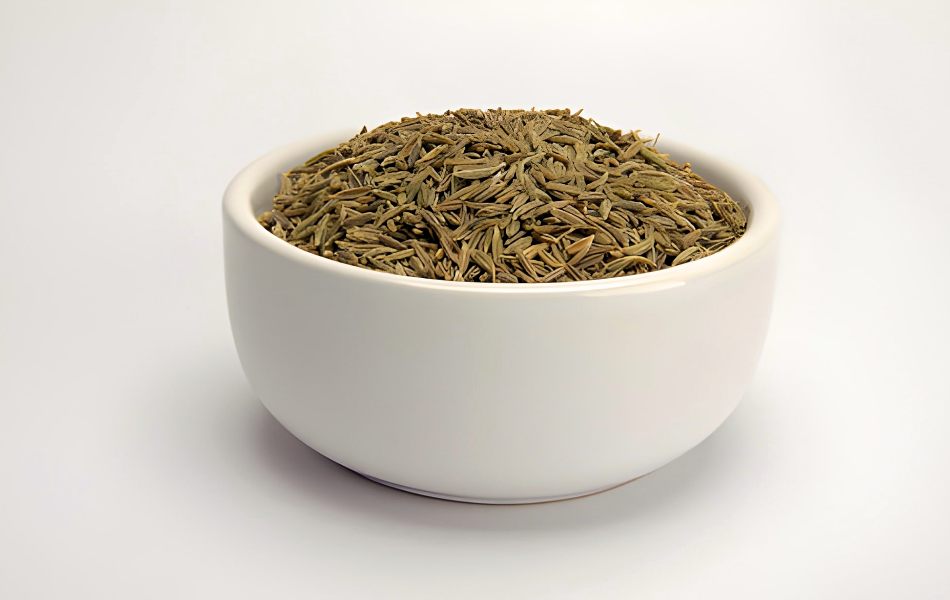
Tip: Toast cumin seeds before adding them to your dish for an extra burst of flavor.
2. Caraway Seeds: Nutty and Slightly Sweet
Caraway seeds have a flavor that’s both warm and slightly sweet, with a hint of licorice. They can step in beautifully when replacing coriander in spice-heavy dishes like sauerkraut or rye bread. Be careful with the quantity, as their flavor is bold.
Tip: Lightly toast caraway seeds to bring out their full, nutty flavor before using them.
3. Garam Masala: Spicy and Aromatic
Garam masala is a fantastic choice for replacing coriander in Indian or Middle Eastern dishes. It contains coriander, so it already carries some of the familiar flavor notes. Plus, it has the added complexity of other spices like cumin and cardamom.
Tip: Use garam masala in a 1:1 ratio to replace coriander in curries or lentil soups.
4. Curry Powder: A Shortcut with Depth
Curry powder is another great substitute that includes coriander in its blend. It also contains turmeric, cumin, and ginger, which gives it a vibrant yellow color and a savory flavor. It works perfectly in soups, stews, and marinades.

Tip: Keep in mind that curry powder can change the color of your dish, giving it a warm, golden hue.
Cooking Tips for Using Substitutes
When you’re replacing coriander, here are a few helpful tips to ensure your dish turns out delicious:
- Start Small and Taste Often: Some substitutes, like cumin, are stronger than coriander. Start with less, then adjust as you go.
- Balance with Citrus: If you’re missing coriander’s bright citrus flavor, a squeeze of lemon or lime juice can fill the gap perfectly.
- Match the Dish to the Substitute: Consider the overall flavor profile of your dish. Cumin works well for hearty curries, while basil or mint is better suited for fresh salads.
- Don’t Be Afraid to Experiment: Some of the best flavor combinations come from mixing substitutes. For example, try combining cumin and caraway seeds for a complex, aromatic flavor.
Personal Reflection: My Go-To Substitutes
For me, parsley and cumin are essential pantry staples. If I don’t have fresh coriander, I always reach for parsley with a bit of lemon juice, it’s my go-to for salads, dressings, or as a garnish. As for cumin, I’ve accidentally doubled the amount in a stew before, thinking it was coriander, and ended up with a smoky, flavorful dish that everyone loved. Sometimes, these little kitchen mishaps turn into happy accidents!
See Also – What Can You Use as a Cumin Substitute in Your Recipes?
Running out of coriander doesn’t have to derail your cooking plans. Whether you’re in the middle of a curry or making a fresh salsa, there’s a substitute that will keep your dish flavorful and vibrant. From cumin’s earthy warmth to basil’s aromatic sweetness, these simple swaps can elevate your meals without missing a beat. So next time you’re without coriander, embrace the opportunity to get creative and discover a new flavor combination!