
Is Naan Bread Healthy? The Honest Truth From My Kitchen
Naan bread holds a special place in my kitchen. Warm, pillowy, and slightly charred, it turns any meal into a feast. But if you love it as much as I do, you have wondered one thing. Is naan bread healthy, or should you save it for weekends?
Let me share what I learned after years of baking and taste-testing at home. The answer surprised me. And it will change how you enjoy your next piece.
What Is Naan Bread, Anyway?
Naan is a soft, leavened flatbread from South Asia. Bakers cook it in a hot clay oven called a tandoor. The high heat gives naan those beautiful bubbles and smoky edges.
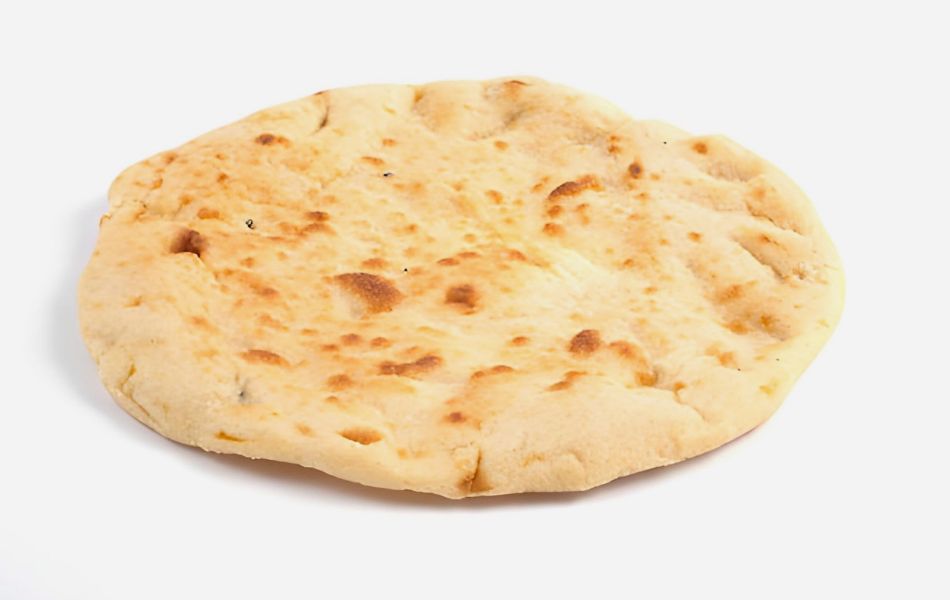
Traditional naan uses simple ingredients. Think flour, yogurt, water, yeast, and a pinch of salt. Some recipes add milk, egg, or sugar for extra softness. Then comes the finishing touch, a brush of butter or ghee.
That butter brush tastes wonderful. It also adds most of the extra fat and calories. Knowing what goes into your naan is the first step toward eating it smarter.
What Goes Into Naan and Why It Matters
Each ingredient plays a role in flavor and nutrition. Here is a quick look at the basics.
| Ingredient | Purpose | Health Note |
|---|---|---|
| Refined flour | Structure | Low in fiber |
| Yogurt | Soft texture | Adds protein and probiotics |
| Butter or ghee | Flavor | High-calorie source |
| Salt | Taste balance | Watch your sodium |
| Yeast | Dough rise | No nutritional concern |
Ingredient choice shapes the nutrition profile more than the cooking method alone. Swap one or two things, and you change the whole picture. This is where you gain control.
The Nutrition Facts Behind Naan Bread
One piece of naan gives you more than you might expect. Numbers shift with size and recipe. Here is a look at a standard piece, around 90 grams.
- Calories: 262 to 320
- Carbohydrates: 45 grams
- Protein: 8 to 9 grams
- Fat: 5 grams
- Fiber: 2 grams
- Sodium: 400 to 450 mg
- Iron: 16 percent of daily needs
- Thiamine: 58 percent of daily needs
- Niacin: 33 percent of daily needs
The protein content pleasantly surprised me. Thanks to yogurt and flour, naan gives you a solid protein hit. That helps you feel full for longer.
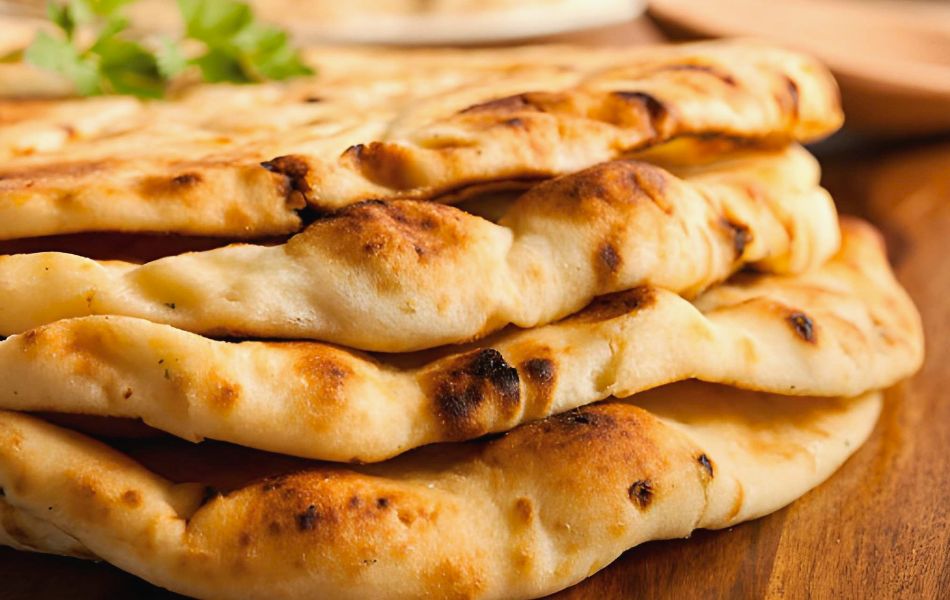
You also get iron and B vitamins from a single piece. Iron fights tiredness, while thiamine and niacin help your body turn food into energy. Those numbers add real value to your plate.
The downside sits in the refined white flour. It offers little fiber and raises your blood sugar fast. Butter and sodium stack up quickly too.
So, is naan bread healthy? On its own, it leans toward a treat. But small swaps turn it into a smarter choice.
How Naan Compares to Other Breads
Lining naan up against other breads helps you choose with confidence. Every flatbread brings something different to the table. Here are the honest differences.
| Bread Type (per 90g) | Calories | Protein | Fiber |
|---|---|---|---|
| White naan | 262 | 9g | 2g |
| Whole wheat naan | 286 | 10g | 4.8g |
| Roti / chapati | 120 | 4g | 3g |
| Pita bread | 165 | 6g | 2g |
| Whole wheat bread (2 slices) | 160 | 6g | 4g |
Roti wins for lightness and everyday meals. Naan wins for flavor and that soft, chewy bite. Neither one is bad. They serve different moods and cravings.
Look at the whole wheat naan row. Switching from white to whole wheat doubles the fiber. That single change makes a real difference for your gut and energy.
Why Fiber Deserves Your Attention
Fiber keeps you full and steadies your blood sugar. White flour strips most of it away during processing. Whole grain flour keeps the bran, where the fiber lives.
More fiber means fewer energy dips after your meal. It also feeds the good bacteria in your gut. That is a small win worth chasing with every bite.
The Good and the Not-So-Good
Naan brings genuine benefits when you enjoy it thoughtfully. The yogurt adds protein and gut-friendly cultures. The bread pairs well with vegetables, lentils, and lean protein.
The concerns come down to portion and preparation. Large pieces, heavy butter, and refined flour add up fast. Restaurant naan often runs bigger than homemade too.
Here is my honest take. Naan is not junk food. It sits in the same camp as good pasta or fresh sourdough. Quality ingredients and smart portions keep it on your table without guilt.
Smart Swaps for Healthier Naan
Homemade naan gives you full control over every ingredient. This is where the fun begins. You gain transparency, better nutrition, and taste you notice.
Swap the flour. Reach for whole wheat flour or a half-and-half blend. Whole wheat adds fiber, nutrients, and a nutty depth. I use a 50/50 mix for softness plus health perks. A spoon of chickpea flour adds even more protein.
Rethink the fat. Skip the heavy butter brush at the end. Use a light coat of olive oil instead. My secret trick is garlic-infused olive oil. You get all the richness with less saturated fat.
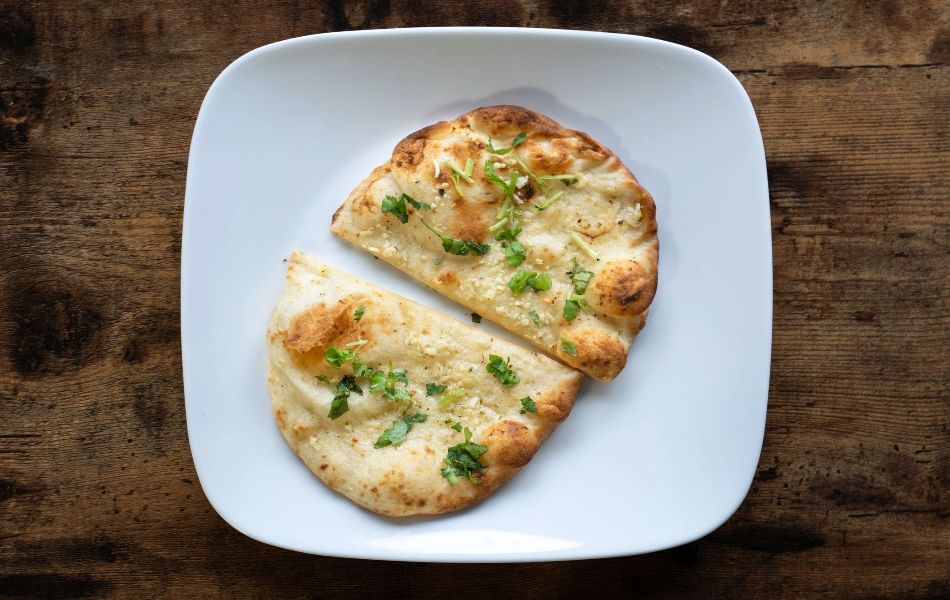
Choose flavor over salt. Cut back on salt with bold seasonings. Fresh garlic, cilantro, and cumin do the heavy lifting. I sprinkle smoked paprika into the dough for warmth and depth, with no extra salt.
Upgrade the yogurt. Use Greek yogurt for more protein and probiotics. It keeps the texture tender and the flavor rich.
A Simple Healthier Naan Recipe
You do not need a tandoor to make great naan. A hot skillet works beautifully at home. Here is the easy version I make on busy weeknights.
You will need:
- 1 cup whole wheat flour
- ½ cup all-purpose flour
- ½ cup plain Greek yogurt
- ¼ cup warm water
- 1 teaspoon baking powder
- ½ teaspoon salt
- 1 tablespoon olive oil
Steps:
- Mix the dry ingredients in a large bowl.
- Stir in the yogurt, oil, and water until a soft dough forms.
- Knead for five minutes, then rest the dough for 20 minutes.
- Divide into six balls and roll each one flat.
- Cook on a hot skillet for two minutes per side.
Brush with garlic oil and fresh cilantro before serving. The Greek yogurt adds protein and keeps every piece soft. This version tastes rich but treats your body kindly.
Creative Ways to Serve Naan
The right pairing turns naan into a complete, balanced meal. Balance is the goal, not restriction. Fill your plate with color and protein.
- Pair naan with grilled chicken and a fresh salad for protein and greens.
- Dip warm halves into hummus for a fiber-rich snack.
- Stuff naan with chickpeas, spinach, and tomatoes, then roll it like a wrap.
- Use toasted naan as a base for avocado toast, ready in minutes.
- Scoop up a yogurt dip mixed with mint, garlic, and lemon for a light finish.
The vegetables and protein slow digestion and keep you full. Each pairing brings fiber and vitamins to round out the meal.
Common Naan Mistakes to Avoid
A few habits push naan into treat territory. Watch for these, and you keep your meals balanced.
- Stacking large portions. Eating three or four pieces adds calories fast. One palm-sized piece often satisfies.
- Piling on butter. Heavy ghee adds flavor and fat. A light brush still tastes great.
- Skipping protein. Naan alone leaves you hungry soon after. Pair it with lentils or chicken.
- Rushing the dough. Skimping on kneading and rest time gives dense results. Give it 20 minutes to relax.
Fix these small things, and your naan works harder for you. Balance turns a favorite food into part of a healthy routine.
So, Is Naan Bread Healthy?
Naan bread earns a spot in a balanced diet with smart choices. The plain restaurant version leans toward a treat. The homemade whole wheat version becomes a nourishing staple.
Focus on three things. Better flour, lighter fat, and sensible portions. Do that, and you enjoy every bite without second-guessing yourself.
Next time you crave that warm, chewy flatbread, go for it. Make one batch this week, swap in whole wheat flour, and taste the difference. Your kitchen, your rules, your healthier naan.