Best Celery Seed Substitute: 8 Easy Kitchen Swaps
You reach for celery seed halfway through a recipe and find an empty jar. Do not panic. I have hit this snag more times than I want to admit. The good news is your pantry likely holds a fix right now.
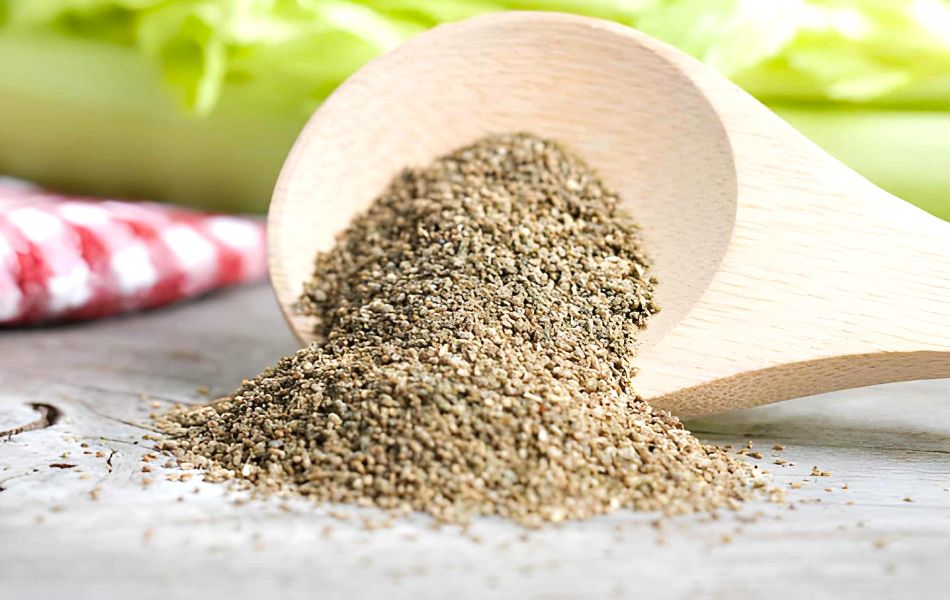
Celery seed brings a warm, grassy, slightly bitter kick. You find it in potato salad, coleslaw, brines, and homemade dressings. When you have none on hand, the right celery seed substitute keeps your dish tasting how you want.
Let me walk you through my go-to swaps, the amounts, and when each one shines.
What Celery Seed Tastes Like
Before you swap anything, know what you are replacing. Celery seed tastes like celery, but bolder. Think concentrated stalk flavor with a peppery, earthy edge.
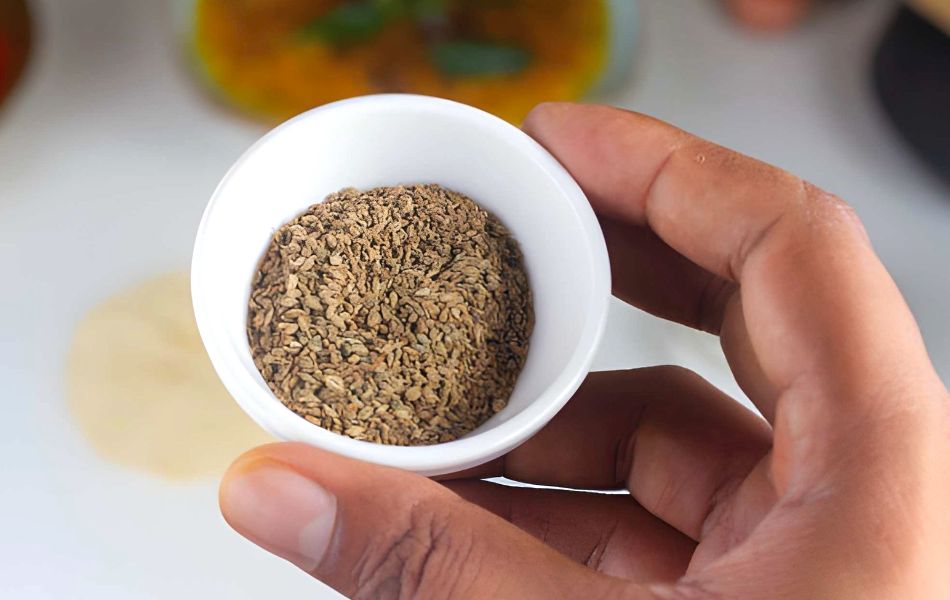
Those tiny seeds come from wild celery plants. A little goes a long way. Most recipes ask for a quarter teaspoon to one teaspoon. That small amount adds savory depth to salads and soups.
Here is my honest kitchen note. Celery seed turns bitter when you use too much. So whatever swap you pick, start small and taste as you go.
Celery seed also plays well with mustard, vinegar, tomato, and creamy sauces. Keep those pairings in mind when you choose a stand-in.
My Top Celery Seed Substitutes
I ranked these eight options by how close they land to the real thing. You will find one for your dish and your spice rack.
1. Celery Salt
This is your easiest win. Celery salt blends ground celery seed with salt, so the flavor lands spot on. Swap it one for one, then cut back on salt elsewhere.
This swap shines in coleslaw, potato salad, tomato juice, and deviled eggs. I once forgot the salt step in a brine and turned my chicken into a salt bomb. Learn from my mistake and hold the shaker until you taste.
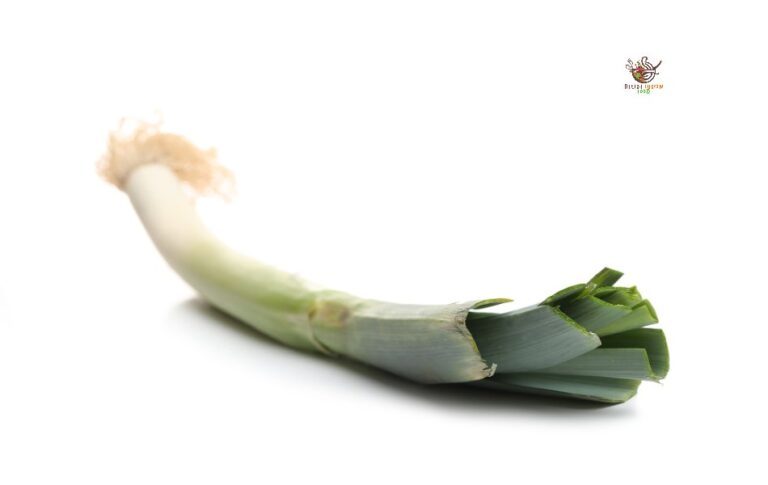
2. Fresh Celery Stalks and Leaves
Fresh celery brings the same family flavor in a gentler form. Chop the stalks fine for even cooking. Use two tablespoons of minced stalk or leaves for one teaspoon of seed.
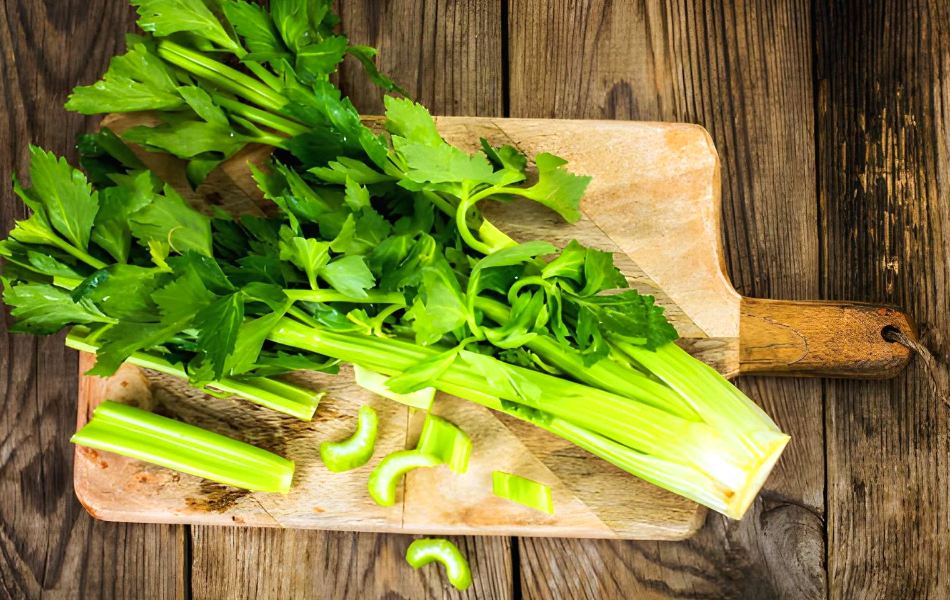
Do not toss those green leaves. The pale inner leaves hold the most flavor. Stir them into soups, stocks, and salads near the end for a clean, garden taste.
Fresh stalks add moisture and crunch, so skip them in dry rubs. Wash the leaves well, since grit hides around the stems. Dry them before chopping so they do not thin your dressing.
3. Dill Seed
Dill seed is my favorite backup for pickles and coleslaw. It sits in the same plant family and carries a warm, slightly bitter note with a faint citrus lift. Swap it one for one.
This choice loves vinegar-based recipes. Think cucumber pickles, cabbage slaw, and quick brines. Start with a pinch less if strong dill bothers you.
Note the difference between dill seed and dill weed. The fresh fronds taste lighter and sweeter, so the result feels less warm.
4. Caraway Seed
Caraway brings a nutty, earthy punch with a faint anise hint. It sits close to celery seed in savory food. I reach for it in cabbage dishes, pork roasts, and hearty stews.
Start with half the amount, since caraway runs stronger. Crush the seeds first with a rolling pin or heavy mug. Crushed seeds spread flavor fast and prevent harsh bites.
5. Fennel Seed
Fennel seed offers warmth with a mild sweet edge and a soft licorice note. It works in sausage, tomato sauce, and roasted vegetables. Use about half the amount your recipe wants.
Crush the seeds to release the oils. This wakes up the flavor fast. I sometimes mix fennel with mustard seed for both warmth and tang, using a quarter teaspoon of each.
6. Mustard Seed
Mustard seed lacks the green flavor of celery. Still, the sharp bite supports many of the same recipes. Use one teaspoon for each teaspoon of celery seed.
Yellow seed tastes mild, brown gives more heat, and black runs the strongest. Mustard seed works well in pickles, slaw, and vinaigrette. For creamy dressing, grind the seeds first for a smoother finish.
7. Old Bay and Spice Blends
Some blends already carry celery flavor. Old Bay and certain poultry seasonings are good examples. Check the label first.
If celery seed sits near the top of the ingredient list, the blend delivers a solid hit. Use about half a teaspoon and go light, since these mixes carry salt and other spices too. This works nicely in seafood boils and potato salad.
8. Lovage
Lovage is the sleeper pick. This herb tastes almost identical to celery, only more intense. If you grow it, you have a near-perfect match.
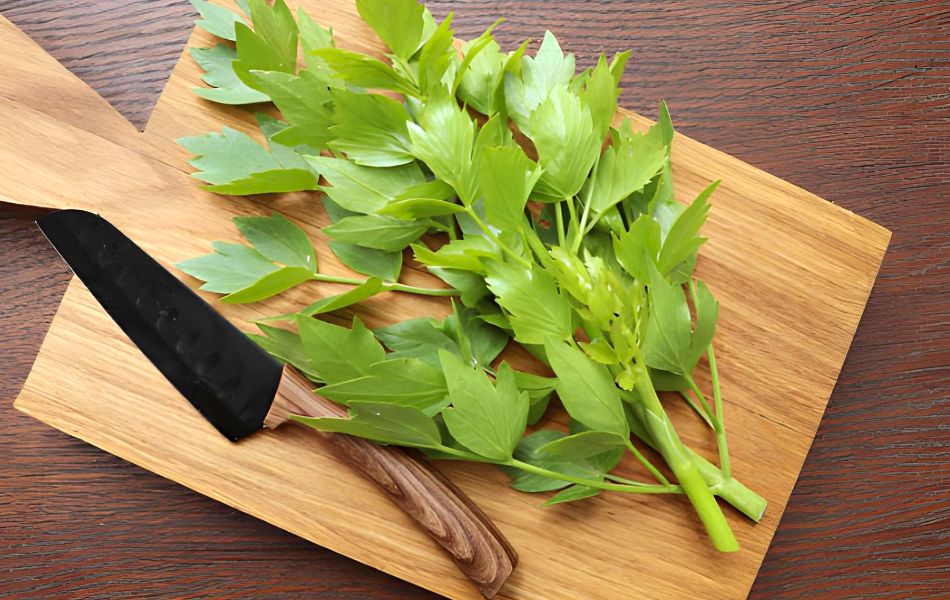
Use half a teaspoon of dried lovage or one tablespoon of chopped fresh leaves per teaspoon of celery seed. Add it late in cooking to keep the bright flavor. Most stores skip it, so this one suits garden folks and farmers market finds.
Quick Substitution Table
Here is your cheat sheet. Print it or snap a photo for your next cooking session.
| Substitute | Amount (per 1 tsp celery seed) | Flavor Notes | Best Uses |
|---|---|---|---|
| Celery salt | 1 tsp (reduce added salt) | Nearly identical, salted | Salads, brines, dressings |
| Fresh celery leaves | 2 tbsp minced | Fresh, grassy, mild | Soups, stocks, salads |
| Dill seed | 1 tsp | Warm, herbal, slightly bitter | Pickles, coleslaw |
| Caraway seed | 1/2 tsp (crushed) | Nutty, earthy, faint anise | Cabbage, stews, bread |
| Fennel seed | 1/2 tsp (crushed) | Warm, mild sweet | Sausage, brines, roasts |
| Mustard seed | 1 tsp | Tangy, sharp | Pickles, dressings, brines |
| Spice blend (Old Bay) | 1/2 tsp | Savory, salty, complex | Seafood, potato salad |
| Fresh lovage | 1 tbsp chopped | Intense celery flavor | Soups, stews, salads |
How to Pick the Right Swap
Your best choice depends on the dish. First, check the role of celery seed in your recipe. Ask if the dish needs salt, warmth, herbal lift, or crunch. Match the swap to the main need.
For coleslaw and potato salad: Grab celery salt for the closest match, since it blends into mayonnaise and vinegar. Dill seed adds a brighter, herbal lift. Mix the dressing first, taste it on one cabbage shred, then let the finished slaw rest for 20 minutes.
For pickles and brines: Reach for dill seed and mustard seed. Use half a teaspoon of each per teaspoon of celery seed. Let whole spices sit in warm brine so their aroma spreads. Skip fresh celery here, since the stalks add water and change the texture.
For soups and stews: Fresh celery wins. Chop the stalks small and cook them with onion for a rich base. Lovage gives the strongest dried option, so use a light hand. Stir tender leaves in during the last ten minutes.
For dry rubs and mixes: Stick with ground caraway or a spice blend. These stay dry and blend evenly. Skip fresh options here, since moisture ruins a good rub and blocks a proper sear.
My Personal Flavor Tricks
Over the years I picked up a few tips worth sharing. These small moves make any seasoning swap taste better.
Toast your seeds first. Warm caraway, fennel, or dill seed in a dry pan for one minute. Keep the heat low and shake the pan often. The heat releases their oils and deepens the flavor, and your kitchen will smell amazing.
Grind for a smoother finish. Whole seeds add nice texture in bread. In creamy dressings, I grind them fine with a quick spin in a spice mill. Keep a mortar and pestle near your stove for small batches.
Layer flavors slowly. Add half your substitute, taste, then adjust. Celery flavor builds fast and turns sharp if you rush. I also add a pinch of smoked paprika with caraway for gentle warmth. Try it in a beef stew and thank me later.
Common Mistakes to Avoid
I made every one of these errors so you do not have to. Keep them in mind and your swaps will land right.
- Adding too much at once. Strong seeds like caraway take over quickly. Start light and build up.
- Forgetting the salt in celery salt. This trips up almost everyone. Cut your recipe salt when you use it.
- Using fresh herbs in dry rubs. Moisture and dry rubs do not mix. Match wet swaps to wet dishes.
- Skipping the taste test. Every spice reacts with your other ingredients. A quick taste tells you what the dish needs.
- Overcooking delicate seeds. Long heat turns them bitter in light sauces. Add whole seeds midway through cooking.
Storing Your Substitutes
Fresh flavor depends on good storage. Whole seeds hold their punch for up to three years in a cool, dark spot. Ground spices fade faster, usually within six months.
Store fresh celery leaves and lovage in the fridge. Wrap them in a damp paper towel and use them within five days. I freeze extra leaves in ice cube trays with water for soups later.
Check your spices before you cook. Old, dusty seeds lose their kick and leave dull, woody notes. If they smell weak, swap in a fresh jar for the best result.
See Also – What Can You Use as a Cumin Substitute in Your Recipes?
Your Next Cooking Win
A missing spice no longer means a ruined recipe. You now have eight reliable options and the exact amounts to use. A good celery seed substitute keeps your dishes balanced and bright.
Keep celery salt, dill seed, and caraway in your rack, since those three cover most recipes. Grab fresh leaves or lovage when you want that clean, garden taste. Choose your swap based on texture, salt, and cooking time.
Next time you find an empty jar, stay calm. Pick your swap, start small, and taste as you cook. Trust your palate, and your food will turn out great.