Mastering Brown Rice Flour: 10 Essential Cooking Tips and Recipes
Let’s talk about one of the most versatile ingredients in my kitchen: brown rice flour. If you’ve felt a little unsure about using alternative flours, you’ve come to the right place. This flour has a wonderful, nutty flavor and a wholesome texture that can transform your recipes. But, like any new ingredient, it has its own personality.
Over the years, I’ve had my share of crumbly cookies and dense cakes while learning its secrets. Now, I want to share my best kitchen advice with you. We will go through some simple cooking tips for using brown rice flour that will help you add this fantastic flour to your everyday cooking and baking.
Why Choose Brown Rice Flour?
Before we jump into the tips, let’s quickly talk about why brown rice flour is worth getting to know. Unlike white rice flour, which comes from polished rice, brown rice flour uses the whole grain. This means it keeps the bran and germ, packing in more nutrients, fiber, and flavor.
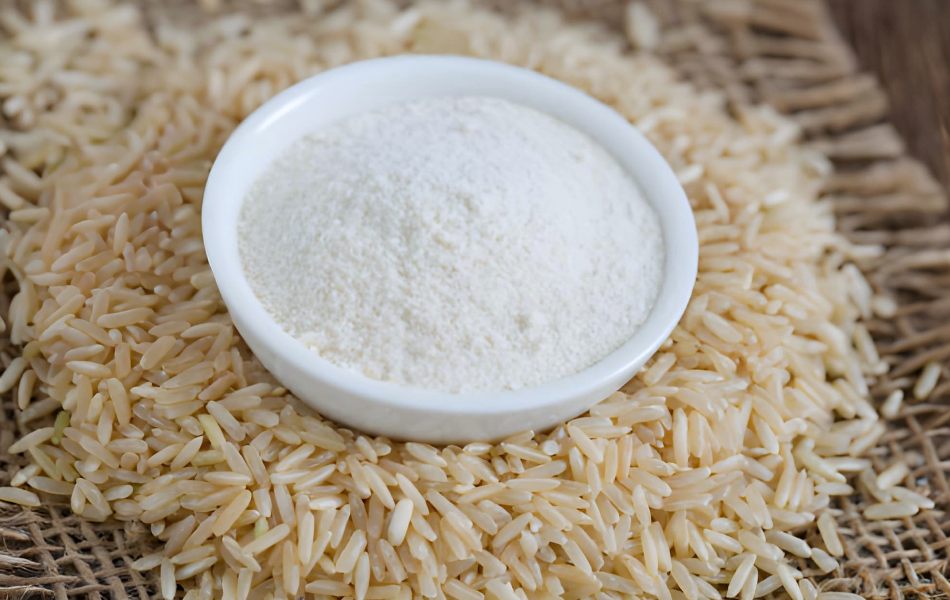
This whole-grain goodness gives your baked goods a boost of protein and fiber. It also adds a subtle, almost sweet nuttiness that I find so appealing. Using it is a simple way to make your favorite recipes a bit more wholesome without sacrificing taste. For anyone avoiding gluten, it is a pantry staple.
Tips for Baking with Brown Rice Flour
One of the most common ways to use brown rice flour is in baking. If you’ve been baking with wheat flour, you’ll need to adjust your recipes to account for brown rice flour’s unique properties.
1. Blend It with Other Flours for Better Texture
This is my number one rule. Brown rice flour does not contain gluten, which provides structure in traditional baking. Using it as a one-to-one substitute for wheat flour often leads to dry, crumbly results. I learned this the hard way with a batch of cookies that fell apart when I touched them.
To fix this, always blend it with other gluten-free flours. A great starting mix is 40% brown rice flour, 40% a lighter flour like tapioca or potato starch, and 20% a protein-rich flour like almond or chickpea flour. This balance creates a much better texture.
2. Add a Binder for Structure
Since we are not working with gluten, we need something else to hold everything together. This is where binders come in. Xanthan gum or guar gum are excellent choices for gluten-free baking. They mimic the binding properties of gluten, giving your baked goods the chewiness and structure they need.
A good rule of thumb is to add about a half teaspoon of xanthan gum per cup of flour for cookies and cakes. For breads, you might need up to one teaspoon per cup. It’s a small amount that makes a huge difference.
3. Let Your Batter Rest
Here’s a simple trick that works wonders. After you mix your batter or dough, let it sit on the counter for about 20 to 30 minutes before baking. Brown rice flour is a bit coarse and needs extra time to absorb the liquid in the recipe. This resting period hydrates the flour fully, resulting in a smoother texture and preventing a gritty mouthfeel. I do this for my pancake batter, and the difference is incredible.
4. Increase the Liquid Content
You will often find that brown rice flour is thirstier than its wheat-based counterpart. It soaks up more moisture. If you are adapting a recipe, you may need to add a little extra liquid. Don’t be afraid to add an extra tablespoon or two of milk, water, or oil. You want the batter to look and feel similar to how it would with all-purpose flour.
Cooking Tips Beyond Baking
The uses for brown rice flour are not just for baking. It is a fantastic ingredient in many savory dishes as well.
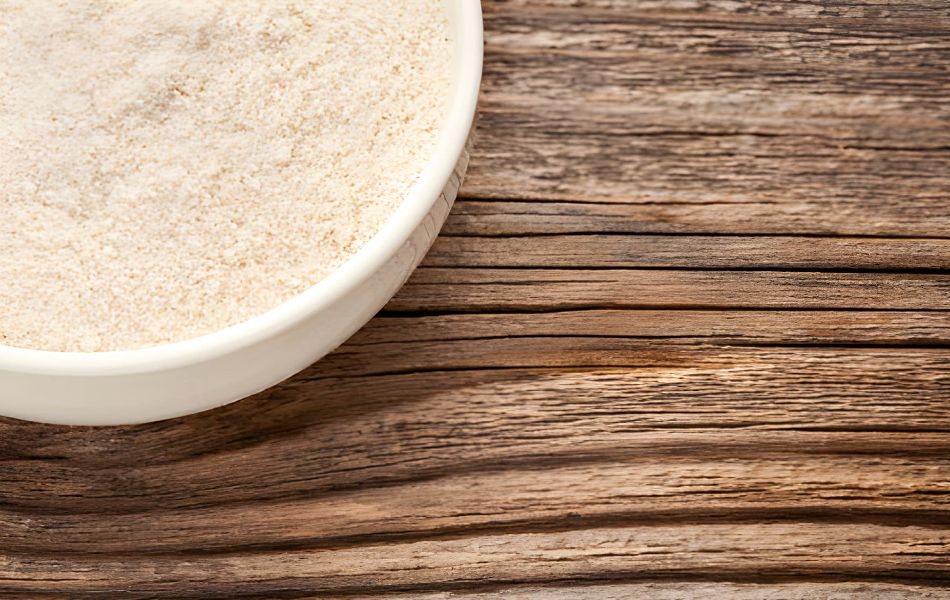
1. Use Brown Rice Flour to Thicken Sauces and Soups
If you’re looking for a healthier, gluten-free way to thicken sauces or soups, brown rice flour is your answer. It creates smooth, creamy textures without the pasty taste of cornstarch.
How to Thicken:
- Make a Slurry: Mix brown rice flour with water or broth in a 1:1 ratio to form a slurry. Gradually add this to your simmering sauce while stirring continuously.
- Toast It First: For a richer, nutty flavor, toast the brown rice flour in oil or butter before adding it to your dish.
2. Create Crispy Coatings for Frying
Want an extra-crispy coating for fried chicken, fish, or vegetables? This flour is your secret weapon. Its fine texture creates a light, crunchy crust that stays crisp long after frying. It also does not absorb as much oil as wheat flour, so your food feels less greasy.
Simply dredge your protein or veggies in seasoned brown rice flour before pan-frying or air-frying. For an even thicker crust, dip the food in an egg wash first, then coat it with the flour.
3. Make Delicious Brown Rice Flour Pancakes
Pancakes made with brown rice flour are fluffy, hearty, and full of flavor. The nutty flavor complements the sweetness of maple syrup, creating a breakfast everyone will love.
How to Make Pancakes:
- Ingredients: Combine 140 grams of brown rice flour, 1 teaspoon of baking powder, a pinch of salt, and 240 ml of milk. Add one egg, 2 tablespoons of melted butter, and a tablespoon of honey.
- Rest the Batter: Let the batter sit for 20-30 minutes to allow the flour to fully absorb the liquid. This step makes your pancakes fluffier.
- Cook Low and Slow: Brown rice flour can cook faster than regular flour, so keep the heat low. Flip when you see bubbles forming on the surface.
4. Whip Up Brown Rice Flour Banana Bread
Overripe bananas? Turn them into a hearty, nutty loaf of banana bread. Brown rice flour gives the bread a wholesome texture that pairs perfectly with the sweet, caramelized bananas.
Banana Bread Recipe:
- Ingredients: Use 210 grams of brown rice flour, 1 teaspoon of baking soda, 1/2 teaspoon of cinnamon, and 3 ripe bananas. Add 2 eggs, 80 ml of melted coconut oil, 100 grams of brown sugar, and 1 teaspoon of vanilla.
- Instructions: Mix dry ingredients with mashed bananas, eggs, and oil. Bake at 350°F for about 55 minutes or until a toothpick comes out clean.
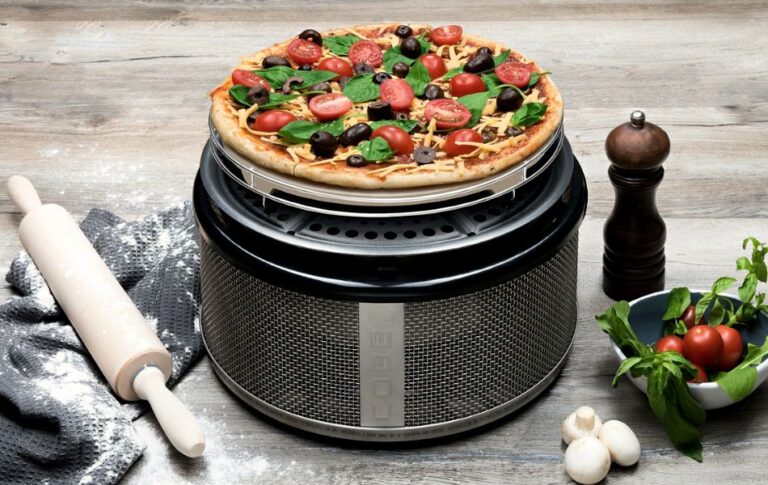
5. Brown Rice Flour for Gluten-Free Pizza Crust
Say goodbye to soggy gluten-free pizza crusts. Brown rice flour creates a sturdy, crisp crust that holds up to your favorite toppings.
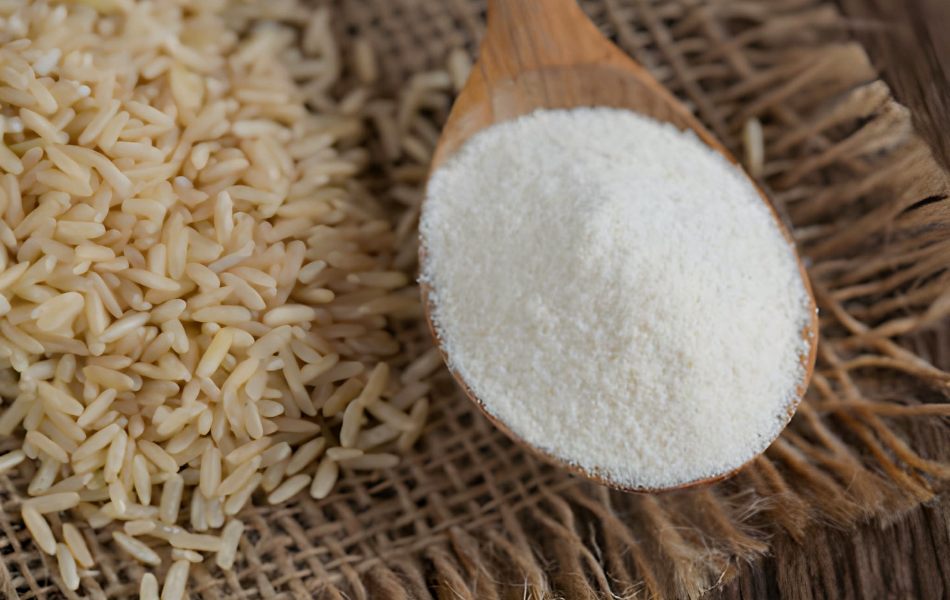
Pizza Crust Recipe:
- Ingredients: Combine 280 grams of brown rice flour, 1 teaspoon of xanthan gum, 1 teaspoon of yeast, and 1 teaspoon of sugar. Add 180 ml of warm water and 2 tablespoons of olive oil.
- Instructions: Mix the yeast, sugar, and warm water, then combine with the flour mixture. Knead for 3 minutes, let it rest for 30 minutes, and bake at 425°F for 10 minutes before adding toppings.
6. Quick Tips for Success with Brown Rice Flour
- Rest Your Batters: Brown rice flour needs time to hydrate fully. Let your batter rest for 20-30 minutes to get a smoother, more even texture.
- Use a Digital Scale: For the most consistent results, weigh your brown rice flour. 140 grams equals one cup.
- Proper Storage: Store brown rice flour in an airtight container in a cool, dark place. For longer shelf life, keep it in the fridge or freezer.
Common Mistakes and How to Avoid Them
- Not using a binder: For baked goods needing structure, like bread, you need a binder like xanthan gum. Otherwise, your dish may crumble.
- Measuring by volume: Brown rice flour can be dense. Weighing your flour ensures consistency and prevents a heavy, dry result.
- Forgetting to rest the batter: Skipping this step can lead to a gritty texture. A short 20-minute rest makes a big difference.
See Also – 8 Brisket Cooking Tips Every BBQ Enthusiast Should Know
Final Thoughts
Working with alternative flours opens up a new world of flavors and textures. Don’t be afraid to experiment. Remember my early days of crumbly cookies? Every mistake is just a lesson in disguise.
With these cooking tips, you are well on your way to creating mouthwatering gluten-free dishes. So go ahead, grab a bag, and start your next delicious kitchen adventure. Happy cooking.