Slow-Cooking Meats: Foolproof Tips for Tender, Flavorful Results
Picture this: you walk through the door after a long day, and the smell of dinner greets you like a hug from your favorite comfort food. That’s the magic of slow-cooked meats. The slow cooker works its wonders, turning tougher cuts into melt-in-your-mouth deliciousness with minimal effort. Whether you’re cooking for your family or entertaining guests, slow-cooked meats are sure to impress.
Let me share some tips and secrets that will elevate your slow-cooked dishes to a whole new level. It’s all about patience and using the right technique. Trust me, once you master slow-cooking, you’ll never want to go back.
Why Slow-Cooking Works Its Magic
A slow cooker uses moist heat over a long period. This gentle cooking process breaks down tough connective tissues in meat. These tissues, called collagen, melt into gelatin. This is what gives slow-cooked meats their signature succulent texture.
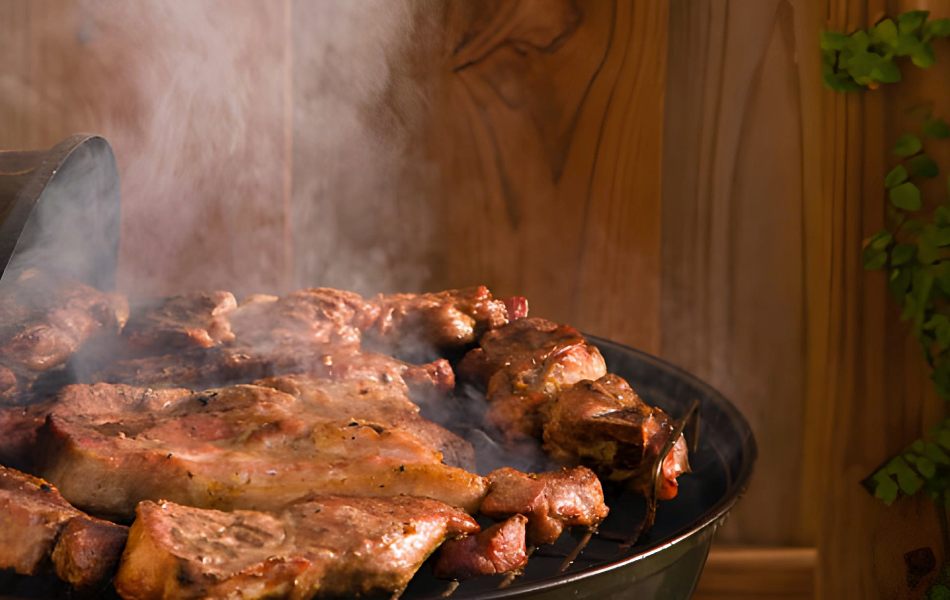
High-heat methods like grilling cook meat quickly. They are great for tender cuts. But for tougher cuts like beef chuck or pork shoulder, slow-cooking is the perfect solution. It gives these less expensive cuts the time they need to become incredibly tender and flavorful.
Prepare Your Ingredients for Flavor
Great slow-cooked dishes start with the right ingredients. It is not just about the meat. The liquids and aromatics you add build layers of deep flavor.
Choosing the Right Cuts for Success
The beauty of slow-cooking is that you don’t need expensive cuts of meat to achieve tender, flavorful results. Tough cuts with plenty of connective tissue and fat are perfect for this cooking method. As the meat cooks, the collagen breaks down into gelatin, resulting in a juicy, melt-in-your-mouth texture.
Here are my favorite cuts for slow-cooking:
- Beef: Chuck roast, brisket, or short ribs. These cuts have the perfect balance of fat and collagen.
- Pork: Pork shoulder or butt. Perfect for pulled pork, these cuts become incredibly tender when slow-cooked.
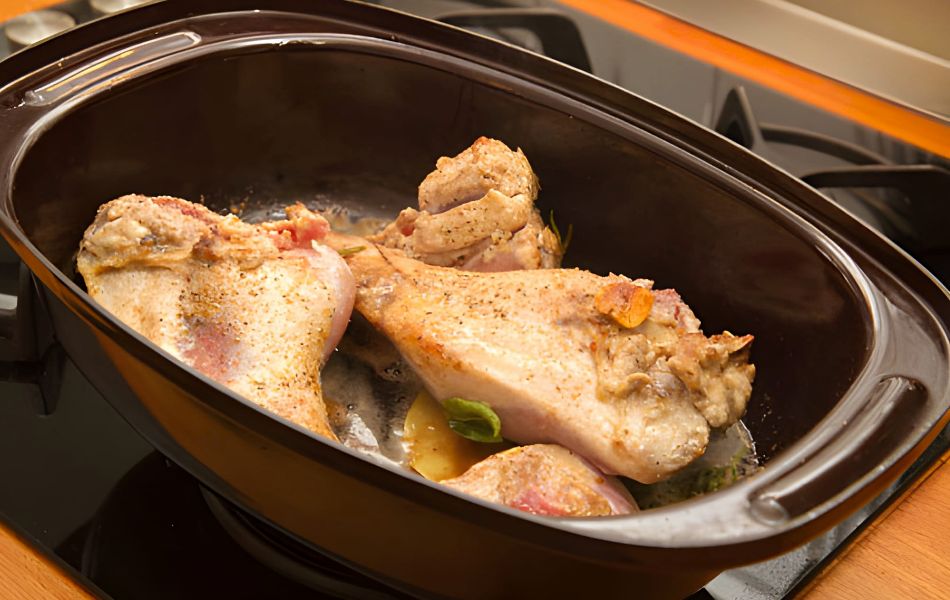
- Chicken: I prefer using dark meat like thighs or drumsticks. They have more fat and flavor. They stay moist even after hours of cooking.
Build a Flavorful Braising Liquid
The liquid you cook your meat in is a key source of flavor. A good braising liquid needs a few components to create balance.
- A Solid Base: I almost always start with broth. Beef, chicken, or vegetable broth adds a savory foundation.
- Something Acidic: A splash of wine, vinegar, or tomato paste adds brightness. The acid helps to cut through the richness of the meat.
- A Touch of Sweetness: A spoonful of honey, maple syrup, or brown sugar can balance the flavors.
- Aromatic Vegetables: Onions, carrots, and celery are the classic trio. They add a sweet, earthy base to any dish. I always add a few cloves of garlic too.
Preparing Your Meat: A Few Key Tips
Before you dive into the slow-cooking process, make sure to prep your meat properly. This simple step can make all the difference in the final dish.
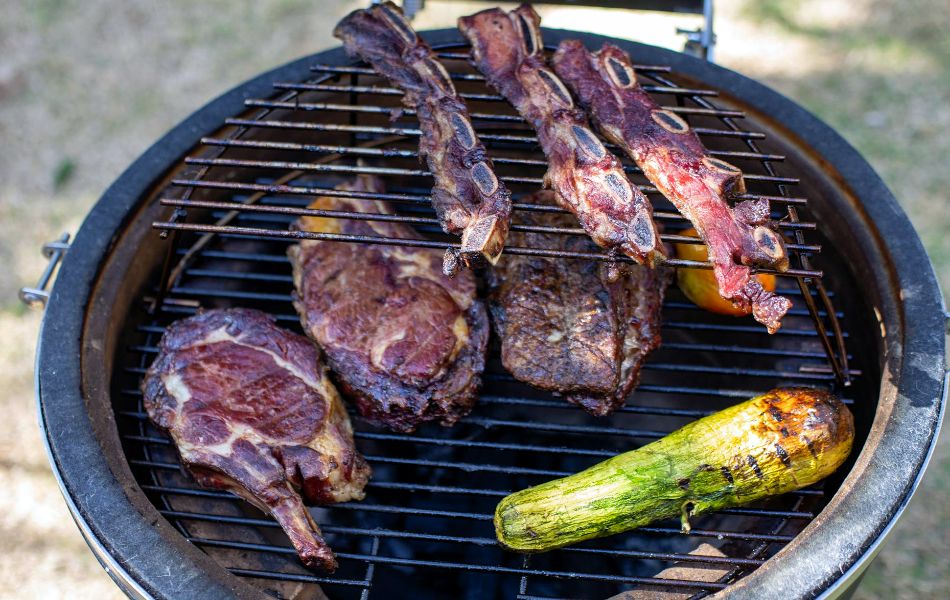
- Pat the Meat Dry: Before anything else, pat your meat dry with paper towels. This step helps you get a nice, crispy sear, which locks in flavor.
- Season Generously: Don’t be shy with your seasoning! A good coat of salt and pepper is essential, and feel free to add herbs like thyme, rosemary, or garlic to kick things up a notch.
- Trim Excess Fat: While some fat adds flavor, too much can leave your dish greasy. Trim off any large pieces of excess fat, but leave some for richness.
The Magic of Browning: Searing for Flavor
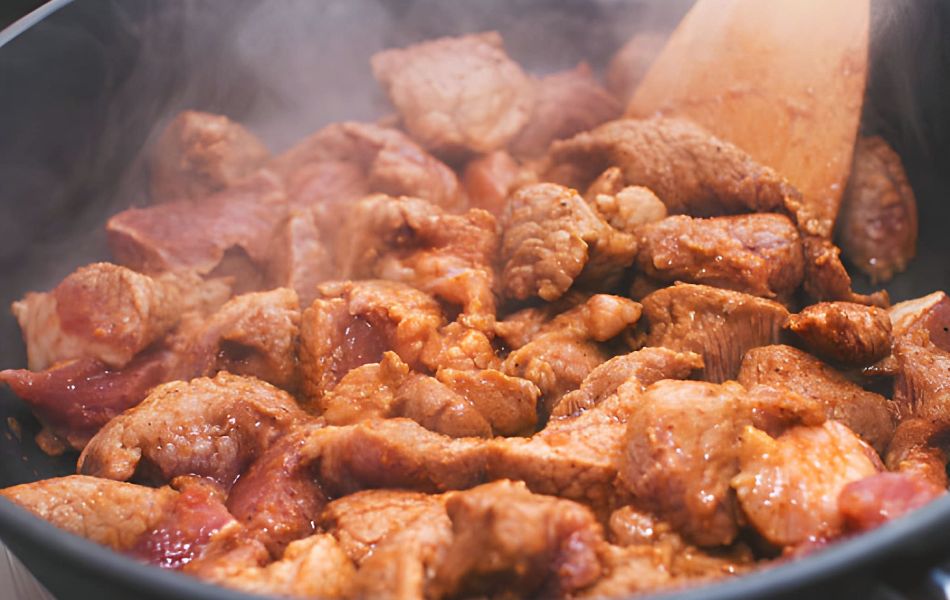
This step might take a few extra minutes, but trust me, it’s worth it. Searing your meat before slow cooking adds a layer of rich, savory flavor that takes your dish from good to great.
Here’s what I do: heat a bit of oil in a skillet over medium-high heat. Sear the meat on all sides until it’s beautifully browned. Those browned bits left in the pan? They’re pure flavor gold. Scrape them up and add them to the slow cooker, they’ll infuse your dish with depth and complexity.
Slow-Cooking Tips for Maximum Flavor
- Temperature & Time: Most slow cookers have a low and high setting. For tender, juicy meat, cook on low. Low heat (around 190-200°F) over 8 to 10 hours will break down tough fibers and produce the most flavorful results. If you’re in a hurry, the high setting (around 300°F) works, but the meat won’t be as melt-in-your-mouth tender.
- Liquid: You don’t need to drown the meat in liquid. Just enough to cover the bottom of the slow cooker will do. Too much liquid can wash away the flavors you’ve worked so hard to build. Use broth, wine, or even water, the liquid will create steam and help tenderize the meat.
- Don’t Overcrowd the Pot: If your slow cooker is too full, the heat won’t circulate properly, and your meat won’t cook evenly. Aim to fill the pot no more than two-thirds full for the best results.
- Let it Rest: Once your meat is done, let it rest for about 10 minutes before slicing or shredding.
Flavor Boosters: Adding Layers of Taste
- Add Acidity: A touch of vinegar or lemon juice at the end of cooking can brighten the rich flavors of slow-cooked meat. Don’t skip it, the acidity balances the richness beautifully.
- Herbs and Spices: Fresh herbs like thyme or rosemary are perfect for slow-cooking. Incorporate them near the end of the cooking process to maintain their vibrant taste. You can also experiment with spices like smoked paprika or cumin for a unique twist.
- Sweeten the Deal: A spoonful of honey, brown sugar, or maple syrup can add a lovely touch of sweetness to balance the savory richness, especially in pork or beef dishes.
Common Mistakes to Avoid
Even seasoned cooks can make mistakes. I have certainly had my share of kitchen fails. Here are a few common pitfalls to watch for when you prepare your meal.
Overfilling the Slow Cooker
It is tempting to pack your slow cooker to the brim. A slow cooker needs space for heat to circulate properly. If overloaded, your dish might not cook uniformly. As a rule, fill your slow cooker no more than two-thirds full.
Adding Too Much Liquid
The lid of a slow cooker traps moisture. Very little liquid evaporates during cooking. If you add too much, you will end up with a watery, diluted sauce. Meat and veggies will release their natural juices during cooking. Begin with a smaller amount of liquid than you might initially expect.
Peeking Too Often
I know it is tempting to lift the lid and check on your creation. But every time you do, heat and moisture escape. This can increase the cooking time. Trust your slow cooker. Let it do its job without interruption.
Forgetting to Thicken the Sauce
Sometimes, the braising liquid can be a bit thin at the end. To create a richer sauce, you can thicken it. Remove the meat and keep it warm. Pour the remaining liquid into a saucepan. Bring it to a simmer on the stove. Allow it to simmer down, or prepare a slurry by mixing a tablespoon of cornstarch with cold water. Stir the slurry into the bubbling sauce until it reaches the desired thickness.
Serving Suggestions to Elevate Your Meal
Slow-cooked meats are versatile, and there are plenty of ways to serve them. Here are a few ideas:
- Over Rice or Mashed Potatoes: The rich juices from the slow-cooked meat soak into rice or mashed potatoes, making for a satisfying, comforting meal.
- Shred for Tacos or Sandwiches: Slow-cooked meat is perfect for shredding. Toss it in tacos, sandwiches, or even salads for a delicious meal.
- Pair with Roasted Veggies: The sweetness of roasted vegetables like carrots or potatoes pairs wonderfully with the savory, tender meat.
See Also – How to Cook Perfect Beef Tips: Easy and Delicious Recipes
Final Thoughts: Slow-Cooking Made Easy
With these tips, you’re well on your way to creating tender, flavorful slow-cooked meats every time. Whether you’re cooking for a family dinner or prepping for the week, slow-cooking is a stress-free way to achieve mouthwatering results. So, fire up your slow cooker, grab your favorite cut of meat, and get cooking!