Best Substitute for Instant Yeast: Easy Baking Swaps
You warm the milk, measure the flour, and reach for the yeast jar. Then you shake it and hear nothing. The jar sits empty, and your baking plans stall. Take a breath, because your bake is safe.
Your pantry holds more backup than you think. In this guide, you get six reliable swaps and exact ratios. You also get tips on when each one shines. Let me share my favorite kitchen secrets with you.
What Instant Yeast Does
Instant yeast is a tiny living helper in your dough. It feeds on sugar and releases gas. The gas puffs your dough and gives bread its soft, airy texture.
Instant yeast works fast because you mix it straight into dry ingredients. No soaking needed. When you swap it out, you want a rise close to the original. Each option below brings its own charm to your kitchen.
Active Dry Yeast: The Closest Friend
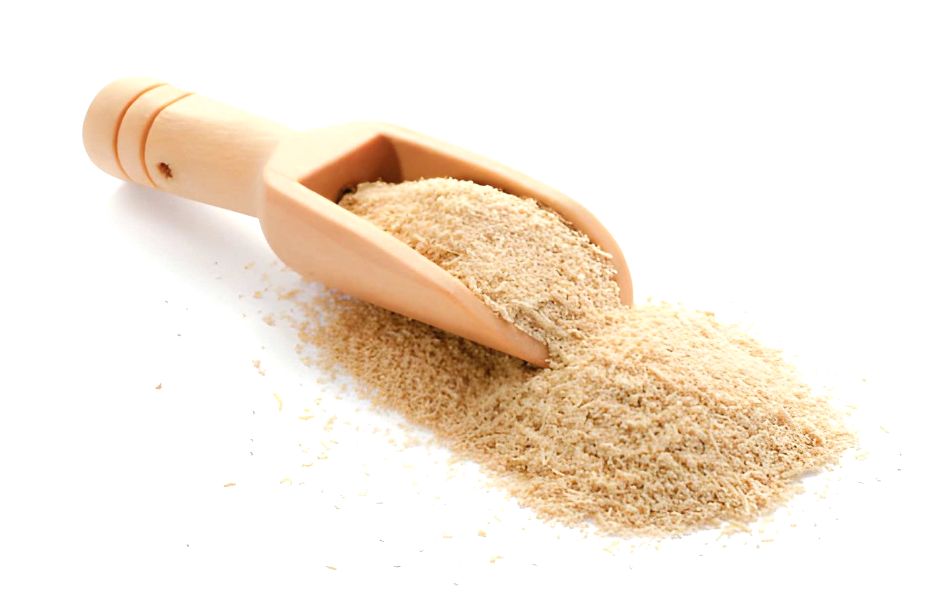
Your top substitute for instant yeast is active dry yeast. The two are cousins, so your results stay close to the original. Both feed on sugars and release gas. Small bubbles stretch the dough, much like air filling a balloon.
The main difference is speed. Active dry yeast has larger grains and wakes up slower. It needs a warm bath before you mix. I keep both types in my freezer, and active dry has rescued many weekend pizzas.
How to Use It
Use a 1 to 1.25 ratio for the closest match. So for every teaspoon of instant yeast, use 1.25 teaspoons of active dry. Dissolve it in warm water, around 105°F to 110°F, with a pinch of sugar.
I always proof my active dry yeast first. After five minutes, look for foam on top. No foam means the yeast is dead, and your bread will not rise. This small step has saved me from many flat, sad loaves.
Take the proofing liquid from the water your recipe lists. Extra water leaves dough sticky and hard to shape. Then add the foamy mix with your wet ingredients. Give the dough 15 to 20 extra minutes during the first rise.
Fresh Yeast: The Baker’s Classic
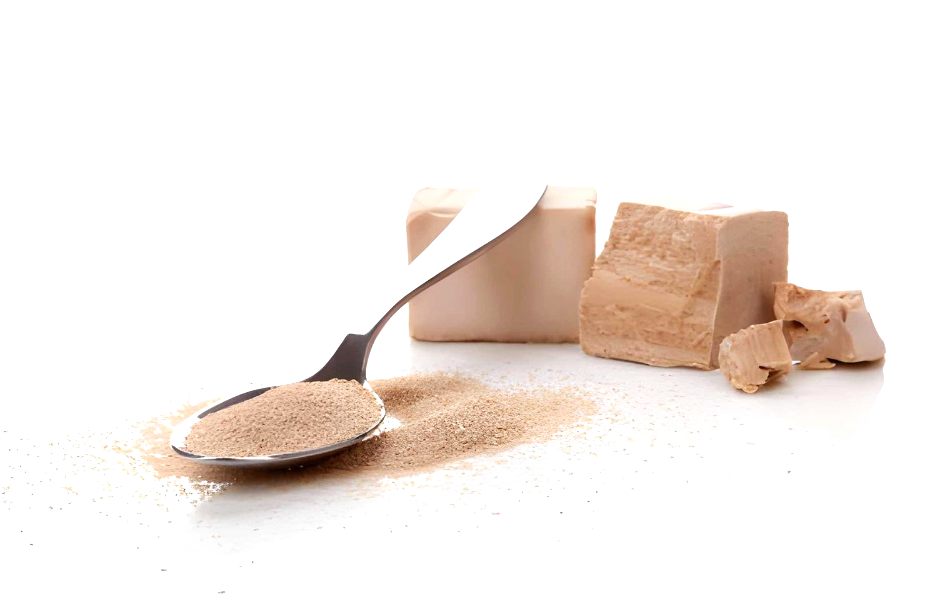
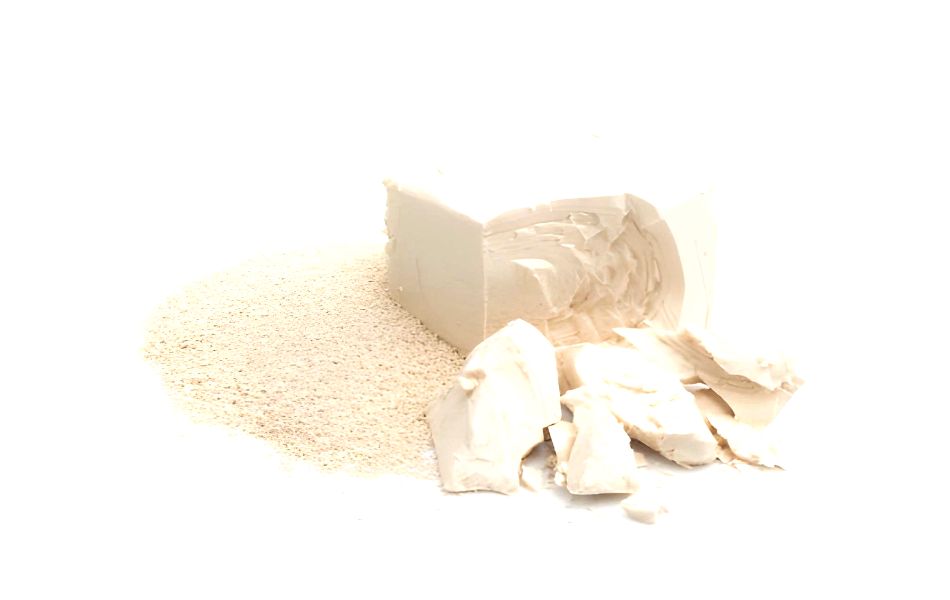
Fresh yeast, sometimes called cake yeast, feels like a treat. Old-school bakers love its clean flavor and steady lift. You find it in the fridge section, soft and crumbly like a block of clay. Home stores stock it less often, so use a block soon.
How to Use It
Fresh yeast is stronger by weight, so you need more. Use about 2 grams of fresh yeast per 1 gram of instant. Seven grams of instant yeast equals roughly 21 grams of fresh.
Crumble it into lukewarm liquid before mixing. Keep the liquid mild rather than hot. Give it a sniff before baking, since fresh yeast should smell sweet and earthy. A pale cream color signals good quality too.
Sourdough Starter: The Slow, Healthful Hero
A bubbly sourdough starter is my quiet pride and joy. This natural culture uses wild yeast and friendly bacteria to raise your dough. Sourdough brings a tangy depth you will not find anywhere else. Its slow ferment also makes bread easier to digest for many people.
If you love clean, simple ingredients, this swap fits right in. You know exactly what goes into your loaf, and nothing extra hides inside.
How to Use It
Use about 1 cup of active starter to replace one packet of instant yeast. Since starter holds flour and water, adjust your recipe. Remove about 3/4 cup flour and 1/2 cup water to balance the moisture.
Patience matters here. Sourdough rises slowly, often over 4 to 12 hours. I mix my dough at night and let time work while I sleep. You wake to dough ready for the oven, and nothing beats that.
Baking Powder: The Quick Rescue
No time to wait? Baking powder steps in for fast bakes. It skips the rising game and puffs your dough through a chemical reaction. Gas bubbles form when you add liquid, then expand in the hot oven.
Baking powder works best for quick breads, muffins, and pancakes. It will not give you a chewy, stretchy loaf. But for a speedy fix, it does the job well.
How to Use It
Swap in 1 teaspoon of baking powder per teaspoon of instant yeast. Mix it into your dry ingredients and bake right away. My kids love this trick on lazy weekend mornings when biscuits sound perfect.
Baking Soda Plus Acid: The Pantry Combo
Baking soda needs a partner to work. Pair it with an acid, and you get a bubbly rise. Baking soda is stronger than baking powder, so you use less. Without acid, your bread turns bitter and metallic.
Common acids include lemon juice, buttermilk, yogurt, or vinegar. This combo shines in soda breads and tender scones. I love buttermilk here for a subtle tang and a moist crumb.
How to Use It
Mix 1/4 teaspoon of baking soda with 1/2 teaspoon of acid per teaspoon of instant yeast. Stir it into your batter and bake without delay. The fizz fades fast, so speed helps.
Shape the dough into a rustic round loaf. Slash a deep cross on top. This cross helps the center bake through fully.
Self-Rising Flour: The Ultimate Shortcut
Sometimes you want the fastest path to fresh bread. Self-rising flour is a wonderful shortcut for busy mornings. This flour already holds baking powder and salt. You skip the measuring and get straight to baking.
You make simple three-ingredient biscuits with this flour. Combine 2 cups self-rising flour with 1 cup Greek yogurt and a pinch of salt. Knead gently, shape, then bake at 400°F for twenty minutes. This method works for quick pizza crusts too.
Quick Comparison Table
Keep this chart near your mixing bowl.
| Substitute | Ratio (per 1 tsp instant yeast) | Best For | Notes |
|---|---|---|---|
| Active dry yeast | 1.25 tsp | Bread, rolls, pizza | Proof in warm water first |
| Fresh yeast | 2g per 1g instant | Artisan breads | Use soon after buying |
| Sourdough starter | 1 cup active starter | Rustic loaves | Adjust flour and water |
| Baking powder | 1 tsp | Quick breads, muffins | No proofing needed |
| Baking soda + acid | 1/4 tsp soda + 1/2 tsp acid | Soda bread, scones | Bake right away |
| Self-rising flour | Replaces flour and yeast | Biscuits, flatbread | Skip separate leavener |
Treat this chart as a kitchen map. Room warmth, dough richness, and yeast age affect timing. Your dough gets the final vote.
Common Mistakes to Avoid
Even seasoned home cooks slip up sometimes. Here are the traps I watch out for.
- Water too hot. Anything above 120°F kills your yeast. Warm, not scalding, is the goal.
- Skipping the proof test. Always check active dry yeast for foam first.
- Rushing chemical leaveners too late. Baking powder and soda lose fizz fast, so bake quickly.
- Adding proofing water on top of recipe liquid. Measure from the listed total instead.
- Old yeast. Open jars lose strength, so store dry yeast in the freezer.
A few small tweaks keep your bakes soft and reliable every time.
Best Choice for Pizza Dough
Active dry yeast gives pizza dough the closest match. Use the 1.25 ratio, then allow extra rise time. A slow rise often brings better flavor and a lovely crust.
For same-day pizza, proof the yeast first and keep the bowl warm. Sourdough starter suits overnight pizza with crisp edges and a gentle tang. Baking powder crust works when dinner needs speed. Expect a biscuit-like bite, so roll it thinner.
Best Choice for Bread Machines
Bread machines follow fixed cycles, so they need extra care. Active dry yeast works best on a standard cycle. Skip the quick cycle unless your machine guide approves it.
Follow the ingredient order from your machine maker. Keep yeast away from liquid during delayed starts. Early contact starts fermentation too soon. Watch your first loaf, and reduce yeast if the dome climbs past the pan.
Flavor Secrets for Better Bread
A yeast swap solves the rise, yet flavor still deserves care. Add time before adding more yeast. A slower rise builds richer aroma and a better crust.
I add a pinch of smoked paprika to savory pizza dough. Garlic powder and dried oregano work well too. For soft rolls, brush warm tops with melted butter and flaky salt. For rustic bread, add a pan of hot water for steam.
How to Tell Whether Your Yeast Still Works
Check the date first, then run a foam test. Mix the yeast with warm water and a pinch of sugar. Wait five to ten minutes and watch closely.
Healthy yeast forms a creamy, bubbly cap. Weak foam suggests slow activity. No foam means a new packet gives safer results. Trust your nose too, since healthy yeast smells clean and bready.
Frequently Asked Questions
What replaces instant yeast when I run out?
Active dry yeast gives the closest result for bread, pizza, and rolls. Use the 1.25 ratio and add 15 to 20 minutes.
How much does one packet of instant yeast equal?
One packet holds about 2.25 teaspoons, or roughly 7 grams. Use this number to scale any swap above.
Does the type of yeast change the taste?
Yes, a little. Sourdough adds tang, while fresh yeast tastes clean and mild. Chemical leaveners give a softer, cake-like crumb.
Are any swaps healthier?
Sourdough often wins here. Its slow ferment breaks down starches and feeds friendly gut bacteria.
Can I use expired yeast?
Old yeast loses its punch over time. Test it with the foam trick. If it foams, you are good to go.
See Also – 7 Creative Substitutes for Bread Crumbs (And How to Use Them)
Your Next Bake Awaits
An empty jar no longer ruins your plans. You hold six solid swaps, clear ratios, and my best tips. From active dry yeast to a lively sourdough starter, your pantry has backup.
Pick your substitute for instant yeast and warm up your kitchen. Start with the swap that fits today’s craving. Note your favorite for next time. Your softest, tastiest loaf sits one bake away.