
Find Your Perfect Substitute for Kale
You have a recipe that calls for kale, but your fridge is empty. Maybe you are not its biggest fan, or you just want to try something new. I have been in your shoes many times. Do not worry. Your kitchen likely holds plenty of delicious leafy greens ready to step in.
Finding the right alternative is about knowing what you want from your greens. Do you need something tender for a salad? Or something sturdy that can stand up to heat? We will walk through the best options together. You will see how easy it is to swap a substitute for kale into any dish without losing flavor.
Why Replace Kale?
There are a few reasons you might reach for a different green in place of kale. Its texture is tough, its bitterness is not for everyone, and sometimes you just need something new. Plus, kale isn’t always available at the store, or you might be cooking for someone who prefers a milder flavor. Whether you’re looking for a tender leaf for a salad or a hearty green for a stew, these substitutes will keep your meals vibrant and satisfying.

1. Spinach: Mild, Quick, and Versatile
When you’re in a pinch, spinach is your go-to. With its soft, delicate leaves, spinach offers a mild flavor and a tender texture that works beautifully in everything from smoothies to stir-fries. While kale’s hearty texture can be a bit much for some dishes, spinach wilts down quickly, making it perfect for recipes where you want greens that won’t overpower the other ingredients.
How to Use It:
- Raw: Toss spinach into salads for a mild, tender crunch that doesn’t require massaging like kale.
- Cooked: Add spinach to soups, stews, or pasta dishes. It wilts down in no time, so it’s perfect for quick meals.
- Smoothies: Baby spinach is the ultimate addition to smoothies. It blends easily and has a neutral flavor that lets your fruits shine.
Pro Tip: If you need something closer to kale’s texture for a cooked dish, try sautéing spinach longer or opt for mature spinach for a heartier bite.
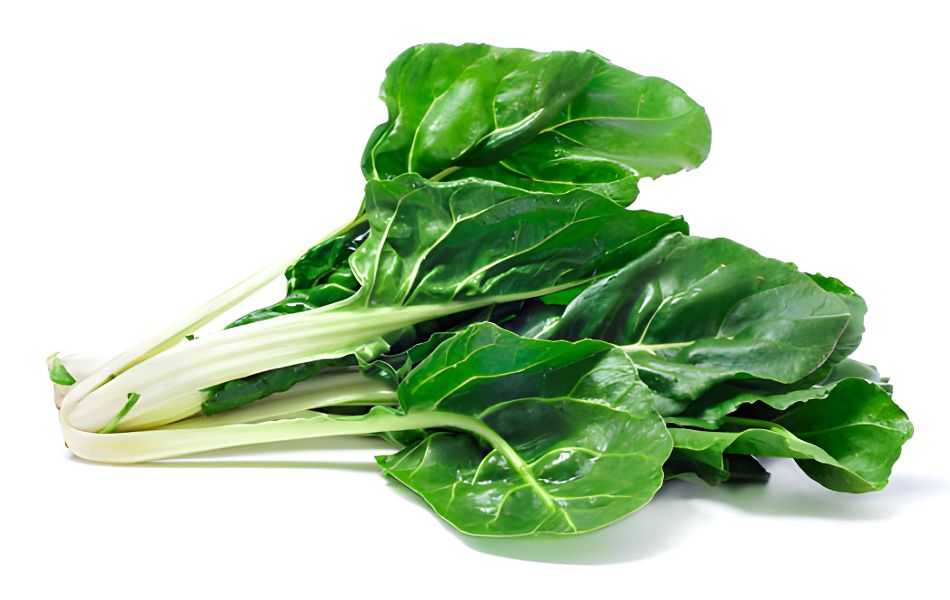
2. Swiss Chard: Colorful and Earthy
Swiss chard isn’t just beautiful, it’s also a fantastic substitute for kale. Its vibrant stems and tender leaves bring both color and flavor to the table. Swiss chard has a slightly sweeter, less bitter taste than kale, but it still offers that earthy depth that makes kale such a crowd-pleaser.
How to Use It:
- Sauté: Chop the stems and sauté them with garlic, then add the leaves for a quick, flavorful dish.
- Soups and Stews: Like kale, chard can stand up to slow cooking without losing its integrity, making it perfect for soups or braises.
- Raw: Young Swiss chard leaves can be used raw in salads for a milder bite.
Pro Tip: A squeeze of lemon juice brings out Swiss chard’s natural sweetness, especially in soups or stews.
3. Collard Greens: Hearty and Sturdy
Collard greens are your go-to when you need a green that can hold its own in long, slow cooking. Their thick, sturdy leaves are perfect for soups, stews, and braises, and they offer a slightly bitter flavor similar to kale’s, but with a more mellow bite.
How to Use It:
- Long Cooking: Simmer collard greens in broths or stews. They absorb all the flavors of the dish, becoming tender and rich.
- Sauté: Collards can be sautéed with garlic, onions, and a splash of vinegar for a simple side dish.
- Raw: If you’re using collard greens in a salad, massage them with olive oil and salt to soften their tough texture.
Pro Tip: To speed up the cooking process, blanch the collard greens briefly before adding them to your dish. It helps tenderize the leaves without losing flavor.
4. Mustard Greens: Bold and Peppery
For a bit of spice, mustard greens bring a zesty, peppery punch that kale’s earthy flavor doesn’t match. If you’re craving a bold twist in your dish, mustard greens will deliver that extra bite.
How to Use It:
- Sauté: Mustard greens are perfect in stir-fries or sautéed with garlic and chili flakes for a fiery side dish.
- Salads: Use mustard greens raw in salads for a peppery kick. Just don’t use too many, as their bold flavor can overpower milder greens.
- Soups: Add them to soups where their peppery bite can balance out richer, more mellow ingredients.
Pro Tip: If mustard greens feel too spicy, sauté them with bacon or pancetta to mellow out the heat and add a savory richness.
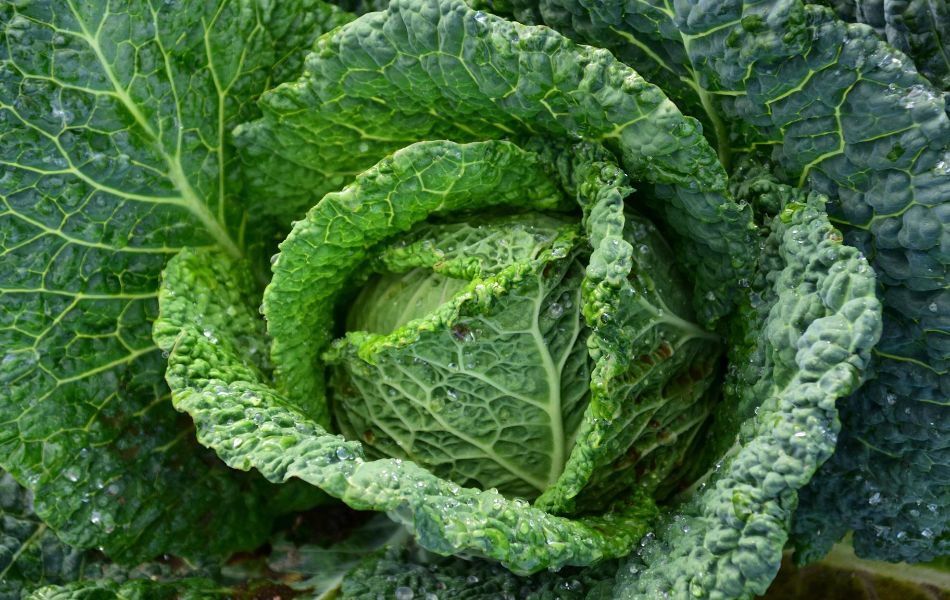
5. Cabbage: Crunchy and Mild
Cabbage might not be your first thought when replacing kale, but it’s a great budget-friendly alternative. It holds up well in cooking and offers a satisfying crunch that works wonders in stir-fries, soups, and roasted dishes.
How to Use It:
- Sauté or Roast: Shred cabbage and sauté it in olive oil or roast it until crispy for a simple side dish.
- Soups: Add cabbage to soups or stews in place of kale for a hearty, mildly sweet crunch.
- Salads: Thinly slice cabbage for slaws or salads to give them a satisfying crunch.
Pro Tip: Roasting cabbage with garlic and olive oil brings out its natural sweetness and gives it a caramelized flavor that’s a great alternative to kale chips.
Tips for Successful Swaps
Switching greens in a recipe is simple. You just need to keep a few things in mind.
Adjusting Cooking Times
The most important factor is texture. Sturdy greens like collards need more cooking time to become tender. Tender greens like spinach cook in just a minute or two. When making a swap, think about the leaf’s toughness and adjust your timing.
Balancing Flavors
Consider the flavor profile of your chosen green. If you are using something bold like mustard greens, you might want to use less of it. If you are using mild spinach, you might add extra herbs or spices. A squeeze of lemon juice at the end can brighten up any cooked green.
Preparing Your Greens
No matter which green you choose, always wash it thoroughly to remove any grit. For greens with tough stems like collards and chard, be sure to remove them before chopping. Patting your greens dry after washing also helps them cook more evenly, especially in sautés. For raw salads, massaging tougher greens like collards with olive oil and salt makes a huge difference.
See Also – Cabbage Substitutes: Discovering the Best Alternatives for Your Recipes
Finding a great substitute for kale opens up a new set of possibilities in your kitchen. You can tailor any recipe to your taste and what you have on hand. Go ahead and experiment. You might just find your new favorite green.