Flavorful Substitutes for Garlic You Need Now
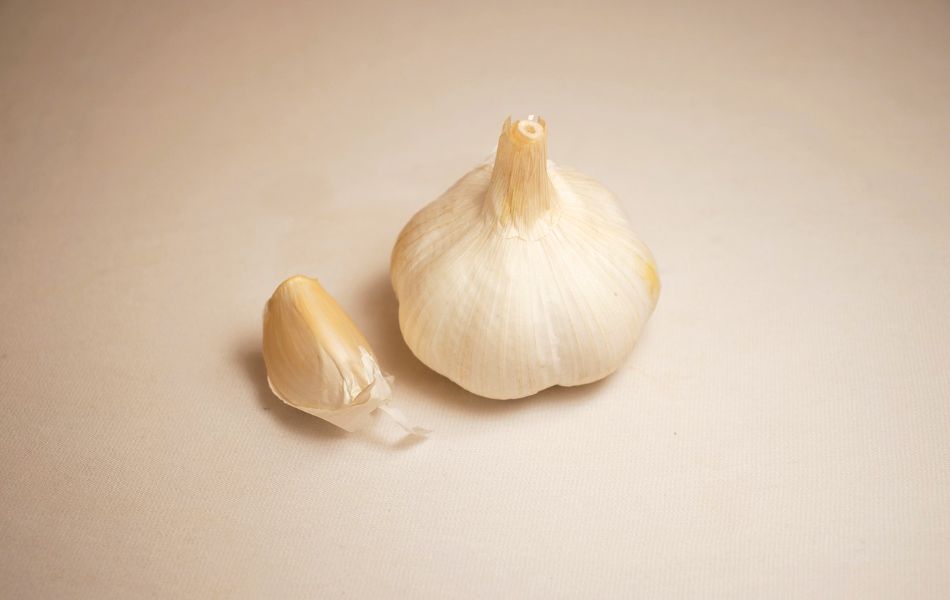
We have all been there. You are halfway through prepping a meal. The onions are sizzling, and you reach for the garlic. But the bulb is empty. Maybe you forgot to grab it at the store. What do you do? Do not panic. The heart of your dish does not need to be lost.
Running out of garlic is a common kitchen problem. It feels like a big setback. After all, garlic adds a unique, pungent flavor that is hard to replace. But I am here to share a secret. Your pantry is likely full of amazing alternatives. This guide will walk you through the best options, so your meal is still a flavor superstar.
The Best All-Around Replacements for Garlic
When you need a quick and easy fix, these options work well in most recipes. They provide a similar savory depth without much fuss. Think of these as your go-to choices for almost any dish.
1. Garlic Powder
Garlic powder is my number one hero in a pinch. It is simply dehydrated garlic ground into a fine powder. This makes it a concentrated source of that classic garlic taste. I always keep a big shaker of it on hand for emergencies.
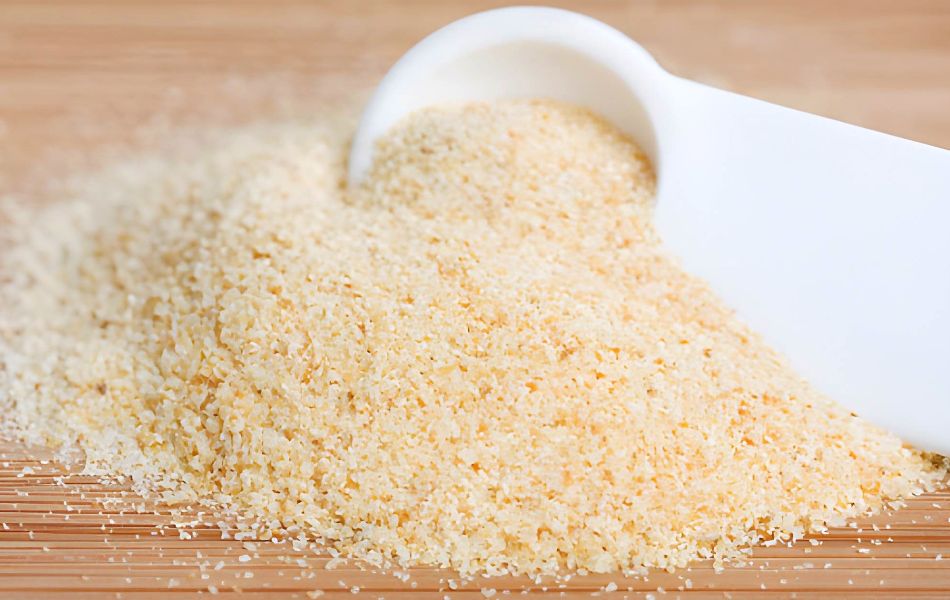
The key is getting the ratio right. Garlic powder is more potent than fresh cloves. A good rule of thumb is to use 1/4 teaspoon of garlic powder for every one clove. Sprinkle it in with your other dry spices to help it distribute evenly. I once added it too late to a sauce, and it clumped. Mix it in early for the best results.
2. Garlic Granules
Garlic granules are the cousin of garlic powder. They are also dehydrated garlic, but the texture is coarser. This small difference changes how they behave in your cooking. Granules are less likely to clump, which makes them great for spice rubs.
I find that granules have a slightly less intense flavor. Use about 1/2 teaspoon of granules for each clove of garlic. Because they are larger, they rehydrate well in liquids. This makes them a great addition to broths or pasta sauces.
3. Garlic Salt
Garlic salt is another handy pantry staple. It is a mix of garlic powder and salt. This is an important detail. When you use garlic salt, you need to reduce the other salt in your recipe. If you do not, your dish might become too salty.
For every clove of garlic, use about 1/2 teaspoon of garlic salt. Then, be sure to cut back on the regular salt your recipe calls for.
When You Need That Pungent Bite
Sometimes, it is not just the flavor you miss. It is that sharp quality that adds a kick to your food. These substitutes for garlic bring a similar zesty punch. They are perfect for dishes where garlic plays a leading role.
1. Shallots
Shallots are my secret weapon for elegant flavor. They look like small, elongated onions with coppery skin. Their taste is a wonderful cross between onion and garlic. They are milder and sweeter than onions, with a delicate garlicky finish.
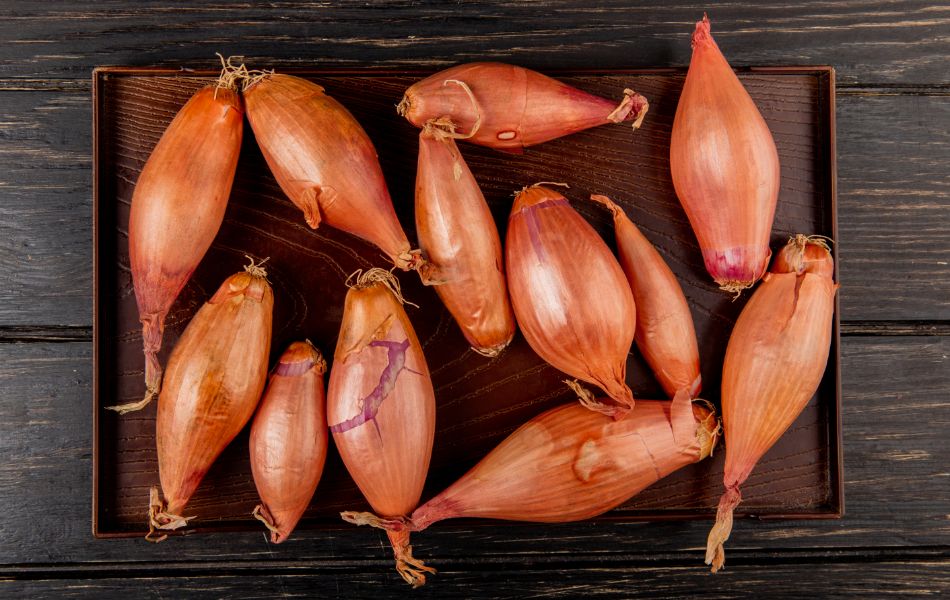
Finely mince them just as you would garlic. I use one small shallot to replace one or two cloves. They are fantastic sautéed at the beginning of a recipe. They build a complex flavor base for sauces, risottos, and stir-fries.
2. Chives
Fresh chives offer a mild, oniony-garlic flavor. Their bright green color also adds a fresh look to your dish. Because their flavor is delicate, chives are best added at the end of cooking. Heat can diminish their taste.
I love to snip fresh chives over scrambled eggs or baked potatoes. Use about one tablespoon of chopped chives for every clove of garlic. This provides a gentle hint of flavor. Dried chives also work, but you will need to use less.
3. Scallions (Green Onions)
Scallions are another fantastic member of the allium family. The white and light green parts at the bottom have a sharp, onion-like taste. The dark green tops are milder and more herbaceous.
To get a garlic-like pungency, use the white and light green parts. Finely chop them and use them in place of garlic. They are wonderful in stir-fries and salsas. Use two to three scallions for every clove of garlic.
Creative and Aromatic Alternatives
These options might not taste exactly like garlic. Instead, they offer their own unique aromatic qualities. They can bring a new and exciting dimension to your cooking.
1. Asafoetida (Hing)
Asafoetida, also known as hing, is a powerful spice used in Indian cooking. In its raw form, it has a very strong smell. But do not let that scare you. When cooked in oil, its aroma transforms into a mellow, savory flavor.
A tiny pinch is all you need. Sauté a small amount in oil for a few seconds before adding other ingredients. This releases its flavor. It is a wonderful substitute for people with allium allergies.
2. Ginger
Ginger and garlic are a classic pairing in many Asian cuisines. Ginger can also stand on its own as a substitute. It has a warm, spicy, and pungent flavor. It will not taste like garlic, but it will add a wonderful aromatic kick.
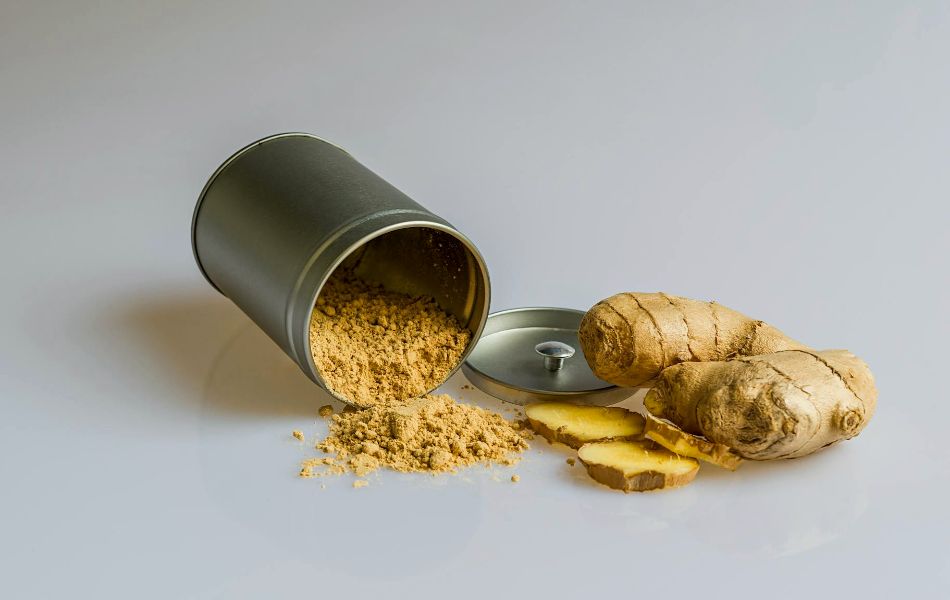
Use an equal amount of freshly grated ginger in place of minced garlic. It works especially well in stir-fries, curries, and marinades. The fresh, zesty flavor of ginger can brighten up a dish in a delightful way.
3. Cumin
Cumin has a warm, earthy, and slightly smoky flavor. It adds a savory depth that can help fill the void left by garlic. Toast whole cumin seeds in a dry pan for a minute before grinding them to enhance their flavor.
Use about 1/2 teaspoon of ground cumin for every clove of garlic. It pairs well with other spices. It adds a lovely warmth to chilis, tacos, and roasted vegetables. It is a different kind of flavor, but a delicious one.
Flavor Balance Tips for Cooking Without Garlic
- Layer Flavors: Garlic adds both depth and aroma. When swapping, think about adding other strong flavor elements like onions, shallots, or fresh herbs to maintain balance.
- Taste as You Go: Always sample your dish and adjust the seasoning. This helps ensure you’ve achieved the right flavor profile.
- Fresh Herbs: Herbs like thyme, rosemary, or basil can enrich your dish further, especially when garlic is missing.
See Also – 10 Irresistible Substitutes for Chili Powder You Need to Try
Embracing Flavorful Flexibility
Running out of an ingredient doesn’t have to turn into a crisis. It can be an opportunity to experiment. Some of my best dishes were born from happy accidents and forced substitutions. Being a good cook is about understanding flavors and knowing how to adapt.
The next time you find your garlic bulb empty, take a breath. Look through your pantry and your fridge. Think about the flavors you have available. Each substitute offers a chance to learn something new about cooking. You might even find a new favorite flavor combination.