Is Halal Food Healthy? The Surprising Truth About What’s on Your Plate
You’ve probably seen the word “halal” on food labels before and wondered if it’s just a religious term or if it’s something more. Is halal food healthy? It’s a question worth exploring, especially when you’re making decisions about what’s best for your health and your family. Let’s dive into this together, like we’re chatting over a warm cup of tea. By the end, you’ll see halal food in a whole new light.
What Does Halal Really Mean?
Before we talk about health, we should understand the term “halal.” The word is Arabic and simply means “permissible.” In Islam, it refers to anything allowed by religious law. The opposite of halal is “haram,” which means “forbidden.” When it comes to food, these guidelines are quite specific.
The Source of the Food
Certain foods are not permissible. Pork and its byproducts are the most well-known haram foods. This restriction also includes carnivorous animals and birds of prey. Blood and alcohol are also strictly forbidden. On the other hand, all fruits, vegetables, and grains are naturally halal. Seafood is generally considered permissible as well.
The Halal Slaughter Process: Why It Matters
One of the standout features of halal food is the method of slaughter, called Dhabihah. To meet halal standards, an animal must be slaughtered with a swift, humane cut to the throat, followed by a complete drainage of blood. Why is this important? Blood is a breeding ground for bacteria, and by removing it, the meat is less likely to spoil or harbor harmful microorganisms. This thorough, hygienic process helps ensure the meat is fresher and cleaner, potentially reducing the risk of foodborne illness.
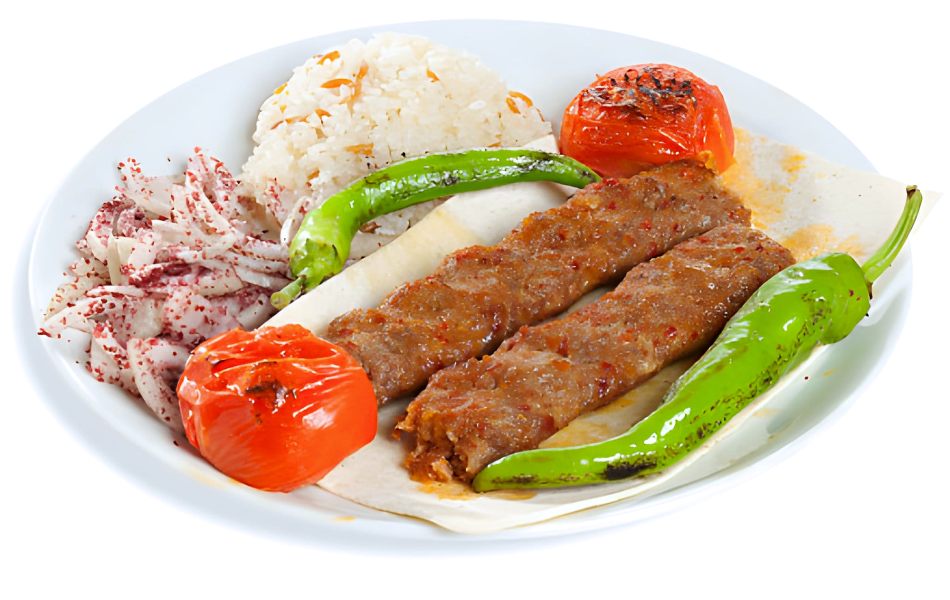
But there’s more to it. The emphasis on cleanliness extends beyond the slaughter itself. Halal processing facilities maintain high hygiene standards, reducing cross-contamination with non-halal products. So, when you choose halal meat, you can have extra peace of mind knowing it was handled with care.
Leaner, Higher-Quality Meat
Halal meat tends to be leaner compared to conventionally raised meat. This is because halal butchers avoid excessive fat in the cuts, which results in meat that’s lower in saturated fats. Additionally, halal practices often mean animals are raised without hormones or antibiotics, leading to healthier, cleaner meat. Not only does this help with the ethical treatment of animals, but it also means that you’re getting high-quality protein that’s rich in nutrients like iron, zinc, and omega-3s.
Some studies even suggest that halal meat can have a healthier fat profile, supporting cardiovascular health by having lower levels of harmful fats.
The Role of Spices in Halal Cooking
One of the secrets behind the vibrant, mouthwatering flavors of halal food is the generous use of spices. But did you know these spices offer health benefits too?
- Turmeric: Known for its anti-inflammatory properties, turmeric can help fight chronic diseases.
- Cumin: Great for digestion and immune support.
- Cinnamon: A natural anti-inflammatory that helps regulate blood sugar.
These spices not only elevate the taste of your meals but also bring additional health perks to the table.
Connecting Halal Principles to Health
Now, let’s return to our main question. The principles behind halal practices often overlap with modern ideas about healthy and ethical eating. Let’s break down how.
Superior Cleanliness and Hygiene
The halal process places a strong focus on cleanliness. The requirement to drain all blood from the meat is a perfect example. From a scientific view, blood is a medium where microorganisms grow quickly. Removing it may reduce the risk of foodborne illnesses.
This focus extends beyond the slaughter itself. Halal certification bodies often have strict rules for the entire production chain. They inspect processing plants to ensure they meet high standards of hygiene. This gives you extra confidence in the quality of your food.
Humane Treatment of Animals
Halal guidelines also require that animals are treated well throughout their lives. They should have access to clean water, sufficient food, and open space. An animal that is sick or has been injured is not suitable for halal slaughter.
This ethical treatment has potential health benefits. When an animal is stressed, its body releases hormones that affect meat quality. A calm, healthy animal generally produces more tender, higher-quality meat. Choosing halal supports a system that values animal welfare.
Does Halal Equal Organic?
This is a common point of confusion. The terms “halal,” “organic,” and “free-range” are not the same. They refer to different standards.
- Halal: Focuses on the type of animal and method of slaughter.
- Organic: Refers to farming methods without synthetic hormones or routine antibiotics.
- Free-Range: Relates to the animal’s living conditions and outdoor access.
A product can be halal without being organic or free-range. However, many Muslims now seek out meat that is both halal and “Tayyib.” Tayyib is an Arabic word meaning “good” or “wholesome.” This combination represents a holistic approach to healthy and ethical eating.
The Nutritional Value of Halal Choices
Halal certification itself does not change the nutritional profile of a food. A halal donut is still a donut. The healthiness of a halal diet depends on your food choices. A diet rich in halal fruits, vegetables, lean proteins, and whole grains will be healthy.
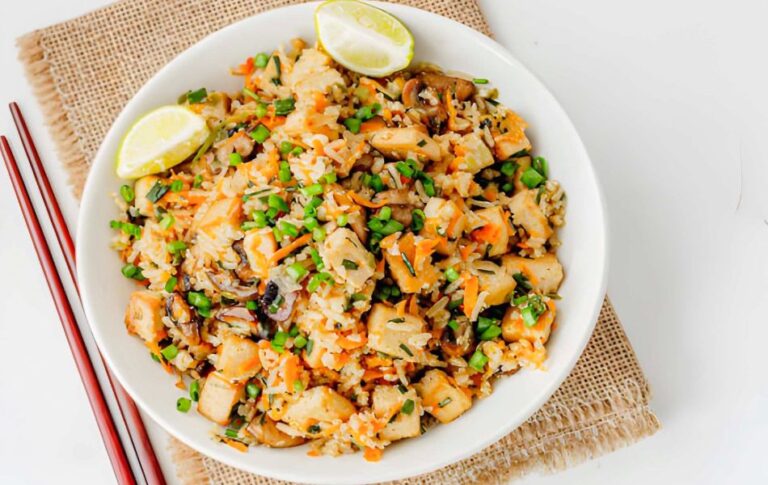
I love to make a simple chicken and vegetable stir-fry. I use halal chicken breast, which I know is clean and pure. Then I load it up with broccoli, bell peppers, and snap peas. It’s a perfect example of using halal ingredients to create a truly healthy and delicious meal.
How to Make Your Halal Meals Even Healthier
You can easily elevate your halal meals with these simple tips:
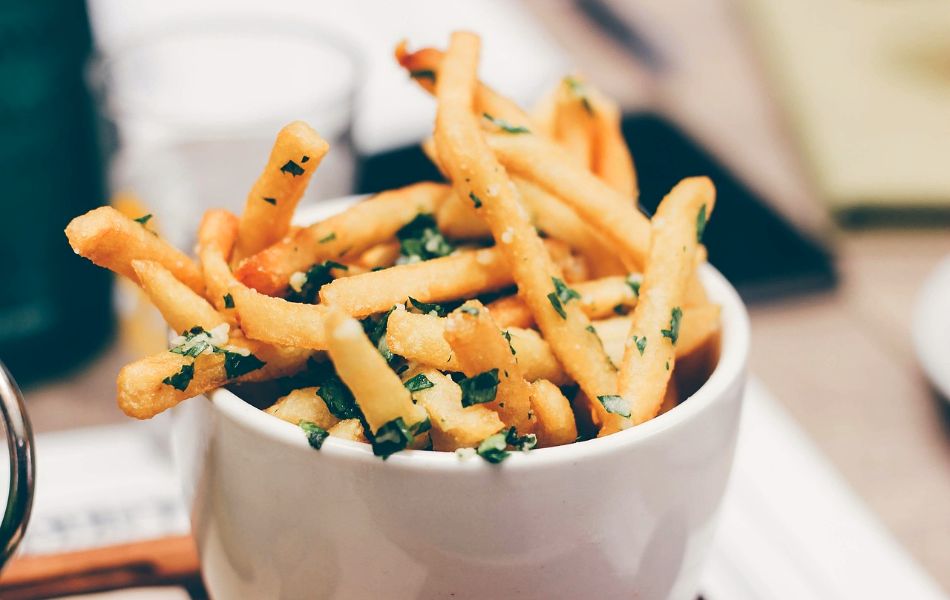
- Go for Grilled, Baked, or Steamed Options: Instead of frying, opt for grilling or baking to keep the flavors intact while avoiding extra oils and fats.
- Incorporate More Vegetables: Halal dishes often include hearty vegetables, so take advantage of that! Try dishes like veggie-packed couscous or lentil stew.
- Switch to Whole Grains: Many halal dishes use grains like rice or couscous. To get more fiber and nutrients, swap them for whole grains like quinoa or brown rice.
- Limit Sauces and Sugary Add-ins: Sauces can be loaded with sugar and fat. Opt for homemade sauces with healthier ingredients to keep your meal lighter.
The Healthier Halal Alternative
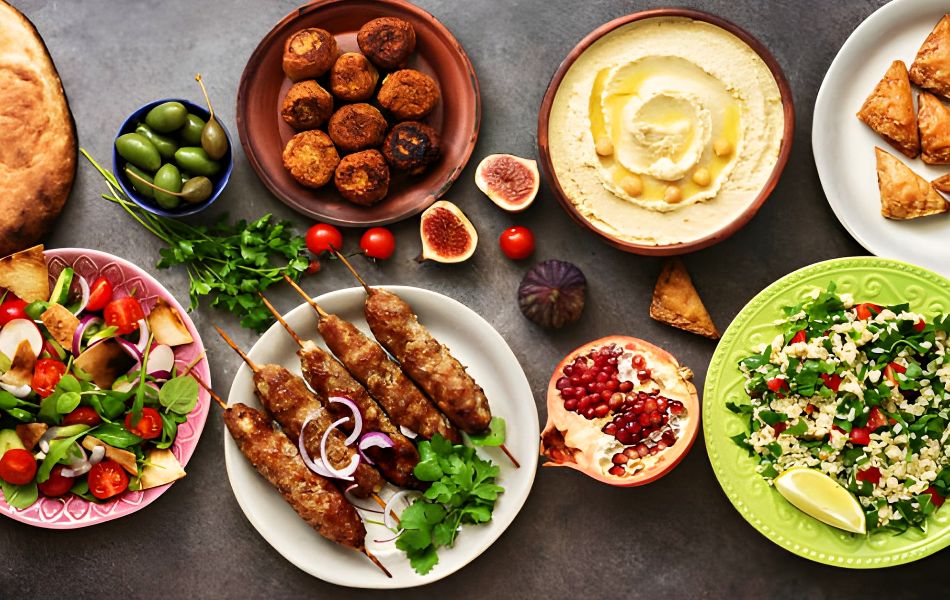
Halal eating naturally steers you toward wholesome, nutrient-dense foods. Many halal dishes, like grilled chicken shawarma, chicken kebabs, lentil soup, and falafel, are packed with flavor and nutrition. These dishes are not only tasty but also versatile and easy to prepare at home. A little creativity in the kitchen, like making your own marinades or using fresh, seasonal ingredients can turn a simple halal meal into a health-boosting masterpiece.
The Bottom Line: Is Halal Food Healthy?
Yes! Halal food is a nutritious choice, especially when you embrace its principles of cleanliness, ethical sourcing, and fresh ingredients. Halal practices encourage a balanced diet by promoting lean meats, fresh produce, and whole grains. Plus, with an emphasis on animal welfare, halal eating aligns with values of compassion and sustainability.
So, the next time you’re deciding what to make for dinner, consider halal food. Whether you’re grilling a lean cut of chicken, whipping up a veggie-packed stew, or tossing together a fresh salad, halal food offers an easy way to eat clean, flavorful, and healthy meals.
See Also – Top Foods for Healthy Lungs and Improved Breathing
Quick Tips for a Healthy Halal Kitchen
- Focus on whole foods like vegetables, fruits, legumes, and whole grains.
- Choose lean meats such as chicken breast or lean beef.
- Use spices creatively to add flavor without extra calories.
- Read labels carefully when buying processed halal foods to avoid hidden sugars, fats, and sodium.
Halal eating offers a simple, wholesome framework for nourishing your body while supporting ethical food practices. It’s a way of cooking and eating that makes you feel good about what’s on your plate, inside and out.