Simple Cooking Tips for Healthier Casserole Dishes
I love a good casserole. It’s the ultimate comfort food. A warm, bubbly dish straight from the oven can feel like a big hug on a plate. For years, I thought casseroles needed heavy creams and tons of cheese to be delicious. I was wrong. I discovered you can make them satisfying and good for you with a few simple swaps and tricks.
If you enjoy experimenting in the kitchen, you will love these ideas. We are going to lighten up our favorite bakes without losing any of the flavor. These cooking tips will help you create healthier casserole dishes and transform your one-pan meals. Get ready to feel great about your comfort food.
Lean Protein Makes a Big Difference
Protein is essential in any casserole, but not all proteins are created equal. Instead of using fatty ground beef or sausage, opt for leaner alternatives that still pack plenty of flavor.
- Ground turkey or chicken: These are lean and still offer that hearty texture.
- Chicken breast: Diced or shredded, it adds protein without excess fat.
- Beans and lentils: If you’re looking to go plant-based, these are fantastic options. Not only do they bring protein, but they also add fiber, which helps keep you full longer.
By choosing leaner proteins, your casserole feels lighter while still being just as satisfying.
Veggies Are Your Best Friend
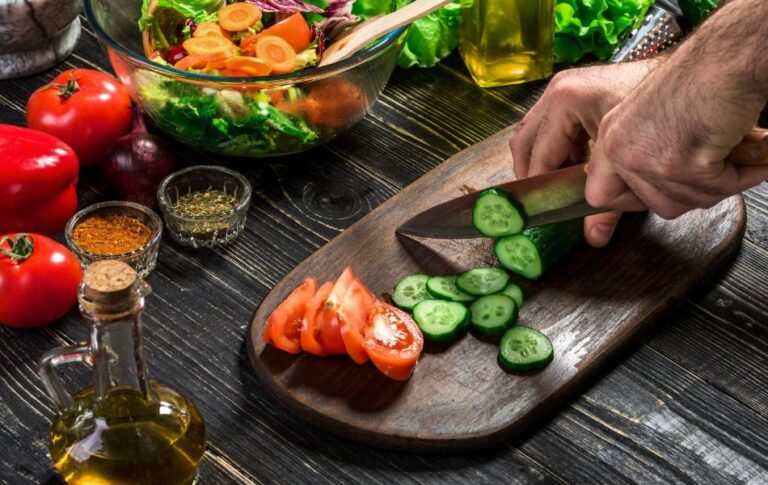
When it comes to casseroles, vegetables aren’t just an afterthought, they’re the secret to boosting both nutrition and flavor. Load up your casserole with vibrant, nutrient-packed veggies to cut down on calories while making the dish even more delicious.
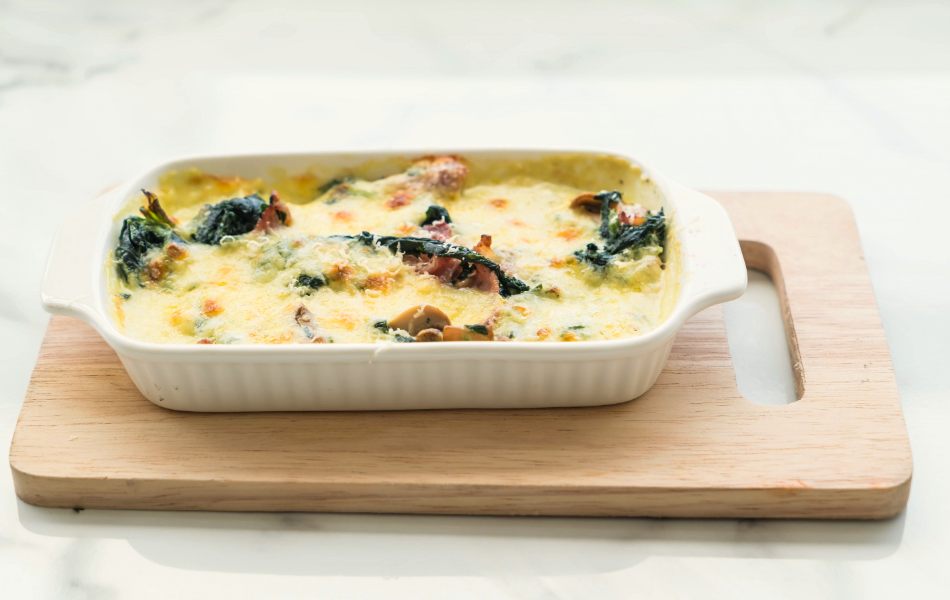
- Cauliflower and sweet potatoes: These can replace starchy ingredients like pasta or potatoes, while still keeping the casserole hearty.
- Mushrooms: They provide a meaty, earthy flavor and work wonderfully in meaty casseroles.
- Spinach, zucchini, bell peppers, and carrots: These vegetables blend seamlessly into casseroles, adding flavor without overpowering other ingredients.
The best part? You can sneak in extra servings of greens without anyone noticing. And don’t forget to roast your veggies before adding them to the casserole. This brings out their natural sweetness and deepens the flavor.
Swap the Cream for Healthier Alternatives
Creamy casseroles are a crowd favorite, but traditional heavy cream and sour cream can add unnecessary fat and calories. Thankfully, there are healthier options that still deliver that smooth, rich texture.
- Greek yogurt: This is my go-to swap for sour cream. It’s creamy, rich in protein, and much lower in fat.
- Low-fat milk or coconut milk (lite): These can replace whole milk or cream, keeping things creamy without the extra calories.
- Pureed vegetables: For an extra creamy texture, try blending cauliflower, sweet potato, or even butternut squash into your sauce. It’s a sneaky way to get more veggies into your dish.
With these swaps, you’ll never miss the heavy cream but you’ll still get that satisfying creaminess that makes casseroles so comforting.
Lighten Up the Cheese
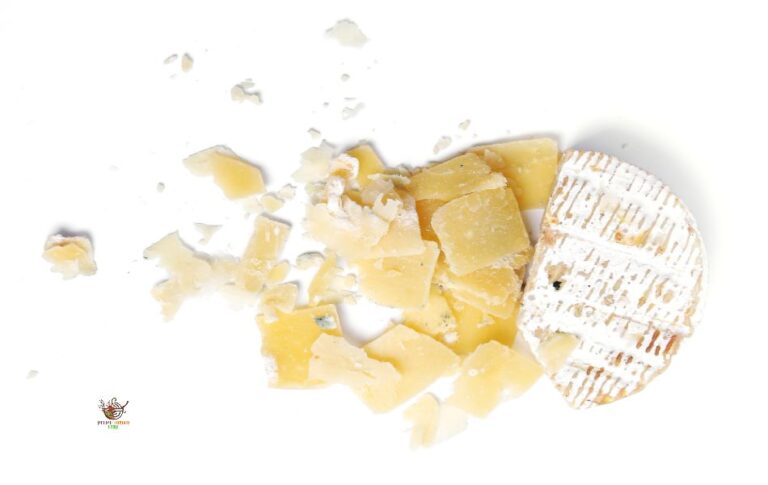
Cheese is a must in casseroles, but it can also be one of the heaviest ingredients. You don’t need to cut cheese out entirely, but you can be smarter about how much you use.

- Use part-skim or reduced-fat cheese: This allows you to enjoy cheese without as much fat.
- Go light on the cheese: Instead of layering on heaps of cheese, sprinkle a little on top for flavor.
- Try cheese alternatives: Nutritional yeast or cashew cheese are great non-dairy options that still bring that cheesy flavor to your casserole.
A little cheese goes a long way, so be mindful of portions, and you can still enjoy the cheesy goodness without the overload.
Whole Grains for Extra Fiber
Many casseroles rely on refined carbs like white pasta or rice, but switching to whole grains gives your dish a much-needed fiber boost, which helps keep you full longer.
- Brown rice, quinoa, or whole-wheat pasta: These whole grains add a nutty flavor and firm texture that holds up beautifully in casseroles.
- Slightly undercook your grains: This trick prevents your grains from getting mushy when baked, and they’ll absorb the sauce nicely.
Whole grains are an easy swap that makes your casserole not only healthier but more filling.
Create Your Own Sauces
Pre-made sauces often come with hidden sugars, salt, and preservatives. Making your own sauces isn’t just healthier, it’s also more flavorful.
- Homemade tomato sauce: Use plain, unsweetened tomato sauce and add your own herbs and spices for a fresher, tastier base.
- Bechamel or white sauce: Swap heavy cream for a simple roux made with olive oil, whole wheat flour, and low-fat milk. It’s creamy and perfect for casseroles.
Making your own sauce means you’re in control of the ingredients and the flavors, and it’s a great way to keep things lighter.
Add a Crunchy, Healthy Topping
A crispy topping can make a casserole irresistible, but traditional toppings like buttery breadcrumbs can add unnecessary calories. Instead, get creative with healthier, crunchy options.
- Whole-wheat breadcrumbs or panko: These are great alternatives to regular breadcrumbs and add a nice crunch.
- Nuts or seeds: Chopped almonds, sunflower seeds, or pumpkin seeds provide healthy fats and texture.
- Ground flaxseeds: These tiny seeds are a nutritional powerhouse and add a pleasant crunch.
I love using a mix of whole-wheat breadcrumbs and ground flaxseeds for a delicious, nutritious topping that enhances the dish without the extra calories.
Flavor Without the Salt
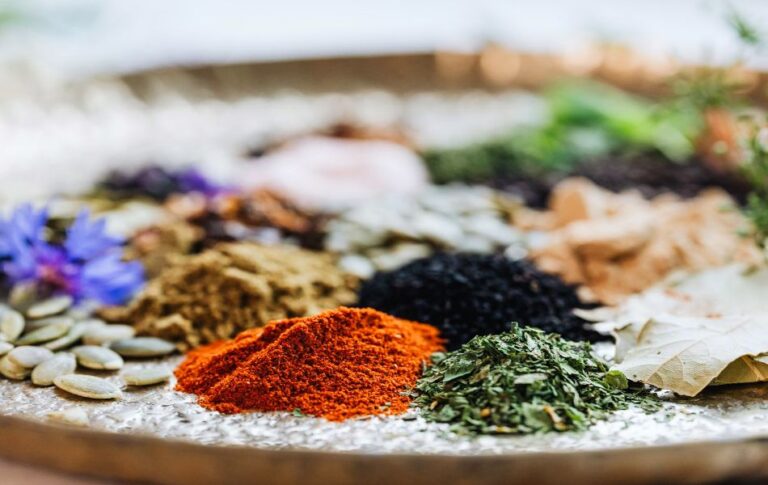
One of the best ways to make your casseroles shine is through seasoning. Instead of relying on salt, herbs and spices are your best friends.
- Fresh herbs: Parsley, basil, thyme, and rosemary bring brightness and freshness to any casserole.
- Spices: A dash of smoked paprika, garlic powder, onion powder, or even a bit of cayenne pepper can add depth without the need for extra salt.
- Citrus: A squeeze of lemon or lime juice just before serving can cut through the richness of the dish, adding a fresh contrast.
Experimenting with herbs and spices is a fun way to bring bold flavors to your casserole, without adding unwanted sodium.
Portion Control and Serving Suggestions
Even with all these healthy swaps, portion control is key. Casseroles can be hearty, so be mindful of serving sizes. Pair your casserole with a simple salad or roasted veggies to balance the meal and add some freshness. And if you have leftovers, they make for perfect lunches the next day!
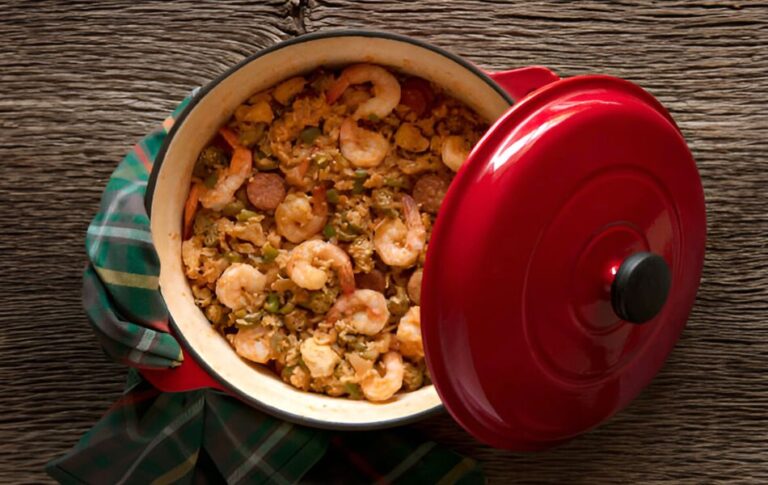
See Also – Essential Dutch Oven Cooking Tips for Perfect Meals Every Time
Healthier Casseroles Without the Compromise
Making casseroles healthier doesn’t mean giving up on flavor. By swapping in lean proteins, loads of veggies, lighter dairy options, and whole grains, you can create casseroles that are both nutritious and comforting. The best part? These small changes can actually enhance the flavors, giving you a new appreciation for your favorite dishes. So the next time you’re in the kitchen, try out a few of these tips and make your casserole recipes both lighter and even more delicious!