Easy Vegetable Cooking Tips for Flavorful Meals
Do you remember pushing peas around your plate as a kid? I do. Many of us grew up thinking vegetables were a punishment, often boiled until they surrendered all flavor. But vegetables offer so much more. You have the power to make them taste incredible without fancy equipment or a culinary degree.
My goal is to share simple secrets that will help you love your greens, reds, and yellows. These ideas will help you enjoy the process of cooking. Let’s get started on this flavorful path together.
Start with Smarter Shopping and Storage
Great meals begin before you turn on the stove. A few smart choices at the market lead to better results at home. Proper storage helps keep your fruits and vegetables fresh and ready to use.
1. Pick the Best Vegetables
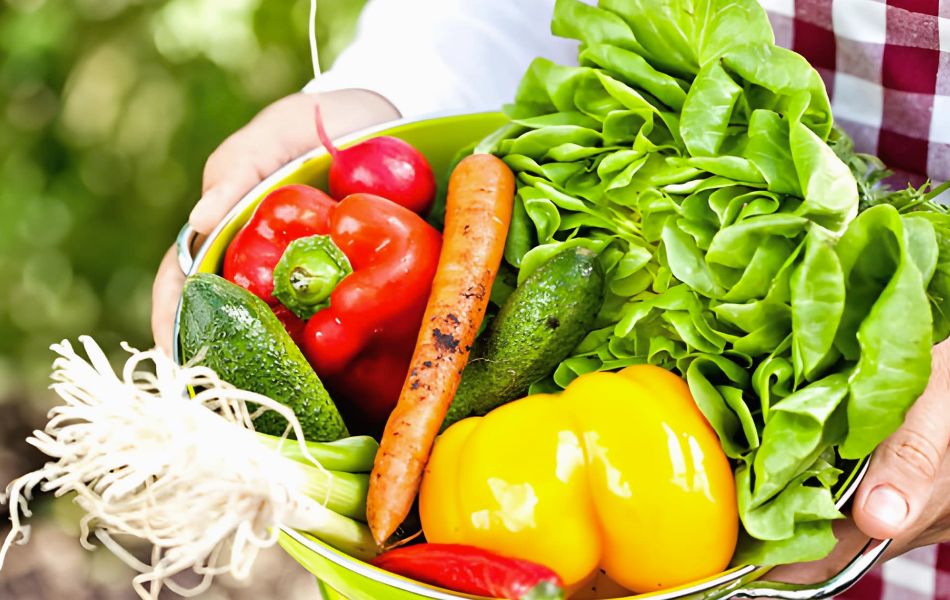
The first step to a delicious vegetable dish is choosing the right produce. Fresh, firm vegetables are key. Look for bright colors and firm textures. For example, snap off broccoli florets that are crisp, and pick carrots without soft spots. Buying in-season produce is a great way to ensure the best flavor. Farmers’ markets are fantastic for finding fresh, local options that taste better and cost less.
Pro Tip: For quick meals, frozen vegetables can be a great option. They’re frozen at peak ripeness, locking in nutrients and sweetness.
2. Storing Veggies for Freshness
Proper storage keeps produce fresh longer. Remove leafy tops from root vegetables like carrots, as the tops draw moisture from the root. Keep potatoes and onions in a cool, dark, dry place, but store them separately. The gases they release can cause faster spoiling.
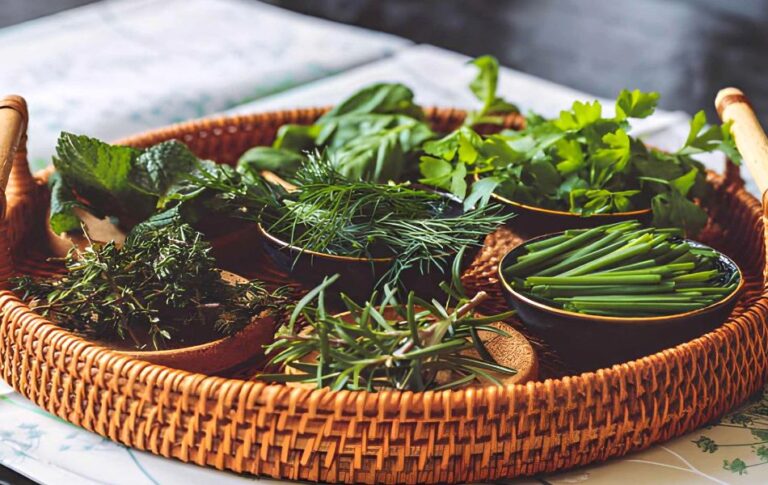
Store leafy greens by wrapping them in a paper towel and keeping them in an airtight container. The towel absorbs extra moisture. Treat fresh herbs like cut flowers. Place their stems in a glass of water, cover them loosely, and keep them in the fridge.
Prep Work That Makes a Difference
How you prepare your vegetables matters more than you might think. This step transforms cooking from a chore into a rhythm and sets you up for success.
1. Cut Uniformly
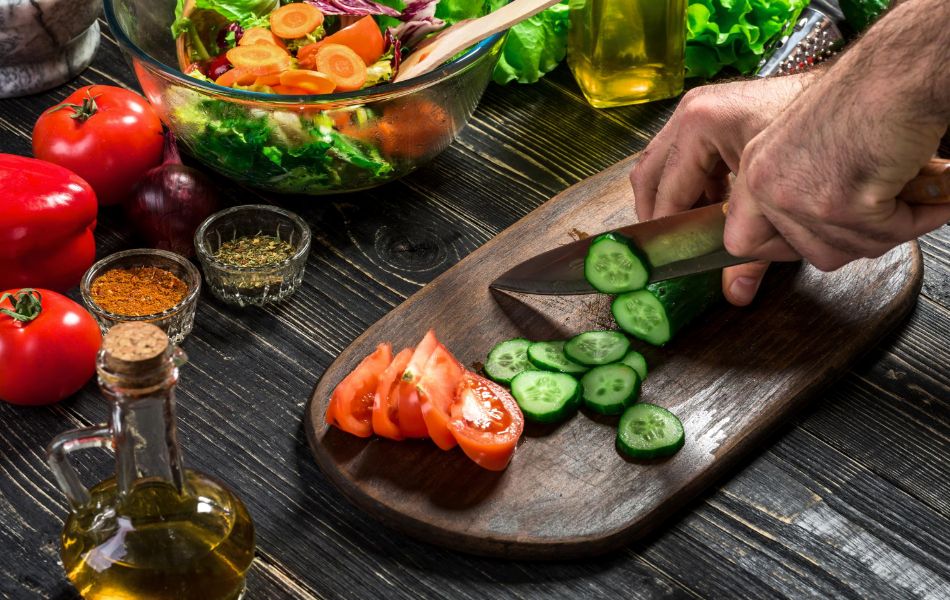
Uniform pieces cook at the same speed. Imagine roasting big chunks of carrot with tiny bits. The small pieces would burn before the big ones soften. Aim for equal sizes on your cutting board.
A sharp knife is your best tool here. A dull knife crushes vegetables, releasing water and making them soggy. A sharp blade slices cleanly, keeping the texture crisp and improving safety.
2. Wash and Dry Thoroughly
You must dry your vegetables completely after washing them. Excess water creates steam in the pan, which prevents browning. Browning is where so much flavor comes from.
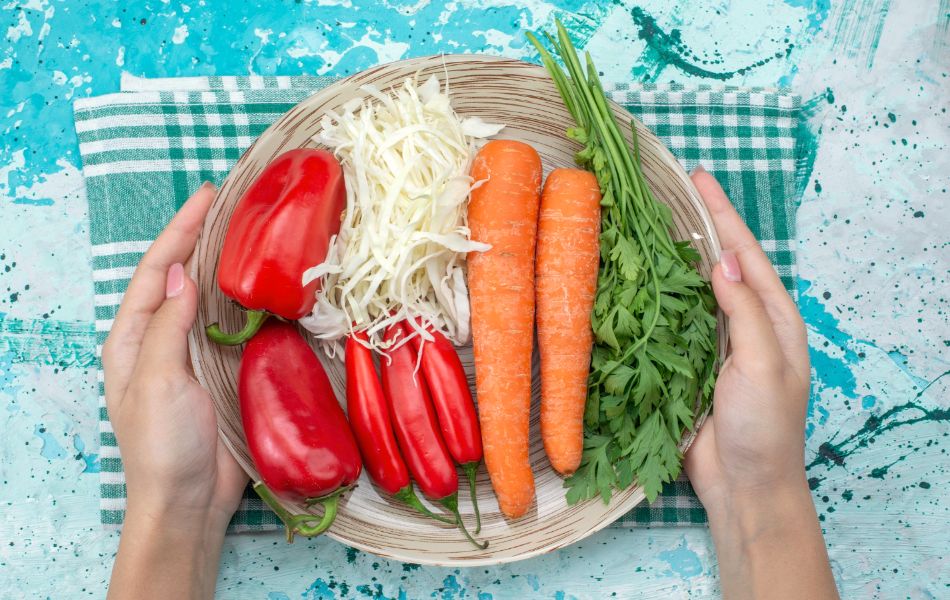
Use a salad spinner for leafy greens. Pat hard vegetables like carrots or zucchini dry with a clean towel. I learned this the hard way after a failed attempt at sautéing zucchini resulted in a soggy mess. Don’t skip this step.
Simple Cooking Methods for Great Results
When you know a few key cooking techniques, transforming vegetables becomes second nature. Here are some foolproof methods that bring out the best in your veggies every time.
1. Roasting for Sweetness
Roasting is my favorite way to cook most vegetables. High heat brings out their natural sweetness and gives them a slightly crispy texture. Set your oven to 400°F or higher for the best results.
Toss your vegetables in oil, salt, and herbs. Place them in a single layer on a baking tray. The secret is to not overcrowd the pan. Make sure there’s space between each piece so they roast rather than steam. Roast for 20-30 minutes, flipping them halfway through.
2. Sautéing for Speed and Crunch
Sautéing is a quick method perfect for weeknight meals. Use a wide skillet and get the pan hot before adding oil. Then, heat the oil before adding your veggies. You should hear a sizzle immediately.
Cook in batches if needed to avoid overloading the skillet. Let the pieces sit for a moment to get good contact with the pan. This contact builds color, and color equals flavor. Add delicate ingredients like garlic near the end of cooking to prevent them from burning.
3. Steaming for Tenderness
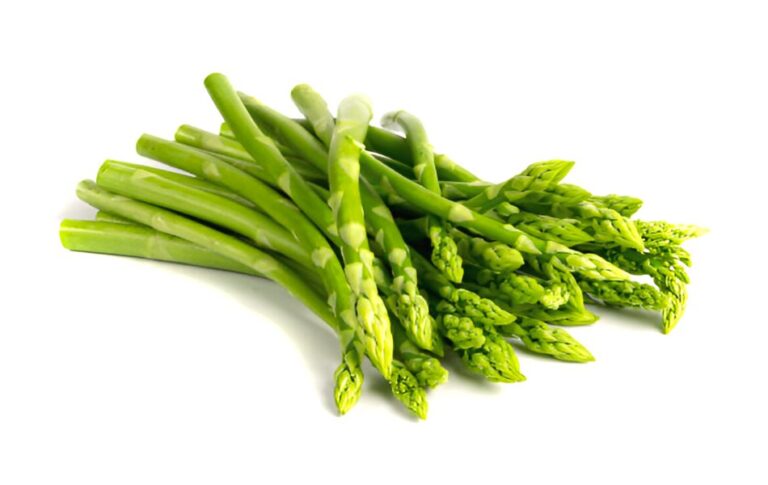
Steaming is an excellent method for preserving nutrients and keeping vegetables tender. Especially effective for broccoli, green beans, and asparagus. The key is to not overcook them; they should still have a slight bite.
Fill a pot with an inch of water and bring it to a boil. Place your vegetables in a steamer basket over the water, cover the pot, and steam for 3-5 minutes. A squeeze of fresh lemon and a sprinkle of salt is all they need.
Seasoning Secrets for More Flavor
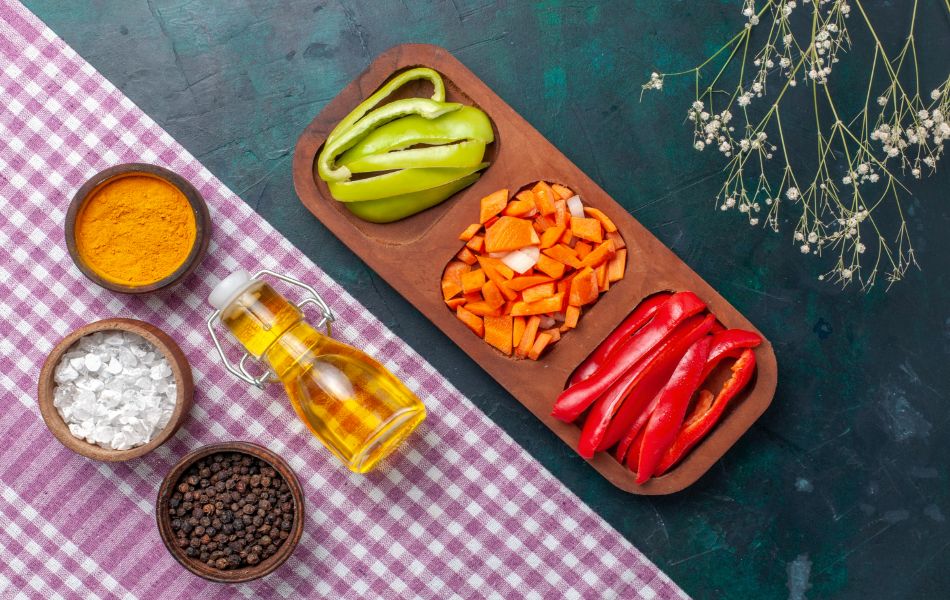
Salt and pepper are a great start, but other ingredients add real excitement. A few simple additions can take your vegetable dishes from good to great. These easy vegetable cooking tips focus on building layers of taste.
1. Acid Is Your Best Friend
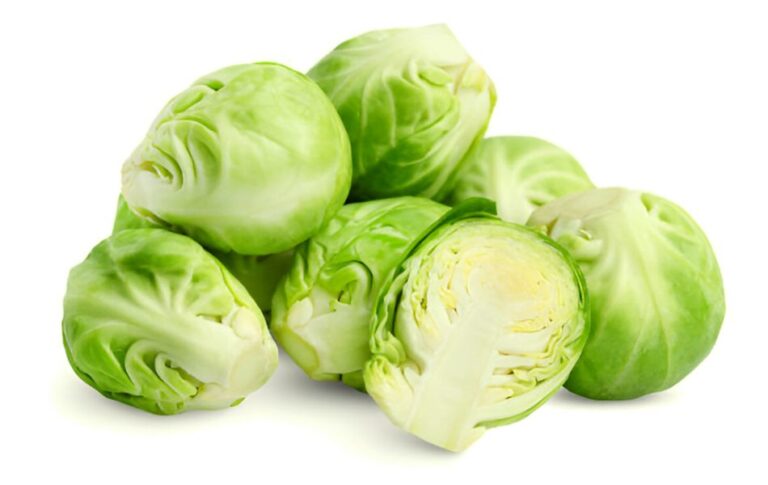
A splash of lemon juice or vinegar at the end of cooking brightens everything. It adds a “wow” factor that balances the dish. My personal favorite is a drizzle of balsamic vinegar over roasted Brussels sprouts. Keep lemons on hand; they can fix a bland dish instantly.
2. Use Herbs and Fats Wisely
Fresh herbs add brightness and aroma. Add woody herbs like rosemary or thyme at the start of cooking. Sprinkle soft herbs like basil or parsley on after the dish is finished.
Don’t forget about fats. Butter adds richness, while olive oil brings grassy notes. A good fat makes vegetables more satisfying. It also helps your body absorb certain vitamins.
3. Try Flavorful Combinations
Combining naturally sweet vegetables, such as carrots, with savory spices results in a deliciously balanced flavor. A drizzle of honey over roasted sweet potatoes with a sprinkle of rosemary is one of my favorite combos. You can also add crunch with nuts and seeds. Toss some slivered almonds over green beans for an extra layer of texture.
Serving Your Delicious Vegetables
Now you can get creative with how you serve your perfectly cooked veggies. Turn your simple side dishes into the star of the show.
1. Create Hearty Bowls and Salads
Mix roasted or grilled vegetables with fresh greens and a zesty vinaigrette to make a hearty salad. You can also create a hearty veggie bowl. Mix your favorite vegetables with grains like quinoa or rice. Add beans or chickpeas for protein and finish with a drizzle of tahini.
2. Pair with Your Favorite Proteins
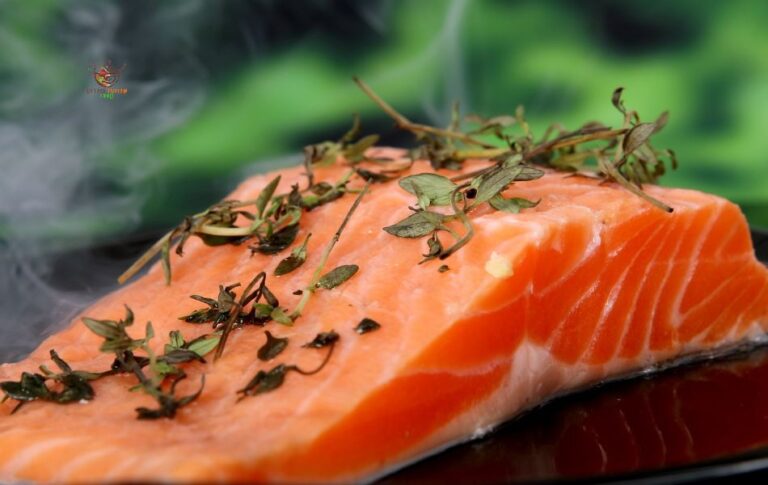
Vegetables are the perfect partner for any main course. Pair roasted cauliflower with grilled chicken or serve sautéed spinach with a juicy steak. A simple vegetable stir-fry with tofu or shrimp makes a complete and satisfying meal.
See Also – Slow-Cooking Meats: Foolproof Tips for Tender, Flavorful Results
Cooking vegetables should be a joyful experience. With these tips, you can bring out the best in every dish you prepare. Season well, choose the right cooking method, and always be open to experimenting. Happy cooking!