How to Cook with a Wok: A Beginner’s Guide
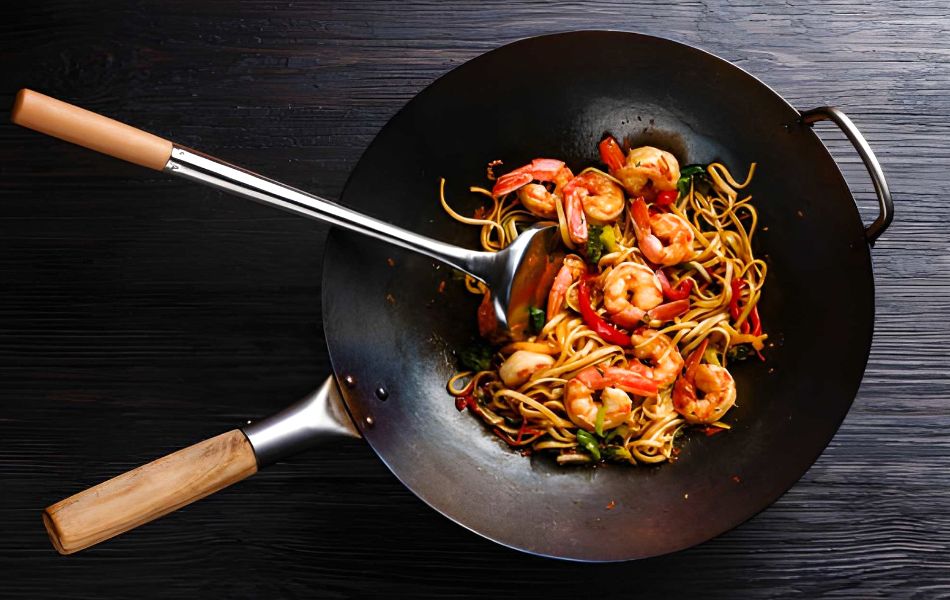
Cooking brings so much joy. The sound of food sizzling in a hot pan excites me. High heat can transform simple ingredients into something magical. Mastering the wok will change your weeknight dinners forever. This guide will show you how to cook with a wok for amazing results at home.
Many people feel intimidated by this round-bottomed tool. The high sides and unique shape look different from a standard pan. But using a wok is simple when you know the rules. You get fast meals packed with wonderful texture. Vegetables stay crisp, and meats develop a savory crust. Let’s walk through the essentials of wok cooking together.
Why a Wok Belongs in Your Kitchen
A wok offers unique advantages over a flat skillet. The round shape creates distinct heat zones. The bottom gets intensely hot, while the sides remain cooler. You can move food around to control the cooking speed. This method helps prevent overcooking.
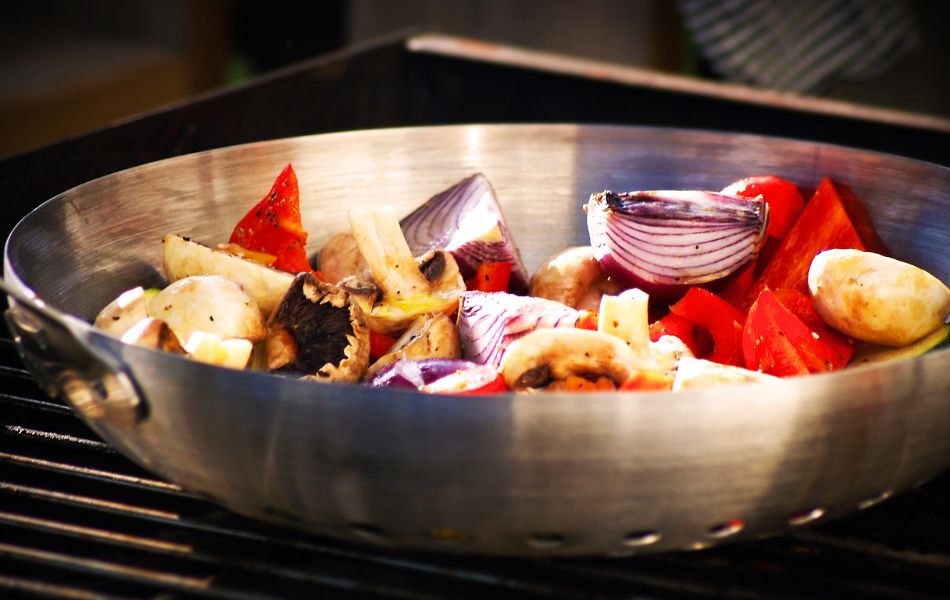
Stir-frying relies on this constant movement. You toss ingredients, and the high walls keep food inside the pan. This means less mess on your stovetop. The intense heat cooks food quickly. This speed preserves nutrients and the vibrant color of your vegetables.
The flavor profile also changes. High heat creates what is known as “Wok Hei,” or the “breath of the wok.” This smoky flavor defines a great stir-fry dish. You cannot achieve this specific taste in a typical non-stick skillet. Only a proper wok delivers this delicious result.
Choosing the Right Wok
Success starts with the right equipment. Many stores sell woks made of various materials. You need specific features for the best cooking experience.
1. Carbon Steel is King
Professional chefs often use carbon steel. This material heats up fast and responds to temperature changes instantly. Heavy cast iron takes too long to cool down. Stainless steel often causes food to stick. Non-stick coatings cannot handle the high heat required for proper wok cooking.
Carbon steel offers the perfect balance. The pan becomes naturally non-stick over time with proper care. It is also lightweight enough to toss food easily. A wok between 12 and 14 inches wide is a great size for a family.
2. Flat Bottom vs. Round Bottom
Traditional woks have round bottoms. These work best on high-pressure gas burners. Most home stoves have flat electric or induction surfaces. A round wok will wobble on these stoves and lose heat.
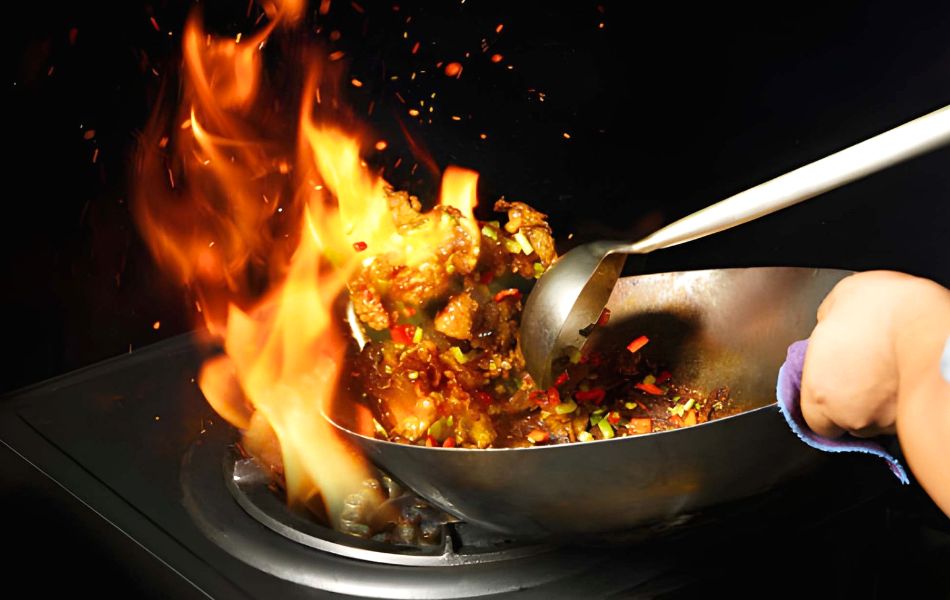
Choose a flat-bottomed wok for home use. The flat area sits securely on your burner for direct heat contact. This design works on gas, electric, and induction stoves. Stability ensures safety while you cook.
3. Size of the Wok
A 12-inch wok is perfect for small to medium batches, but if you’re cooking for a family or larger group, consider a 14-inch wok. This size strikes the right balance between capacity and maneuverability.
Seasoning Your Wok Like a Pro
A new carbon steel wok needs seasoning before you cook with it. This process creates a natural non-stick coating called a patina. It also prevents rust.
Start by scrubbing the new wok. Manufacturers apply a factory oil to prevent rust during shipping. Scrub the metal with hot water and soap. Use a steel wool pad to remove all the factory oil. Dry the metal completely over low heat.
Turn your exhaust fan to high and open your windows. The next step creates smoke. Place the clean wok over high heat. Watch the metal change color from silver to yellow, then to blue. Move the pan to heat every inch. The blue color signals the steel is ready.
Let the pan cool slightly. Add a tablespoon of a high-smoke-point oil, like peanut or grapeseed oil. Rub the oil into the surface with a paper towel held by tongs. Heat the pan again until it smokes. Repeat this process three times. Your wok will turn dark brown or black. This black coating means you succeeded.
Prep Work is Key for Success
Wok cooking moves very fast. You have no time to chop vegetables once the heat is on. Your preparation before you start cooking determines your success.
Uniform Cuts Cook Evenly
Uniformity matters. Cut your meat and vegetables into similar sizes. Same-sized pieces cook at the same rate. Slice meat against the grain to keep it tender.
Dense vegetables like carrots take longer to cook than peppers. Cut carrots thinly to increase their surface area. This helps the heat penetrate faster. Keep leafy greens separate from hard vegetables, as they cook at different speeds.
Organize Your Cooking Station
Chefs call this organization “mise en place.” Arrange everything you need near the stove before you begin. Place your ingredients in bowls in the order you will use them. Put aromatics like garlic and ginger in one bowl. Put proteins in another. Mix your sauce in a separate bowl or jar beforehand.
Having everything ready reduces stress. You can focus entirely on the cooking process. You will control the heat instead of rushing against the clock.
Mastering Wok Cooking Techniques
The beauty of cooking with a wok lies in its versatility. Once you get the hang of these techniques, you’ll be making incredible dishes.
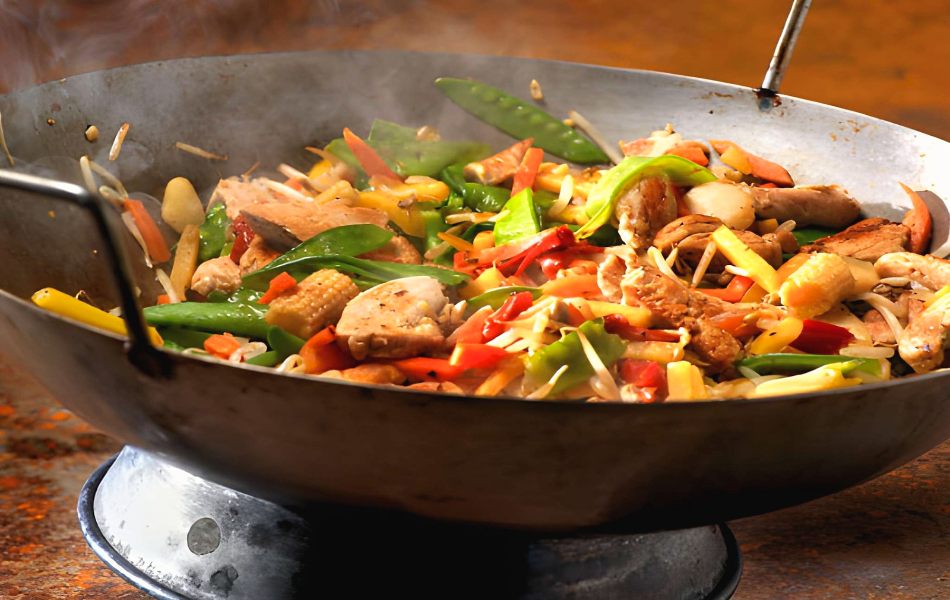
How to Stir-Fry
Stir-frying is the quintessential wok technique, and for good reason. It cooks food quickly, locking in flavor while keeping veggies crisp and proteins tender.
- Preheat the Wok: Heat the wok on high until it starts to smoke slightly. Add oil and swirl it to coat the surface. Chefs call this “hot wok, cold oil.”
- Infuse the Oil: Add aromatics like minced garlic, ginger, or scallions. Cook for about 10 seconds until they become fragrant. Do not let them burn.
- Sear the Protein: Add your meat in a single layer. Let it sit for a minute to create a crust. Flip and cook until about 80% done. Remove the meat from the pan.
- Cook the Vegetables: Add a little more oil if needed. Toss in hard vegetables first, like broccoli or carrots. Stir constantly. Add softer vegetables like bell peppers or snap peas next.
- Combine and Sauce: Return the meat to the wok. Pour your pre-mixed sauce around the hot sides of the pan. This caramelizes the sugars and thickens the sauce. Toss everything together to coat it evenly.
- Finish and Serve: Turn off the heat. Stir in delicate items like a few drops of toasted sesame oil or fresh herbs.
Steaming in Your Wok
Steaming is a fantastic way to cook delicate dishes like dumplings, fish, or vegetables in your wok. It’s simple and keeps ingredients full of flavor and nutrients.
- Add Water: Pour about 2 inches of water into the wok and bring it to a boil.
- Set Up Your Steamer: Place a bamboo or metal steamer basket inside the wok, ensuring it doesn’t touch the water.
- Steam the Food: Place your food in the steamer, cover the wok, and steam until cooked through.
Common Mistakes to Avoid
Even with practice, issues can happen. Here are solutions to common problems.
- Food Sticks: Your wok was not hot enough, or you need to improve the seasoning. Use a little more oil next time.
- Soggy Vegetables: You likely overcrowded the pan. Cook in smaller batches to keep the heat high. Also, be sure to dry washed vegetables thoroughly before cooking.
- Bland Flavor: You may have skimped on the sauce or aromatics. Marinating your meat beforehand adds a lot of flavor.
Cooking Tips for Wok Success
To make sure you’re always getting the best results with your wok, here are some essential tips:
- Use High Heat: Woks love intense heat. Don’t shy away from cranking up the burner for that perfect “wok hei” flavor.
- Prep Everything First: Wok cooking moves fast, so have all your ingredients chopped, sliced, and ready to go before you start cooking.
- Don’t Overcrowd the Wok: Cooking in batches helps keep the heat high, ensuring your food crisps up rather than steams.
- Experiment with Flavors: Wok cooking is perfect for exploring new sauces, spices, and ingredients. Don’t be afraid to get creative with your stir-fries.
How to Clean and Maintain Your Wok
Proper care makes your wok last a lifetime. Treat the seasoned surface gently.
Never put your wok in the dishwasher. The harsh detergents will strip away the seasoning. Clean the wok while it is still warm using hot water and a bamboo brush or soft sponge. Avoid steel wool on a seasoned pan.
Dry the pan immediately on the stove over low heat. Once dry, wipe a thin layer of oil over the surface with a paper towel. This protects the steel from humidity and rust.
See Also – Cooking Tips for Perfect Sautéing
Final Thoughts: Wok Cooking Is Your New Best Friend
Learning how to cook with a wok takes a little patience. Pay attention to the sounds and smells as you cook. Experiment with different ingredients and combinations. The technique stays the same. Soon, your kitchen will fill with amazing aromas, and you’ll enjoy creating fresh, flavorful meals at home.