Best Substitute for Garam Masala: Easy Pantry Swaps That Save Dinner
You stand over a bubbling pot of chicken curry. The coconut milk turns creamy, the onions go golden, and you reach for the finishing touch. Your fingers search the jars, but the garam masala sits empty. We all know that specific kitchen panic.
Do not turn off the stove yet. You have several swaps hiding in your spice drawer right now. This guide gives you the best substitute for garam masala using ingredients you already own. Let me share my favorite fixes with you.
What Is Garam Masala, and What Does It Taste Like?
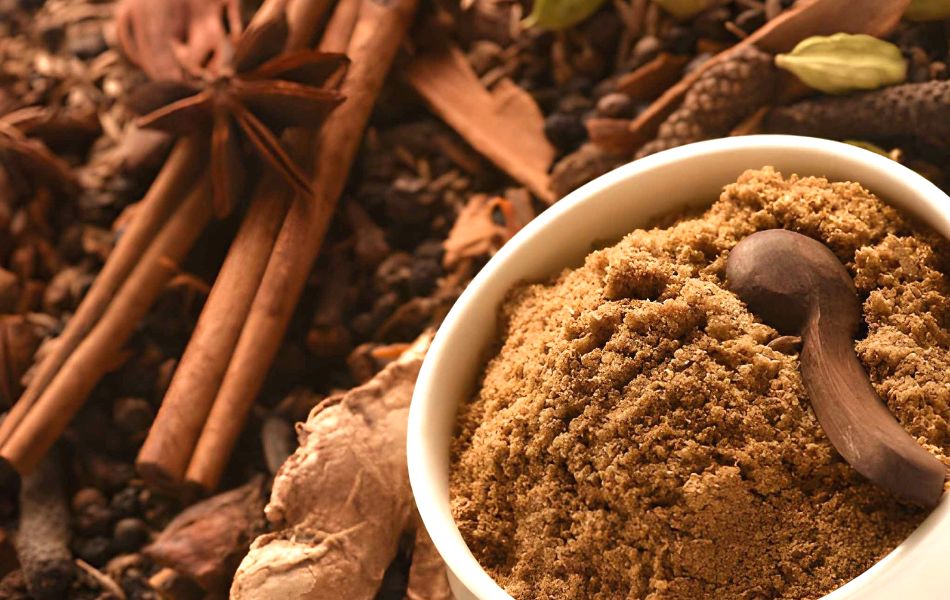
Garam masala is a warm spice blend from northern India. In Hindi, the name means “warm spice mix,” and the flavor lives up to it. Think cozy, earthy, and slightly sweet all at once. The blend adds warmth, not mouth-burning chili heat.
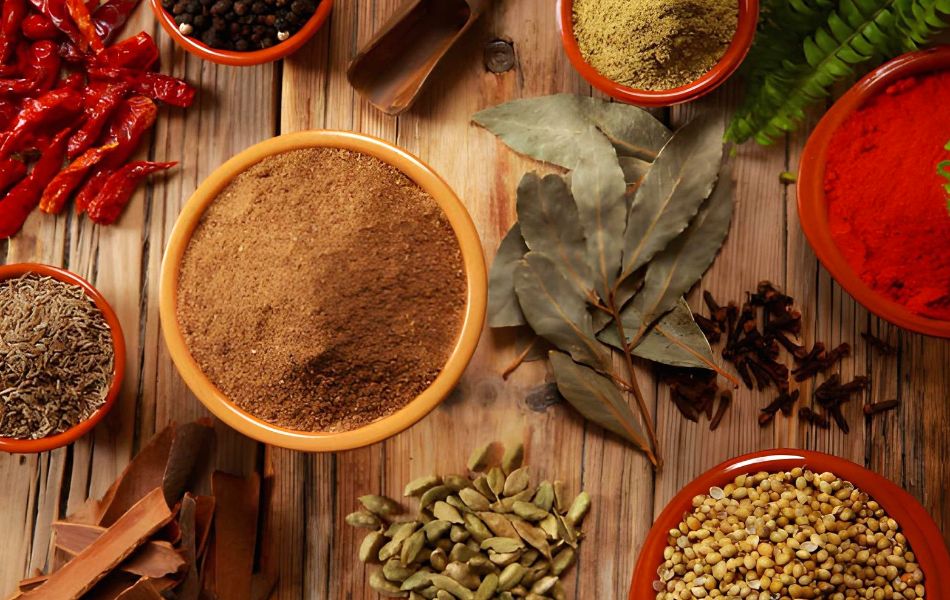
Most versions mix cumin, coriander, cardamom, cinnamon, cloves, and black pepper. Some add nutmeg, fennel, bay leaf, or star anise. Each family and region has its own recipe. So there is no single “correct” version to copy.
Here is the heart of it. Cinnamon brings sweet warmth, cardamom adds bright freshness, and cloves give a sharp kick. Black pepper adds a gentle lift, while cumin lays down an earthy base. A good swap matches this balance of sweet and earthy notes.
Why You Might Need a Swap
Running out is the number one reason, and I get it. My jar always empties on the busiest cooking night. But sometimes you skip the blend on purpose.
You might have an allergy to one spice. You might want a milder or spicier version for your family. Or you want a cleaner label with fewer fillers. Making your own swap gives you full control over every ingredient in the pot.
Your Best Pantry Swaps
You do not need a cooking degree to blend these. You need a spoon and a couple of basic jars. Start with a smaller amount, taste, then adjust as you go.
1. Cumin and Allspice: The Two-Jar Fix
This pair is my top pick. Allspice is a single berry, but it tastes like cinnamon, nutmeg, and cloves combined. Cumin brings the earthy weight, and allspice adds the sweet-warm hug.
Mix three parts ground cumin with one part allspice. Use three-quarters teaspoon of the mix for each teaspoon of garam masala. This works well with meat, beans, lentils, and tomato sauces.
2. Cumin, Coriander, and Cinnamon: The Closest All-Purpose Match
This three-spice mix gives the closest pantry-friendly result. Cumin brings earthiness, coriander adds a light citrus note, and cinnamon gives gentle sweetness. Stir together two parts cumin, two parts coriander, and one part cinnamon.
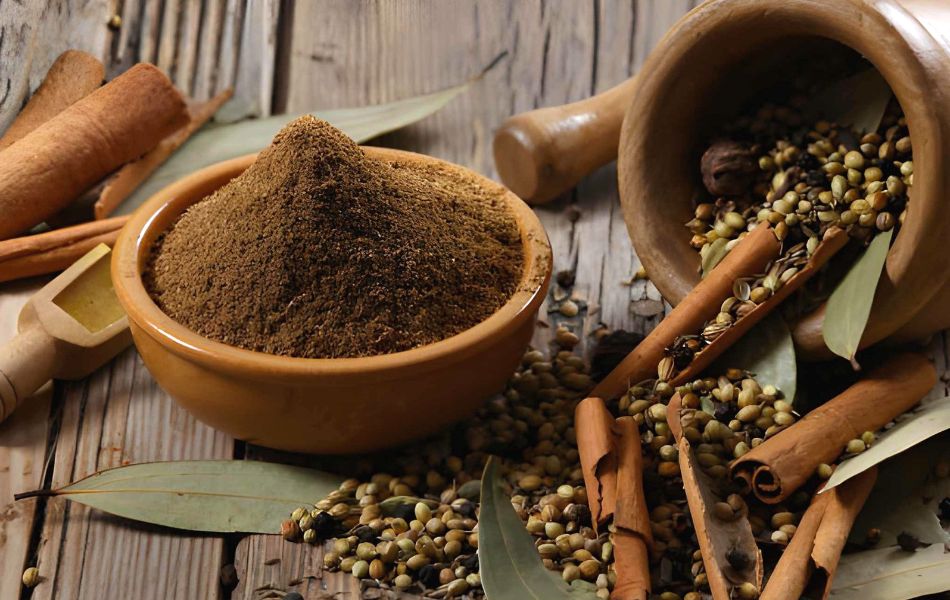
Use one teaspoon of the mix for each teaspoon of garam masala. Add a small pinch of black pepper for more bite. This blend suits curries, lentils, roasted vegetables, soups, and rice.
3. Curry Powder: The Fast Fix
Curry powder sits in most spice drawers, so reach for it in a pinch. The two blends share cumin, coriander, and pepper. Use three-quarters teaspoon of curry powder for each teaspoon of garam masala.
Curry powder often contains turmeric, so your dish turns more golden and slightly bitter. Add a pinch of cinnamon to cut through the bitterness. Choose mild curry powder for better control.
4. Chaat Masala: For Tangy Dishes
Chaat masala offers warmth plus a salty, tangy kick. The sour note comes from dried mango powder. Use half a teaspoon for each teaspoon of garam masala.
Taste before adding salt, since many blends already contain plenty. This swap suits chickpeas, potatoes, yogurt sauces, and snack mixes. Skip it in soft, sweet cream sauces.
5. Ras El Hanout: Deep and Fragrant
Ras el hanout comes from North African cooking. The blend often includes cumin, coriander, cinnamon, ginger, and floral spices. Use an equal amount in place of garam masala.
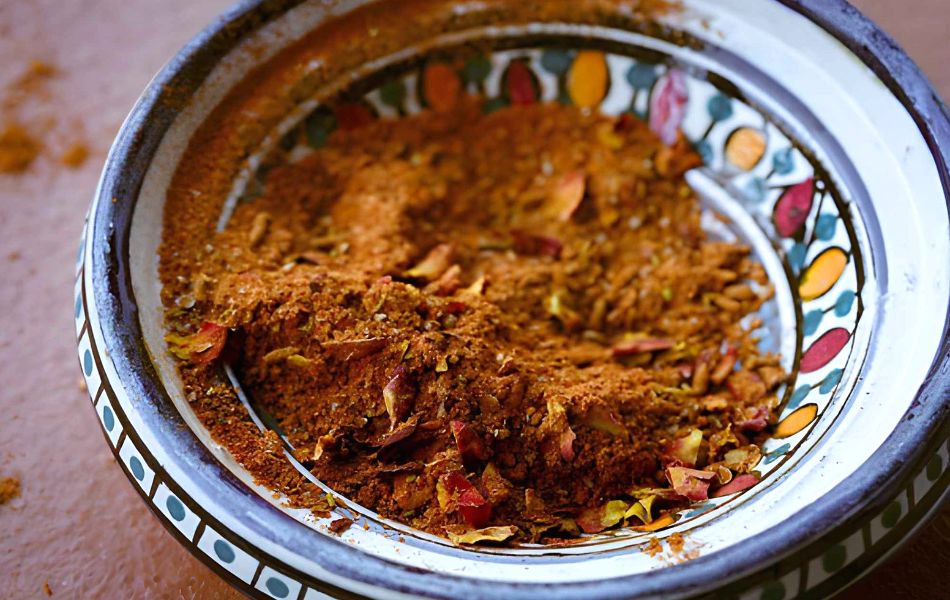
Expect a bolder aroma and a slightly different finish. This choice suits lamb, chicken, carrots, lentils, and couscous. Some blends include rose petals, so check the label before seasoning a delicate meal.
6. Baharat: For Meat, Rice, and Stews
Baharat offers pepper, cumin, cinnamon, and other warm spices. The blend gives meat, rice, and beans a deep savory note. Use an equal amount for most recipes.
Many baharat blends taste peppery. Start with three-quarters of the listed amount in mild dishes. Add a pinch of coriander for a softer, brighter edge.
7. Chinese Five-Spice: Use a Light Hand
Chinese five-spice brings star anise, cloves, cinnamon, fennel, and pepper. The flavor feels sweeter and more licorice-like. Use one-quarter teaspoon for each teaspoon of garam masala.
Mix it with half a teaspoon of cumin for better balance. This option suits pork, duck, and roasted squash. Star anise takes over fast, so keep the amount tiny.
Quick Swap and Ratio Guide
Not every fix needs a full spice cabinet. Here is a handy table to guide your next meal.
| Substitute | Ratio (for 1 tsp garam masala) | Best For |
|---|---|---|
| Cumin + allspice | 3/4 tsp cumin + 1/4 tsp allspice | Beef, lentils, root vegetables |
| Cumin + coriander + cinnamon | 1/2 tsp cumin + 1/2 tsp coriander + 1/4 tsp cinnamon | Curries, rice, marinades |
| Curry powder + cinnamon | 3/4 tsp curry powder + pinch cinnamon | Creamy chicken, coconut curries |
| Chaat masala | 1/2 tsp | Chickpeas, potatoes, yogurt sauces |
| Ras el hanout | 1 tsp | Lamb, carrots, couscous |
| Baharat | 1 tsp | Meat, rice, stews |
| Chinese five-spice | 1/4 tsp + 1/2 tsp cumin | Pork, roasted squash |
Start small, taste, then add more. You want to layer flavor, not overpower it.
My Favorite DIY Homemade Blend
When I have five minutes, I build my own blend from scratch. It tastes fresher than any store jar, and you control the salt and quality. This recipe needs no special roasting skills.
- 1 tablespoon ground cumin
- 1.5 teaspoons ground coriander
- 1.5 teaspoons ground cinnamon
- 1/2 teaspoon ground cloves
- 1/2 teaspoon ground nutmeg
Stir everything in a small dry bowl. Smell the mixture, and you will recognize that comforting, warm aroma. This makes roughly two tablespoons. Use the same amount your recipe lists for garam masala.
One tip for deeper flavor: warm the spices in a dry pan for 20 seconds. Keep the heat low and stir without stopping. Remove them once the scent grows stronger. I learned this after ruining a lentil pot with dark, smoky cumin.
How to Adjust Your Cooking Technique
Cooks add garam masala near the end, not the start. Late seasoning keeps the soft aromas of cardamom, cinnamon, and clove fresh. Stir your swap in during the final five minutes.
Heavier spices need a different plan. If you use curry powder or plain cumin as your base, add them earlier. Stir them into hot oil with your onions, garlic, and ginger.
Cooking spices in hot oil wakes up the flavors. It removes the raw, chalky taste from the ground powder. Let them fry for about sixty seconds until fragrant, then add your tomatoes or coconut milk. Save the sweet spices for the last minutes.
Common Mistakes to Avoid
Even simple swaps go sideways if you rush. I have made every mistake below, so learn from my kitchen fails.
- Adding too much at once. Warm spices grow stronger as they cook, so start light.
- Using too much cinnamon or clove. Both take control fast. Your food should smell warm, not like holiday cookies.
- Skipping the taste test. Dip a clean spoon in and adjust before serving.
- Ignoring salt in premixed blends. Chaat masala and some curry powders contain salt. Taste before adding more.
- Using old spices. Ground spices lose punch after a few months, so refresh your jars often.
Once threw straight chili powder into a lamb dish when my jar ran dry. The result tasted flat and burning hot, and my guests drank a lot of water. A pinch of cinnamon does more for a curry than a spoon of hot pepper.
Keep the Flavor Balanced
Warm spices need balance from salt, acid, and fat. Taste your dish after the spice cooks for one minute. Add lemon juice when the flavor feels heavy.
Stir in yogurt, cream, or coconut milk when the blend tastes sharp. A pinch of sugar softens bitter tomato sauces. Fresh cilantro or mint gives a cool finish. Small changes often fix a mix faster than more spice.
Best Swaps by Dish
Match the swap to the mood of the dish. For creamy chicken or vegetable curry, choose cumin, coriander, and cinnamon. For roasted meat, baharat or ras el hanout works well.
For chickpeas and potatoes, chaat masala adds a bright spark. For squash soup, five-spice with cumin gives soft warmth. For lentils, use the three-spice mix or cumin with allspice. For rice, choose baharat or a mild curry powder blend.
A Few Storage Secrets
Fresh spices make the biggest difference in any swap. Store your blends in airtight jars away from heat and light. Your stove-side shelf looks handy, but the warmth dulls the flavor fast.
Whole spices last longer than ground ones. Grind small batches when you need them for the freshest taste. A cheap coffee grinder does this job beautifully. Label your jars with the date, and use ground blends within three months.
Frequently Asked Questions
Is curry powder the same as garam masala?
No. Curry powder often includes turmeric and tastes brighter and more bitter. Garam masala leans warmer, sweeter, and more fragrant. Curry powder still works when speed matters.
What is the closest single swap?
Cumin mixed with a little allspice comes closest. This pair copies the earthy-sweet warmth with two easy ingredients.
How much replacement should I use?
Start with three-quarters of the recipe amount. Taste after one minute, then add more in small pinches. Strong blends like five-spice need far less.
Should I add the spices early or late?
Add most swaps during the final five minutes to keep the aroma bright. Save earlier seasoning for cumin-heavy mixes in long-cooked stews.
Can I make a spicy version?
Yes. Add a pinch of cayenne or extra black pepper to any blend for more heat.
See Also – What Can You Use as a Cumin Substitute in Your Recipes?
Your Next Step in the Kitchen
Finding a good substitute for garam masala takes nothing more than a peek in your spice drawer. Start with the cumin and allspice combo for the closest match. Keep the ratio table handy, taste as you cook, and add spices near the end.
A missing jar is not a disaster. It is an invitation to play with new flavor combinations. Try mixing your own small batch this week, and trust your senses at each step. Your kitchen will smell amazing, and your guests will never know you changed the plan.