

Is Duck Meat Healthy? Benefits, Facts, and Smart Cooking Tips
Duck has a reputation as a fancy, once-a-year treat. You picture it glistening on a restaurant menu, rich and out of reach. But the question keeps coming up in home kitchens: is duck meat healthy? Pour yourself a coffee, and let me share what years of cooking this bird taught me.
Duck has a deep, savory flavor with a gentle sweetness. One bite feels richer than chicken, yet lighter than most people expect. With the right portions and cooking style, duck fits a balanced diet with ease.
What Makes Duck Different From Other Meats
Duck sits somewhere between chicken and red meat. The flavor runs deep and slightly gamey. The texture feels closer to a good steak than a plain chicken breast.
Here is where people get things wrong. They lump all duck into one bucket. But the fat sits mostly under the skin, not woven through the meat like beef.
You have more control than you think. Peel back the skin and you get lean, protein-rich meat underneath. Keep the skin on and you get crispy, golden goodness. Your choice shapes the whole nutrition story.
The Big Question: Is Duck Meat Healthy?
So, is duck meat healthy? The short answer is yes, when you cook with a little thought. Duck packs a dense set of nutrients your body loves.
A 100-gram skinless portion gives you nearly 24 grams of protein. This protein keeps you full and helps your muscles stay strong. Duck also brings iron, zinc, selenium, and B vitamins in generous amounts.
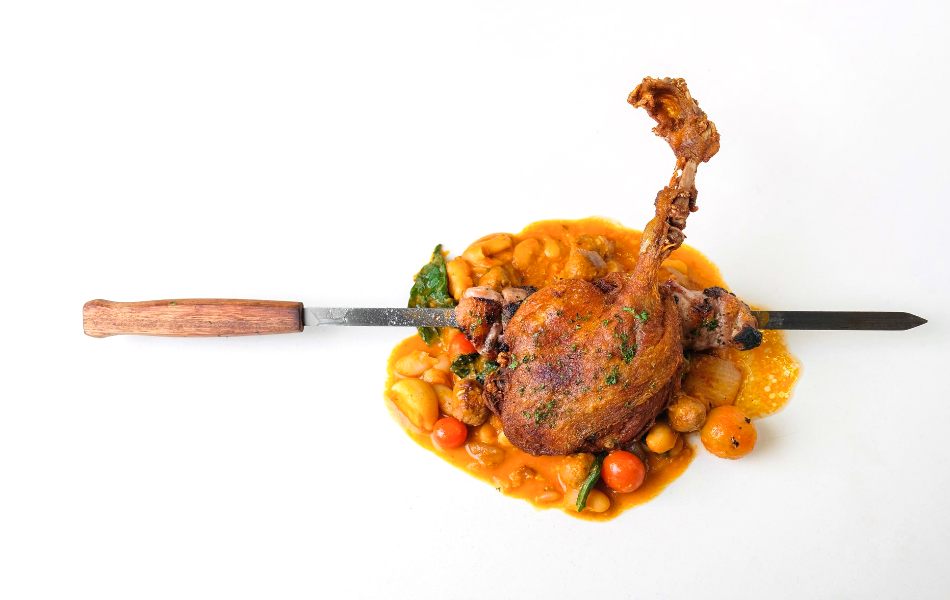
Many people group duck with heavy red meats. Nutritionally, it bridges poultry and beef. You get the deep flavor you crave with the benefits of a bird.
Duck Nutrition at a Glance
Nutrition values shift by breed, cut, and cooking method. Roasted domestic duck gives a useful reference point. This table compares 100 grams of roasted duck with and without skin.
| Nutrient | Skinless duck | Duck with skin |
|---|---|---|
| Calories | 201 | 337 |
| Protein | 23.5 g | 19.0 g |
| Total fat | 11.2 g | 28.4 g |
| Saturated fat | 4.0 g | 9.7 g |
| Iron | 2.7 mg | 2.7 mg |
| Carbohydrate | 0 g | 0 g |
The biggest gap comes from the fat under the skin. Slow heat melts much of this layer into the pan. Draining the rendered fat lowers the amount left on your plate.
Health Benefits of Adding Duck to Your Menu
Duck earns its spot with real, whole nutrients. Here is what each serving brings to your table.
Satisfying Protein
Duck supplies a generous amount of protein per serving. A 100-gram skinless portion gives close to 23.5 grams. It pairs well with fiber-rich sides like lentils, barley, brown rice, or roasted squash.
The mix keeps you full without a huge meat portion. I often slice one breast across several bowls or salads. Thin slices spread that rich flavor through every forkful.
Iron for Steady Energy
Duck holds more iron than most pale poultry cuts. It offers highly absorbable heme iron, the kind your body takes in faster than iron from spinach or beans. Iron helps carry oxygen through your blood and fights that afternoon slump.
Roasted skinless duck provides about 2.7 milligrams per 100 grams. Add a vitamin C rich side for a brighter plate. Try orange segments, broccoli, tomatoes, or a lemony cabbage slaw.
B Vitamins for Everyday Work
Duck provides thiamin, riboflavin, niacin, vitamin B6, and vitamin B12. These vitamins turn your food into usable energy. They support your nerves and healthy blood cells too.
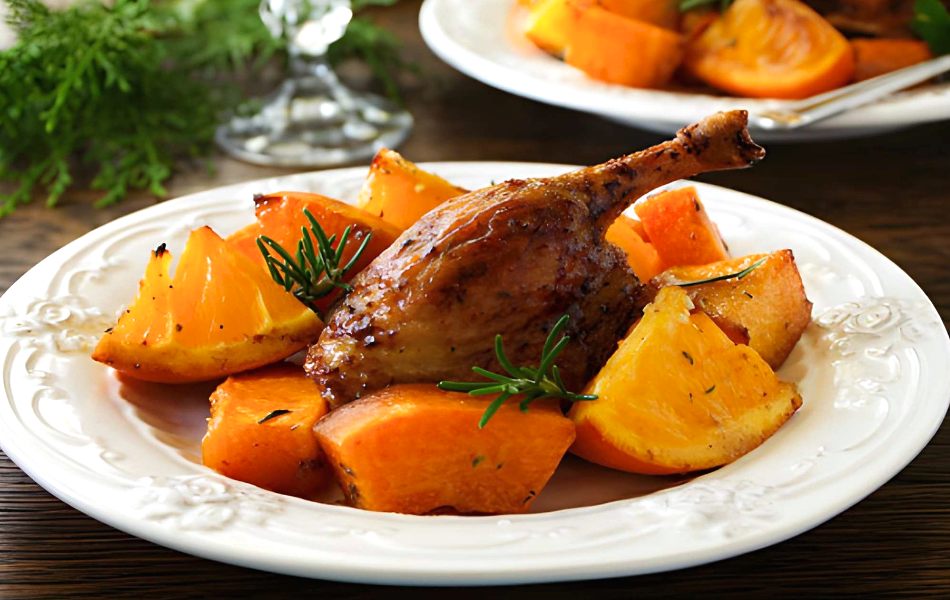
A 100-gram skinless serving covers a solid share of your daily needs. A varied diet still matters more than any single food. Think of duck as one flavorful piece within a wider eating pattern.
Selenium and Zinc
Skinless roasted duck supplies about 22.4 micrograms of selenium and 2.6 milligrams of zinc per 100 grams. Selenium acts as an antioxidant to protect your cells. Zinc supports growth, immune function, and wound healing.
Those numbers give duck a strong nutrient profile. Vegetables and grains fill in what duck lacks, like fiber. Together they build a plate worth eating again.
Understanding the Fat Profile
Now for the part everyone worries about. Duck fat sounds scary when you count grams. But the story has more layers than a simple label suggests.
Around half of duck fat is monounsaturated. This is the same heart-friendly type found in olive oil. Your heart tends to prefer it over the hard fats in butter.
Still, saturated fat deserves attention. Skinless roasted duck holds about 4 grams per 100 grams. Duck with skin reaches about 9.7 grams for the same weight.
The American Heart Association suggests keeping saturated fat below 6% of daily calories. For a 2,000-calorie diet, this means about 13 grams a day. One skin-on serving uses a large share of this limit.
Is Duck Healthier Than Chicken?
Numbers help you make smart choices at the store. Here is a simple side-by-side look. This compares about 100 grams of cooked, skinless meat.
| Nutrient | Duck breast (skinless) | Chicken breast (skinless) |
|---|---|---|
| Calories | ~135 | ~165 |
| Protein | ~24 g | ~31 g |
| Total fat | ~4 g | ~3.6 g |
| Iron | ~2.7 mg | ~1 mg |
| Zinc | ~2.6 mg | ~1 mg |
Look at that iron gap. Duck gives you nearly three times the iron of chicken. If you feel tired or run low on iron, duck earns a spot on your plate.
Chicken wins slightly on total protein per bite. But duck brings richer flavor and more minerals. Both belong in a balanced kitchen rotation.
The Skin Debate: To Keep or Not to Keep
Duck skin is where the calories hide. Crispy skin roughly doubles the fat and adds a good chunk of calories. So what should you do?
Enjoy it, but treat it like a topping rather than the main event. On a busy weeknight, pull the skin off and save the lean meat for a stir-fry. On a slow Sunday, leave it on and let it crisp up.
Balance beats banning. You lose nothing by enjoying crispy skin once in a while. Trouble starts only when every meal turns into an indulgence.
My Secret Weapon: How to Cook Duck Breast
Good cooking turns duck into a wholesome meal. This simple technique melts away excess fat while keeping the meat tender. Follow these steps for crispy skin and lean, juicy meat.
- Score the skin. Cut a shallow diamond pattern into the skin. Stop before you reach the meat. These cuts give the fat a path to escape.
- Start in a cold pan. Place the breast skin-side down in a cold, dry skillet. Skip the oil, since the duck brings its own.
- Render the fat slowly. Turn the heat to medium-low for 8 to 10 minutes. Pour off the melted fat into a jar as you go.
- Flip and finish. Once the skin turns golden, flip the breast. Cook the meat side for 2 to 3 minutes.
- Rest before slicing. Move the meat to a board and wait 10 minutes. The juices settle back in and stay put.
This slow method melts away up to seventy percent of the fat. My early duck dinners went wrong with high heat, and the fat stayed rubbery underneath. Low and slow fixed everything.
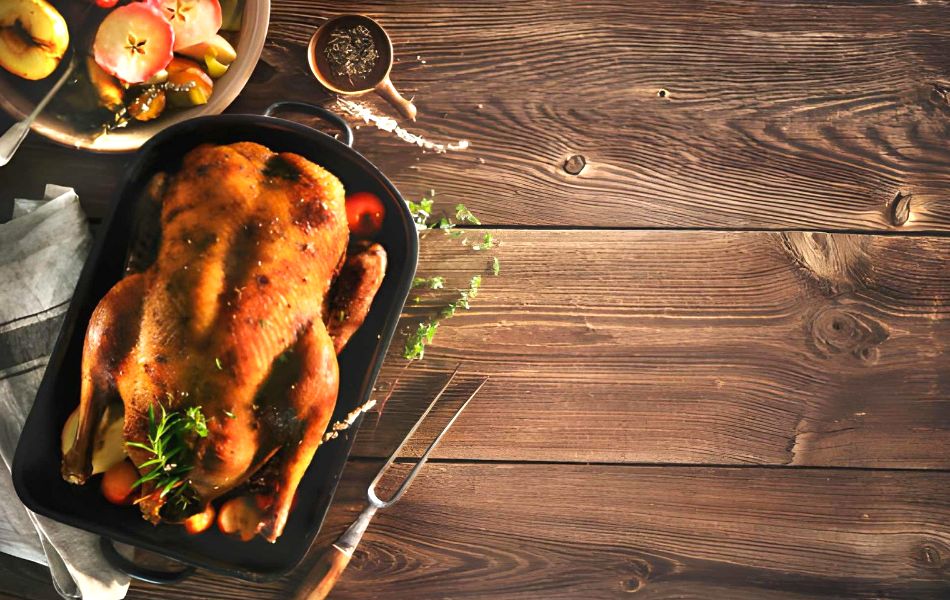
Roasting suits a whole duck or duck legs. Set the bird on a rack so the fat drips away. Braising softens tougher legs into fork-tender comfort food. Skip deep-frying, since duck rarely needs added fat.
Save the rendered fat in a clean jar in your fridge. It keeps for weeks and makes roasted potatoes taste incredible. A little goes a long way in place of butter.
Best Sides and Flavor Pairings
Duck loves sharp, bright, and earthy partners. Think cabbage, citrus, cherries, apples, beets, mushrooms, or leafy greens. These foods soften the sense of richness.
The natural richness needs acid to balance the plate. Simmer cherries, orange juice, or chopped apple with a splash of vinegar. Fresh blackberries with balsamic also cut through beautifully.
Warm spices bring depth without extra fat. Try black pepper, coriander, ginger, fennel seed, or Chinese five-spice. A pinch of smoked paprika and orange zest brightens every bite.
My favorite quick side starts with shredded red cabbage. I toss it with apple, lemon juice, black pepper, and salt. The crunchy slaw wakes up each savory forkful.
Smart Portions and Serving Frequency
A practical cooked portion falls near three to four ounces. This equals roughly 85 to 113 grams. Slice the meat before serving, since thin slices make the portion feel larger.
Duck works best as part of a varied protein routine. Rotate it with fish, beans, tofu, eggs, chicken, and lean meat. A little duck goes far because of its bold flavor.
People with heart disease, high LDL cholesterol, or a low-fat plan need personal advice. A doctor or registered dietitian offers guidance based on your health history. Choose skinless meat more often in those cases.
Reading Labels and Sourcing Well
Where your duck comes from shapes its quality. Check the label before you buy. This transparency builds trust in what lands on your plate.
Look for duck raised without added hormones. Free-range or pasture-raised birds tend to have better flavor and fat quality. The extra care shows up in your pan.
Fresh duck should smell clean and look plump. Skip any package with a sour smell or slimy surface. Frozen duck works fine too, so long as you thaw it slowly in the fridge.
Buying a whole bird is often the most economical choice. Roast the whole duck for Sunday dinner. Then simmer the bones into a nourishing broth.
Simple Ways to Add Duck to Your Week
You do not need a special occasion to enjoy duck. Small swaps bring it into everyday meals. Here are easy ideas to start.
- Grain bowls: Slice cooked breast over grains, add roasted veggies, and drizzle with pan juices.
- Tacos: Shred braised duck leg, then toss with lime and fresh salsa.
- Salads: Layer sliced breast over bitter greens with orange segments and toasted walnuts.
- Stir-fry: Toss thin slices with broccoli, garlic, and ginger in a hot wok.
These simple ideas keep your meals interesting and full of flavor. Your family will ask for them again.
Common Questions About Duck Meat
Is duck red meat or poultry?
Duck counts as poultry because it comes from a bird. The meat looks darker than chicken breast. This color does not change its poultry group.
Is duck good for weight management?
Skinless duck offers plenty of protein in a moderate calorie range. A 100-gram serving gives about 201 calories. Success still depends on portions, sides, and your full eating pattern.
Is duck high in cholesterol?
Roasted skinless duck holds about 89 milligrams of cholesterol per 100 grams. People with cholesterol concerns should follow advice from their care team.
Is duck suitable for a low-carb meal?
Plain duck contains zero carbohydrate. Pair it with vegetables and olive oil dressings for a low-carb plate. Choose skinless meat to keep saturated fat in check.
See Also – Is Grilled Chicken Healthy? The Juicy Truth and Best Tips
The Verdict on Your Plate
So, is duck meat healthy? Yes, when you choose good cuts and cook with care. Duck offers protein, iron, selenium, zinc, and heart-friendly fats in one flavorful package.
Treat the crispy skin as an occasional joy, not a daily habit. Render the fat slowly, save it for roasting, and let the lean meat shine. Pick up some duck this week and taste the difference for yourself.




One Comment