Is Fried Rice Healthy? Easy Tips for a Better Homemade Bowl
Fried rice holds a special place in my kitchen. One pan turns cold rice, spare vegetables, and a few seasonings into dinner. The smell of toasted grains and garlic pulls everyone toward the stove.
Still, many home cooks pause before serving a full bowl. Is fried rice healthy, or do the oil and salt push the meal off track? The honest answer depends on your ingredients, portion, and cooking method.
A balanced bowl gives you carbs, protein, vegetables, and satisfying flavor. A heavy restaurant portion often brings more oil, sodium, and rice than your body needs. Small changes create a meal with better balance and no dull bites.
What Actually Goes Into Fried Rice
Fried rice starts with cooked rice, oil, seasoning, and heat. Those four parts set the base, while vegetables and protein shape the final meal. Each choice changes the nutrition more than the name of the dish.
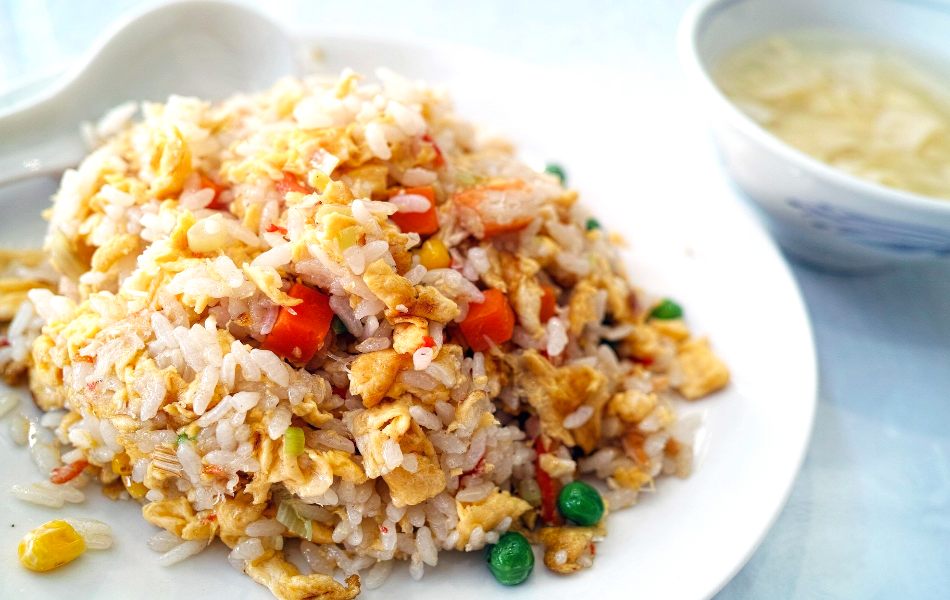
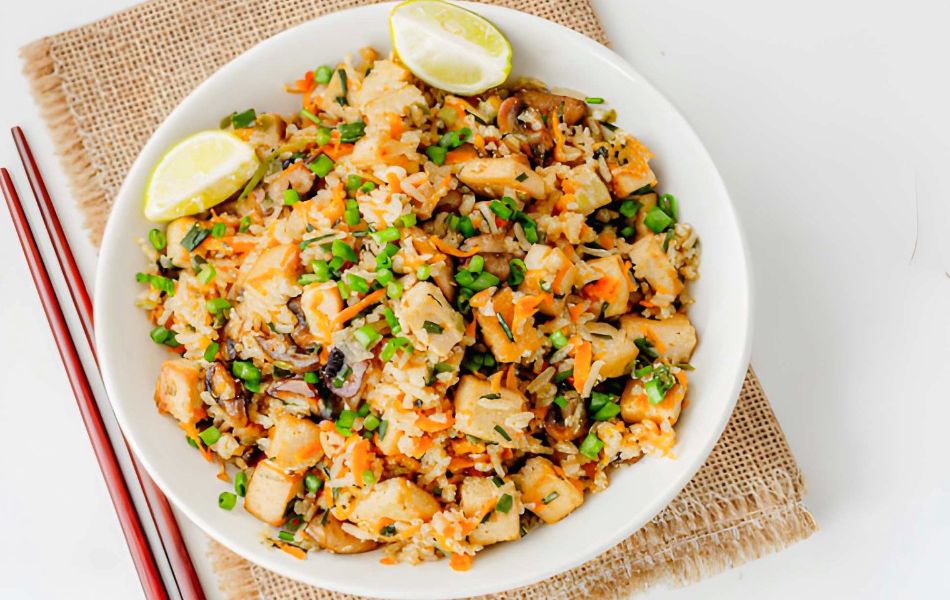
Rice gives your body energy through carbohydrates. Eggs, chicken, shrimp, beef, tofu, or edamame add protein. Peas, carrots, cabbage, mushrooms, and peppers bring fiber, color, and useful nutrients.
Here is my honest take. Homemade fried rice beats takeout almost every time. You control the oil, the salt, and the freshness of your ingredients.
The Ingredients Worth Watching
A few sneaky ingredients raise the calorie and sodium count fast. Knowing them helps you make smarter swaps. None of these ruin your meal on their own, so aim for balance.
- Oil: One tablespoon holds about 120 calories, and too much turns rice greasy.
- Soy sauce: Full of flavor, but regular versions carry heavy sodium.
- White rice: Fine in moderation, though low on fiber.
- Processed meats: Sausage and spam add saturated fat and salt.
I learned this lesson after one oily batch stuck to my pan like glue. The trick is balance and sensible portions. Strong aromatics keep lighter choices tasting generous.
A Quick Look at Fried Rice Nutrition
Nutrition values shift from one recipe to another. Home portions also differ from takeout boxes. The table below offers rough ranges for one medium bowl.
| Type of fried rice | Portion | Calories | Protein | Main concern |
|---|---|---|---|---|
| Vegetable fried rice | 1½ cups | 350–500 | 8–14 g | Oil and sodium |
| Egg fried rice | 1½ cups | 400–550 | 12–18 g | Oil and portion size |
| Chicken fried rice | 1½ cups | 450–650 | 20–30 g | Sodium and sauce |
| Restaurant fried rice | 2–3 cups | 700–1,200 | Varies | Large serving and extra oil |
These numbers offer a guide, not a fixed rule. A light home recipe often lands near the lower end. A glossy restaurant version often sits near the higher end.
Your plate gives another clue. A bowl packed with vegetables and protein feels more filling. A mound made mostly from rice leaves less room for fiber and produce.
Why Homemade Fried Rice Works for You
Rice Supplies Fast, Useful Energy
Rice gives your muscles and brain an easy fuel source. Brown rice adds more fiber, while white rice offers a softer texture. Both fit within a balanced eating pattern.
Vegetables Add Fiber and Volume
Vegetables stretch each serving without making the meal feel skimpy. They bring crunch, sweetness, color, and freshness. Frozen peas and carrots work well when the crisper drawer looks bare.
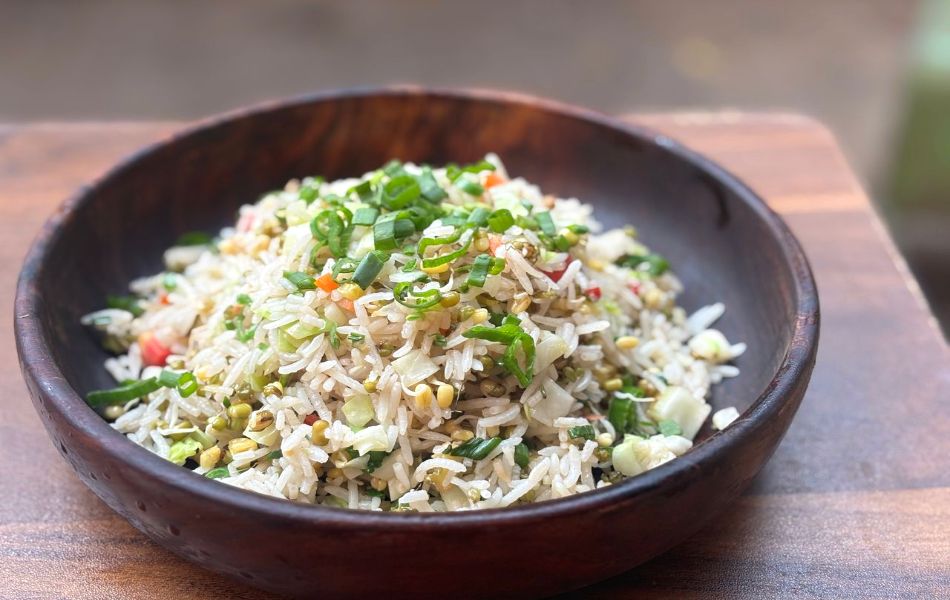
Aim for at least two cups of vegetables for four servings. Cabbage, broccoli, green beans, corn, mushrooms, and spinach all fit. Chop firm vegetables small so they cook quickly.
My favorite mix uses cabbage, carrots, peas, and scallions. Cabbage browns at the edges and adds a gentle sweetness. Scallions wake up the finished bowl.
Protein Helps the Meal Feel Complete
Protein slows the rush of hunger after dinner. Eggs offer a low-cost choice with rich flavor. Chicken, shrimp, tofu, and edamame all work well too.
Use about three to four ounces of protein per person. Cut meat or tofu into small pieces for quick, even cooking. Small pieces also spread through every forkful.
My Best Kitchen Secret: Day-Old Rice
Here is my golden rule. Never use freshly boiled rice for a stir-fry. Fresh grains hold too much moisture and clump into a sticky paste.
Cold rice from the fridge stays firm and separate. Each grain fries up light and fluffy. This one habit changed my fried rice forever.
No leftover rice? Cook a fresh batch and spread it on a tray. Chill it in the fridge for an hour. Your rice will thank you.
Cooling rice also creates something called resistant starch. Your body treats resistant starch like fiber. It feeds your good gut bacteria and lowers the meal’s glycemic response.
Best Rice Choices for Different Goals
Your grain sets the health tone for the whole meal. White rice loses its outer fiber layer during processing. You have better options sitting in your pantry.
| Grain type | Fiber | Protein | Best kitchen use |
|---|---|---|---|
| Brown rice | High | Medium | Hearty, nutty bowls |
| Quinoa | High | High | Protein-packed stir-fry |
| Cauliflower rice | Very high | Low | Lower-carb, light meals |
| Jasmine rice | Low | Low | Classic tender texture |
Brown rice keeps its bran and germ layers. This structure holds up well during stirring and adds a nutty depth. Want an even bigger nutrition win? Try cooked quinoa, which brings all nine essential amino acids.
Cauliflower rice lowers the carb count, though the texture feels different. Use half cauliflower rice and half cooked rice for better balance. Cook the cauliflower first so extra water escapes.
The Oil Trick That Saves Calories
Oil sneaks up on you fast. I used to pour it straight from the bottle. Big mistake, and my rice paid the price.
Now I measure and stick to it. A hot pan needs less oil than you think. Start with two teaspoons for a four-serving batch.
Use a wide pan so the rice touches more hot surface. Crowded rice traps steam and grows soft. A nonstick pan or seasoned wok keeps food moving with barely any oil.
Avocado oil handles high heat with a neutral flavor. Save toasted sesame oil for a finishing touch. A few drops at the end bring warm, smoky depth.
Flavor Secrets Without the Salt
You do not need loads of soy sauce for big flavor. I lean on aromatics instead. Garlic and ginger build a deep, savory base.
Start with one tablespoon of low-sodium soy sauce for four servings. Taste after the rice absorbs the sauce. Add another teaspoon only when the bowl needs more depth.
Acid sharpens flavor without extra salt. A splash of rice vinegar or lime juice wakes everything up. Fresh ginger, garlic, chili, and scallions add more layers.
I always add white pepper near the end. The warm, earthy taste feels different from black pepper. A tiny pinch gives fried rice a takeout-style finish.
Smart Ingredient Swaps
Small changes make a big difference. You keep the taste you love while lifting the nutrition. These swaps became staples in my kitchen years ago.
| Instead of | Try | Why the swap helps |
|---|---|---|
| Regular soy sauce | Low-sodium soy sauce | Cuts salt with similar flavor |
| Large rice portion | Extra cabbage or mushrooms | More volume and fiber |
| Fatty or processed meat | Chicken, shrimp, or tofu | More lean protein |
| Extra oil | A wide nonstick skillet | Better browning with less fat |
| Bottled sauce | Soy sauce, vinegar, garlic, ginger | More control over salt and sugar |
Try one swap at a time. The flavor stays bright and satisfying, and the texture holds up beautifully. Bland “healthy” fried rice feels like punishment, so keep those aromatics strong.
Step-by-Step Healthy Fried Rice Recipe
High-heat cooking moves fast, so prep prevents burning. This recipe serves four with plenty of vegetables and protein.
Your Ingredient Checklist
- 3 cups cooked, chilled day-old rice (brown or white)
- 12 ounces cubed tofu or chicken breast
- 2 cups mixed chopped vegetables (broccoli, carrots, peppers)
- 2 cloves minced garlic
- 1 tablespoon minced fresh ginger
- 2 teaspoons avocado oil
- 1 to 2 tablespoons low-sodium soy sauce
- 1 teaspoon toasted sesame oil
- 2 whisked large eggs
- Scallions and rice vinegar to finish
Easy Cooking Steps
- Heat the avocado oil in a large skillet over medium-high heat.
- Add your protein and sear until cooked through, then move it to a plate.
- Toss garlic, ginger, and firm vegetables into the hot pan. Stir for three minutes.
- Push the vegetables to the edge to open a circle in the center.
- Pour the whisked eggs into that space and scramble gently until set.
- Add the cold rice and cooked protein. Stir everything together well.
- Drizzle the soy sauce over the top. Toss for two minutes until hot.
- Turn off the heat, add sesame oil, scallions, and a splash of vinegar. Serve right away.
This ratio gives vegetables a major role. The rice still feels abundant, and protein spreads through every bite. Dinner lands on the table in about fifteen minutes.
Portion Sizes Make a Difference
Even healthy food needs sensible portions. Fried rice tastes so good, you might eat past full. I speak from experience here.
A good serving runs about one cup of finished rice. Pair it with a crisp cucumber salad or steamed greens. This move adds volume and settles hunger with less rice.
Serve your rice in a medium bowl, not a wide plate. A broad plate makes one cup look lonely. A snug bowl makes the same amount feel generous.
For a family meal, fill half your plate with vegetables. Give one quarter to fried rice and one quarter to protein. This simple split keeps every dinner balanced.
Is Takeout Fried Rice Healthy?
Takeout fried rice fits into a balanced week when portions stay sensible. The main issues come from serving size, oil, and sodium. Many cartons hold enough rice for two meals.
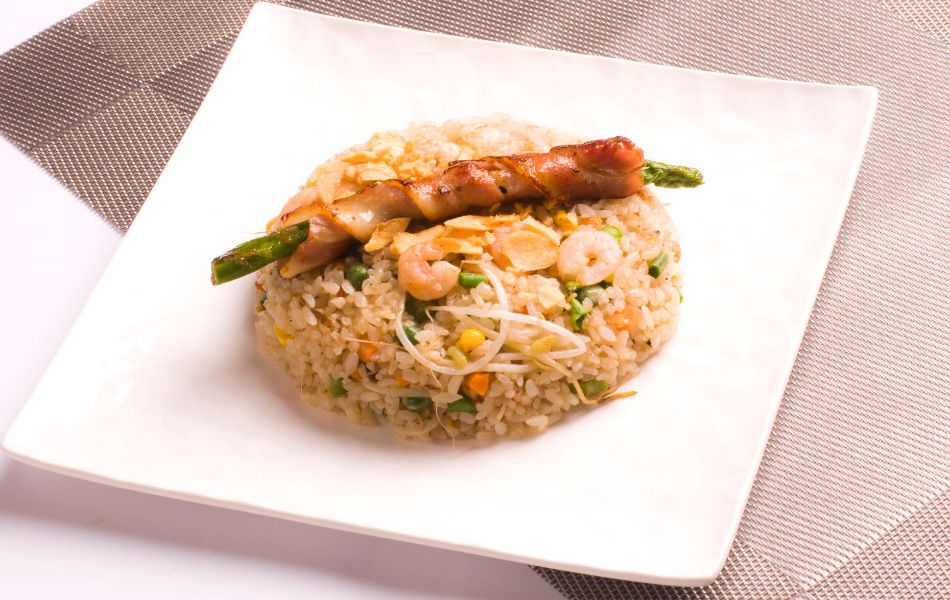
Split the order before you eat. Move half into a storage container right away. Add a side of vegetables or a light broth soup.
Choose chicken, shrimp, tofu, or vegetable versions over rich pork. Ask for light oil when the restaurant takes requests. Skip the extra soy sauce packets.
Common Fried Rice Mistakes
Fresh, warm rice turns gummy. Steam clings to the grains and blocks browning. Chill your rice first, or cool it on a wide tray.
Too much sauce makes rice wet and salty. Add sauce around the edge of the hot pan. The heat spreads it before one spot soaks through.
A cold pan causes trouble too. Rice needs strong heat for toasted flavor. Warm the pan well before adding oil and food.
My worst fried rice once looked like beige oatmeal. I used hot rice, too much sauce, and a tiny pan. The lesson stuck, and my skillet choice changed forever.
See Also – Is Basmati Rice Healthy? A Simple Guide
Final Thoughts on Your Next Bowl
So, where does fried rice fit? A thoughtful home version gives you energy, protein, vegetables, and bold flavor. The best results come from modest oil, measured sauce, and sensible portions.
Treat fried rice as a full meal, not a giant pile of rice. Give vegetables and protein equal attention. Strong aromatics keep lighter choices tasting rich.
Your best bowl starts with cold rice and a hot pan. From there, trust your taste buds and keep the colors bright. Try one swap this week and taste the difference. Happy cooking, my friend.