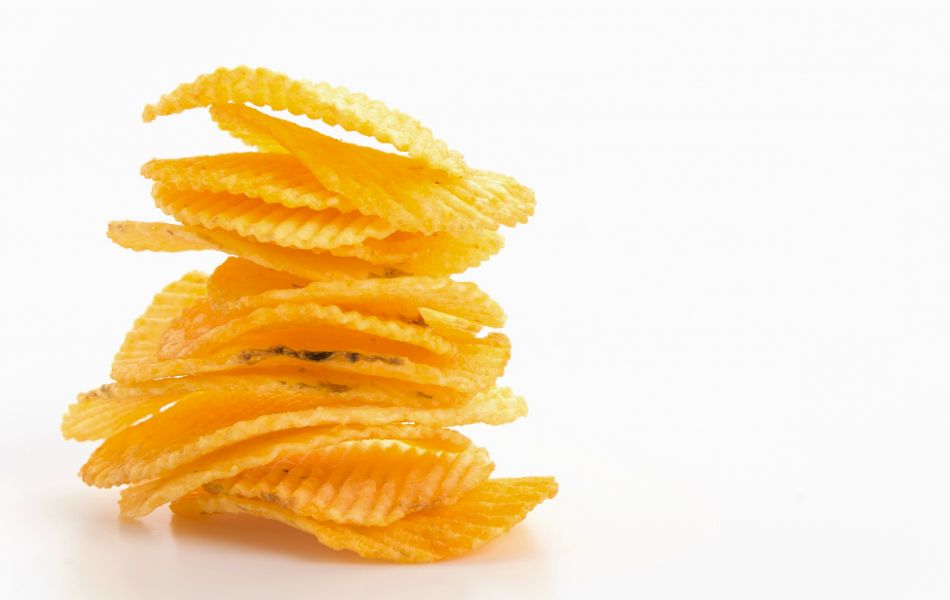
Is Chips Healthy? A Home Cook’s Guide to Smarter Snacking
You love the crunch, the salt, and the way one handful turns into ten. But somewhere between the couch and the second bag, the guilt shows up. So let me sort the myths from the facts, friend to friend. By the end, you will know exactly which chips earn a spot in your kitchen.
Here is what you will get:
- The truth about which chips help you and which ones drag you down
- A baked vs. fried breakdown with real numbers
- A label checklist you use in seconds
- A homemade recipe with flavor combos you will want to try tonight
So, Is Chips Healthy or Not?
The honest answer sits on a spectrum. Some chips load you with fried oil and empty calories. Others give you fiber, protein, and real flavor. The chip itself is not the villain. The ingredients and the cooking method decide everything.
Think of chips like coffee. A plain cup is fine. Drown one in syrup and cream, and the story changes. A thin potato slice fried in cheap oil hits different than a baked veggie chip seasoned with herbs.
So when someone asks me, “is chips healthy,” I say the same thing. It depends on what you grab. Once you know what to look for, you snack with a clear conscience.
What Makes a Chip Less Healthy
Three things turn a good snack into a poor one. Understanding them changes how you shop forever.
First, the frying oil. Many chips swim in refined oils heated over and over. This creates fats your body struggles to process. You feel heavy and sluggish afterward.
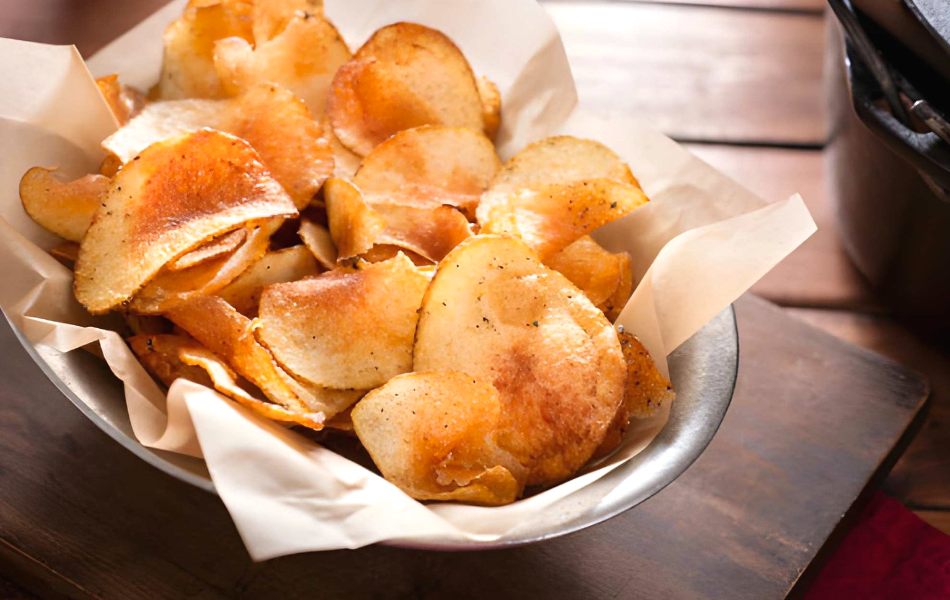
Second, the sodium. A single serving of some chips packs a big share of your daily salt. Too much salt over time strains your heart and leaves you puffy. Many health guidelines suggest keeping sodium below 2,300 milligrams a day. One salty snack takes a large chunk of that.
Third, the hidden extras. Artificial colors, flavor enhancers, and preservatives sneak in. These add nothing good and often hide cheap ingredients. Always flip the bag and read the back.
There is one more thing worth knowing. High-heat cooking forms a compound called acrylamide in starchy foods. Golden slices beat dark brown ones every time.
Baked Chips vs. Fried Chips: The Real Difference
Here is where your choices start to matter. Baked chips use hot air instead of an oil bath. That one swap cuts fat and calories in a big way. You keep the crunch you love.
I switched to baked chips two years ago on a whim. My first bag tasted a little flat. Then I learned the secret. Baked chips need bold seasoning. A pinch of smoked paprika and garlic powder woke them right up.
The numbers tell the story better than I ever will.
| Feature (per 1 oz serving) | Fried Potato Chips | Baked Potato Chips |
|---|---|---|
| Calories | 150 to 160 | 110 to 120 |
| Total fat | 10 g | 2 to 3 g |
| Saturated fat | 3 g | 0.5 g |
| Sodium | 170 to 200 mg | 130 to 150 mg |
| Fiber | 1 g | 2 g |
| Feel after eating | Heavy | Light |
The difference adds up fast. Swap fried for baked five days a week, and you save hundreds of calories. You slash the fat without losing your snack ritual.
One caution though. Some baked brands add extra starch or salt for crunch. The front label never shares the full tale. Compare two bags at equal serving sizes, then pick the smarter one.
Not All Chips Come From Potatoes
The chip world has grown way past the humble spud. You get options now that pack real nutrition into every crunch.
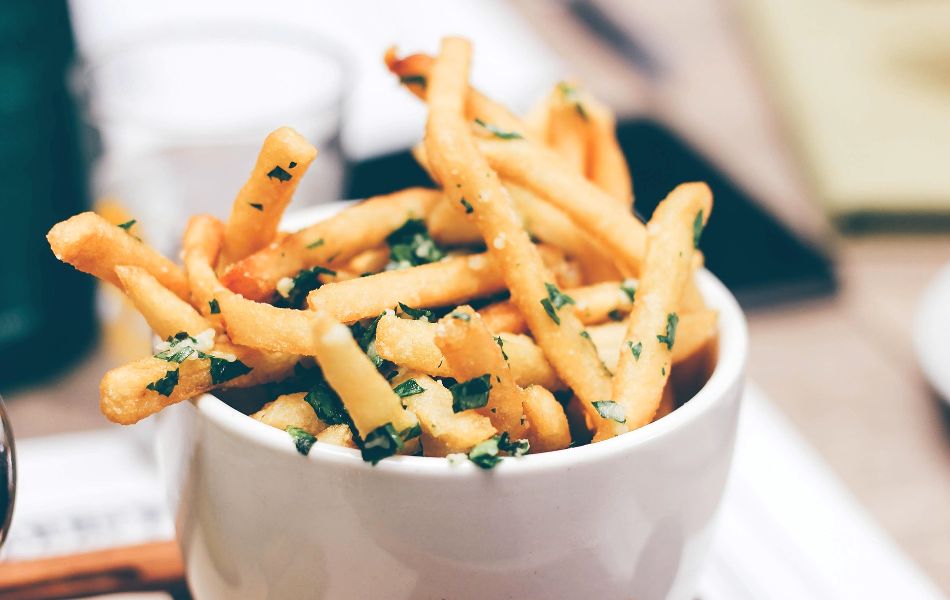
- Veggie chips made from real beets, kale, or sweet potato bring vitamins. Look for baked ones with a short ingredient list. Some brands sneak in potato starch, so read closely.
- Bean and lentil chips surprise most people. They deliver protein and fiber, which keep you full longer. One serving often gives you 4 to 5 grams of protein. You snack less an hour later.
- Whole grain and seed chips offer slow-burning energy. Made from brown rice, quinoa, or flax, they steady your blood sugar. You skip the crash that white-flour snacks bring.
Pack words give you clues, not proof. “Baked” does not always mean low salt. “Veggie” does not always mean rich in vegetables.
A Quick Chip Style Guide
Use this table as a fast shopping lens. Exact numbers change across brands. Read each pack before choosing.
| Chip style | What stands out | Best label check |
|---|---|---|
| Regular chips | Fried crunch and added salt | Compare sodium and saturated fat |
| Baked chips | A lighter texture | Check salt and serving size |
| Kettle chips | Thick crunch, fried texture | Do not assume a health edge |
| Tortilla chips | Corn, oil, and salt | Seek whole corn and less sodium |
| Bean or lentil chips | Often more fiber or protein | Check starches, oil, and salt |
| Vegetable chips | Bright colors and bold claims | Check whether real vegetables come first |
How to Read a Chip Label Like a Pro
The front of the bag stretches the truth. The back always tells you the whole story. Once you know the pattern, you shop in seconds.
Start with the ingredient list. Shorter is better. If you know every word, you found a winner. If it reads like a science project, put it back. The first listed food holds the largest share by weight, so look for real food near the front.
Next, read three lines in order. Start with serving size, then sodium, then saturated fat. Then scan fiber and protein for staying power. A quick label rule helps too. Five percent Daily Value or less counts as low. Twenty percent or more counts as high.
Here is my quick checklist for you:
- Five or fewer main ingredients
- Real food listed first, not oil or salt
- At least 2 grams of fiber per serving
- Under 150 mg sodium when possible
- No artificial colors or mystery flavor blends
Make Your Own Chips at Home
Nothing beats a batch of chips you made yourself. You control the oil, the salt, and the seasoning. Plus, your kitchen smells amazing while they crisp.
My method stays simple. Slice sweet potatoes or zucchini thin, about the width of a coin. A hand slicer helps, though a sharp knife works with care. Soak the slices in cold water for 15 to 20 minutes. This step removes starch and helps lower acrylamide during cooking.
Dry each slice well. Moisture is the enemy of a crisp bite. Then toss the slices in a teaspoon of olive oil and your favorite spices. Spread them in one layer so none overlap.
Bake at 375°F for 15 to 20 minutes. Flip them halfway for even crunch. Watch the edges, since thin slices go from golden to burnt in a flash. Aim for gold, not dark brown, and pull the fast ones early. Trust me, I have lost a few batches to learn this.
Best practice: Add salt after baking. Salt on top tastes brighter, so a little goes a long way.
Flavor Combos I Keep on Rotation
- Sweet potato with cinnamon and a tiny pinch of sea salt
- Zucchini with parmesan and cracked black pepper
- Kale with olive oil, garlic, and a squeeze of lemon
- Beet slices with rosemary and a whisper of honey
Homemade chips cost less too. A single sweet potato makes a big bowl for pennies. You skip the packaging and the preservatives entirely.
Ingredient Swaps for Better Chips
Small swaps change the whole snack. Pick one at a time and taste the difference right away.
| Regular Version | Healthy Swap | Why It Works Better |
|---|---|---|
| White potatoes | Sweet potatoes or beets More fiber and vitamins | More fiber and vitamins |
| Vegetable oil | Olive or avocado oil | Kinder to your heart and taste |
| Regular salt | Sea salt or smoked salt | Deeper flavor with less sodium |
| Deep fryer method | Oven roast at 400°F | Far fewer calories |
| Plain chips | Add a garlic herb mix | Extra taste without extra calories |
Portion Control Without the Struggle
Even healthy snacks need boundaries. The trick is setting yourself up to win before hunger strikes. A little planning saves you from the whole-bag mistake.
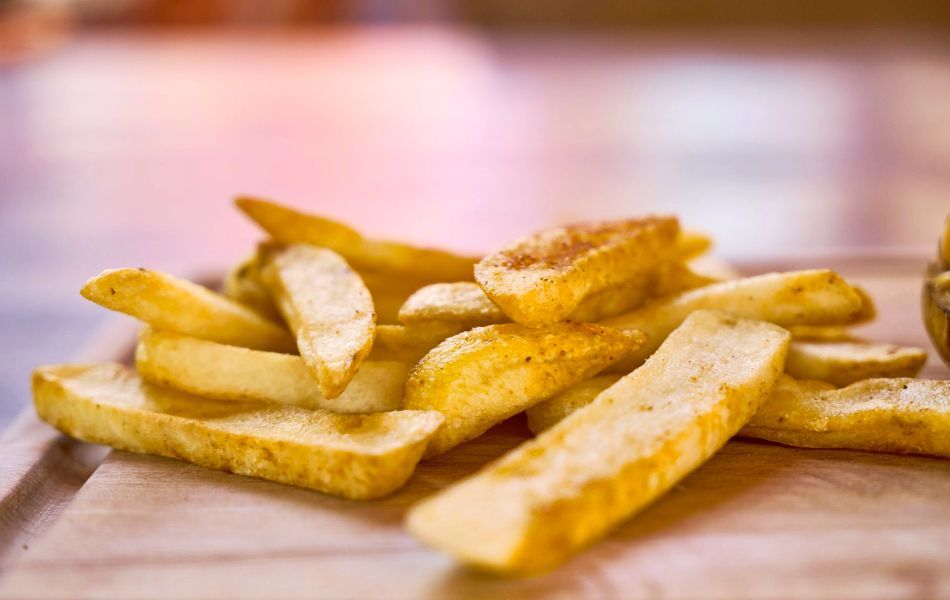
Never eat straight from the bag. Pour one serving into a small bowl and seal the rest. Your eyes tell your brain when you finish, and you feel satisfied. I learned this on movie nights, when an open bag soon sat empty.
Then pair your chips with protein or fiber. A handful beside hummus or Greek yogurt dip keeps you full. You get crunch plus staying power, so you reach for less. Keep water nearby too, since salty food makes you thirsty.
Common Chip Mistakes
Avoid these four slip-ups and you win most of the battle.
- Eating from the bag. A bag gives no clear finish line. A bowl solves this in seconds.
- Trusting pack colors. Green leaves and farm art prove nothing. The facts panel gives you real clues.
- Snacking when you need a meal. Chips seldom hold deep hunger. Add soup, eggs, beans, or a sandwich instead.
- Picking bland “healthy” chips. A snack you dislike sends you searching for more food. Choose a flavor you love, then serve a calm portion.
Serving Ideas That Feel Like a Treat
Chips shine brightest with the right partners. Serve them warm with hummus for a protein punch. The creamy dip matches the crunch perfectly, and guests love it at any gathering.
Pair them with a fresh salad for a balanced plate. The greens cut through the salt and add real vitamins. Salsa and guacamole bring bright, fresh flavor too.
Want a light dinner? Toss chips into a big salad with avocado and tomatoes. You get crunch, creaminess, and veggies in one bite. It feels like a restaurant meal, but stays easy to make.
Chips fit into a healthy life when you choose with care. The question is not whether you eat them at all. The question is which chips earn a spot in your cart.
You deserve snacks that taste great and treat your body well. With these tips, you get both. So grab that bowl, season it your way, and enjoy every satisfying crunch.