Is Sesame Oil Healthy? Nutty Truths and Kitchen Tips
Let me share a little kitchen story. Years ago, I grabbed a small bottle of sesame oil on a whim. One drizzle over stir-fried veggies, and my kitchen smelled like a cozy noodle shop. I was hooked. But then I paused and asked myself the same thing many home cooks do. Is sesame oil healthy, or was I fooling myself with flavor?
So I dug into the facts. I read labels. I tested batches. I even tried it in weekend baking. Today, I want to walk you through what I found, friend to friend.
What Makes Sesame Oil Special
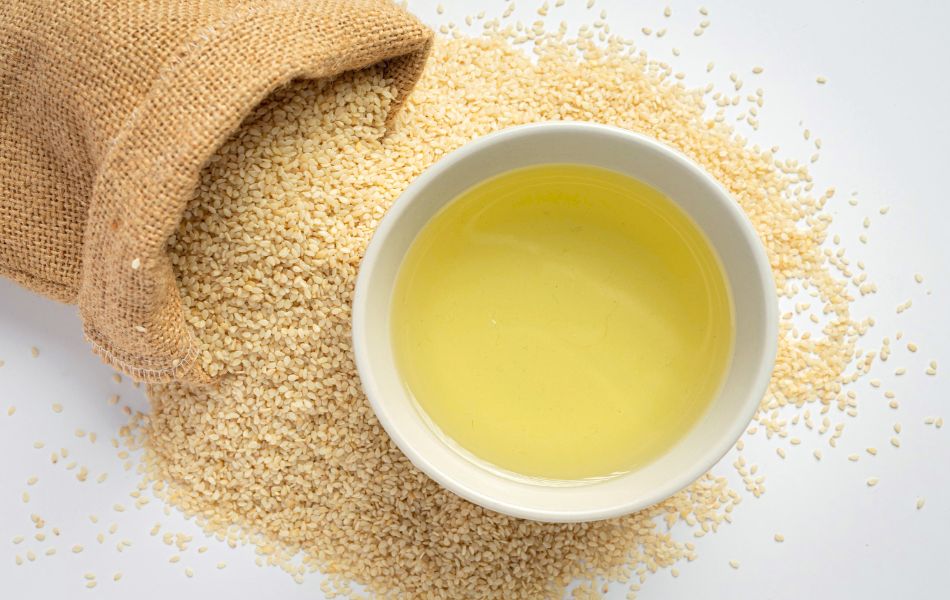
Sesame oil comes from tiny sesame seeds. You know the ones sprinkled on burger buns. Those little seeds hold deep, nut-like flavor and plenty of good fats. When pressed into oil, they give you a rich pantry staple loved in Asian, Middle Eastern, and African kitchens.
You will find two main types on the shelf. Regular sesame oil looks pale gold and tastes mild. Toasted sesame oil looks darker, almost amber, and smells warm and roasted. I keep both bottles at home, since each one does a different job.
Is Sesame Oil Healthy? The Honest Answer
Yes, sesame oil is healthy when you use it wisely. Like most good things, balance matters. A little goes a long way, in flavor and nutrition.
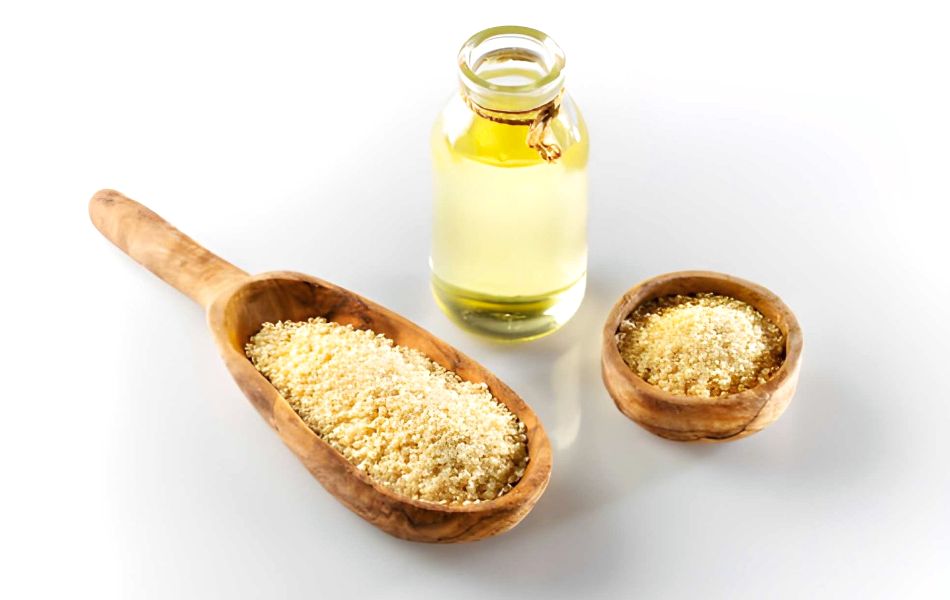
The oil brings mostly unsaturated fats. These are the friendly fats your heart loves. The American Heart Association says swapping saturated and trans fats for unsaturated fats supports heart health. Sesame oil holds both monounsaturated and polyunsaturated fats, which sit in that heart-friendly group.
Here is my honest take. Sesame oil is not a magic potion. But trading it in for heavier fats is a smart, tasty step forward.
Sesame Oil Nutrition at a Glance
Numbers help me trust what I eat. So here are the basics for one tablespoon, about 14 grams.
| Nutrient | Amount per Tablespoon |
|---|---|
| Calories | About 120 |
| Total Fat | About 14 g |
| Saturated Fat | About 2 g |
| Unsaturated Fat | About 12 g |
| Vitamin E | Small amount |
| Antioxidants | Sesamol, sesamin |
See the balance there? Most of the fat is the heart-friendly kind. That number matters most to me.
The calories look high, but you rarely pour a full tablespoon. A teaspoon adds plenty of flavor. So the amount on your plate stays small.
Why Sesame Oil Supports Your Heart
Your heart loves the fats in sesame oil. The blend of monounsaturated and polyunsaturated fats helps manage cholesterol. Some studies suggest gentle improvements when you use it often.
I once switched more of my cooking to sesame oil for a month. My stir-fries tasted better, and I felt lighter. You do not need to overhaul your whole diet. Swap sesame oil for a heavier fat a few times a week and let small changes add up.
Sesame oil has far less saturated fat than butter, coconut oil, or lard. Think of it as a flavorful team player. Olive oil still shines for salads. Avocado oil handles high heat. Sesame oil brings aroma, depth, and a lovely finish.
Antioxidants in Every Drop
Sesame oil carries natural compounds from the seeds. These include lignans like sesamin and sesamol. Researchers study them for their antioxidant roles, which help protect fats and cells from everyday wear.
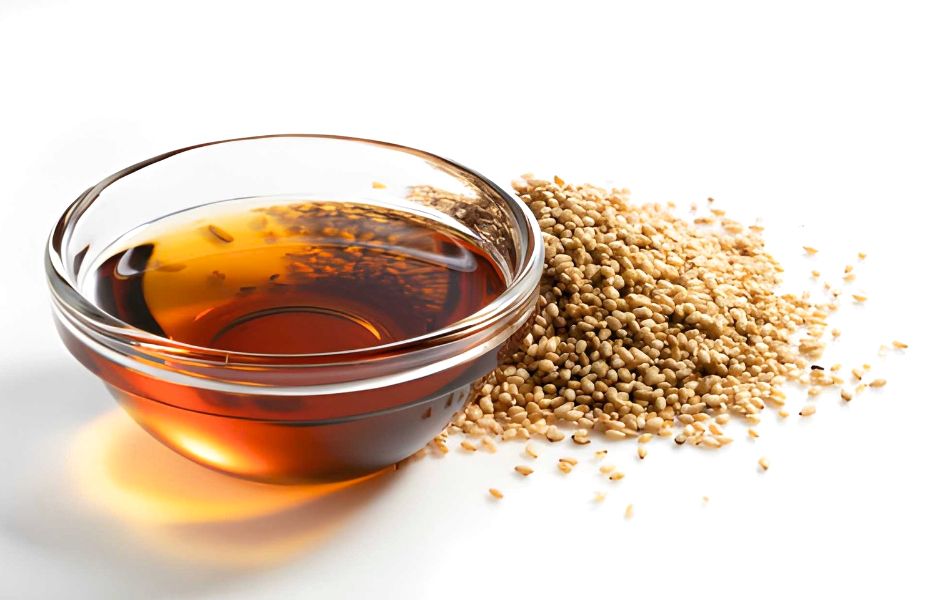
Vitamin E adds another layer of support for your skin and body. When you cook with sesame oil, you get these perks in a form your body absorbs well with food.
Still, treat sesame oil as food, not medicine. Your full plate does the heavy lifting. Vegetables, beans, whole grains, fish, nuts, and fruit matter most. If a small spoon helps you enjoy more greens and tofu, your dinner wins twice.
Toasted vs. Regular Sesame Oil
This part matters more than most people think.
Regular sesame oil comes from raw seeds. Use this type for sautéing, stir-frying, roasting vegetables, and pan sauces. It handles medium-high heat well.
Toasted sesame oil comes from toasted seeds. The smell feels warm and roasted, like nuts in a hot pan. Save this one for the end of cooking or a finishing drizzle.
Heat toasted sesame oil too long, and the flavor turns flat and bitter. I learned this while making garlic green beans. The kitchen smelled amazing for one minute, then harsh for ten. Now I cook the beans first, turn off the heat, then stir in the oil.
How Sesame Oil Compares to Other Oils
You want the full picture, right? So I lined up sesame oil next to other kitchen favorites. This helped me pick the right oil for each dish.
| Oil | Best Use | Flavor | Heart-Friendly Fats |
|---|---|---|---|
| Sesame oil | Stir-fry, finishing | Nutty, warm | High |
| Olive oil | Salads, low heat | Fruity | High |
| Coconut oil | Baking, roasting | Sweet, mild | Lower |
| Butter | Baking, spreads | Creamy | Low |
Notice how sesame oil holds its own. It brings big flavor with a solid fat profile. Each oil has a moment, but the nutty, toasty note wins for me.
Best Ways to Use Sesame Oil
Now for the fun part. Sesame oil shines with bold, fresh food. A little acid, salt, and crunch bring out the best flavor.
Try one teaspoon in these dishes:
- Warm rice with scallions and a fried egg
- Roasted broccoli with garlic and chili flakes
- Cold cucumber salad with rice vinegar
- Noodles with soy sauce and lime
- Chicken marinade with ginger and honey
- Lentil soup with a final drizzle
Here is my golden rule. Add toasted sesame oil at the end, not the start. High heat sends the lovely aroma away. Treat it like fresh herbs. Add late, then let the smell bloom.
How Much Should You Use?
Healthy does not mean unlimited. Sesame oil packs strong flavor, so start small. One teaspoon to one tablespoon per dish works for most cooking.
Here is my favorite trick. Measure with a teaspoon first, then stir and smell. Often one teaspoon gives enough aroma for two servings. Pour straight from the bottle, and you get a greasy surprise. My “oops, too much” noodle bowl still lives in my memory.
Your nose is the best measure. Sesame oil should smell warm and nutty. If the smell takes over the whole plate, use less next time.
A Simple Sesame Dressing
Want to try something today? Here is my fast weeknight dressing. It rescues sad cucumbers, leftover rice bowls, and plain slaw.
- 2 teaspoons toasted sesame oil
- 1 tablespoon rice vinegar
- 1 tablespoon low-sodium soy sauce
- 1 teaspoon honey
- 1 teaspoon grated ginger
- 1 small garlic clove, grated
Whisk everything in a small bowl. Taste with a lettuce leaf, not a spoon. A spoon makes dressing seem stronger than food does. Add more vinegar for brightness or more honey for softness. I make this at least twice a week.
A Flavor-Packed Rice Bowl
Here is a simple bowl for busy nights. Start with warm rice. Add sautéed spinach, shredded carrots, cucumber, and a soft egg.
Stir together soy sauce, rice vinegar, chili flakes, garlic, and one teaspoon toasted sesame oil. Spoon the sauce over the bowl. Sprinkle sesame seeds on top.
This meal tastes layered without much effort. The rice feels cozy, the cucumber gives snap, and the sesame oil ties every bite together. For more protein, add tofu, chicken, shrimp, or edamame.
Baking With Sesame Oil: My Sweet Surprise
You might think sesame oil belongs only in savory dishes. I thought so too. Then I tried it in baking, and my whole view shifted.
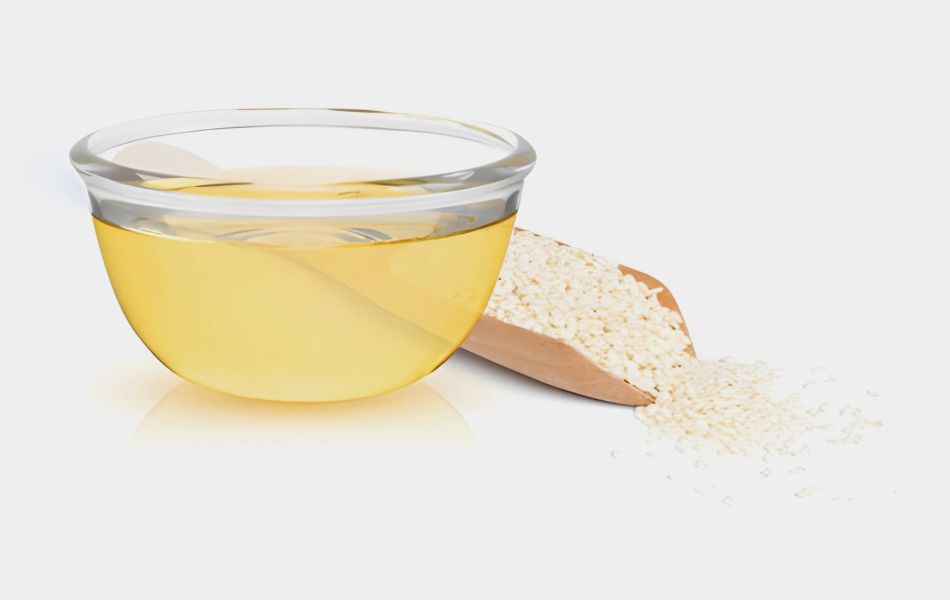
I swapped part of the butter in a biscuit recipe with regular sesame oil. The result was tender, nutty, and lower in heavy fat. My kids ate the whole batch before dinner.
Love biscuits but want a healthier bite? Start small. Replace about a quarter of the butter with regular sesame oil. Taste, then adjust. You keep the flavor you crave while trading heavy fat for the friendly kind.
Who Should Be Careful
Sesame is a major food allergen in the United States. People with a sesame allergy need to avoid the oil unless a health professional gives personal guidance. Always check labels when eating out.
People watching calories also need portion awareness. Oil has no fiber or protein, so fullness comes from the food around it. Pair sesame oil with filling foods like brown rice, eggs, tofu, fish, lentils, or vegetables. If your doctor set a special fat limit, follow that advice.
Reading Labels and Storing It Right
Ingredient transparency matters to me, and I bet to you too. Not all sesame oils are equal, so check the label first. Look for oil with one ingredient, sesame seeds. No fillers. No mystery blends.
Cold-pressed options keep more antioxidants. They are pressed without heavy heat, so more good stuff stays inside. I buy smaller bottles of toasted sesame oil, since the flavor stays brighter.
Store your oil in a cool, dark cabinet with the cap tight. Heat, light, and air age oils fast. If yours smells like old crayons or stale nuts, toss the bottle.
Out of Sesame Oil? Try These Swaps
No panic. Pick the swap based on the dish.
| Need | Swap | Flavor Note |
|---|---|---|
| Mild cooking oil | Avocado or light olive oil | Good for heat, mild taste |
| Nutty finish | Peanut oil plus crushed sesame seeds | Warm, round flavor |
| Salad dressing | Olive oil plus tahini | Creamy sesame taste |
| Stir-fry aroma | Neutral oil plus toasted sesame seeds | Less intense, still tasty |
| Sesame allergy | Olive oil plus ginger and garlic | Safe only if all ingredients fit your needs |
Tahini gives sesame flavor with a creamy feel. Mix it with lemon juice, water, garlic, and a pinch of salt for a silky sauce.
See Also – 7 Healthy Substitutes for Avocado Oil & How to Use Them
A Few Final Thoughts From My Kitchen
So, is sesame oil healthy? For my money, yes. It brings heart-friendly fats, antioxidants, and flavor you will love. Used with care, it earns a spot in your pantry.
I keep two bottles at all times. Regular sesame oil for cooking and baking. Toasted sesame oil for that final, nutty finish.
Try one small swap this week. Drizzle it over veggies or whisk it into dressing. My secret is simple. Add less than you think, then taste. Sesame oil whispers first, then sings. I think you will smile at the first bite.