Is Pudding Healthy? Sweet Truths and Smart Swaps
Pudding feels like a warm hug in a bowl. Silky, sweet, and cozy, it brings back memories of childhood kitchens. Then, while holding a spoon, you wonder: is pudding healthy?
The honest answer depends on what goes into your bowl. Let me share what I have learned after years of tinkering with recipes in my own kitchen. You will get simple swaps, a foolproof recipe, and label tips you will use tonight.
Here are your quick takeaways:
- The pudding base is not the problem. Added sugar and heavy cream tip the scale.
- Small ingredient swaps keep the creamy texture and add real nutrition.
- Portion size shapes your dessert more than any single ingredient.
What Actually Goes Into Pudding
Classic pudding starts with a few simple friends. Milk, sugar, and a thickener like cornstarch or eggs form the base. Some versions add cocoa, vanilla, fruit, or spices for flavor.
The base itself is not the villain here. Milk brings calcium and protein to the table. Trouble starts with heaps of added sugar and heavy cream.
Homemade pudding hands you full control. You choose the milk, the sweetness, and the toppings. Each style also brings its own food value, as the table below shows.
| Pudding Style | Main Ingredients | Health Note |
|---|---|---|
| Milk pudding | Milk, sugar, starch | Calcium and protein vary by milk choice |
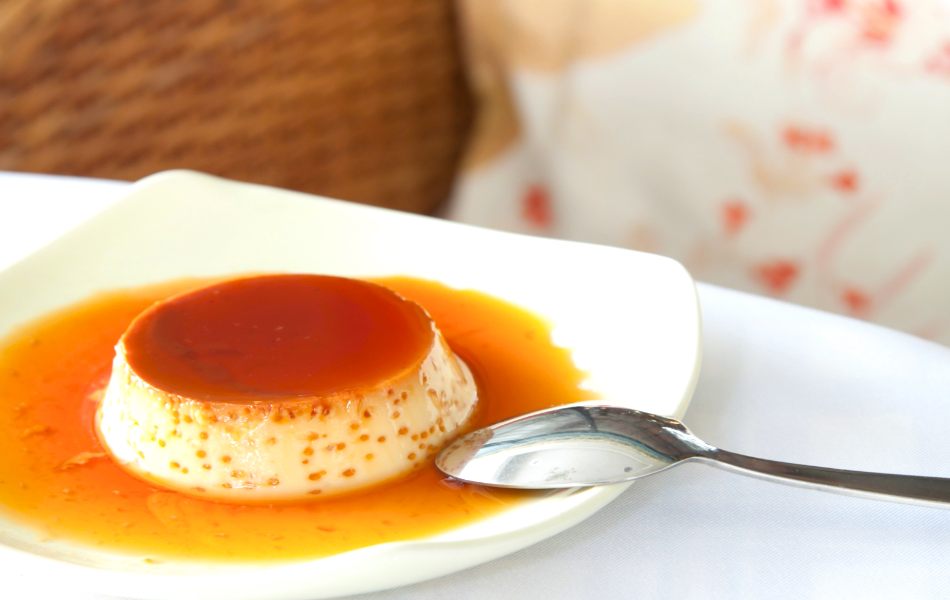
| Custard pudding | Milk, eggs, sugar | Richer texture, plus protein from eggs |
| Chia pudding | Chia seeds, milk, fruit | More fiber and plant fats |
| Rice pudding | Rice, milk, sugar | Higher in starch, often low in fiber |
| Instant pudding | Mix and milk | Fast to make, often sweeter |
Where Pudding Brings Real Food Value
Milk pudding gets key nutrients from dairy. Milk, yogurt, and cheese rank among the top sources of calcium. Calcium supports your bones, teeth, muscles, and nerves.

Protein gives dessert staying power. Dairy milk adds protein, while Greek yogurt and eggs add more. Homemade pudding also welcomes smart mix-ins like chia seeds, oats, nuts, and fruit.
Cocoa powder offers deep chocolate flavor with little sugar. Choose unsweetened cocoa, then sweeten the whole pot to taste. I always add a tiny pinch of salt beside the cocoa. A pinch sharpens chocolate and vanilla notes without making anything taste salty.
The Main Nutrition Concerns
Added sugar deserves the closest look. Store-bought cups sometimes pack more sugar than a candy bar. The FDA lists 50 grams as the Daily Value for added sugar, based on a 2,000-calorie diet.
The American Heart Association sets lower limits. The group suggests 25 grams for most women and 36 grams for most men. One sweet bowl uses a big share of those numbers fast.
Saturated fat also matters in recipes with cream, whole milk, or lots of chocolate. Classic pudding often lacks fiber too, so it leaves you hungry sooner. Fruit, chia seeds, oats, or nuts help fill this gap.
Portion size changes the whole picture. A half-cup bowl feels rich after dinner. A deep cereal bowl turns a small treat into a heavy meal.
So, Is Pudding Healthy or Not?
Pudding sits in the middle of the health scale. It leans one way based on your choices. A serving of homemade vanilla pudding gives you protein, calcium, and comfort.

A giant portion loaded with sugar tips things the wrong way. The good news is you hold the power here. With a few smart tweaks, pudding becomes a dessert you feel proud to serve.
The Sugar Situation and Better Sweeteners
Sugar is where most puddings go off the rails. I learned this the hard way years ago. I made a batch with a full cup of sugar and felt sluggish afterward.
Now I cut the sugar in half and add a splash of vanilla instead. Your taste buds adjust quicker than you think. After a week of less sugar, the old recipe tastes painfully sweet.
Natural sweeteners help a lot here. Mashed banana, a drizzle of honey, or a few dates blend right in. They bring sweetness plus a little fiber and minerals. For a sugar-free option, stevia and monk fruit work well in cold pudding.
Simple Ingredient Swaps for a Healthier Pudding
This is my favorite part. Small changes turn a heavy dessert into something nourishing. You keep the creamy texture and lose the guilt.
Here is the handy table I keep taped inside my pantry door.
| Traditional Ingredient | Healthier Swap | Why It Works |
|---|---|---|
| Whole milk | Almond, oat, or soy milk | Lighter body, plant-based richness |
| White sugar | Mashed banana or dates | Natural sweetness plus fiber |
| Heavy cream | Greek yogurt | More protein, less saturated fat |
| Cornstarch | Chia seeds | Added omega-3s and fiber |
| Artificial vanilla | Pure vanilla extract | Real flavor, no additives |
| Milk chocolate | Unsweetened cocoa powder | Antioxidants, less added sugar |
I swap regular milk for oat milk in most batches now. It keeps things light and adds a soft sweetness. My family never noticed the change, and they finish every bowl.
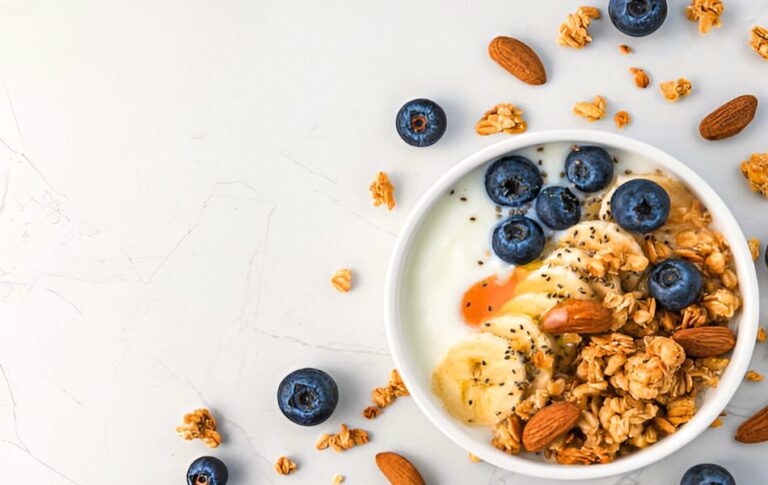
Chia seeds are my secret weapon. Soak them in milk overnight and they thicken like magic. You wake up to a ready-made breakfast full of fiber.
Chocolate Pudding, Made Better
Chocolate lovers, this one is for you. You do not need to give up your favorite flavor to eat well. A few smart moves keep it rich and satisfying.
Start with unsweetened cocoa powder instead of sugary syrup. Blend it with a ripe avocado for surprising creaminess. Avocado sounds strange in dessert, I know, but you taste only chocolate.
The avocado melts into a velvety base packed with healthy fats and potassium. Add a spoon of maple syrup and a pinch of sea salt. The salt wakes up the chocolate and rounds out the sweetness. This trick changed how I make dessert forever.
Reading Store-Bought Labels Like a Pro
Your eyes are your best tool at the store. Front-of-box claims often mislead you. The real story hides in the ingredient list and nutrition panel.
Start with the serving size. Some tubs hold two or more servings in one cup. Next, check added sugar rather than total sugar, since total sugar includes natural milk sugar.
Use the percent Daily Value as a fast guide. The FDA calls 5 percent or less low and 20 percent or more high. Then scan the ingredient list, where items appear from most to least by weight.
I keep a simple rule while shopping. If my grandmother would recognize the ingredients, I trust the product. This test has never steered me wrong.
Pudding for Different Eating Needs
Lactose intolerance does not need to end pudding night. Lactose-free milk works like regular milk in most recipes. It also holds much the same food value as dairy milk.
Plant-based cooks should look for milk with added nutrients. Check the label for calcium and vitamin D. Fortified soy milk offers a nutrient mix close to dairy.
If you watch blood sugar, note your serving size and total carbs. Favorite foods still fit in smaller amounts or less often. A care plan from your doctor comes first.
Remember, a milk allergy differs from lactose intolerance. People with a milk allergy need fully dairy-free ingredients, not lactose-free milk.
Is Chia Pudding Healthier Than Regular Pudding?
Chia pudding often brings more fiber and plant fats. Classic dairy pudding offers a smoother texture and more calcium. The best choice rests on your needs and toppings.
A chia bowl drowning in syrup grows too sweet fast. A lightly sweet dairy pudding with berries stays balanced. For a happy middle ground, mix chia with yogurt and milk, then add cocoa.
Enjoy Every Spoonful
So, is pudding healthy? Now you know the answer lives in your hands. The right ingredients turn a sugary indulgence into a nourishing treat.
You do not have to quit dessert to eat well. Swap the milk, trim the sugar, and add real food. Your pudding stays creamy, sweet, and fully satisfying.