How to Store Fresh Herbs and Keep Them Fresh Longer
There is nothing sadder than a bag of slimy cilantro. You buy a beautiful bunch, use a few sprigs, then forget the rest. Three days later, mush. I have been there more times than I want to admit.
The good news? Fresh herbs love a little care. Once you learn how to store fresh herbs the right way, you stop wasting money. You also start cooking with brighter flavor. Let me share the simple tricks I use every week.
Here is what you will learn:
- Why herbs wilt so fast
- The best storage method for each type
- How to freeze and dry herbs for later
- Common mistakes to skip
Why Fresh Herbs Wilt So Fast
Herbs are living things, even after you cut them. They keep breathing, losing water, and reacting to their surroundings. Too much moisture makes them rot. Too little dries them into dust.
The secret is balance. You want gentle humidity, cool air, and room to breathe. Get those three things right, and your herbs stay perky for a week or more.
Cold air matters too. Most herbs enjoy the fridge. Basil turns fussy because chilly air darkens the leaves. Think of herbs like fresh flowers. Some sit best in water. Others prefer a cozy wrap.
Sort Your Herbs: Soft vs. Hardy
Before you store anything, sort your herbs into two groups. This one step changes everything. I like to lay the bunches on the counter and separate them by feel.
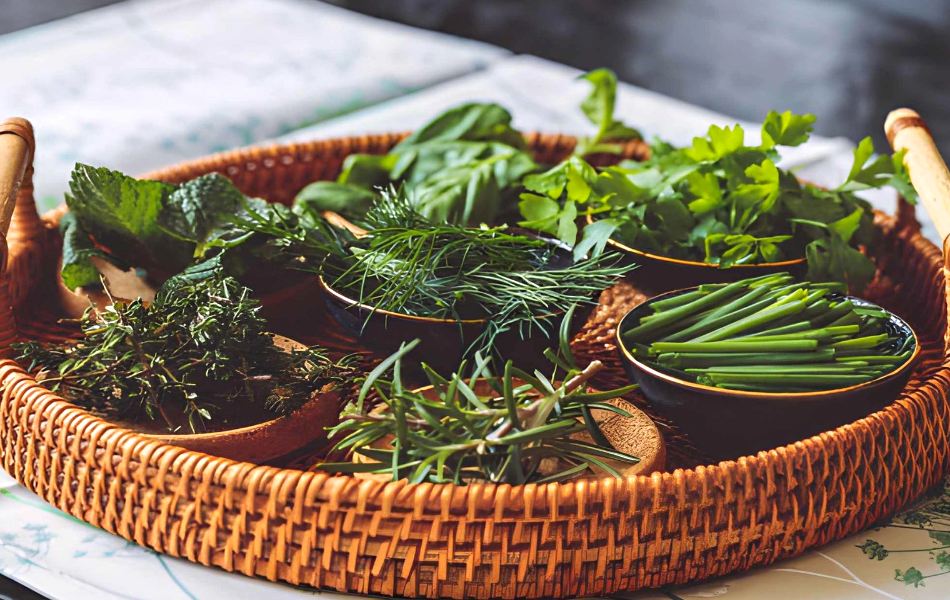
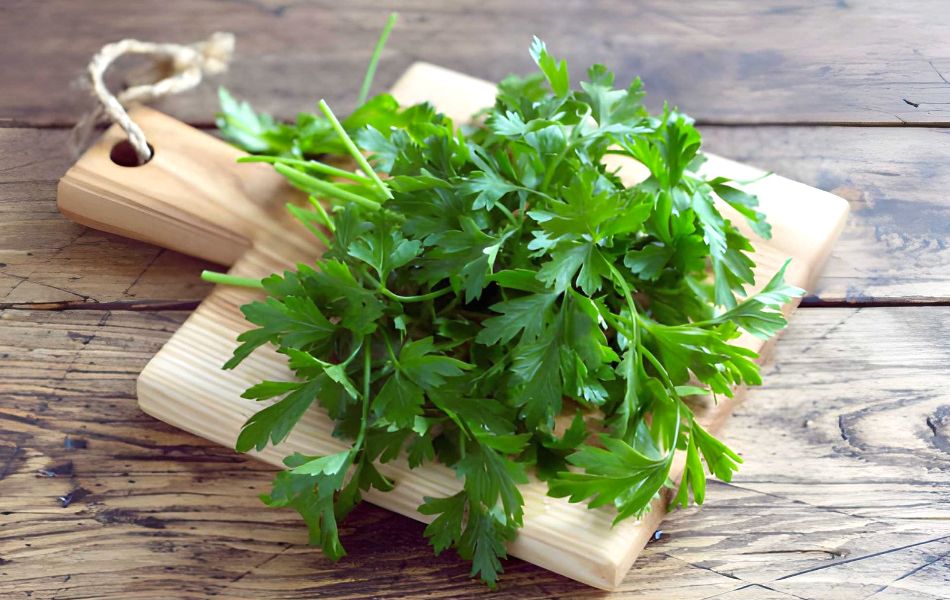
Soft herbs have tender stems and delicate leaves. Parsley, cilantro, dill, mint, and basil fall here. They bruise easily and enjoy moisture near the stems.
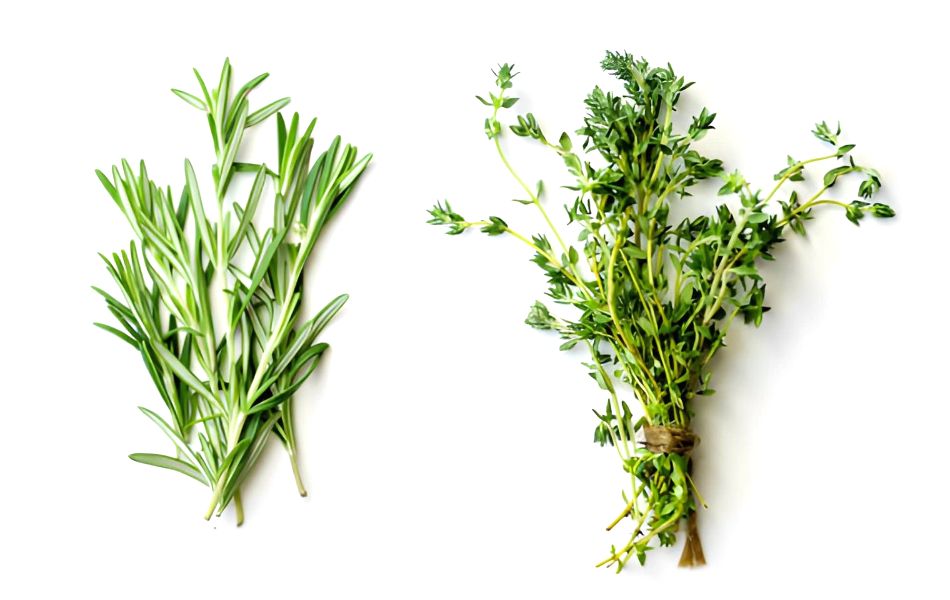
Hardy herbs have woody, twig-like stems. Rosemary, thyme, oregano, and sage belong in this crew. They last longer and prefer light moisture around the leaves.
Here is the easy rule I use. If the stem bends like a flower stem, use a jar. If the stem feels like a tiny twig, use a towel.
Prep Your Herbs Before Storage
Open the bundle as soon as you get home. Market twist ties and tight plastic trap moisture. Loose herbs breathe better and bruise less.
Pick out yellow, black, or slimy leaves. One bad leaf spreads trouble through the whole bunch. I learned this after losing a full bunch of dill to one hidden wet patch.
Trim the stem ends with clean scissors. Snip off about half an inch. Fresh cuts help the stems drink water. Skip washing until you plan to cook, unless the herbs look gritty.
The Jar Method for Soft Herbs
Soft herbs love water, much like a bouquet. This method keeps parsley, cilantro, and mint bright for two weeks. The stems sip water while the leaves stay protected.
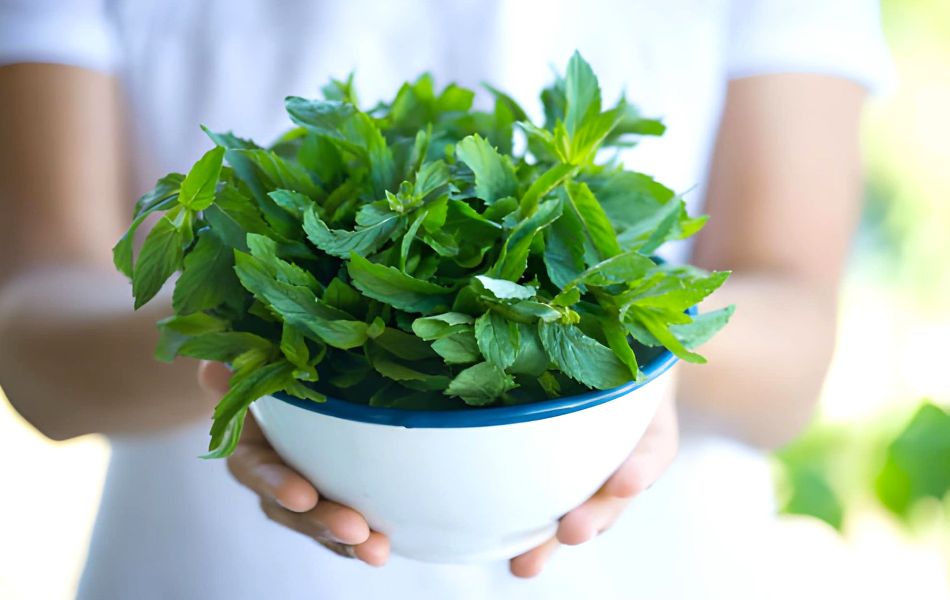
Fill a jar with an inch or two of cool water. Stand the trimmed herbs inside, stems down. Drape a loose bag over the leaves to trap gentle humidity. Never seal the bag tight.
Pop the whole thing in the fridge. Set it near the front where you will see the leaves. Change the water every two or three days. Trim the stems again if they look brown.
Keep Basil on the Counter
Basil hates the cold. Store it in the fridge and the leaves turn black and bitter. This herb wants warmth instead.
Treat basil like a countertop flower. Trim the stems and place them in a jar with an inch of water. Keep the leaves above the water line. Set the jar away from direct sun and stove heat.
Refresh the water daily. Basil stays green for about a week this way. Sometimes it even grows roots, and you can plant it in soil. Mint works well with this counter trick too.
The Damp Towel Method for Hardy Herbs
Hardy herbs prefer a snug wrap over a water bath. Their woody stems hold moisture well, so they need less fuss. A damp paper towel works like a soft blanket, not a wet sponge.
Rinse your rosemary or thyme gently. Pat the sprigs dry with a clean towel. Extra water on the leaves speeds up spoilage. Lay the herbs on a slightly damp paper towel.
Roll them up loosely, like a little sleeping bag. Slide the roll into a container or bag with a small air opening. Store it in the fridge crisper drawer. I have kept thyme fresh for nearly a month this way.
Fresh Herb Storage Cheat Sheet
Keep this table handy when you unpack groceries. It takes the guesswork out.
| Herb | Best Storage | Best Spot | Fresh Life |
|---|---|---|---|
| Basil | Jar with water | Counter | 5 to 7 days |
| Parsley | Jar with water | Fridge | 7 to 14 days |
| Cilantro | Jar with water | Fridge | 7 to 14 days |
| Mint | Jar with water | Fridge | 5 to 7 days |
| Dill | Jar with water | Fridge | 5 to 7 days |
| Rosemary | Damp towel wrap | Fridge | 2 to 3 weeks |
| Thyme | Damp towel wrap | Fridge | 2 to 3 weeks |
| Sage | Damp towel wrap | Fridge | 1 week |
| Oregano | Damp towel wrap | Fridge | 5 to 10 days |
These ranges depend on how fresh the herbs were at the store. Farmers market bunches often last longer because they spent less time in transit.
Freeze Fresh Herbs for Later
Sometimes you buy too much or grow a garden full. Freezing locks that flavor in for months. This is my favorite trick for busy weeks. Frozen herbs work best in cooked food, not fresh salads.
The oil method works beautifully. Chop your herbs and pack them into an ice cube tray. Cover each pocket with olive oil or melted butter, then freeze. Once solid, move the cubes into a labeled bag.
Drop one straight into a hot pan when you cook. The oil protects the herbs and adds instant flavor. I use parsley cubes in lentil soup, and the taste stays bright all winter.
You can freeze herbs plain too. Spread whole leaves on a tray, freeze, then bag them up. For rosemary and thyme, freeze whole sprigs first. You will strip the leaves off later with less mess.
| Method | Best For | Freezer Life |
|---|---|---|
| Oil cubes | Rosemary, thyme, sage | Up to 6 months |
| Plain frozen leaves | Basil, parsley, cilantro | 3 to 4 months |
| Herb paste blends | Mixed soft herbs | 4 to 6 months |
Freezing changes the texture a little. The flavor, though, stays strong and true.
Dry Hardy Herbs the Simple Way
Drying suits hardy herbs well. Rosemary, thyme, and oregano dry like a dream. Their flavor even deepens as they dry.
Tie a small bundle with string. Hang it upside down in a warm, dry spot with good airflow. Wait one to two weeks until the leaves crumble easily.
Strip the dried leaves off the stems. Store them in a sealed jar away from light. Homemade dried herbs taste far brighter than old store jars. Skip drying soft herbs like basil, since they lose most of their flavor.
Wash and Serve Herbs the Smart Way
Wash herbs right before you use them. Fill a bowl with cool water. Swish the herbs gently so grit drops to the bottom. Lift the herbs out rather than pouring the water over them.
Drying matters more than many cooks think. Wet leaves water down dressings and sauces. Pat them with towels or spin them in a salad spinner.
For cilantro and parsley, the stems carry flavor too. Chop tender stems into salsa, soups, and grain bowls. Save thicker stems for stock or compost.
Rescue Herbs Before They Fade
When herbs start looking tired, move fast. A soft leaf still holds flavor. A slimy leaf does not. The trick is to cook or blend them before texture becomes a problem.
Make a quick green sauce with parsley, cilantro, mint, or basil. Chop the herbs with garlic, lemon juice, olive oil, and salt. Spoon this over eggs, beans, grilled chicken, or roasted carrots.
You can also stir chopped herbs into softened butter. Add lemon zest and black pepper. Roll the butter in parchment and chill. Slice a coin over hot corn, potatoes, or toast.
Common Mistakes to Avoid
Even careful cooks slip up. I have made every one of these. Learn from my kitchen fails.
- Washing too early. Wet herbs rot fast. Wash them only before cooking, or dry them fully first.
- Sealing them airtight. Herbs need to breathe. A tight bag traps moisture and speeds up decay.
- Treating every herb the same. Basil hates the fridge. Rosemary dislikes a water bath. Each bunch has a personality.
- Chilling basil. Cold air ruins it. Keep basil on the counter.
- Overcrowding the jar. I once crammed three bunches into one jar. They lasted half as long.
Smart Tips for Longer Freshness
A few extra habits stretch your herbs even further. These small moves add up over time.
- Buy rooted herbs when you can. Rooted basil or mint lasts longer, and some sprout new growth.
- Check your herbs every couple of days. Pull out wilted or dark leaves right away.
- Keep herbs away from apples and bananas. These fruits release a gas that ages produce faster.
- Label frozen herbs with the date. Nobody enjoys mystery freezer cubes.
- Keep scissors near your jar. Snip what you need without bruising the rest.
FAQ About Storing Fresh Herbs
Should fresh herbs go in the fridge?
Most herbs belong in the fridge. Parsley, cilantro, dill, mint, rosemary, thyme, sage, and oregano all like cool storage. Basil prefers the counter in a jar of water.
Should you wash herbs before storing?
Wash herbs before cooking, not before storage. Extra water shortens their life. If herbs arrive muddy, rinse them gently and dry them fully first.
Why do herbs turn slimy?
Herbs turn slimy when moisture gets trapped around the leaves. Tight bags, wet bunches, and crowded containers cause this. Remove bad leaves early and give the herbs more space.
What is the best way to store fresh herbs for meal prep?
Use jars for soft herbs and damp towel wraps for hardy ones. Chop some herbs into freezer cubes for cooked meals. This gives you fresh leaves for salads and frozen flavor for busy nights.
See Also – Master Bok Choy Cooking with These Essential Tips
Turn Fresh Herbs Into Everyday Flavor
Storing herbs well means you always have flavor on hand. Toss chopped parsley over roasted vegetables. Blend basil into a quick pesto. Stir frozen thyme cubes into soups. These small moves turn simple meals into something special.
Now you know how to store fresh herbs and enjoy that same joy in your own kitchen. Start small this week. Set up one jar of water and one damp towel wrap. Keep basil on the counter like a tiny green bouquet.
Soon herbs will become your easiest kitchen upgrade. Your future self, and your grocery budget, will thank you. Which method will you try first?