
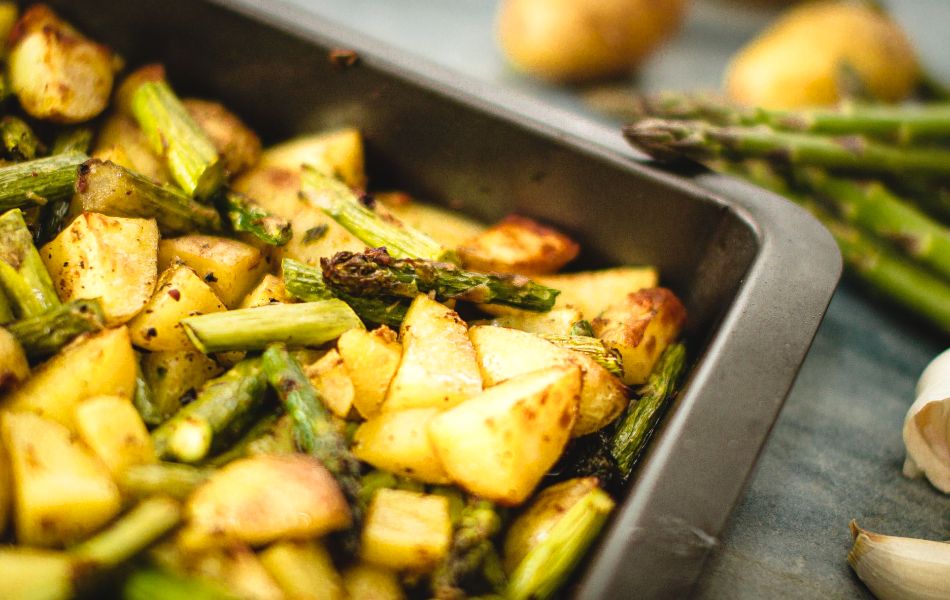
How to Make Roasted Vegetables
Soggy vegetables ruin a good dinner. You pull the tray out, hoping for golden edges, and find limp mush instead. This happens to solid cooks all the time. The fix is simpler than you think.
A few small habits turn tired produce into the best part of your plate. Let me share what I do in my own kitchen, plus the little tricks that make everything sing.
Why Roasting Beats Boiling Every Time
Boiling pulls flavor and nutrients into the water, then down the drain. You lose color, texture, and much of the good stuff your body wants.
Roasting does the opposite. Dry heat draws out moisture and caramelizes the natural sugars in each vegetable. You get sweet, nutty, browned edges with a tender middle.
Here is the part I love most. Roasted veggies keep more of their vitamins than boiled ones. You feed your family something wholesome without anyone complaining about eating their greens.
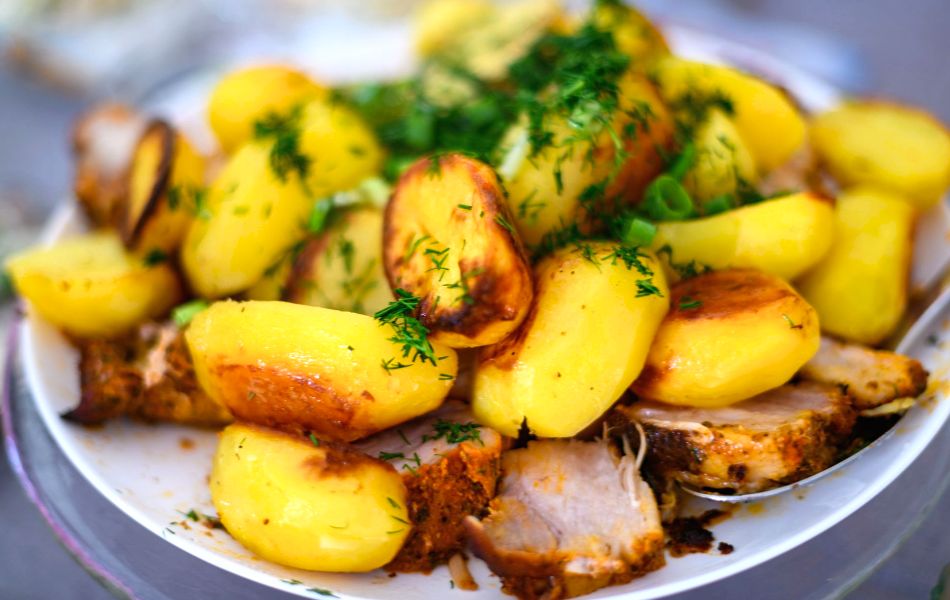
The 5 Golden Rules for Crispy Veggies
Crispy roasted vegetables come down to a handful of habits. Nail these five, and you win almost every time.
- Dry your vegetables well. Wet surfaces steam instead of brown. Pat everything with a clean towel before you season.
- Use enough oil, but not too much. A light coat helps heat spread and edges crisp. About one tablespoon per pound works well.
- Give them space. Crowding traps steam. Spread pieces in a single layer with room between them.
- Cook hot. Low heat dries food out slowly. High heat browns fast and locks in flavor.
- Cut evenly. Same-size pieces cook at the same speed. No more half-burnt, half-raw trays.
I learned the crowding rule the hard way. I once piled three pounds of broccoli onto one pan and got a sad, gray heap. Now I grab two pans without a second thought.
What You Need
Start with about two pounds of produce for one large tray. Add two tablespoons of olive oil, one teaspoon of salt, and black pepper. This amount coats each piece without leaving a greasy pool.
Choose a wide, rimmed metal baking sheet. Metal heats fast and browns the bottoms well. Glass dishes hold moisture longer, which gives softer results.
How to Make Roasted Vegetables Step by Step
Ready for the method? Here is how to make roasted vegetables with golden edges and a tender bite. Follow these steps, and you will get them right the first time.
Step 1: Heat the Oven First
Set your oven to 425°F, or 220°C. This heat browns the outside before the inside turns to mush. Let the oven fully preheat, since a cold start steams your food.
Place one rack near the center. This spot gives steady heat above and below the tray. Skip the lowest rack, since dark bottoms show up fast there.
Step 2: Wash and Dry Every Piece
Rinse your produce, then dry each piece with a clean towel. Water left on the surface turns to steam. Steam blocks crisp edges and leaves seasoning patchy.
This step once felt fussy to me. Then I roasted wet broccoli beside dry broccoli. The dry batch browned faster and tasted much sweeter.
Step 3: Cut Similar Sizes
Cut each vegetable into pieces of the same size, around one inch thick. Small pieces burn before the center softens. Large chunks stay firm too long. Even cuts help the whole tray finish together.
Keep dense roots near one inch. Leave broccoli florets slightly larger, since thin tips brown fast. Slice onions into thick wedges so they hold their shape.
Step 4: Season With Your Hands
Place the cut pieces in a large bowl. Add oil, salt, and pepper, then toss until every piece looks lightly glossy. Bare spots stay pale, so cover them all.
Use your hands for the best coating. Your fingers reach the small gaps around broccoli and cauliflower. Wash your hands well before and after mixing.
Step 5: Spread the Pieces Apart
Line a sheet pan with parchment for easy cleanup. Spread the coated pieces in one layer with gaps between them. Flat sides should face the metal whenever possible.
Crowding leads to soft, watery veggies. Use two trays when one looks packed. Swap their rack positions halfway through.
Step 6: Roast and Flip
Slide the tray in and leave the door closed. Set a timer for the lower end of the range below. Turn each piece once after the bottoms look golden. Pull the tray when the edges turn crisp and the centers feel tender.
Roasting Times and Temperatures by Vegetable
Different veggies need different times. This table takes the guesswork out of your next tray of oven-roasted vegetables.
| Vegetable | Temperature | Time | Cut Size |
|---|---|---|---|
| Broccoli | 425°F | 18–24 min | Medium florets |
| Cauliflower | 425°F | 22–28 min | Medium florets |
| Carrots | 425°F | 25–35 min | 1-inch chunks |
| Potatoes | 425°F | 30–40 min | 1-inch cubes |
| Sweet potatoes | 425°F | 28–38 min | 1-inch cubes |
| Brussels sprouts | 425°F | 22–30 min | Halved |
| Bell peppers | 425°F | 18–25 min | 1-inch strips |
| Zucchini | 425°F | 15–22 min | Thick half-moons |
| Green beans | 425°F | 15–20 min | Whole, trimmed |
| Mushrooms | 425°F | 20–28 min | Halved or whole |
| Red onions | 425°F | 25–35 min | Thick wedges |
Piece size, oven strength, and pan material shift these numbers. Check early, then roast longer when needed.
Best Vegetables to Roast Together
Mixing the wrong veggies leads to trouble. Soft ones burn while hard ones stay raw. The trick is to pair vegetables that finish around the same time.
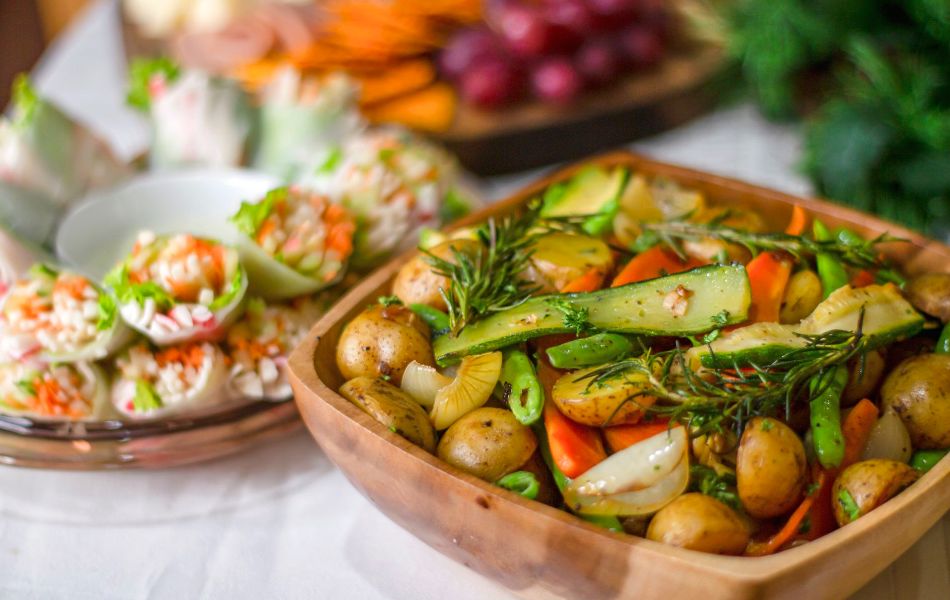
Here are combos I reach for again and again:
- Root medley: Carrots, potatoes, and onions roast into a sweet, hearty side.
- Green and bright: Broccoli, bell peppers, and red onion bring color and crunch.
- Fall favorite: Brussels sprouts, sweet potatoes, and a drizzle of maple make cozy magic.
- Quick tray: Zucchini, asparagus, and cherry tomatoes cook fast for busy nights.
Want to mix slow and fast veggies? Give the hard ones a head start. Roast potatoes for ten to fifteen minutes, then add the softer pieces. Everything finishes together, golden and happy.
Favorite Seasoning Ideas
Salt and pepper make a strong start. From there, spices give each tray a new mood. Keep dry spices light, since high heat turns thick coatings bitter.
Smoky and savory. Mix one teaspoon smoked paprika with half a teaspoon garlic powder. Add a pinch of cumin for warm depth. I love this blend on cauliflower, carrots, and sweet potatoes.
Lemon and herb. Toss with dried oregano before roasting. Finish with lemon juice, parsley, and a little grated lemon peel. This suits zucchini, peppers, onions, and green beans.
Sweet and spiced. Toss carrots or squash with cinnamon and a pinch of chili flakes. Add one teaspoon of maple syrup during the final five minutes. Early sugar burns, so late timing matters.
Cheesy and crisp. Sprinkle grated Parmesan over broccoli or Brussels sprouts in the final eight minutes. The cheese forms salty, crisp spots around the edges. Use less salt when cheese joins the tray.
I keep a jar of my own spice mix on the counter. One shake, and dinner tastes like I fussed for an hour.
Common Mistakes and How to Fix Them
Even seasoned cooks slip up. Here are the errors I see most, plus the simple fix for each.
- Your veggies steam instead of crisp. You crowded the pan or skipped drying. Spread them out and pat them dry first.
- The edges burn while centers stay hard. Your pieces were uneven or too big. Cut smaller, uniform chunks next time.
- Everything tastes flat. You under-seasoned. Salt every piece before roasting, then finish with lemon, vinegar, herbs, or nuts.
- The bottom sticks. You skipped oil or parchment. Coat the pieces well and let them brown before lifting.
- The spices taste burnt. You used a thick coating or added fresh garlic too soon. Keep dry spices light, and stir in fresh garlic during the last five minutes.
One more thing: resist the urge to peek. Every time you open the oven, heat escapes and browning slows. Set a timer and trust the process.
Flavor Secrets From My Kitchen
Warm the empty metal tray in the oven for five minutes. The hot surface gives flat sides a fast sear. Handle the pan with care, since the metal gets fiercely hot.
Placement matters more than people think. Set Brussels sprouts cut-side down. Rest cauliflower and broccoli on their broadest sides. More contact with metal means more golden flavor.
Save delicate extras for the end. Fresh herbs, citrus juice, soft cheese, and toasted seeds taste brighter after roasting. Early heat dulls their fresh notes.
Serving and Storage Tips
Pile warm veggies beside roast chicken, fish, lentils, or rice. Add a spoonful of yogurt sauce for a cool contrast. For pasta, toss the pieces with olive oil, Parmesan, and a splash of pasta water.
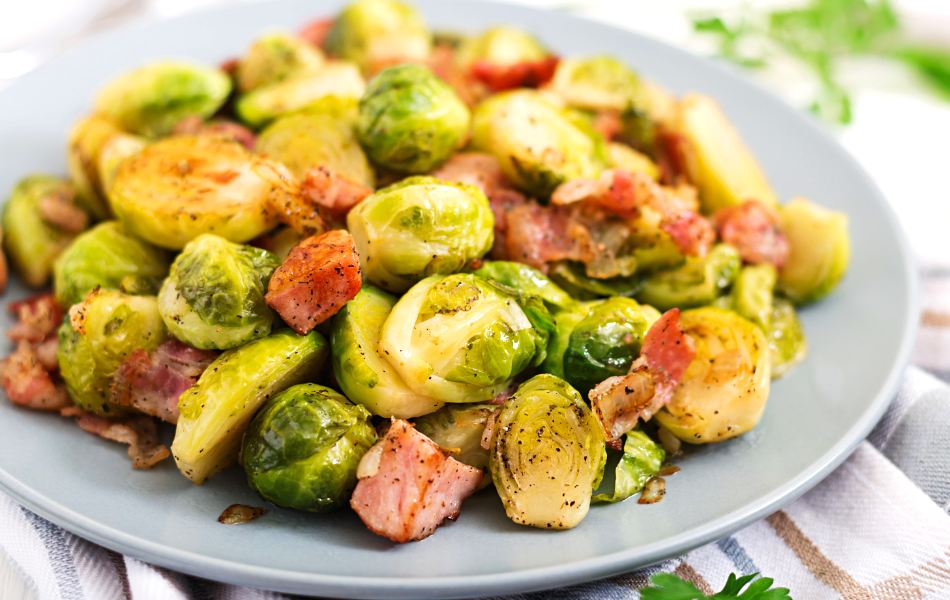
Leftover roasted vegetables make weekday meals easy. Cool them first, then store in an airtight container for up to four days. Keep fresh herbs and sauces separate.
Skip the microwave if you want the crunch back. Reheat on a metal tray at 400°F for eight to twelve minutes. A hot skillet or air fryer works well too.
I roast a double batch every Sunday. Then I toss the extras into grain bowls, wraps, and omelets all week.
Frequently Asked Questions
What temperature works best?
Set your oven to 425°F, or 220°C, for most produce. This heat browns the edges before the centers grow too soft. Tender picks need an earlier check.
How much oil should I use?
Use about one tablespoon per pound of produce. The pieces should look lightly glossy, not soaked. Add a splash more only when dry spots remain.
Should I cover the tray?
Leave the tray uncovered. A cover traps steam and softens the edges. Open heat gives better color and a firmer bite.
When should I add garlic?
Add garlic powder before roasting. Stir in fresh minced garlic during the final five minutes. This timing keeps fresh garlic from scorching.
Why do my veggies cook unevenly?
Uneven sizes and mixed cook times cause this. Cut similar pieces and give dense roots a head start. Turn the tray once if your oven runs hot on one side.
Your Next Tray Awaits
Great roasting needs heat, space, and a light coat of oil. Dry surfaces and even cuts make the biggest difference. Fresh finishing flavors turn plain produce into a side you crave.
Start with one combo tonight. Toss it in oil, add your favorite spices, and let the oven do the work. Once you taste those crispy, golden edges, you will never boil your veggies again.
One Comment