How to Cook Potatoes in the Oven for Crispy Perfection
Few kitchen smells feel as comforting as potatoes roasting in a hot oven. The edges turn golden. The centers grow soft and fluffy. Your whole home starts to smell like Sunday dinner.
Once you learn how to cook potatoes in the oven, weeknight meals feel easier. You get big flavor with little effort. Better yet, you control every wholesome ingredient on that tray.
Let me share my favorite tips and small secrets. By the end, you will roast potatoes with real confidence.
Why Oven Potatoes Win
Fried potatoes taste good, but they soak up loads of oil. Oven potatoes give you the same crunch with far less fat. You still get crispy edges without deep-frying anything.
This matters when you watch what you eat. A drizzle of good olive oil goes a long way. You feed your family a nourishing side without the heavy grease.
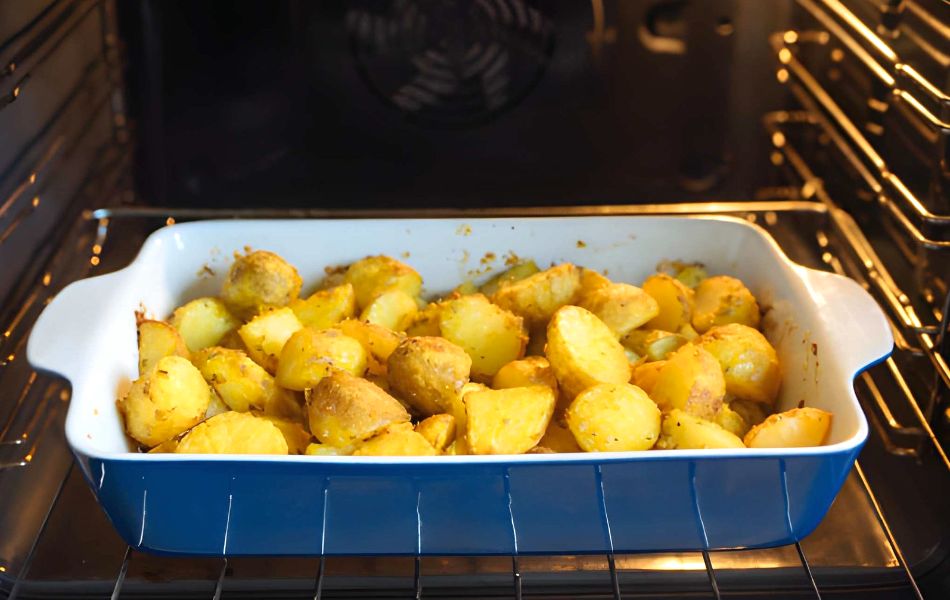
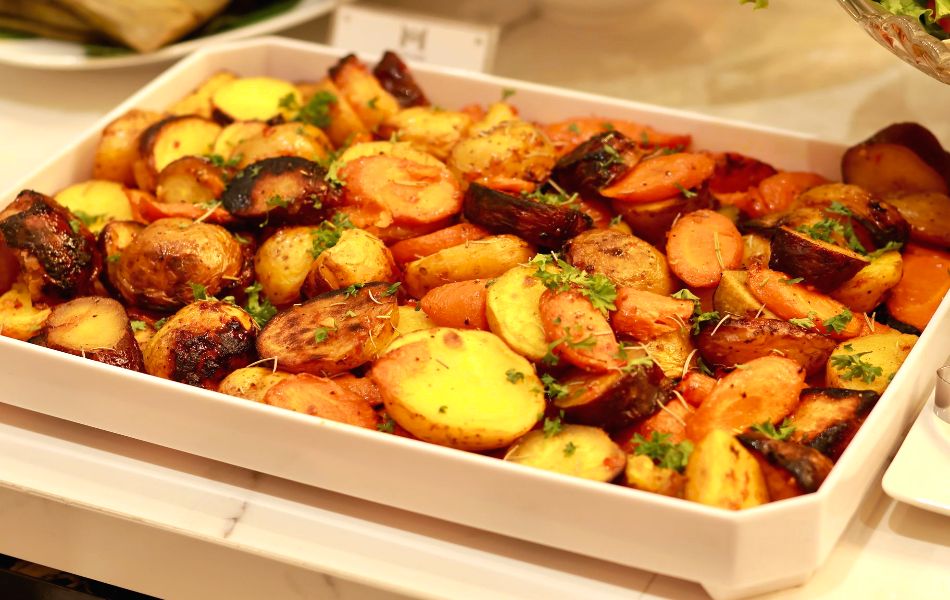
Roasted potatoes fit almost any plate. Serve them with chicken, fish, or a green salad. They work for breakfast too, with eggs on the side.
Choose the Right Potato
Not all potatoes roast the same way. Some turn crispy. Others stay creamy. Picking the right one makes a big difference in your final dish.
Each type holds different starch and moisture levels. High-starch potatoes crisp up well. Low-starch potatoes hold their shape. Use this simple guide to choose the correct bag.
| Potato Type | Best Oven Method | Texture When Roasted |
|---|---|---|
| Russet | Whole baked or wedges | Fluffy center, crisp edges |
| Yukon Gold | Cubes, slices, halves | Creamy and buttery |
| Red potato | Cubes or quarters | Firm and holds shape |
| Baby potato | Halved or whole | Tender with crisp edges |
| Sweet potato | Cubes or wedges | Soft, sweet, browned |
I reach for Yukon Gold most often. You get crispy outsides and buttery middles. Russets shine when you want extra crunch and fluffy centers.
Red potatoes stay firm, so use them for chunky bites and salads. Sweet potatoes roast the same way, though their natural sugars brown faster. They pair beautifully with cinnamon or paprika.
Prep Your Potatoes for Better Texture
Good prep sets you up for success. Start by scrubbing each potato under cool water. Dirt often hides in small grooves, especially on russets.
Peeling stays optional. I leave the skin on for most recipes. The skin adds fiber, texture, and a rustic look you will love.
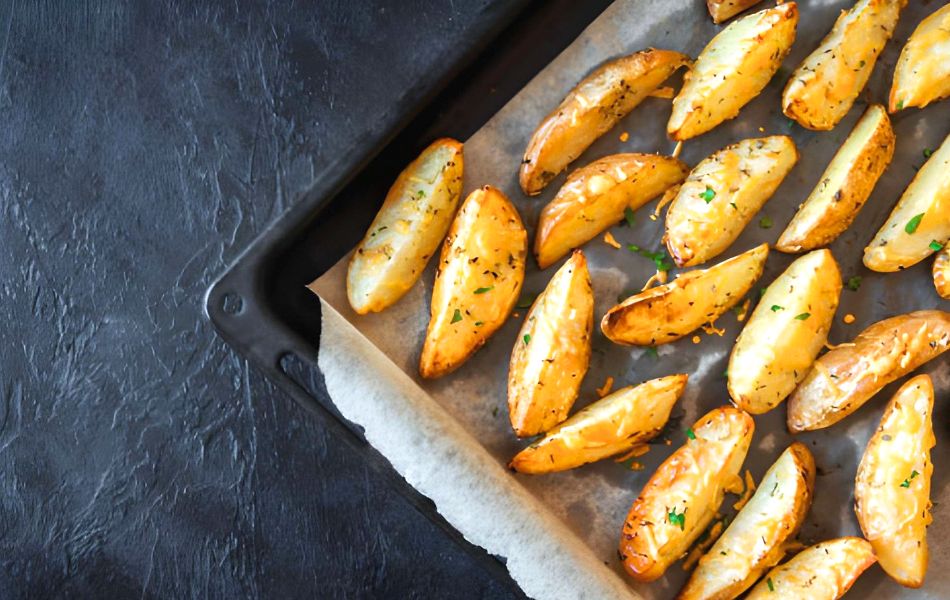
Cut your potatoes into even pieces so they cook at the same speed. Aim for one-inch cubes for the best balance. Uneven chunks leave you with burnt bits and raw centers.
Soak, Then Dry Well
Here is my top flavor secret. Soak your cut potatoes in cold water for 20 to 30 minutes. This pulls out extra starch and gives you crispier edges.
After soaking, dry them fully with a clean towel. Wet potatoes steam instead of roast. Dry potatoes crisp up beautifully.
I once rushed this step and tossed damp potatoes onto the tray. They stayed pale and tasted boiled. Since then, I treat drying as part of the recipe.
The Parboil Option
Want restaurant-style crunch? Parboil your potatoes before roasting. Boil one-inch chunks for six to eight minutes, then drain.
Shake the drained potatoes in the pot for a few seconds. Their edges turn fuzzy and rough. Those rough spots catch the oil and turn deeply crisp in the oven.
Add a pinch of baking soda to the boiling water for even more crust. Toss with oil, then roast. This step feels extra, but the results wow every time.
Pick the Right Fat
The fat you choose shapes both crunch and flavor. High smoke points let you roast safely at high heat. Match your fat to your meal.
- Olive oil brings a fruity flavor and lovely golden color. Keep the oven at or below 425°F to avoid smoking.
- Avocado oil tastes mild and handles very high heat with ease. Its clean flavor lets your seasonings shine.
- Melted butter adds rich flavor, though butter browns faster than oil.
Use about 1½ tablespoons of oil per pound of potatoes. Too little leaves dry spots. Too much makes the tray greasy. For a lighter side, olive oil gives you heart-friendly fats and full flavor.
The Best Oven Temperature
Heat makes or breaks your potatoes. Too low, and they turn pale and limp. Too high, and the outsides burn before the middles cook.
I roast mine at 425°F for the right balance. This heat crisps the edges while cooking the center through. High heat is your friend here.
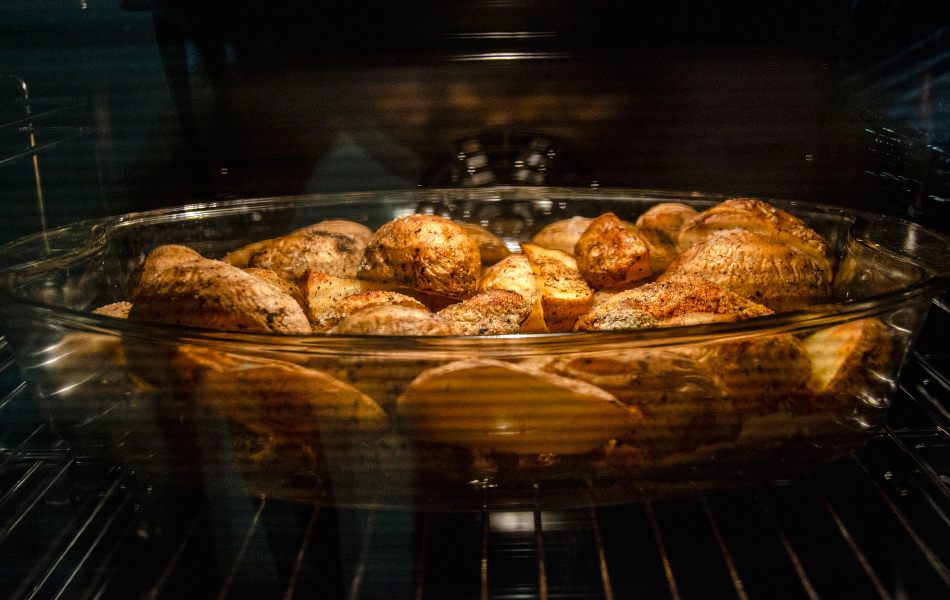
Always preheat your oven fully first. A hot oven from the start gives you the best crust. Cold ovens make soggy potatoes.
| Potato Cut | Oven Temperature | Cooking Time |
|---|---|---|
| One-inch cubes | 425°F | 25 to 35 minutes |
| Thick wedges | 425°F | 35 to 45 minutes |
| Baby potatoes, halved | 425°F | 25 to 35 minutes |
| Whole medium russets | 425°F | 45 to 60 minutes |
| Thin slices | 425°F | 20 to 30 minutes |
| Sweet potato cubes | 425°F | 22 to 30 minutes |
Flip your potatoes once, near the halfway point. This browns both sides evenly. Watch the color more than the clock, since ovens run hotter or cooler than the dial shows.
Seasoning Ideas for Big Flavor
Plain potatoes taste fine, but seasoning takes them higher. Salt and pepper form your base. From there, you get creative.
Toss your potatoes in a bowl before roasting. Coat every piece with oil and spices. This spreads flavor into every bite far better than drizzling on top.
I always add a pinch of smoked paprika for depth. It gives a warm color and a gentle campfire note. People always ask for my recipe.
| Flavor Style | Seasoning Mix |
|---|---|
| Classic | Salt, pepper, garlic powder |
| Smoky | Smoked paprika, cumin, chili flakes |
| Herby | Rosemary, thyme, parsley |
| Cheesy | Parmesan, garlic, black pepper |
| Lemony | Dried oregano, lemon juice, zest |
A quick timing note helps here. Use garlic powder in your first coat, since fresh garlic burns fast at high heat. Toss fresh garlic in during the final five minutes instead.
Fresh herbs work best near the end so they stay bright. Add rosemary or thyme late so they do not scorch. For cheese, sprinkle Parmesan in the last eight minutes to melt without burning.
How to Get Extra Crispy Potatoes
Everyone wants that shattering crunch. The good news is crispy potatoes are easy to nail. A few habits make all the difference.
- Give them room. Crowded pans trap steam and turn things soggy. Spread potatoes in a single layer with space around each piece.
- Use a large, dark sheet pan. A dark metal pan browns food faster than glass. More surface means more crisp.
- Place cut sides down. Flat contact with the hot pan forms a golden crust.
- Skip constant stirring. Quiet time against the metal builds the best crunch.
Cooking a big batch? Use two pans instead of packing one. Every piece needs clear contact with the pan to crisp up right.
How to Make Perfect Baked Potatoes
Baked potatoes deserve their own moment. They make a filling meal on their own. Load them up with your favorite wholesome toppings.
Pick medium or large russets with firm skin. Scrub them clean and dry them well. Poke a few holes with a fork so steam escapes safely.
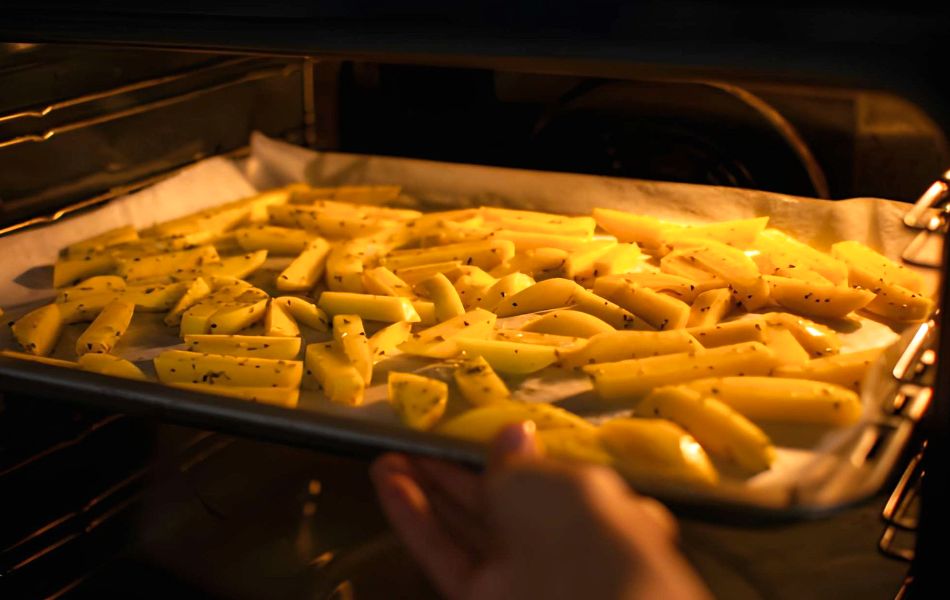
Rub each potato with a little oil and coarse salt. This gives you crisp, tasty skin. Place them straight on the oven rack or a sheet pan.
Bake at 425°F for 45 to 60 minutes. Larger ones need closer to 70 minutes. Skip foil, since it traps moisture and softens the skin.
Check with a fork. It should slide in with no resistance. For a lighter topping, use Greek yogurt in place of sour cream. Add chives, beans, or steamed broccoli for a full plate.
Common Mistakes to Avoid
Even simple recipes have pitfalls. Knowing these helps you skip the frustration. I learned most of them the hard way.
- Skipping the drying step. Wet potatoes never crisp up right. Pat them dry before they meet the oil.
- Using low heat. Low temperatures give you pale, limp results. Turn the oven up for real crunch.
- Overcrowding the pan. Too many pieces steam instead of roast. Use two trays for a big batch.
- Forgetting to flip. One side browns while the other stays soft. Turn them once for even color.
- Forcing a stuck piece too soon. Potatoes release on their own once the crust forms. Give them five more minutes.
Fix these small things, and your potatoes improve fast. Trust me, the difference stuns you.
How to Reheat Roasted Potatoes
Leftovers deserve a second life. The oven brings them closest to their first-day texture. Heat the oven to 400°F and warm the potatoes for 10 to 15 minutes.
An air fryer works well too, at 375°F for five to eight minutes. Skip the microwave when you want crunch, since it softens the skin. Store cooked potatoes in the fridge for up to four days.
Let them cool before you seal the container. Warm leftovers trap steam and turn chewy. Reheat only the amount you plan to eat.
Serving Ideas to Impress
Now for the fun part. Serve your potatoes in ways people remember. A little care turns a side into a star.
Pile roasted potatoes in a rustic bowl. Sprinkle fresh herbs on top for color. A little sea salt adds the finishing touch.
Pair them with a simple dip. Try Greek yogurt mixed with garlic and lemon. This light sauce beats heavy mayo every time.
For brunch, serve crispy potatoes with poached eggs. The runny yolk coats each bite. Your family will ask for seconds.
See Also – How to Make Roasted Vegetables
Your New Go-To Potato Recipe
Learning how to cook potatoes in the oven gives you a skill for life. You now know the best types, temperatures, and seasonings. Every tip here helps you cook with confidence.
Start with clean, dry potatoes and a fully heated oven. Season boldly and give each piece room on the tray. Flip once, then watch them turn golden and crisp.
Roasted potatoes bring warmth to any table. They fit busy weeknights and slow Sunday dinners alike. Best of all, you choose every fresh, wholesome ingredient.
So grab a bag of potatoes and heat your oven. Your crispiest batch is minutes away. Happy cooking, my friend.