Cooking With Spices for Beginners: A Bold Flavor Guide
Opening a spice drawer often feels like meeting a room full of strangers. Every jar smells different, and each label points a new direction. Half of mine sat untouched for years. I worried one wrong shake would wreck dinner. Sound familiar?
Here is the good news. Cooking with spices for beginners is easier than you think. You do not need chef training or a big budget. You need a small group of trusted staples and the courage to taste as you go.
I learned this the hard way. Years ago, I threw random spoonfuls of powder into a pot of soup. Too much clove filled the whole kitchen before the first bite. Since then, I treat strong spices like perfume. One tiny drop makes a statement.
Why Spices Matter More Than You Think
Salt gets all the attention, but spices do the heavy lifting. They turn plain rice into something you crave. They make roasted veggies taste like a treat, not a chore. A single sweet potato becomes a rich side dish with one pinch of cumin.
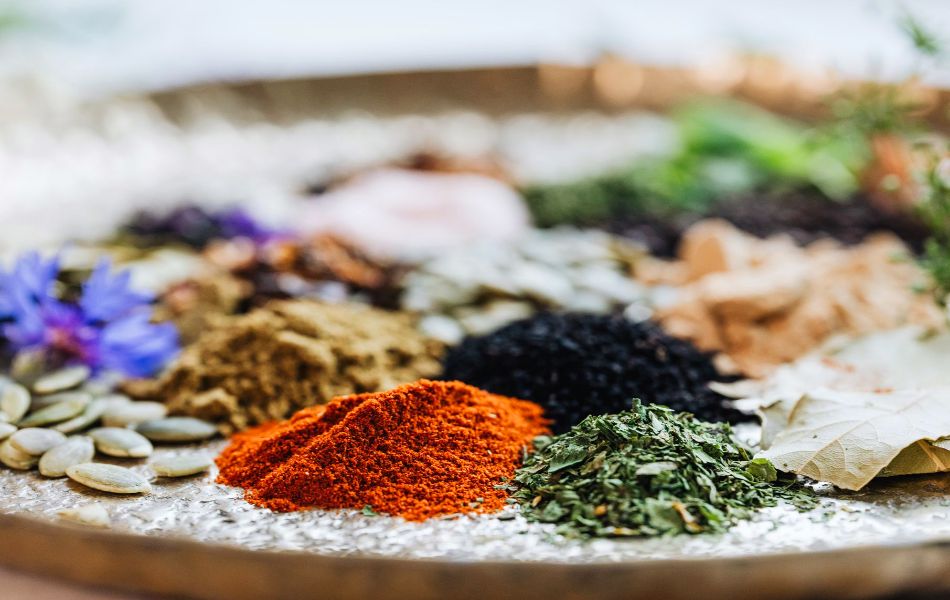
Spices carry stories, warm memories, and aromas that make your mouth water. Think of them like colors on a plate. Paprika adds soft red warmth. Turmeric brings golden earthiness. Cumin adds a deep brown note, like toasted nuts and dry soil.
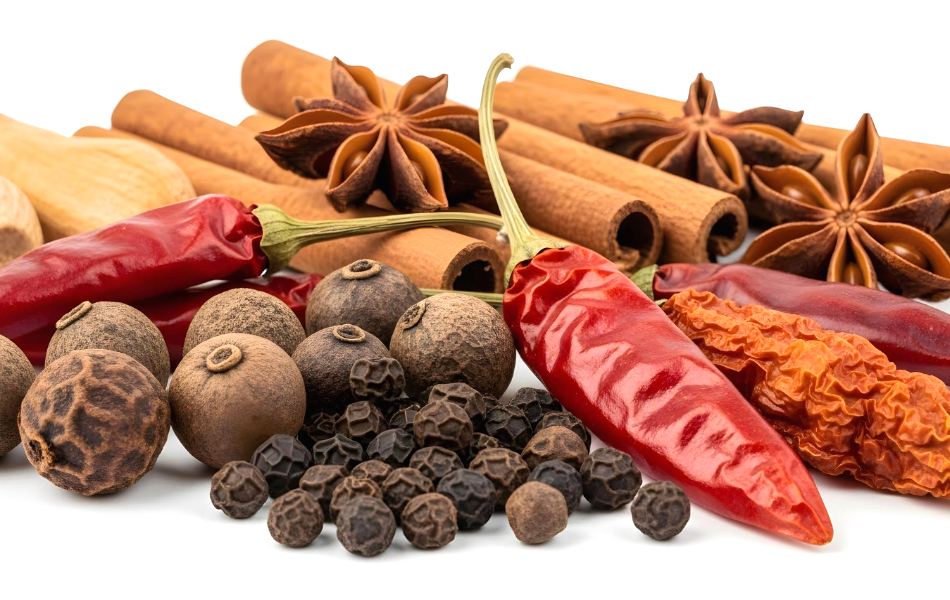
There is a health angle too. Many spices hold natural compounds tied to good things for your body. Turmeric, cinnamon, and ginger show up often in nutrition studies for their antioxidant content. Bold flavor also means you lean less on heavy sauces, extra sugar, or salt.
Start With These Eight Kitchen Staples
You do not need forty jars to cook well. Start with a small, hardworking crew. These eight suit vegetables, eggs, rice, beans, meat, soups, and sauces. They also mix well with little effort.
Here is the cheat sheet I wish someone had handed me years ago.
| Spice | Flavor Notes | Best For | Easy Swap |
|---|---|---|---|
| Cumin | Warm, earthy, nutty | Tacos, beans, rice, roasted veggies | Ground coriander |
| Smoked paprika | Smoky, sweet, mild | Chicken, potatoes, soups, eggs | Sweet paprika with a pinch of cumin |
| Garlic powder | Savory, gentle punch | Fries, dips, meat, almost anything | Onion powder |
| Turmeric | Earthy, gentle | Rice, lentils, roasted cauliflower | Mild curry powder |
| Cinnamon | Sweet, woody, cozy | Oats, fruit, stews, tomato sauce | Nutmeg (use less) |
| Black pepper | Sharp, warm | Every savory meal | White pepper |
| Chili flakes | Bright, fiery kick | Pizza, pasta, eggs, stir-fry | Cayenne (use less) |
| Ground ginger | Zesty, warm, sweet | Baking, marinades, dressings | Allspice or cinnamon |
Buy small jars at first. Ground spices lose aroma over time, especially near heat or light. A smaller jar stays fresher and costs less. Ground forms measure fast and spread evenly, so they suit beginners well.
Use a Simple Beginner Formula
A basic formula removes the guesswork. For four servings, start with one teaspoon of a mild spice. Add one quarter teaspoon of a strong spice. Then add salt in small amounts and taste.
Mild spices include paprika, cumin, turmeric, and garlic powder. Strong spices include clove, nutmeg, cayenne, and cardamom. Black pepper sits between the two groups. Start small, then build up.
Here are safe starting amounts by dish:
- One pound of meat or vegetables: one to two teaspoons total.
- A pot of soup: two to three teaspoons total.
- Two cups of cooked rice: one teaspoon.
I mix my spices in a small bowl before cooking. This stops one spice from clumping in a corner. The blend spreads faster, and your hands stay cleaner too.
Add Spices at the Right Time
Timing shapes flavor. Early additions taste deeper and softer. Late additions taste brighter and sharper. Many dishes gain from both.
For soups, stews, and sauces, add most spices near the start. Stir them into warm oil for about thirty seconds. This step wakes up the aroma. Keep the heat medium to prevent scorching.
For roasted food, coat everything before baking. Mix oil, salt, and spices in a bowl, then spread across the tray. For eggs, noodles, or finished soups, add a small pinch near the end. A final pinch often feels stronger than a large early spoonful.
Bloom Your Spices in Oil
This trick changed my cooking. Warm a little oil in your pan, then add ground spices for about thirty seconds. The heat wakes their aroma and deepens the taste. Stir gently so nothing burns, then add your veggies, protein, or grains.
Toast Whole Seeds Without Burning Them
Whole seeds like cumin and coriander hide rich oils inside their shells. A dry pan releases those oils and fills your kitchen with aroma. The process feels like warming nuts. Dark smoke signals trouble.
Place a dry pan over medium-low heat. Add the whole seeds and stir for one to two minutes. Remove them the moment their scent grows strong and nutty. For ground spices, use oil, lower heat, and only twenty to thirty seconds.
My first toasted cumin batch turned bitter because I answered a phone call. Since then, I stay beside the stove. Toasting needs less time than making tea. Full attention saves dinner.
Pair Spices With Common Foods
Good pairings come from repetition. Use the same spice across several foods, and notice which matches feel natural. Your taste memory grows with each meal.
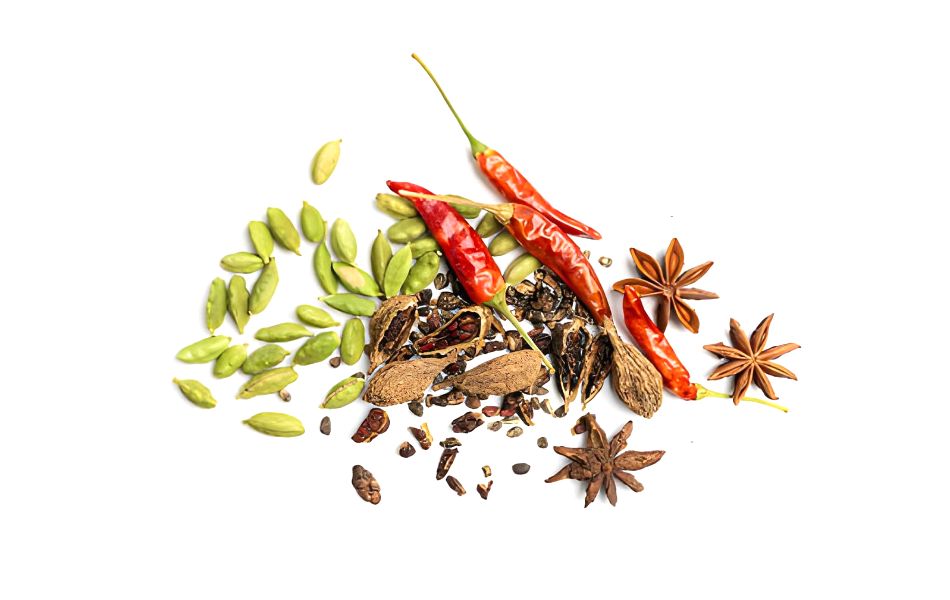
Here are pairings I return to again and again:
- Potatoes: paprika, garlic powder, black pepper, rosemary.
- Eggs: black pepper, paprika, turmeric, chili flakes.
- Beans: cumin, garlic powder, paprika, oregano.
- Rice: turmeric, cumin, cinnamon, cardamom.
- Chicken: paprika, cumin, garlic powder, black pepper, thyme.
- Fish: black pepper, paprika, dill, coriander.
- Carrots: cumin, cinnamon, ginger.
- Tomatoes: chili flakes, oregano, paprika, black pepper.
Want an easy first plate? Toss chopped potatoes with oil, paprika, garlic powder, salt, and pepper. Roast at 425°F for about thirty minutes. Turn once for crisp edges.
Build Three Easy Spice Blends
Homemade blends help you move faster in the kitchen. They also show how spices support one another. Mix small batches first, then scale up. Label each jar with the date.
Everyday Savory Blend
Mix two teaspoons paprika, one teaspoon garlic powder, one teaspoon black pepper, and one teaspoon dried oregano. Use one teaspoon per pound of vegetables or meat. This one shines on potatoes, chicken, beans, and mushrooms.
Warm Cumin Blend
Mix two teaspoons cumin, one teaspoon paprika, half a teaspoon cinnamon, and half a teaspoon black pepper. Sprinkle it on carrots, chickpeas, lentils, or rice. Start with one teaspoon, then taste.
Sweet Spice Blend
Mix two teaspoons cinnamon, one teaspoon ground ginger, and half a teaspoon nutmeg. Stir it into oatmeal, yogurt, or muffin batter. It adds natural sweetness without extra sugar.
Balance Spice With Salt, Fat, and Acid
Spices need support to sing. Salt sharpens flavor. Fat carries aroma across your tongue. Acid adds brightness and keeps rich food lively.
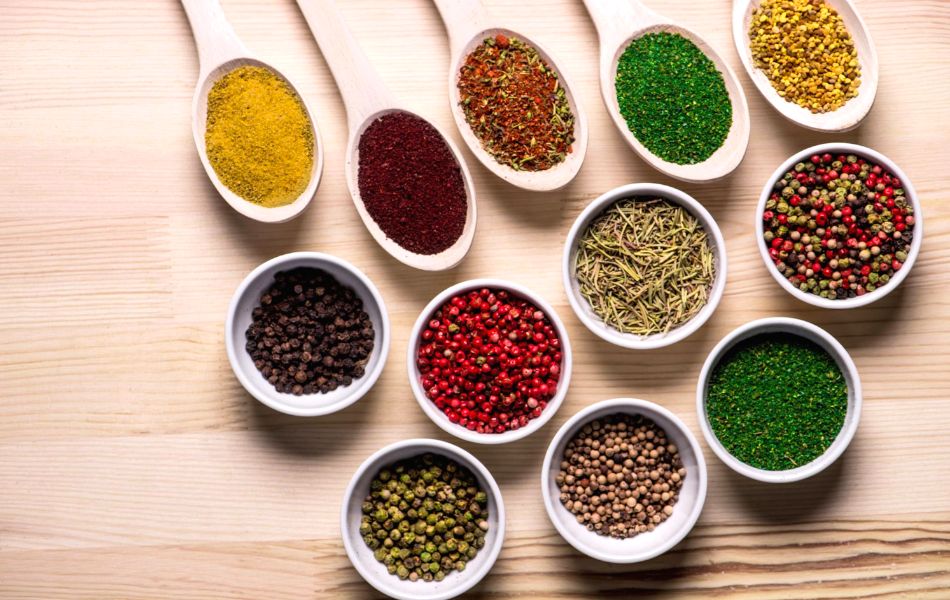
Reach for olive oil, butter, yogurt, or coconut milk for fat. Use lemon juice, lime juice, or vinegar for acid. Add salt little by little and taste after each change. A flat dish often wants salt or acid, not more spice.
I follow a simple tasting order. First I check salt. Next I check brightness. Last I check spice strength. This order keeps me from over-seasoning.
Fix Common Spice Mistakes
Every cook trips up. I have made each of these more than once. Learning from them saves your dinner.
- Too much spice: add plain ingredients like broth, tomatoes, beans, or rice to stretch the base.
- Too much heat: stir in yogurt, cream, coconut milk, or avocado. A small spoon of sugar helps tomato sauces.
- Bitterness: add fat and a small sweet note. Burned spices cause deep bitterness, so start the base again if needed.
- Weak flavor: rub a pinch between your fingers. A strong scent means good life. A dusty smell means an old jar.
My biggest fail? I once dumped a heaping spoon of chili flakes into soup for four people. My family drank a lot of water that night. Now I add heat slowly and smile at the memory.
Store Spices for Better Flavor
Heat, light, air, and moisture drain flavor fast. For years I kept my jars right above the stove. Steam and warmth wore them out within weeks. Store yours in a cool, dark drawer or cabinet instead.
Do not shake a jar over a steaming pot. Steam sneaks in and forms clumps. Spoon the spice into your palm or a small bowl, then measure. This also stops you from tipping in half a jar by accident.
Write the purchase month on each lid. Ground spices taste best within one to two years. Whole spices last longer. Trust your nose more than a printed date.
Easy Ingredient Swaps
Sometimes you start a recipe and find an empty jar. No need to panic or run to the store. Use this quick swap list instead.
- No cumin? Use ground coriander for a warm, citrusy note.
- No smoked paprika? Mix sweet paprika with a pinch of cumin.
- No fresh garlic? Use ¼ teaspoon garlic powder per clove.
- No ginger? Use a pinch of allspice or cinnamon.
Quick Answers for New Spice Cooks
How many spices do I need to start?
Begin with five to eight staples. Cumin, paprika, garlic powder, cinnamon, and pepper cover most meals.
Should spices go before or after cooking?
Add most early for deep flavor. Add a small pinch near the end for fresh aroma. Soups and stews gain from both.
Do spices go bad?
They lose flavor rather than spoil. Ground spices fade after one to three years, so replace faded jars.
How much should a beginner use?
Start with a quarter teaspoon per serving. Taste, then add more in small pinches. Strong spices need less.
See Also – 7 Perfect Substitutes for Allspice: Quick and Flavorful Swaps for Your Recipes
Your Next Meal Needs One New Step
Great cooking comes from repetition and curiosity, not talent. Every time you season a dish, you learn a little more about what you love. Keep notes on your phone. Repeat the mixes that work and adjust weak meals with salt, fat, or acid.
My best kitchen secret stays simple. Smell first, add less than you think, and taste often. Grab a jar, trust your senses, and start seasoning tonight. Your next meal already holds more flavor than you expect.