Missing Your Stalks? The Best Substitute for Lemongrass
You reach for lemongrass, and the stalk is gone. Your soup pot bubbles, and the recipe still needs that bright citrus lift. I have stood in that spot too many times.
Here is the good news. You have plenty of easy swaps hiding in your kitchen. Let me walk you through the ones I trust most.
What Lemongrass Brings to a Dish
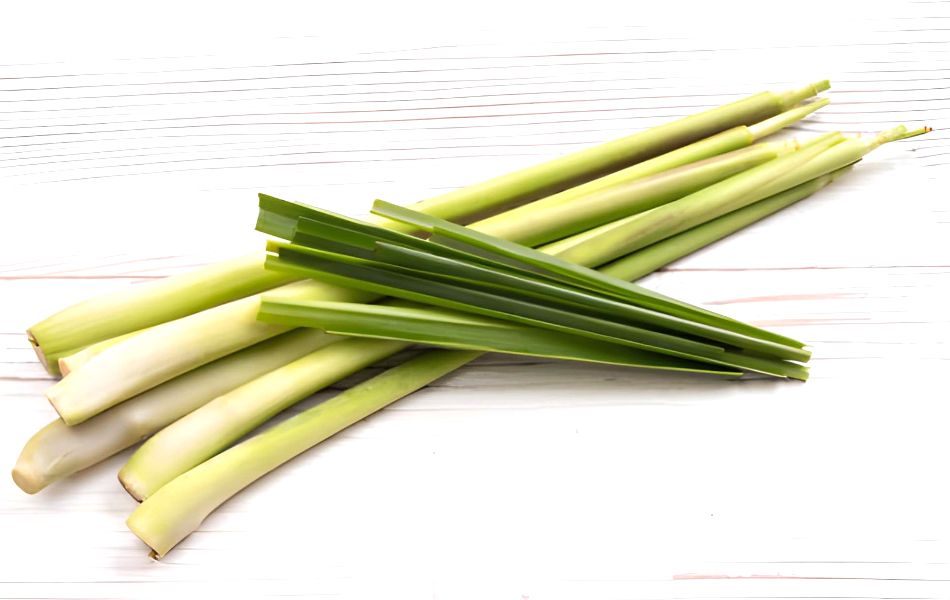
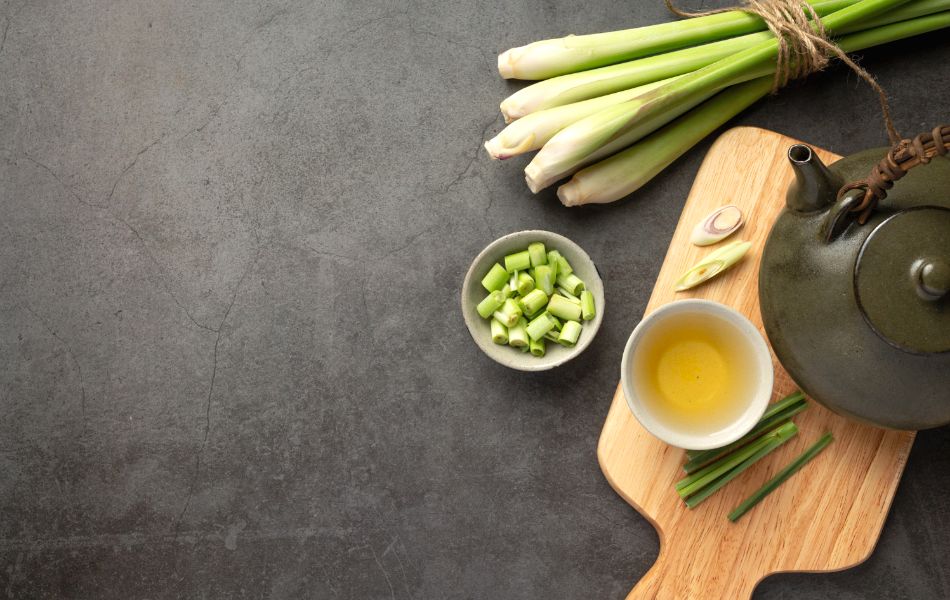
Lemongrass tastes like lemon, but softer and sweeter. You get a light floral note with a hint of ginger warmth. You find it in Thai soups, curries, marinades, and tea.
The flavor lives in the pale bottom of the stalk. You bruise it, chop it, or steep it whole. Best of all, lemongrass adds fragrance without harsh sourness.
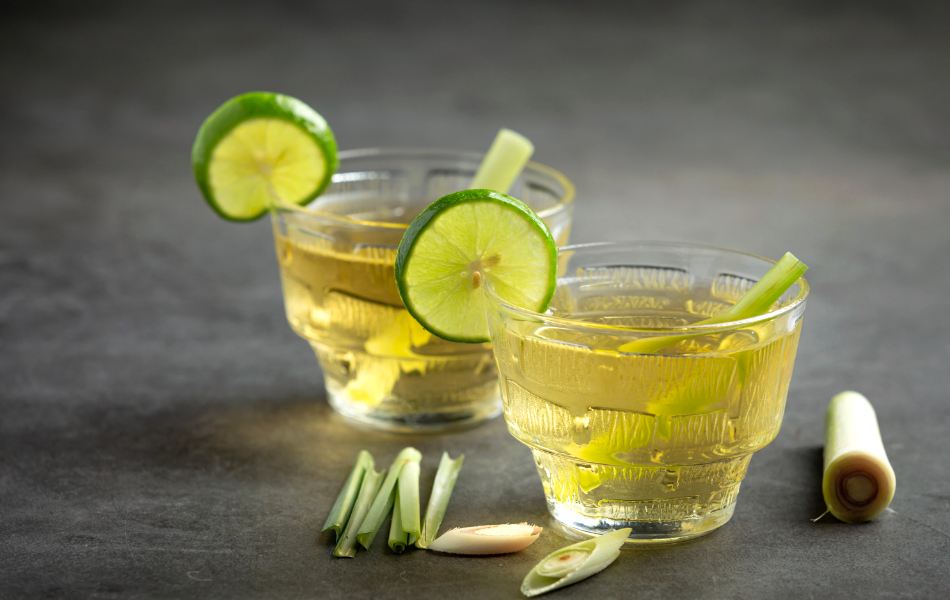
Here is the trick to a good swap. You want three things: citrus zing, mild sweetness, and a gentle grassy edge. Match those, and no one will notice a thing.
Quick Swap Guide
Sometimes you want the answer at a glance. Use this table as your starting point. Ratios replace one medium lemongrass stalk.
| Substitute | Amount per stalk | Best for |
|---|---|---|
| Lemon zest + ginger | 1 tsp zest + ½ tsp ginger | Soups, curries, sauces |
| Lime zest + ginger | 1 tsp zest + ½ tsp ginger | Seafood, noodles, marinades |
| Makrut lime leaves | 2 leaves | Thai soups, coconut broths |
| Lemon verbena | 2 fresh leaves or 1 tsp dried | Tea, desserts, light sauces |
| Lemon balm | 1 tbsp chopped | Salads, tea, dressings |
| Coriander stems + ginger | 2 tsp stems + 2 tsp ginger | Broths, marinades, curries |
| Lemongrass paste | 1 tablespoon | Curries, stir-fries, soups |
| Dried lemongrass | 1 teaspoon | Broth, tea, braises |
| Lemon peel | One 2-inch strip | Rice, tea, poaching liquid |
| Preserved lemon rind | 1 tsp minced | Stews, beans, grain dishes |
Snap a photo of this table. You will reach for it more than you expect.
Lemon Zest and Fresh Ginger
This pairing is my favorite all-purpose fix. Lemon zest gives you the bright citrus perfume. Ginger adds the warm, woody undertone lemongrass carries.
Grate one teaspoon of yellow lemon skin per stalk. Add half a teaspoon of grated fresh ginger. Avoid the white pith underneath, since it turns bitter fast.
Add the blend early in soups or curries. Heat softens the ginger and spreads the citrus oils. Save a pinch of zest for serving when you want a fresher scent.
I turn to this mix whenever coconut soup tastes flat. A small pinch of salt helps the citrus stand out. It wakes up broth, vegetables, chicken, and tofu.
Lime Zest and Fresh Ginger
Lime zest tastes greener and sharper than lemon. This swap suits shrimp, fish, tofu, rice noodles, and grilled chicken. The peel adds fragrance without thinning your sauce.
Use one teaspoon lime zest with half a teaspoon of ginger. Cook the ginger early. Stir half the zest in near serving time.
Scrub the fruit before grating. Remove only the green surface. One medium lime often gives enough zest for two stalks.
I once poured too much lime juice into a coconut curry. The sauce turned thin and harsh. Lime zest saved my next batch with scent instead of acid.
Makrut Lime Leaves
Some cooks call these kaffir lime leaves. They carry a deep, perfume-like citrus scent with a floral edge. They suit Thai curry, coconut soup, broth, and steamed rice.
Tear two leaves per stalk before tossing them in. Tearing releases more of the aromatic oils. Fish them out before serving, like you would a bay leaf.
Fresh or frozen leaves give the boldest flavor. Dried leaves taste softer, so use two dried for one fresh. Keep a bag in your freezer, and you will thank yourself later.
Go light on lime juice beside this swap. Too much acid hides coconut milk and gentle herbs. Add a small squeeze only after tasting.
Lemon Verbena
Lemon verbena grows in many home gardens. Its leaves smell sweet and leafy, like lemon candy. Better still, they lack any bitter edge.
Use two fresh leaves or one teaspoon dried per stalk. Crush them gently before steeping or simmering. Add fresh leaves in the final five minutes, since heat dulls the scent.
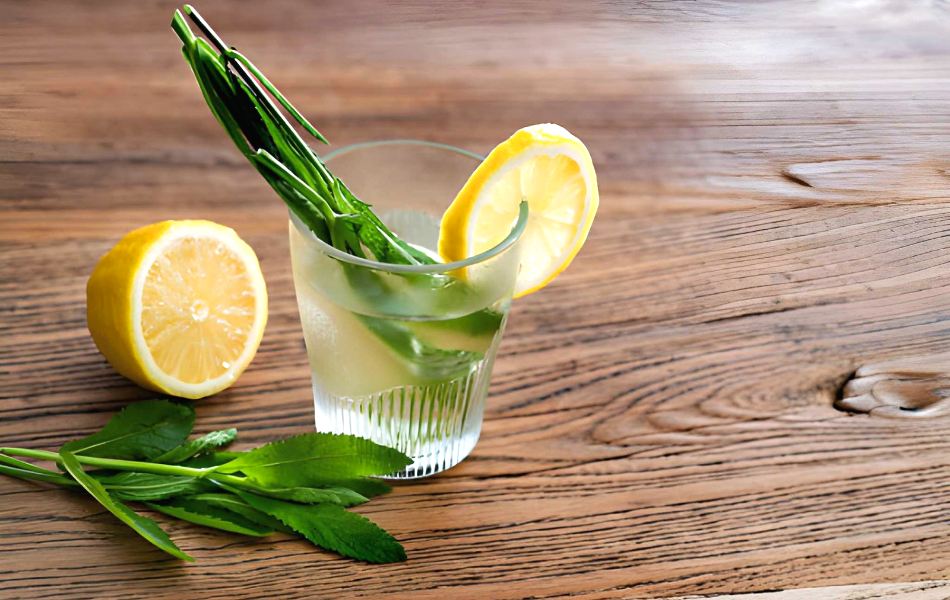
This herb shines in tea, fruit syrup, custard, and light cream sauces. For savory dishes, add one thin ginger slice for warmth. Skip the ginger in desserts, where soft citrus feels right.
I once used verbena in a coconut curry by accident. My guests asked for the recipe twice. Sometimes the best kitchen wins start as happy mistakes.
Lemon Balm
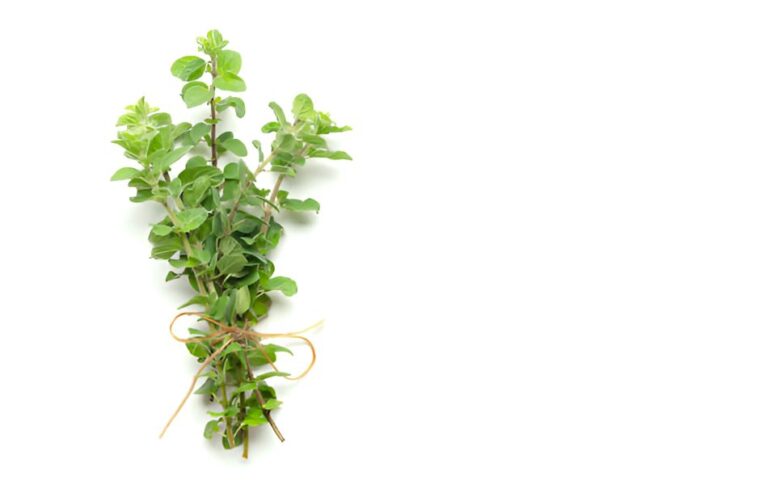
Lemon balm tastes mild, green, and lightly minty. Reach for it in salads, cold noodles, tea, dressings, and fruit bowls. Fresh leaves lose their scent during long cooking.
Use one tablespoon chopped lemon balm per stalk. Add the leaves near serving time. For soup, stir them in after you turn off the heat.
Pair lemon balm with a little lime zest in savory food. Use half a teaspoon of zest for four servings. This combo adds citrus scent without hiding other flavors.
To make tea, bruise whole leaves with a spoon. Press each leaf once. Heavy crushing often brings out a grassy taste.
Coriander Stems and Ginger
People throw away coriander stems all the time. Do not. The stems hold a bright, green flavor with a citrusy edge.
Chop two teaspoons of stems per stalk. Combine them with two teaspoons of grated ginger. This pair builds a deeply savory, earthy base.
Use this blend in fish marinades or slow-cooked broths. Chop the stems finely so they soften fast. Parsley stems make a gentle swap for cilantro haters.
I keep a jar of chopped stems in the freezer. They cost nothing and rescue plenty of dishes. Frugal cooking often tastes the best.
Lemongrass Paste
Store-bought paste is the closest quick option for busy nights. Many brands blend chopped stalks with oil and seasonings. Read the label, since salt, sugar, garlic, or vinegar often shows up.
Use one tablespoon of paste per stalk. Start with two teaspoons if the paste smells strong. Hold back extra salt until your final taste.
Fry the paste in oil for 30 seconds first. This brief cooking softens the raw flavor and spreads the aroma. It works well in curry, noodle soup, stir-fries, and marinades.
Freeze leftover paste in teaspoon portions. Place them on a lined plate until firm. Then store them in a sealed container for quick meals.
Dried Lemongrass
Dried lemongrass suits broth, tea, stew, and slow-cooked sauces. Drying softens the fresh citrus scent, yet the herbal note stays pleasant. Longer simmering pulls out more flavor.
Use one teaspoon dried per fresh stalk. Soak it in warm water first to wake up the flavor. Place loose pieces in a tea infuser or tied cheesecloth.
Simmer the pieces for at least ten minutes, then strain. Add a little lemon zest near the end for brightness. Ground lemongrass acts differently, so start with half a teaspoon.
Lemon Peel
A strip of lemon peel is a simple pantry fix. It works best in tea, broth, rice, and poaching liquid. The peel adds aroma without tiny grated bits.
Cut one strip about two inches long. Avoid the bitter white layer. Add one thin ginger slice for savory recipes.
Simmer the peel for ten minutes, then remove it. Longer cooking sometimes brings bitterness. Taste the liquid before adding another strip.
I love this method for plain rice. Drop the peel in with the water before cooking. Remove the strip before you fluff the grains.
Preserved Lemon Rind
Preserved lemon rind tastes salty, tangy, and deeply citrusy. It does not copy fresh lemongrass closely. Still, it brings lovely brightness to stews, grains, beans, and sauces.
Rinse the rind, then scrape away the soft pulp. Mince one teaspoon per stalk. Cut back on added salt until your final taste.
Pair the rind with ginger or chopped cilantro stems. Both add a fresher, greener edge. This mix suits chickpeas, roasted vegetables, and chicken.
Skip preserved lemon in tea or delicate sweets. The salty taste feels out of place there. Save this swap for rich, savory meals.
Match the Swap to Your Dish
Not every substitute fits every recipe. A curry wants something bolder than a salad dressing. Pick by the dish, not only by pantry stock.
For soup or curry, reach for lemon zest and ginger. Add a makrut lime leaf for deeper perfume. Drop these in early so the flavors meld.
For stir-fries, lemon zest wins in high heat. Add it in the final minute for a fresh, bright kick. Skip whole leaves, which stay tough and woody.
For marinades, lemongrass paste clings well to meat or tofu. Coriander stems and ginger work here too. For tea and salads, lean on verbena, lemon balm, or a strip of peel.
Make Your Own Substitute Blend
Let me share my go-to homemade blend. It stands in for lemongrass in any savory recipe. You need one lemon, fresh ginger, and a few coriander stems.
- Prep the citrus. Wash one lemon well. Grate the yellow skin with a fine grater. Stop when you reach the white layer.
- Grate the ginger. Peel a small piece of ginger. Grate it finely. Use half the amount of your zest.
- Add the green herb. Chop three or four coriander stems very finely. This adds the missing green note.
- Mix and use. Stir the three together in a small bowl. Toss the blend into your pan when the recipe calls for lemongrass.
Common Mistakes to Avoid
A good swap goes wrong when you rush it. I have made every one of these slips. Learn from mine and skip the trouble.
Too much citrus zest. The peel holds strong oils. Begin with the listed amount before adding more.
Grating the white pith. Pith adds bitterness fast. Grate lightly and rotate the fruit as you work.
Adding herbs too early. Long heat cooks out their aroma. Stir fresh herbs in off the heat.
Reaching for lemon juice. Juice brings sourness, not scent. Once, I squeezed two lemons into a curry, and it tasted like sour lemon chicken. Stick with zest for the fragrant oils.
Leaving dried leaves whole. No one wants to chew tough, papery leaves. Mince them, or use them only in simmering liquids, then fish them out.
Frequently Asked Questions
Can you skip lemongrass altogether?
Yes, in many dishes you can. The food will taste different but still good. A squeeze of lemon at the end covers a lot.
Which swap tastes closest?
Lemon verbena and makrut lime leaves come closest to the aroma. Lemon zest wins for ease and availability. Pick based on your recipe.
Does lemongrass paste taste as good as fresh?
Fresh always tastes brighter. Paste comes close and saves you prep time. Keep a tube on hand for busy nights.
Should I use sugar with these swaps?
A tiny pinch rounds off sharp citrus. Use about one-eighth teaspoon in curry or broth. Skip it when coconut milk already tastes sweet.
See Also – What Are the Best Substitutes for Thyme? 8 Options to Try
Your Kitchen, Your Rules
Running out of an ingredient feels like a small crisis. It does not have to derail dinner. With the right substitute for lemongrass, you stay in control.
Keep lemon zest, ginger, and dried lemongrass ready. Those three cover most soups, curries, teas, and marinades. Start small, taste often, and add more slowly.
So grate that zest, tear those leaves, and trust your taste buds. The best cooks adapt on the fly. Now go make something that smells amazing.