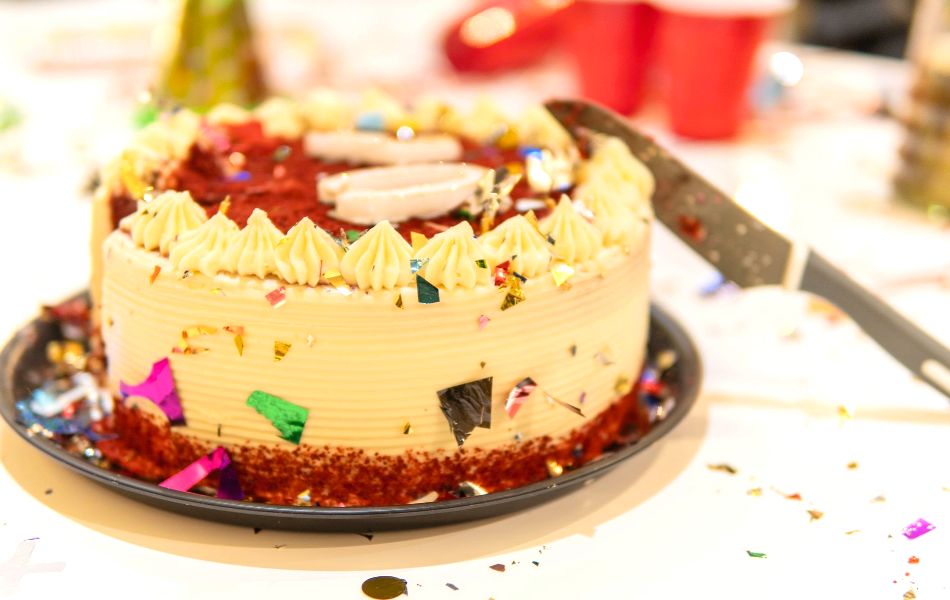
Is Cake Healthy? An Honest Guide to Smarter, Sweeter Slices
A fork slides through soft crumb and creamy frosting. Few desserts bring the same happy pause as a good slice of cake. Then one question follows the first bite. Is cake healthy?
Let me tell you a secret from my kitchen. Cake and health are not enemies. I used to believe every slice came with guilt. Then I started baking with better ingredients, and everything changed.
The honest answer sits somewhere in the middle. A slice depends on the recipe, your portion, and your usual meals. You hold the power to change what goes in the bowl. So let’s talk it through, friend to friend.
What Makes Cake More or Less Healthy?
Most classic cakes lean on three things. White flour, white sugar, and lots of butter or oil. These give you soft crumb and sweet taste. They also bring a quick sugar spike and a crash soon after.
A standard slice of frosted chocolate cake holds around 350 to 500 calories. One serving packs 30 to 40 grams of sugar. For many adults, one slice nears a full day of added sugar.
The problem is not the cake itself. The problem is what goes into it. Refined flour loses its fiber during processing. Refined sugar adds sweetness but nothing your body needs.
Portion size and your weekly meals matter too. A slice after a balanced meal fits differently than cake replacing lunch. Recipe style and serving size shape the answer more than the word “cake.”
A Quick Look at Cake Nutrition
Most cakes give you carbohydrates from flour and sugar. Butter, oil, cream, and chocolate add fat. Eggs and milk add small amounts of protein and other nutrients.
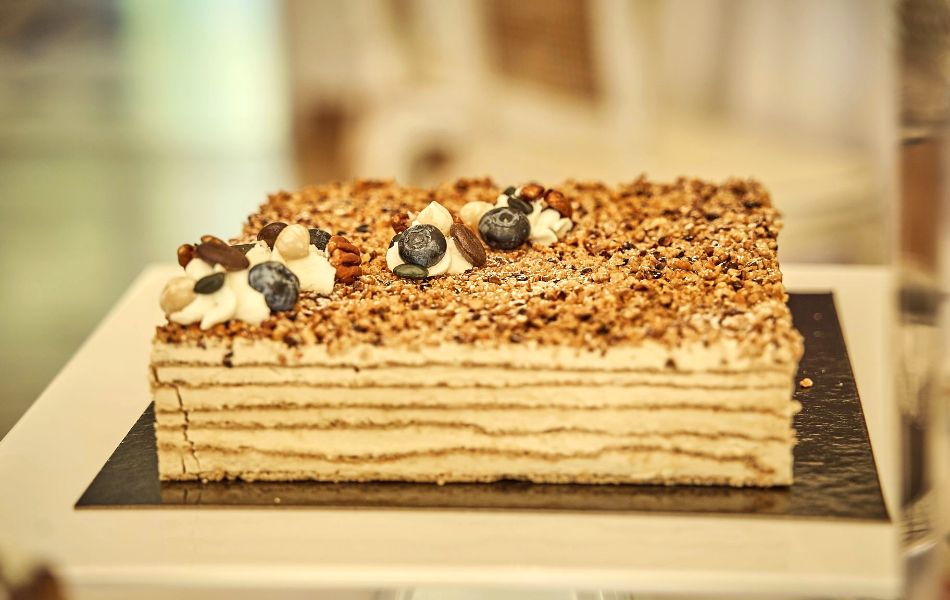
A modest slice often falls near 250 to 350 calories. Large frosted slices reach 500 or more. Serving size shifts every estimate, so check your recipe for a closer number.
| Cake style | Typical serving | Main nutrition note |
|---|---|---|
| Angel food cake | 1 medium slice | Lower fat, often high in sugar |
| Plain sponge cake | 1 small slice | Lighter texture, moderate richness |
| Carrot cake with frosting | 1 medium slice | Rich frosting raises sugar and fat |
| Flourless chocolate cake | 1 small slice | Dense, rich, often high in fat |
| Fruit-topped yogurt cake | 1 small slice | Fruit and yogurt add flavor and nutrients |
Home baking gives you control over each ingredient. You choose the flour, the fat, and the sweetener. Small changes shift the whole picture.
Is Sugar the Biggest Concern?
Added sugar draws the most attention, and for good reason. Too much sugar across the day leaves less room for filling foods. Think fruit, vegetables, grains, beans, eggs, fish, and dairy.
Sugar also adds sweetness, color, and a soft texture. Remove too much and you get a dry, pale cake. I reduce sugar by about 15 percent on my first test batch.
Many recipes still taste balanced after a small trim. Spices, citrus zest, vanilla, cocoa, and ripe fruit add bold flavor. These help sweetness feel full without extra spoonfuls.
Rethinking the Sugar Bowl
White sugar adds empty calories with no real benefit. You want sweeteners with more flavor or trace minerals. Pure maple syrup and raw honey are great choices.
Liquid sweeteners taste sweeter than white sugar, so you need less. Use three-quarters of a cup of maple syrup for every cup of sugar. Coconut sugar brings warm caramel notes and a lower glycemic index.
One honest note keeps you grounded. Dates, honey, maple syrup, and coconut sugar still count as added sugars. Natural wording does not erase the sugar content.
What About Butter, Oil, and Frosting?
Fat gives cake a tender crumb and rich taste. Butter brings deep flavor, while oil keeps the crumb soft longer. Neither turns cake into a health food.
For homemade cake, swap part of the butter or oil for plain yogurt. Mashed banana or unsweetened applesauce works well in some recipes. Start with one quarter, then check the texture.
Applesauce keeps vanilla sponges fluffy and tender for days. Mashed banana suits chocolate bakes and adds natural sweetness. Pumpkin puree pairs beautifully with cinnamon and nutmeg.
Frosting often carries more fat and sugar than you expect. Try whipped cream cheese mixed with thick Greek yogurt for tang and protein. For chocolate lovers, blend ripe avocado with cocoa and maple syrup.
Does Flour Type Matter?
White flour creates a light, soft crumb but few nutrients. Whole wheat flour adds fiber and a nutty taste. A full whole wheat swap often makes a delicate cake feel dense.
Try half white flour and half whole wheat pastry flour. This keeps the crumb soft while adding fiber. Oat flour also suits muffins, snack cakes, and rustic loaves.
You make oat flour at home by blending rolled oats. It brings a sweet, nutty flavor and soluble fiber. Almond flour adds healthy fats and protein for a moist, dense bake.
Gluten-free cake is not automatically better for you. Many mixes rely on refined starches and sugar. Choose gluten-free for a dietary need or a taste you love.
Sneaking Vegetables Into the Batter
Adding vegetables to cake sounds strange at first. But they bring moisture and gentle sweetness. Once the cake cools, you will not taste them at all.
Grated zucchini works like a charm in spice cakes. Its high water content keeps the crumb from drying out. Your family eats greens without noticing.
Roasted beetroot puree is my favorite secret ingredient. It deepens the color of cocoa and adds earthy sweetness. Dark chocolate cake loves this trick.
Your Wholesome Swap Guide
You do not need to change your whole recipe at once. Start with one or two swaps. Build from there as your taste adjusts.
| Instead of | Try | Best use |
|---|---|---|
| Part of the butter | Plain or Greek yogurt | Loaf cakes and snack cakes |
| Part of the oil | Unsweetened applesauce | Spice, carrot, or apple cake |
| All white flour | Half whole wheat or oat flour | Banana, pumpkin, or chocolate cake |
| Thick buttercream | Yogurt glaze or fruit topping | Brunch cakes and summer cakes |
| Extra sugar | Vanilla, cinnamon, zest, or ripe fruit | Most homemade cakes |
| Chocolate chips | Dark chocolate, 70% or more | Rich chocolate bakes |
Each swap makes a small difference. Together, they change your cake for the better. One slice of banana oat cake holds about 220 calories and 5 grams of fiber.
Common Baking Mistakes to Avoid
I flopped plenty of times before I found my rhythm. Learn from my kitchen fails so your first try goes smoother.
- Cutting all the fat at once. Fat carries flavor and keeps cake moist. Replace half with yogurt or applesauce instead.
- Forgetting sweetness balance. Fruit and honey behave unlike sugar. Add cinnamon, vanilla, or a pinch of sea salt for depth.
- Overmixing alternative flours. This makes oat flour bakes gummy. Stir only until no dry pockets remain.
- Skipping the taste test. Batter tells you a lot before it bakes. Trust your palate and adjust with confidence.
One more tip. Liquid sweeteners add extra moisture to your batter. You might bake five minutes longer than a standard recipe.
My Favorite Wholesome Chocolate Cake
Want a place to start? Try this oat flour chocolate cake this weekend. It comes together in one bowl and forgives beginners.
Add two cups of oat flour and half a cup of cocoa to a large bowl. Stir in a teaspoon of baking soda and a pinch of sea salt. In another bowl, whisk two eggs with a cup of applesauce.
Pour in half a cup of maple syrup and a splash of milk. Fold the wet into the dry until smooth. Bake at 350°F for 25 minutes, then cool before slicing.
You get a moist, tender cake with real ingredients. No refined sugar and no white flour. My kids finish it before it fully cools, every single time.
Portion Size Without Sad Little Slices
A sensible portion should still feel like dessert. Tiny slivers leave you thinking about cake an hour later. A neat slice on a small plate feels more generous.
Bake in muffin tins for built-in portions. Single servings freeze well for busy weekdays. You always have a wholesome treat ready when a craving strikes.
Pair your slice with fresh berries, orange segments, or sliced pears. Fresh fruit adds color, fiber, and juicy contrast. A handful of walnuts or almonds slows sugar absorption and keeps energy steady.
Eat slowly enough to notice the crumb and flavor. Put your fork down between bites. This turns dessert into an experience, not a quick blur.
Cake, Guilt, and a Balanced Plate
Cake carries memories, traditions, and love. Birthday candles, school fairs, and family recipes matter. Nutrition matters too, but food offers more than numbers.
Guilt rarely improves a meal. A calm choice brings more awareness and more pleasure. Pick the slice you want, eat with attention, and stop when satisfied.
If strict food rules cause stress, talk with a trusted adult or a registered dietitian. Personal guidance beats social media trends every time. Your body deserves care, not fear.
So, Is Cake Healthy?
Yes, cake fits a balanced life for many people. The answer sits in your ingredients and your portions. One dessert does not define your health.
Choose wholesome flour, natural sweeteners, and real fruit. Add a handful of nuts or a spoon of yogurt on the side. Then enjoy every bite with a clear mind.
My rule stays simple. Keep the flavor, trim the excess, and savor each slice. Grab your mixing bowl and bake something you feel great about.