Is Pita Bread Healthy? Discover Its Nutritional Benefits and Smart Tips
Pita bread, that warm, puffy flatbread with the delightful pocket, is a staple in many kitchens. Whether it’s stuffed with grilled chicken, loaded with crisp vegetables, or spread with creamy hummus, pita bread adds delicious taste and enjoyment to any meal. But is pita bread actually healthy? Let’s break down the nutritional benefits, explore healthier choices, and uncover how you can enjoy this bread guilt-free.
What Is Pita Bread?
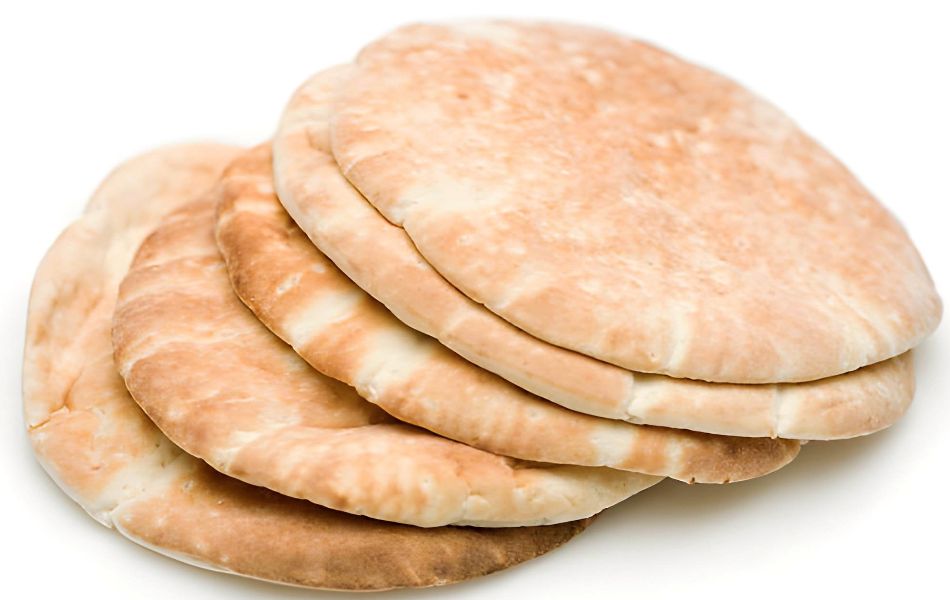
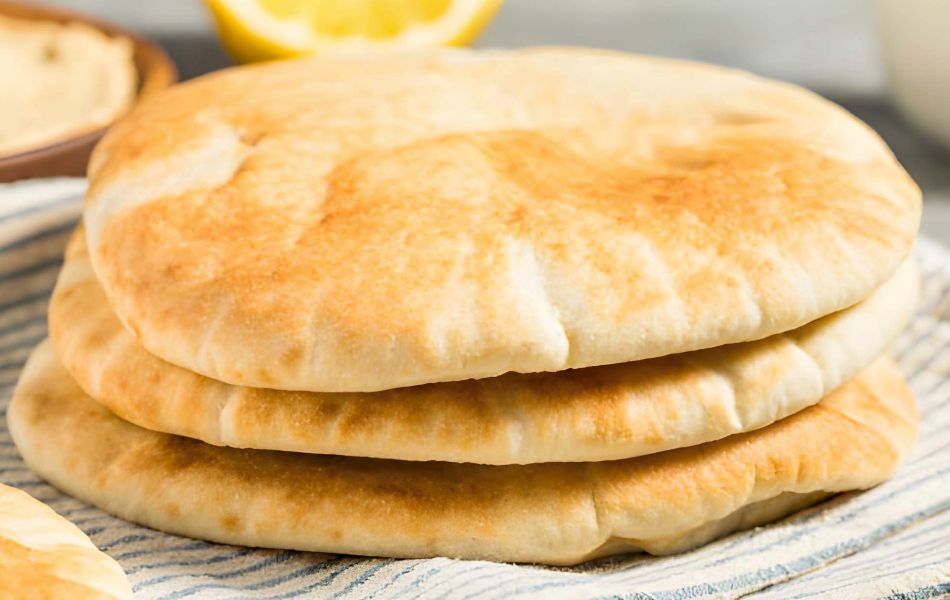
At its core, pita bread is simple, made from just four ingredients: flour, water, yeast, and salt. The magic happens when the dough puffs up during baking, creating that signature pocket, which is perfect for filling or dipping. Originating in the Middle East, pita bread has become a global favorite for its versatility and ease of use.
The Great Flour Debate: White vs. Whole Wheat Pita
The nutritional value of pita bread largely depends on the type of flour used.
White Pita Bread
Most store-bought pita bread is made with white flour, which is refined and stripped of its natural fiber. While it offers a soft texture and longer shelf life, it lacks some of the nutrients that whole wheat flour provides. A 6-inch white pita contains around 165 calories, with about 1 gram of fiber and 5 grams of protein.
Whole Wheat Pita Bread
Whole wheat pita, on the other hand, is made from the entire wheat kernel, including the bran, germ, and endosperm. This means more fiber, vitamins, and minerals. A typical 6-inch whole wheat pita contains about 170 calories but offers up to 6 grams of fiber and 5-6 grams of protein. The fiber helps you feel fuller for longer, and it supports healthy digestion and blood sugar levels.
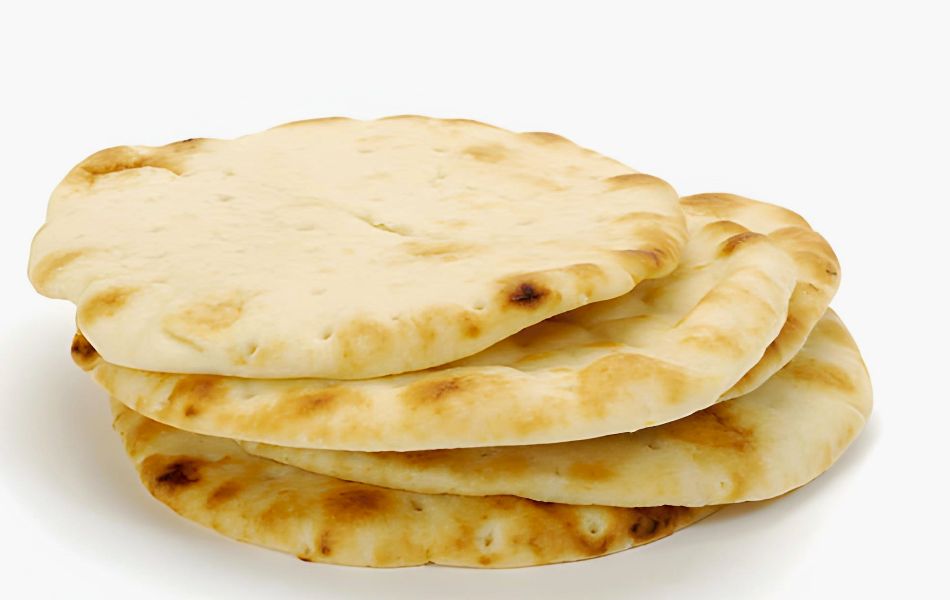
When you choose whole wheat pita over white pita, you’re making a smart nutritional decision that will leave you feeling satisfied without the sugar spikes associated with refined flour.
Nutritional Breakdown of Pita Bread
Here’s how the two types of pita stack up in terms of nutrition:
| Nutrient | White Pita (6-inch) | Whole Wheat Pita (6-inch) |
|---|---|---|
| Calories | 165 | 170 |
| Protein | 5 g | 5-6 g |
| Carbohydrates | 33 g | 35 g |
| Fiber | 1 g | 5 g |
| Fat | 1 g | 1.5 g |
| Sodium | 320 mg | 300 mg |
As you can see, the whole wheat version wins in the fiber department, which helps control blood sugar and maintain energy levels throughout the day. The fiber also keeps you feeling fuller, making it a great choice if you’re watching your weight.
Why Pita Bread Can Be a Healthy Choice
While pita bread can be part of a healthy diet, it’s all about the ingredients you choose and how you fill it. Here’s why pita can be a great pick for your meals:
1. High in Carbohydrates
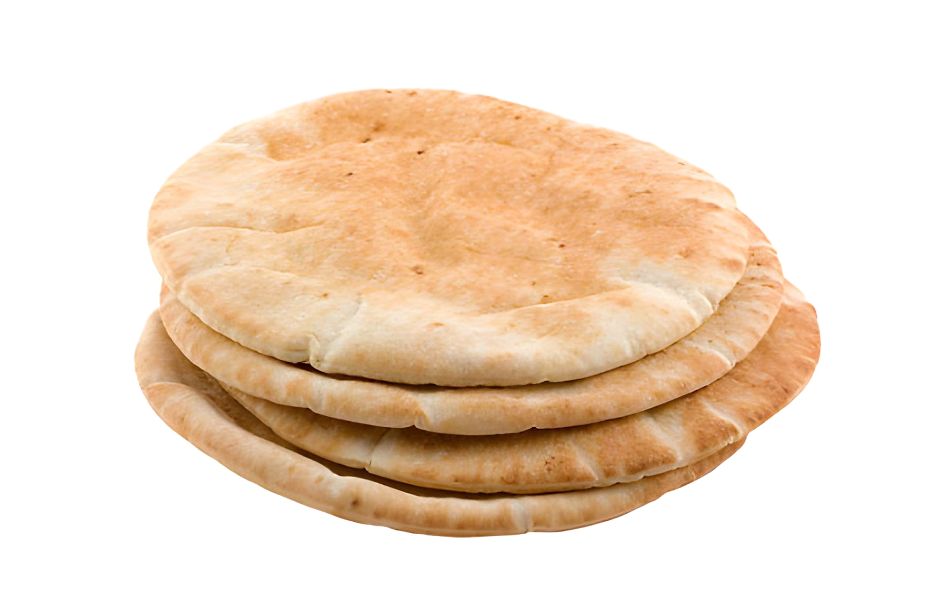
Carbs are your body’s main energy source, and pita bread provides steady fuel. It’s perfect for a quick snack or to accompany a balanced meal. The carbs in whole wheat pita, especially, release energy more slowly, keeping you fueled longer without a sugar crash.
2. Contains Protein
While pita bread isn’t a protein powerhouse, it does offer a decent amount of protein for a bread. This makes it a good addition to meals, especially when paired with protein-rich fillings like chicken, turkey, or hummus.
3. Low in Fat
Pita bread is low in fat, especially if you choose the version without added oils. This makes it an ideal option for anyone looking to reduce their fat intake while still enjoying a satisfying meal.
4. A Good Source of Fiber (if Whole Wheat)
The fiber in whole wheat pita helps regulate digestion and keeps you feeling full longer. It can also help manage blood sugar and cholesterol, making it a heart-healthy option.
The Downside of Pita Bread
While pita bread offers several health advantages, there are also a few drawbacks worth considering:
1. Refined Flour
Many commercially available pitas are made with refined flour, which lacks the fiber and nutrients of whole grains. If you’re choosing pita for health reasons, always opt for whole wheat or other whole grain options to maximize the benefits.
2. Sodium Content
Some pita breads can be high in sodium, which can contribute to high blood pressure if consumed in excess. If you’re watching your salt intake, look for lower-sodium pita bread options or make your own at home to control the salt content.
3. Portion Control
It’s easy to overeat pita bread, especially since it’s light and airy. To avoid going overboard, keep portion sizes in check, particularly if you’re stuffing the pita with calorie-dense fillings.
How to Make Pita Bread Healthier
Pita bread can be part of a healthy diet with a few simple tweaks. Here’s how you can enjoy it without compromising on your health:
1. Opt for Whole Wheat
As mentioned earlier, whole wheat pita offers more fiber, protein, and nutrients. Make the switch to whole wheat for a healthier, more filling option.
2. Choose Healthy Fillings
What you put inside the pita matters just as much as the bread itself. Go for lean proteins like grilled chicken or chickpeas, and load up on fresh veggies. Avocado, hummus, and olive oil are great ways to add healthy fats to your meal.
3. Pick Healthier Dips
Rather than serving pita with high-calorie options like ranch or cheese-based dips, choose lighter alternatives such as hummus, tzatziki, or guacamole. These dips provide healthy fats, fiber, and antioxidants.
4. Watch the Oil
If you’re making pita at home, reduce the amount of oil used in the dough, or skip it altogether. A simple, low-fat recipe will keep your pita healthier.
5. Add Veggies
Don’t be shy about adding more vegetables to your pita. Fresh greens like spinach, lettuce, or arugula, or roasted veggies like peppers, zucchini, and eggplant, will add a nutritional boost to your meal.
Creative Ways to Enjoy Pita Bread
Pita bread is more than just a sandwich bread. Here are a few fun and healthy ways to incorporate it into your meals:
1. Pita Wraps
Use pita bread as a healthy alternative to a regular sandwich. Stuff it with grilled chicken, veggies, and a drizzle of olive oil or yogurt for a balanced meal.
2. Pita Pizza
Turn pita bread into a mini pizza crust! Top it with tomato sauce, veggies, and a small amount of cheese, and bake for a quick, healthy pizza option.
3. Homemade Pita Chips
Make your own pita chips by cutting pita into triangles, brushing them with olive oil, and baking until crispy. Serve with a side of guacamole or hummus for a nutritious snack.
4. As a Side
Pita pairs wonderfully with Mediterranean soups and stews. Tear it into pieces and dip it in the broth for a hearty, satisfying meal.
See Also – Is Ciabatta Bread Healthy? The Pros and Cons Unveiled
Final Thoughts: Is Pita Bread Healthy?
So, is pita bread healthy? The answer is a resounding yes, especially when you choose whole wheat pita, control your portions, and fill it with nutritious ingredients. Pita bread is low in calories, offers a moderate amount of protein, and provides fiber if you go for the whole wheat variety. Just keep an eye on your fillings and portion sizes to create a balanced, healthy meal.
Now, go ahead and enjoy a pita, whether as a wrap, pizza, or snack. With the right ingredients, it can be a delicious and health-conscious choice in your kitchen.