
No White Wine? No Problem! Your Guide to Flavorful Swaps
You are halfway through a recipe. The onions are sizzling, the garlic is fragrant, and everything is going perfectly. Then you read the next step: “deglaze the pan with a splash of white wine.” You check your pantry. You check your fridge. Nothing. Does this mean your delicious dinner is ruined? Absolutely not.
I have been in this exact spot more times than I care to admit. Running out of a key ingredient can feel like a kitchen disaster. But I have learned a valuable lesson over the years. Many recipes are more flexible than you think. Finding a great cooking substitute for white wine is not just possible; it can lead to some wonderful new flavors in your dishes. This guide is your secret weapon for those moments.
Why Do Recipes Call for White Wine?
Before we jump into the substitutes, let’s understand what white wine does in a dish. It is not just about adding liquid. White wine brings three key things to the party: acidity, flavor, and moisture.
- Acidity: This is the big one. The acid in wine brightens and lifts the other flavors in your dish. Imagine it as a dash of lemon juice brightening up seafood. It cuts through richness and keeps things from tasting flat.
- Flavor: Dry white wines add a subtle, complex flavor. They can be fruity, earthy, or crisp. This adds a layer of depth that water alone cannot provide.
- Moisture and Deglazing: Wine is excellent for deglazing a pan. It helps you scrape up all those tasty brown bits stuck to the bottom after searing meat. Those bits are pure flavor, and wine helps release them into your sauce.
When you look for a substitute, you want to mimic these functions as closely as possible.
Best Substitutes for White Wine
Luckily, there are several go-to ingredients you probably already have in your kitchen that can easily stand in for white wine. Here are the ones I reach for when the bottle runs dry:

1. White Grape Juice with Vinegar
For a fruity substitute, white grape juice works wonders. The sweetness of the juice mimics wine’s fruity undertones, but you’ll need to dial down the sweetness. Mix in a little white wine vinegar or apple cider vinegar for the acidity wine typically provides.
How to Use:
Mix equal parts white grape juice and water. Then, for every cup of this mixture, add a tablespoon of white wine vinegar or apple cider vinegar. The vinegar cuts the juice’s sugar and creates a more complex, fermented flavor. This works beautifully in dishes with chicken or pork.
2. Chicken or Vegetable Broth with Lemon Juice
Broths bring savory depth to a dish, and when you add a splash of lemon juice, they also give you the needed acidity. This is my go-to swap for most savory dishes, especially those with meat or in risottos.
How to Use:
For each cup of white wine, substitute with an equal amount of broth and add 1 teaspoon of fresh lemon juice. This combination shines in pan sauces, risottos, and soups. I love using this method for soups, risottos, and pan sauces. Always use low-sodium broth to control the saltiness of your final dish.
3. Apple Juice or Apple Cider
Apple juice or non-alcoholic apple cider can offer a fruity base. The flavor is distinct, so think about the dish you are making. This swap excels in recipes with pork or savory herbs like sage and thyme.

How to Use:
Mix 1 tablespoon of apple cider vinegar with 3-4 tablespoons of water for every cup of white wine. This is perfect in stews and marinades. This is a brilliant cooking substitute for white wine in risotto, adding an unexpected layer of warmth.
4. Non-Alcoholic White Wine
If you want to keep the flavor profile closest to the original, non-alcoholic white wine is a fantastic option. Many brands mimic the flavor of real wine without the alcohol content, making it a seamless replacement.
How to Use:
Replace white wine with the same amount of non-alcoholic white wine in your recipe. It’s perfect for dishes where wine’s flavor is key.
5. Dry Vermouth
This is my favorite replacement. Dry vermouth is a fortified wine aromatized with botanicals. It has a complex, herbal flavor and a dryness similar to a good Sauvignon Blanc.
How to Use:
You can use dry vermouth as a direct one-to-one replacement for dry white wine. I keep a bottle in my pantry specifically for cooking. It lasts much longer than an open bottle of wine and is perfect for risotto and pasta sauces.
6. Light Beer
A light-bodied beer, like a pilsner or a lager, can be a great substitute. It provides moisture and a bit of flavor. Its carbonation also helps with deglazing.
How to Use:
Use it as a one-to-one swap. The flavor is maltier and less fruity than wine, so it pairs best with heartier dishes like stews or braised meats. Avoid hoppy beers like IPAs, as their bitterness can become overwhelming when cooked.
5. Lemon Juice
For those moments when you need a quick fix, lemon juice can work wonders. The tartness cuts through rich ingredients and brings that sharp, refreshing acidity. Just be sure to dilute it a little, as lemon juice can be potent.
How to Use:
Mix 1 tablespoon of lemon juice with 3 tablespoons of water for every cup of white wine. It’s perfect for seafood dishes or risottos where a little acidity goes a long way.
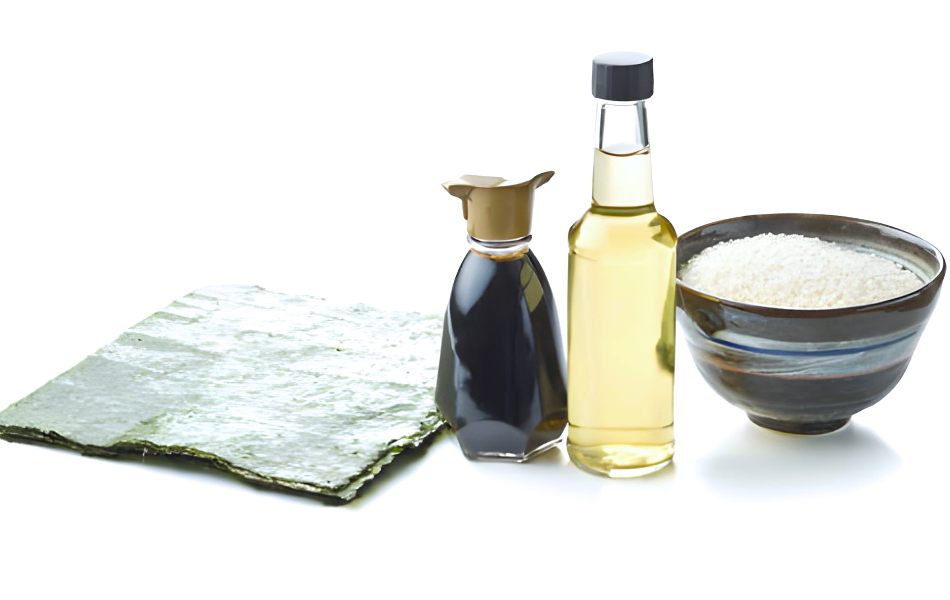
6. Rice Vinegar
Rice vinegar is milder than most other vinegars and works beautifully in dishes with Asian flavors. It won’t overwhelm the dish with sharp acidity, and a little water can help balance the flavor even more.
How to Use:
Combine 1 tablespoon of rice vinegar with 3-4 tablespoons of water for each cup of white wine. It’s a great substitute for stir-fries, Asian-inspired sauces, or even braised meats.
7. Coconut Water
For a more neutral option, coconut water adds a subtle sweetness and refreshing flavor. It doesn’t replace the acidity of white wine, but it works well in tropical or seafood dishes.
How to Use:
Use coconut water in equal amounts to replace white wine. It’s a fun alternative for light, refreshing dishes like seafood or curry-based recipes.
8. Sherry Vinegar
For those who love deep, complex flavors, sherry vinegar is a solid choice. It has a richness that can bring some complexity to your dish, much like white wine does.
How to Use:
Mix 1 tablespoon of sherry vinegar with 3 tablespoons of water to replace 1 cup of white wine. It’s ideal for stews, soups, or any dish where you want a rich, savory flavor.
Tips from My Kitchen to Yours
After years of experimenting, I have learned a few things that make substituting easier.
Start Small and Taste Often
When using a new substitute, start with a little less than the recipe calls for. You can always add more, but you cannot take it away. Taste your dish as you go. Does it need more acidity? Add another splash of vinegar. This is the most important secret of any great cook. Your palate is your best guide.
Consider the Color
Most white wine substitutes are light in color, so they will not change the look of your dish. Using a dark broth or a dark beer will darken your sauce. This is not a problem for flavor, but it is something to keep in mind if presentation is important.
What to Avoid When Swapping
Some ingredients seem right but can affect your dish. Avoid plain water, which adds moisture but no flavor and will make your sauce taste flat. Also, skip “cooking wine.” This product is loaded with salt and preservatives, giving food an artificial taste. Your meal deserves better.
When to Avoid Substitutes
Though these alternatives work in many recipes, there are times when the substitute just won’t cut it. In delicate seafood dishes or recipes where white wine is a star ingredient, using a substitute may alter the flavor too much. In those cases, a non-alcoholic white wine or a combination of broth and lemon juice might be your best bet.
See Also – 8 Best Substitutes for Dry Sherry: Tasty Alternatives for Your Recipes
Final Thoughts: Keep the Flavor Flowing
So, the next time you see “white wine” in a recipe and your bottle is empty, take a deep breath. Look through this list, check your pantry, and get creative. You have got this. Your dish will be just as flavorful, and you will have a new kitchen skill under your belt.