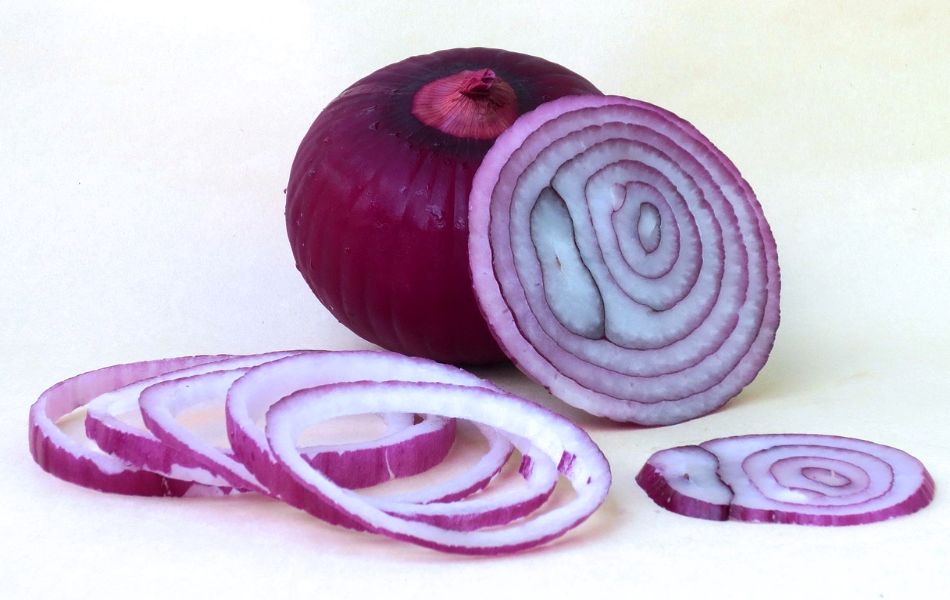
What to Use as a Substitute for Onion
Onions are the start of so many wonderful dishes. They build a foundation of flavor for soups, stews, and sauces. But what happens when you reach for one and find the basket empty? Or maybe you have a guest who does not like onions. Do not panic. Your meal is far from ruined.
I have faced this kitchen problem more times than I can count. Over the years, I have learned that many ingredients can step in. They provide that savory depth you are looking for. Finding the right substitute for onion is about knowing your options. This guide will walk you through my favorite stand-ins. You will be ready for any onion-free cooking challenge.
Why You Might Need an Onion Substitute
There are plenty of reasons to seek an alternative to onions. Perhaps the most common one is an empty pantry. We have all been there, halfway through prepping a recipe.
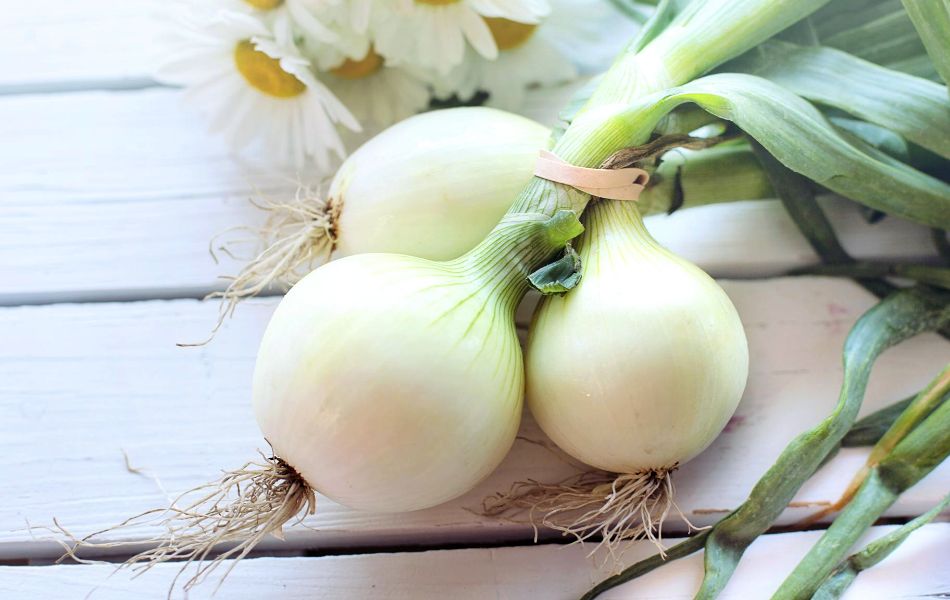
Allergies and intolerances are another big reason. For some people, onions cause digestive upset. Cooking for someone with these sensitivities requires a bit of creativity. You want to deliver a delicious meal without the uncomfortable side effects. Then there is personal taste. Some people simply do not like the strong flavor or texture of onions.
Best Onion Substitutes
Here are my go-to replacements for onions. I have broken them down by type and offered tips on how to use each one.
The Closest Relatives: Shallots and Leeks
These are my top choices when I want to mimic onion flavor closely. They belong to the same allium family. This means they share a similar taste profile.
1. Shallots: The Elegant Replacement
Shallots are my personal favorite when I want a more delicate, sweeter flavor that still provides that signature onion taste. They belong to the same allium family, so they bring a mild, sweet, and slightly garlicky note that is less pungent than regular onions. They’re perfect in vinaigrettes, sauces, or slow-cooked dishes where you want depth without the sharpness.
How to Use: Replace onions with shallots on a 1:1 basis. Just be mindful that they cook quicker, so keep an eye on them while sautéing to avoid burning. Try caramelizing them for a rich, sweet flavor.
2. Leeks: The Milder, Herbaceous Option
Leeks are an excellent substitute when you need a gentle, clean flavor that won’t overpower your dish. They’re slightly sweet and mild, making them perfect for soups and stews. You’ll only want to use the white and light green parts, those dark green tops are tough and best saved for making stock.
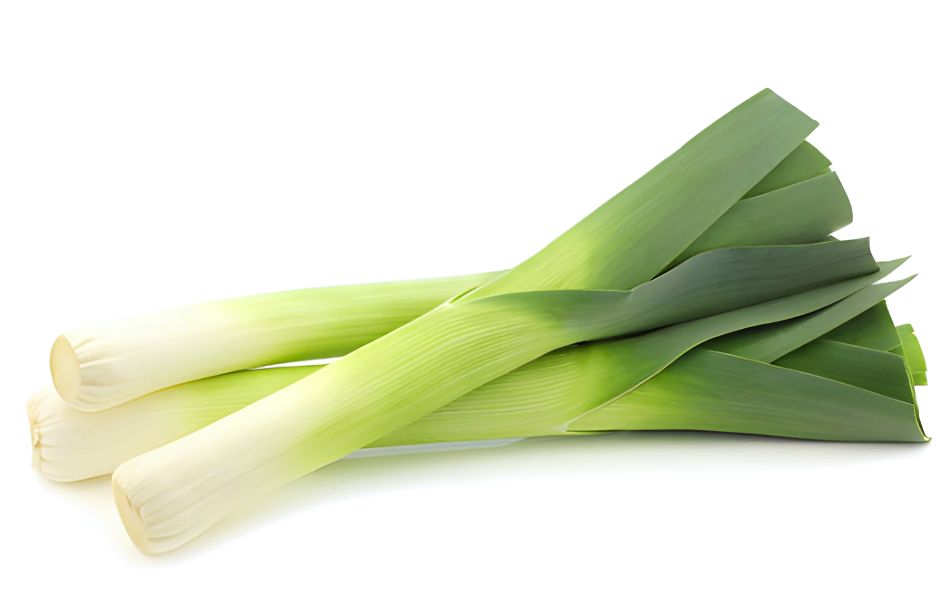
How to Use: A large leek can replace a medium onion. Wash them thoroughly, as dirt loves to hide between the layers. Slice and sauté them gently for a delicate base that works beautifully in creamy pasta dishes or potato soup.
Pantry Staples: Garlic and Onion Powder
Sometimes you need that sharp, savory flavor but do not have a fresh onion. These pantry items come to the rescue.
3. Garlic: The Bold, Pungent Punch
If you’re after a bit of a flavor punch, garlic can stand in for onion, though it brings a bolder, more aromatic flavor. It doesn’t replace the texture of onions, but it offers that savory base you crave. A little goes a long way, so be sure to adjust quantities based on your dish.
How to Use: For a medium onion, start with 1-2 cloves of minced garlic. Sauté it briefly until fragrant but be careful not to burn it, garlic turns bitter fast. Add it near the end of your cooking for the best results.
4. Onion Powder and Flakes: The Pantry Lifesavers
When you’re in a pinch, onion powder or flakes can come to your rescue. They provide concentrated onion flavor without the texture. These are especially useful in rubs, marinades, and long-simmering dishes.
How to Use: For one medium onion, use about 1 tablespoon of onion powder. Onion flakes are slightly bulkier, so you’ll need 3 tablespoons to match the flavor of a medium onion. These work well in dishes like chili or braised meats.
Freshness and Crunch: Celery and Fennel
If your dish relies on onion for texture, these vegetables are excellent choices. They add a fresh crunch and a different kind of aromatic flavor.
5. Celery: The Crunchy, Textural Swap
If you’re looking for a substitute that provides some crunch, celery is an excellent choice. It won’t replicate the onion flavor directly but offers a fresh, slightly peppery flavor and the crunch you might be missing in your dish.
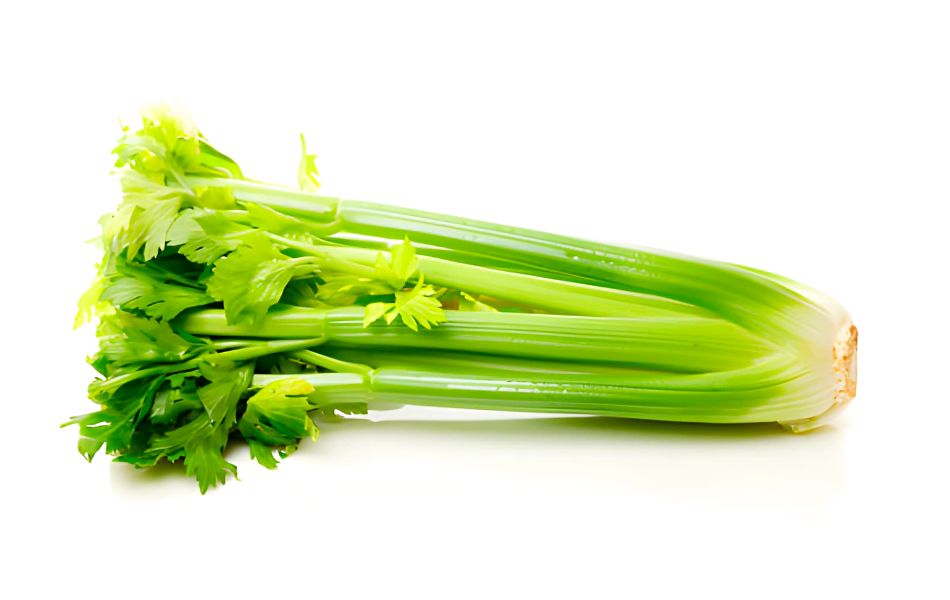
How to Use: Use about two to three stalks of celery to replace one medium onion. Chop finely and sauté as you would onion. It’s great in soups, stews, and dishes like gumbo or stir-fries, where a little texture adds to the dish’s depth.
6. Fennel: The Sweet, Licorice Twist
Fennel offers a surprising, mildly sweet, anise-like flavor that can work beautifully as an onion substitute, especially in roasted dishes or stews. When cooked, its licorice taste becomes subtle and sweet, adding a unique complexity to your dishes.
How to Use: One small fennel bulb can replace one medium onion. Chop it and cook it down to soften the anise flavor. It works especially well in risottos, roasted vegetables, or creamy pasta dishes.
Tips for Flavor Without Onions
Even if you don’t have onions, you can still achieve a delicious, layered flavor profile. Here are some tricks to make up for what’s missing:
- Brown Your Butter: If you’re using butter, cook it until the golden-brown bits appear. This adds a nutty, rich flavor that deepens your dish.
- Layer in More Herbs: Fresh herbs like thyme, rosemary, and basil can bring the savory notes you’re used to. Don’t be shy, use them generously.
- Add a Touch of Acidity: A splash of vinegar or lemon juice at the end of cooking can brighten everything up, helping to balance out the flavors.
- Experiment with Aromatics: Green bell peppers, carrots, and even mushrooms can be great starting points in place of onions, adding aromatic depth and texture.
How to Cook with Your Onion Substitute
Once you’ve chosen your substitute, keep these tips in mind to get the best results:
- Adjust Cooking Times: Some substitutes, like shallots or fennel, soften quickly, while others, like leeks or celery, may take longer to cook down. Be patient!
- Boost Flavor with Seasoning: If your substitute is milder than onions, try adding extra seasoning. A dash of garlic, extra herbs, or even a splash of vinegar can make up for any missing depth.
- Sweetness vs. Savory: Many substitutes, like fennel or carrots, have a natural sweetness. Balance that sweetness with salt, soy sauce, or a little splash of vinegar to create a more savory profile.
Where to Use Your Onion Substitutes
Now that you know which substitutes work, here are a few ideas for where to use them:
- Soups and Stews: Leeks, celery, and fennel are perfect for simmering in your favorite soups, where they can build flavor slowly.
- Sautéed Dishes: Shallots, garlic, and green onions shine in high-heat dishes like stir-fries or sautés.
- Salads and Dressings: For a crisp, fresh bite, try green onions or shallots in your salads or dressings.
- Roasted Vegetables: Try roasting carrots, fennel, or celery for a naturally sweet flavor that stands in for onions.
See Also – Swap It Out: 11 Best Substitutes for Leeks
Cooking without onions doesn’t have to be a hassle. With these substitutions, you can still create flavorful, comforting dishes that don’t miss a beat. Whether you’re dealing with allergies, preferences, or simply a pantry shortage, the right substitute can bring new flavors and textures to your cooking. Next time you find yourself without onions, don’t fret, try something new and watch your dish come to life in a whole new way!