Is Basmati Rice Healthy? A Simple Guide
Let’s talk about rice. It’s a staple in kitchens around the globe. When it comes to fragrant, fluffy grains, basmati rice is a star. Its nutty aroma fills the house as it cooks. But a common question pops up. Is basmati rice healthy? I’m here to walk you through it with simple answers and tasty ideas.
Many people wonder about carbs and grains. It can be confusing to know what foods fit a wholesome lifestyle. We will look at what makes this long-grain rice special. We will explore its nutritional side and compare it to other types. By the end, you will feel confident about giving basmati a place on your plate.
What Makes Basmati Rice So Special?
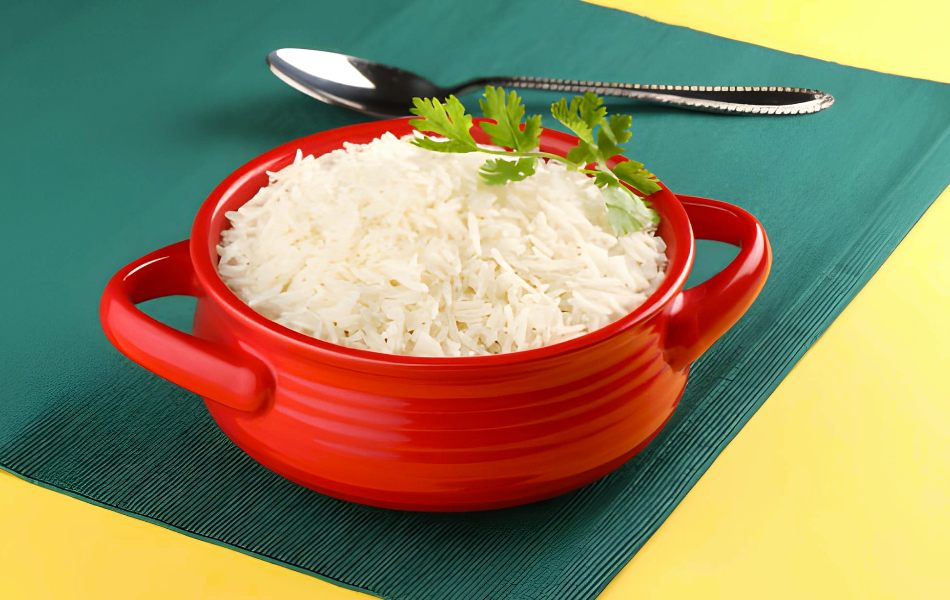
Basmati rice originates in the regions near the Himalayan foothills. The name “basmati” means “fragrant” in Hindi, and it lives up to its name. The grains are long, slender, and they get even longer when cooked. Unlike some rice that clumps together, basmati grains stay separate and fluffy. This makes it perfect for a variety of dishes.
Unlike many other rice varieties, basmati has a lower glycemic index (GI), meaning it doesn’t cause a spike in blood sugar. The GI of white basmati ranges from 50 to 58, and brown basmati comes in even lower at around 50. That steady release of energy can help you stay full longer and avoid those afternoon slumps.
The Nutritional Breakdown
Basmati rice is rich in carbohydrates, which provide your body with the energy it needs. But beyond that, it’s packed with essential nutrients. Here’s what you’ll find in a cup of cooked basmati rice:
- Calories: White (200), Brown (215)
- Protein: White (4.3g), Brown (5.0g)
- Fiber: White (0.6g), Brown (3.5g)
- Magnesium: White (21mg), Brown (44mg)
- Iron & Folate: Present in both varieties, supporting blood health and metabolism.
While white basmati rice is delicious and has its place, brown basmati is the real star when it comes to nutrition. The brown version retains the bran and germ, which are packed with fiber, B-vitamins, and minerals like magnesium and selenium, critical for muscle function and immune support.
White Basmati vs. Brown Basmati
You will find both white and brown basmati rice at the store. The choice between them matters for your health goals. It is good to know the differences.
White Basmati: The Refined Grain
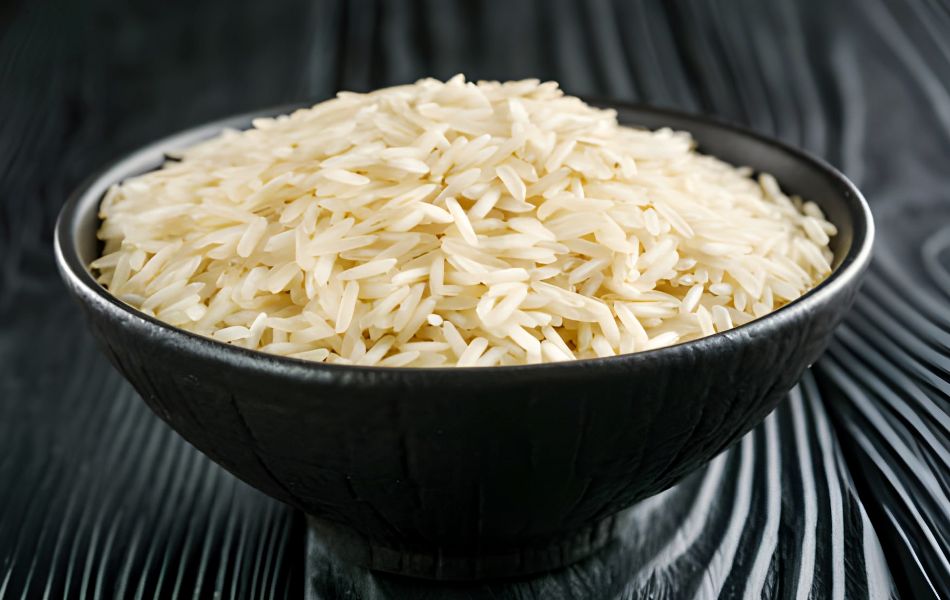
White basmati is the most common type. The outer bran and germ layers are removed during milling. This process gives it a softer texture. It also extends its shelf life. Removing these layers also removes some fiber and nutrients. Even so, it still has that lower glycemic index. It is a wonderful and versatile grain.
Brown Basmati: The Whole Grain Powerhouse
Brown basmati rice is a whole grain. This means it contains all parts of the grain: the bran, germ, and endosperm. The bran layer is rich in fiber. Fiber is fantastic for your digestive health. It also helps you feel satisfied after a meal. One cup of brown basmati packs about 3.5 grams of fiber.
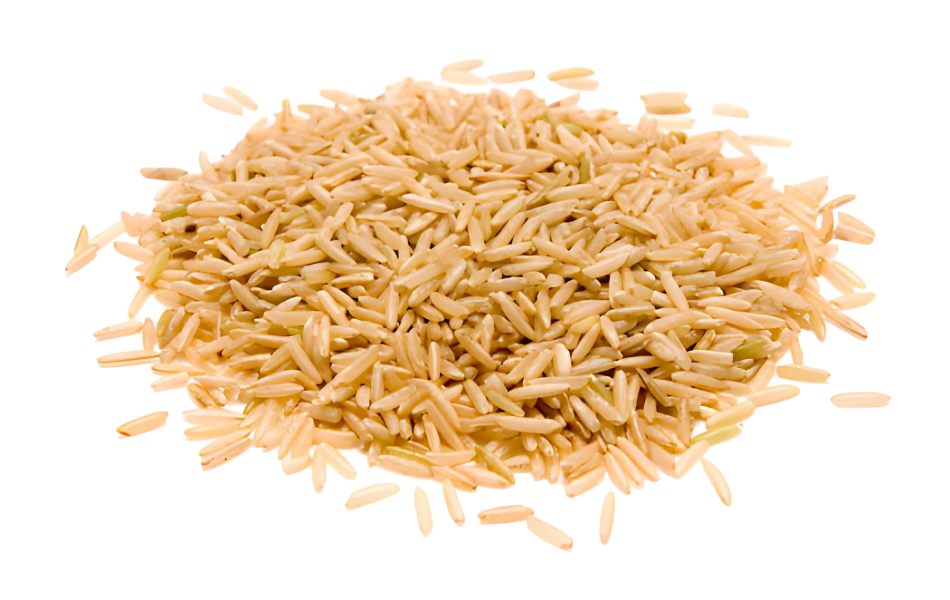
Brown basmati contains more magnesium and B vitamins than its white counterpart. The trade-off is a slightly chewier texture and a nuttier flavor. The cooking time is longer, too. If you want maximum nutritional benefits, brown basmati is the way to go.
How to Make Basmati Rice Healthier
You don’t have to settle for plain rice! Basmati is a great base to build a healthy, balanced meal. Here are a few simple tips to boost the nutritional value:
- Add Veggies: Pair your rice with fiber-rich vegetables like spinach, bell peppers, peas, or carrots to add color and nutrients.
- Spices for Flavor: Basmati rice loves seasoning! Add cumin, turmeric, or cinnamon for added flavor and health benefits. Turmeric, for example, has anti-inflammatory properties that support joint health.
- Watch Your Portions: Like all grains, rice should be enjoyed in moderation. Try filling half your plate with vegetables, a quarter with lean protein, and the other quarter with rice. This will keep your meal balanced and nutritious.
- Cook with Broth: For an extra layer of flavor, cook your rice in vegetable or chicken broth instead of water. It adds richness without the extra calories.
Perfecting Your Basmati Rice
Cooking basmati rice to perfection is all about getting the texture right. You want it fluffy, not mushy! Here’s how I do it:
- Rinse the Rice: Always rinse your basmati rice under cold water until the water runs clear. This helps wash away extra starch, keeping the grains separate and fluffy.
- Soak for Better Texture: Soaking the rice for 20–30 minutes helps the grains cook evenly and elongate beautifully. It’s not essential, but it makes a difference.
- Water-to-Rice Ratio: The secret to perfect rice is the right water ratio. For white basmati, use 1.5 cups of water for every 1 cup of rice. For brown basmati, use 2 cups of water for every 1 cup of rice.
- Simmer Low and Slow: Bring the water to a boil, then reduce the heat to a simmer and cover the pot. White basmati cooks in 12 minutes, while brown basmati takes about 35 minutes. Allow the rice to sit, covered, for about 10 minutes, then gently fluff it with a fork.
Creative Ways to Enjoy Basmati Rice
Basmati rice isn’t just for curries, there are countless ways to make it part of your meals:
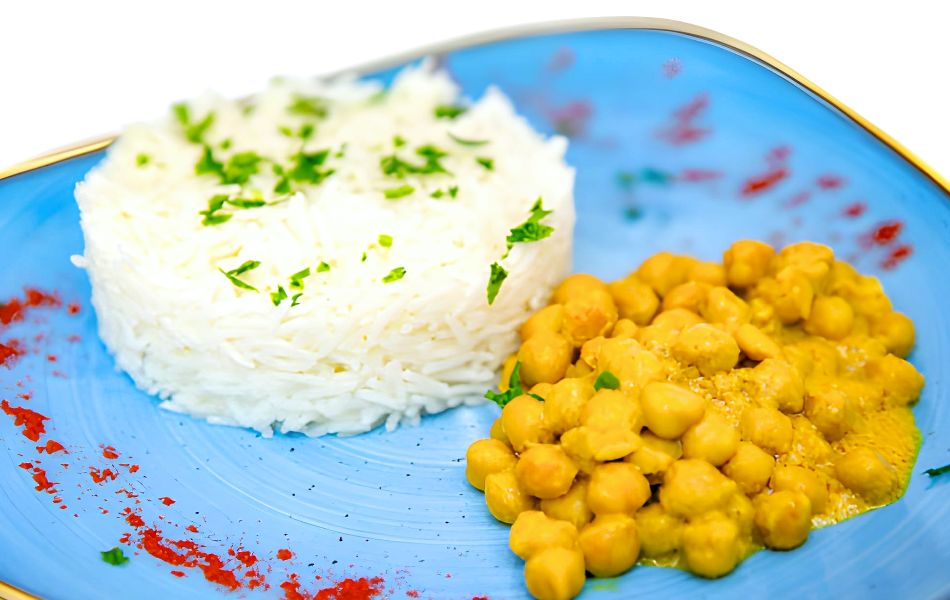
- Grain Bowls: Start with a scoop of basmati rice and top with roasted vegetables, grilled chicken or tofu, and a drizzle of tahini or yogurt. It’s a healthy, satisfying meal.
- Soups and Stews: Add a handful of basmati rice to vegetable soups or hearty stews. The separate grains absorb the flavors without turning mushy.
- Fried Rice: Day-old basmati rice is perfect for fried rice. Sauté some garlic, ginger, and veggies, then add the rice, soy sauce, and a scrambled egg for a quick, tasty meal.
- One-Pot Dishes: Sear chicken thighs, then toast the rice in the same pot. Add broth, herbs, and veggies, and let everything simmer together for an easy, flavorful dinner.
See Also – Master These Simple Tips for Cooking Brown Rice Perfectly Every Time
Basmati in a Balanced Diet
So, is basmati rice healthy? The answer is a clear yes. It can be a wonderful part of a balanced diet. Because it has a lower glycemic index, it’s considered a healthier carbohydrate option. The brown variety offers whole-grain benefits like added fiber and nutrients.
Like any food, portion size is important. A serving is typically about one cup of cooked rice. Pairing it with plenty of vegetables and lean protein creates a well-rounded meal. You get energy from the rice, vitamins from the veggies, and staying power from the protein. Enjoying food is part of a healthy life, and basmati rice brings so much flavor to the table. Feel good about adding this delicious grain to your kitchen routine.