Simple Tips for Delicious Healthy Soups
There is something special about a bowl of homemade soup. It warms you from the inside out. For years, my kitchen has been a lab for creating all sorts of soups. I want to share my best cooking tips with you. Forget bland, watery bowls. We are going to make vibrant, nutritious meals that you will want to eat all week long. This is about learning a few simple ideas. You can use these to turn whatever you have in your fridge into a delicious meal.
Why Healthy Soups Should Be Your Go-To Meal
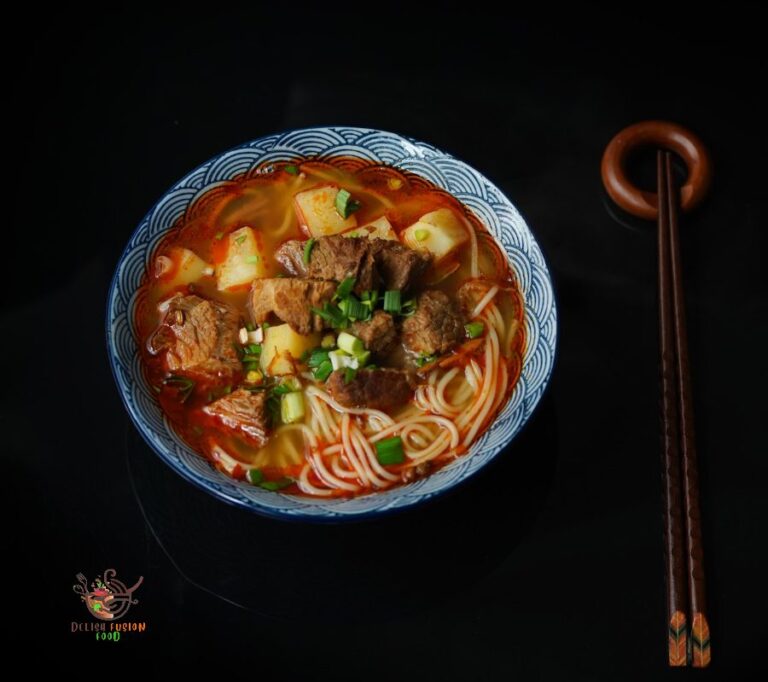
Healthy soups are perfect for so many reasons. They’re quick, versatile, and incredibly forgiving. Toss in whatever veggies, grains, or lean proteins you have on hand, and you’ve got yourself a hearty, satisfying meal. Plus, soup is a fantastic way to use leftovers, so no ingredients go to waste!
The beauty of soup is that it’s not just nourishing, it’s also customizable. Whether you’re craving a creamy bowl or a light, brothy option, you can adjust it to suit your mood. Let’s take a look at the ingredients and techniques that will help you make every bowl a winner.
Building a Flavorful Foundation
The secret to any great soup is its base. This is where you build layers of flavor. A strong foundation means you need less salt and fat later on.
Start with Aromatic Vegetables
Almost every amazing soup begins with a simple trio of vegetables. This is often onions, carrots, and celery. I think of them as the flavor foundation for your soup. Gently cook these vegetables in a little oil. They soften and release their natural sweetness. This process creates a deep, savory flavor. Do not rush this step. Let the vegetables cook over medium-low heat for about 10 minutes. You want them soft and fragrant. You can also add garlic. Put it in during the last minute of cooking so it does not burn.
Choose Your Broth Wisely
Your choice of liquid is another key element. A good broth adds another layer of flavor. When you choose a store-bought broth, look for low-sodium options. This gives you control over the final saltiness. Making your own broth is even better. It is simple to do and uses up kitchen scraps. I keep a bag in my freezer for leftover vegetable peels and herb stems. When the bag is full, I empty it into a pot, cover it with water, and simmer for a few hours.
Packing in the Nutrients
With a solid flavor base, it is time to add the main ingredients. This is where you can get creative and load your soup with vitamins.
Load Up on Vegetables
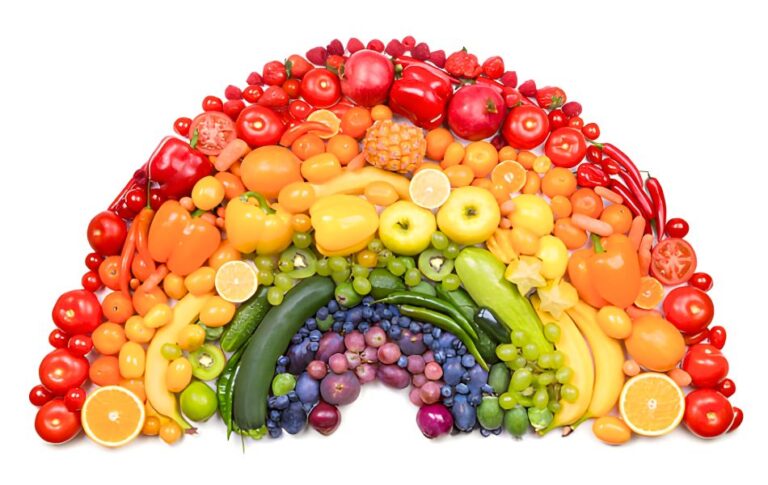
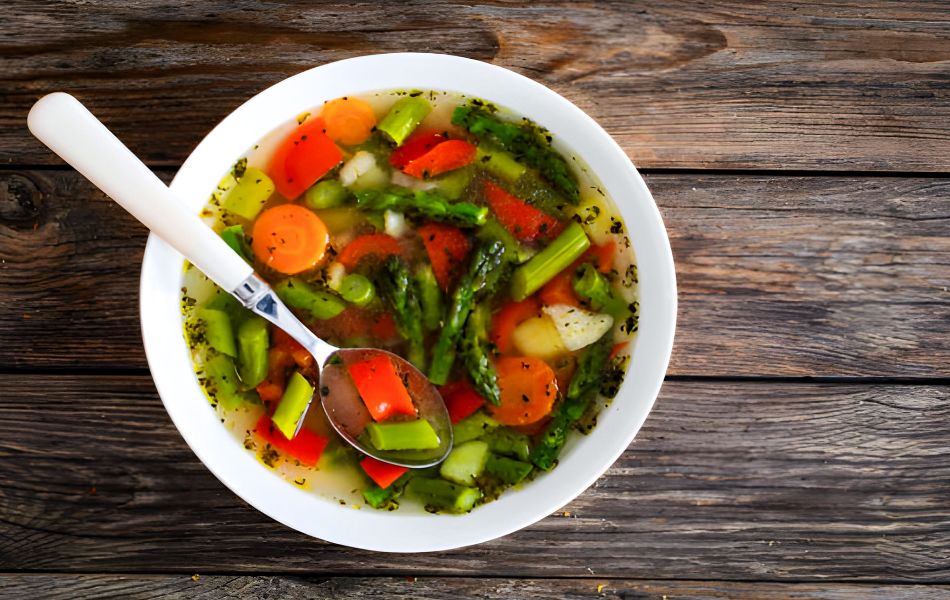
Vegetables are the stars of healthy soups. Add a wide variety of them. Different colors mean different nutrients, so aim for a rainbow in your pot. Greens such as spinach or kale make excellent additions. Add them during the final stage of cooking. They only need a minute or two to wilt.
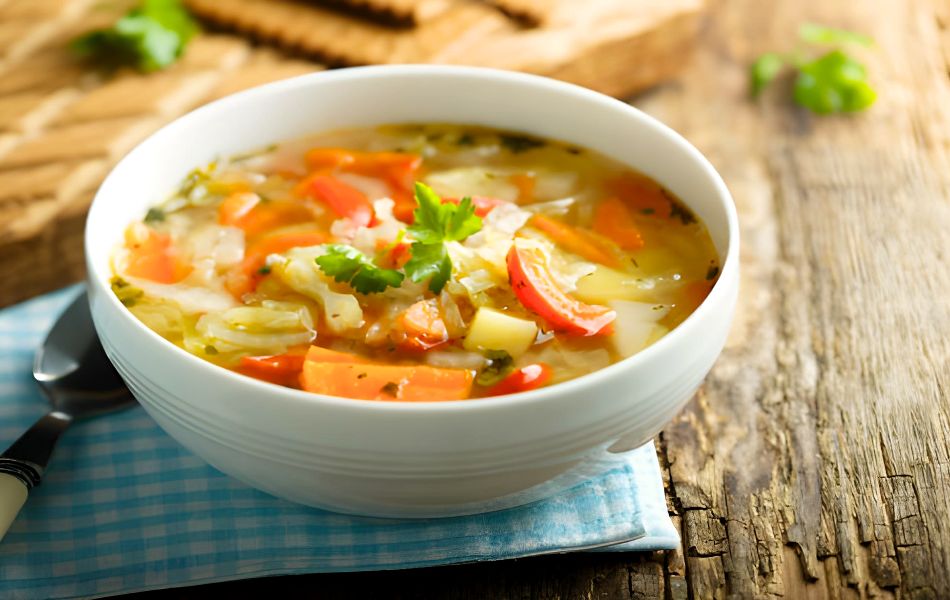
Hearty vegetables like potatoes, sweet potatoes, and winter squash add substance. They make your soup more filling. Slice them into evenly sized, small pieces to ensure consistent cooking.
Add Lean Proteins and Legumes
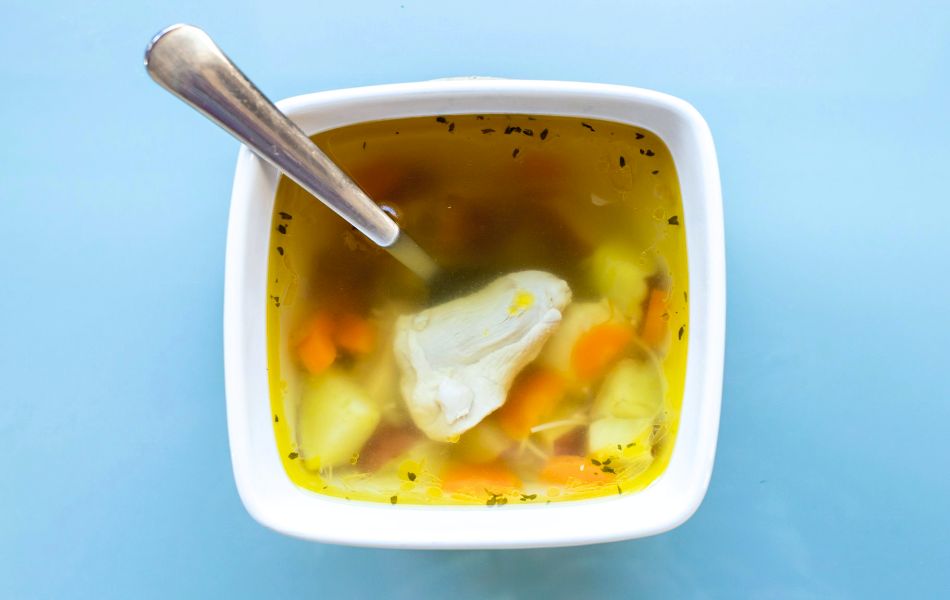
To make your soup a complete meal, you need protein. Shredded chicken, lean ground turkey, or small chunks of fish are great options. Beans and lentils are fantastic plant-based protein sources. They are also full of fiber. Canned beans are a quick and easy option. Make sure to rinse them thoroughly to get rid of extra sodium. Dried lentils cook quickly and do not require pre-soaking.
Mastering the Art of Seasoning
Good seasoning is one of the most important cooking tips for making healthy soups. The answer lies in herbs, spices, and a few secret ingredients.
The Power of Herbs and Spices
Fresh herbs add a bright, clean taste. I add delicate herbs like parsley or basil right before serving. Hardy herbs like rosemary and thyme can handle the heat. You can add them early in the cooking process. Spices add warmth and complexity. Adding a small amount of smoked paprika can bring a rich, smoky flavor. A little cumin can give your soup an earthy, warm flavor. Turmeric adds a beautiful golden color.
Natural Flavor Boosters
A few pantry staples can elevate your soup from good to great. A squeeze of lemon juice or a splash of apple cider vinegar at the end can brighten all the flavors. It wakes up the whole pot. Tomato paste, added with the aromatic vegetables, provides a rich, concentrated tomato flavor. One of my favorite tricks is to use the rind from a piece of Parmesan cheese. I drop it into the simmering soup. It slowly adds a nutty, salty depth. Just remember to remove any remaining rind before serving.
Tips for Perfect Soup Texture
The texture of a soup is just as important as its flavor. You can have a creamy soup without a drop of cream. It is all about technique.
Creating Creaminess Without Cream
If you love creamy soups but want to keep them healthy, use your blender. Take out a cup or two of your finished soup. Blend it until it is smooth, then stir it back into the pot. This thickens the soup without adding fat. An immersion blender works wonders here. Another great trick is to add a starchy vegetable. A potato, cooked until tender and then blended, will thicken your soup beautifully. Blended white beans also create an incredibly creamy base.
Getting the Consistency Right
Sometimes your soup might be too thin. Let it simmer with the lid off. This allows some liquid to evaporate and concentrates the flavors. If your soup is too thick, simply add a bit more low-sodium broth or water until it reaches the consistency you like.
Flavor Inspiration: Get Creative with Your Soups
Once you’ve mastered the basics, feel free to get creative! Here are some fun variations to try:
- Spicy Black Bean Soup: With cumin, chili powder, and a dollop of Greek yogurt, this protein-packed soup will warm you from the inside out.
- Curried Butternut Squash Soup: A dash of curry powder and coconut milk creates a velvety, comforting bowl.
- Mediterranean Style: Try a tomato-based soup with olives, cannellini beans, and fresh basil for a rustic, hearty twist.
- Asian-Inspired: Add ginger, lemongrass, and soy sauce for a fragrant, soothing broth.
Storing and Serving Your Soups
You have made a big, beautiful pot of soup. Now what? Soups are perfect for meal prep. Most soups taste even better the next day. The flavors have more time to meld together.
Serving Suggestions
Toppings are a fun way to add extra flavor and texture. A dollop of plain Greek yogurt can add a tangy, creamy finish. A sprinkle of toasted nuts or seeds provides a nice crunch. Freshly chopped herbs are always a good idea. You can also make your own croutons by toasting whole-grain bread cubes with a little olive oil and garlic powder.
Storing and Freezing
Let your soup cool completely before storing it. You can keep it in an airtight container in the refrigerator for up to four days. Soup also freezes wonderfully. I like to freeze it in individual portions for a quick and easy meal. Let the soup cool, then ladle it into freezer-safe containers. Leave a little space at the top. Your soup will last for about three months in the freezer.
See Also – Ultimate Guide to Reheating Beef Stew: Methods, Tips, and Safety
Final Thoughts
Making healthy soup doesn’t have to be complicated. With the right ingredients, a little patience, and a few key techniques, you’ll have a nutritious, flavorful meal in no time. So grab your pot, get creative with your ingredients, and enjoy the process. Happy cooking!