Is a Burger Healthy? The Truth About Making It Nourishing and Delicious
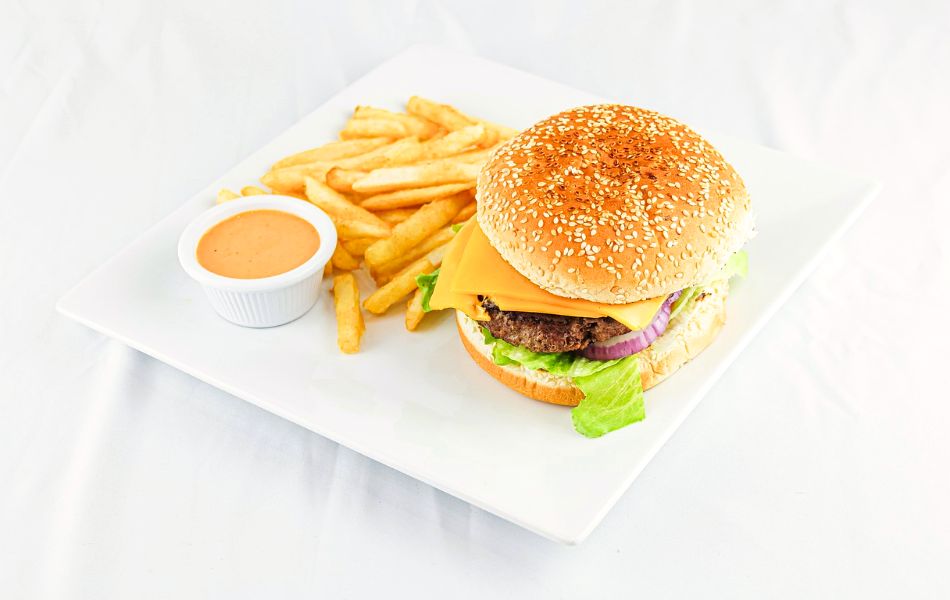
We all love a good burger. There is something about the juicy patty, melted cheese, and all the tasty toppings that hits the spot. But if you have ever asked, “Is burger healthy?” you are not the only one. The good news is that a burger can be a wholesome, satisfying meal. The answer all depends on how you build it.
Fast food has given the burger a reputation for being greasy and packed with processed ingredients. In your own kitchen, you have complete control. You choose the ingredients. You decide on the cooking method. Let’s break down how to create a delicious and healthy burger you can feel good about.
Deconstructing the Classic Burger: Where to Start
A burger has several key parts. Each one contributes to its final nutrition profile. Understanding these pieces helps you make smarter choices. From the patty to the bun and toppings, every layer matters.
The Patty: Protein That Packs a Punch
The protein in your burger is the base, and this is where you can make a big impact. Traditional beef burgers can be delicious, but they’re often high in fat. To lighten things up without sacrificing flavor, try these alternatives:
- Lean Beef: If you prefer beef, choose leaner cuts like ground sirloin (90% lean) or opt for grass-fed beef. It has less fat and more omega-3s.
- Turkey or Chicken: These lean meats still deliver plenty of protein and will help keep your burger light and filling.
- Plant-Based: For a veggie-packed twist, go for black bean patties, lentil burgers, or portobello mushrooms. They add fiber and nutrients, plus a unique flavor that you’ll love experimenting with.
By using these alternatives, you can still enjoy a hearty burger without the extra fat or calories.
The Bun: Go for Whole Grains or Go Bun-less
Let’s talk about the bun. Traditional white buns, while soft and comforting, are made with refined carbs, which provide little nutritional value and can cause blood sugar spikes. Instead, consider these options:
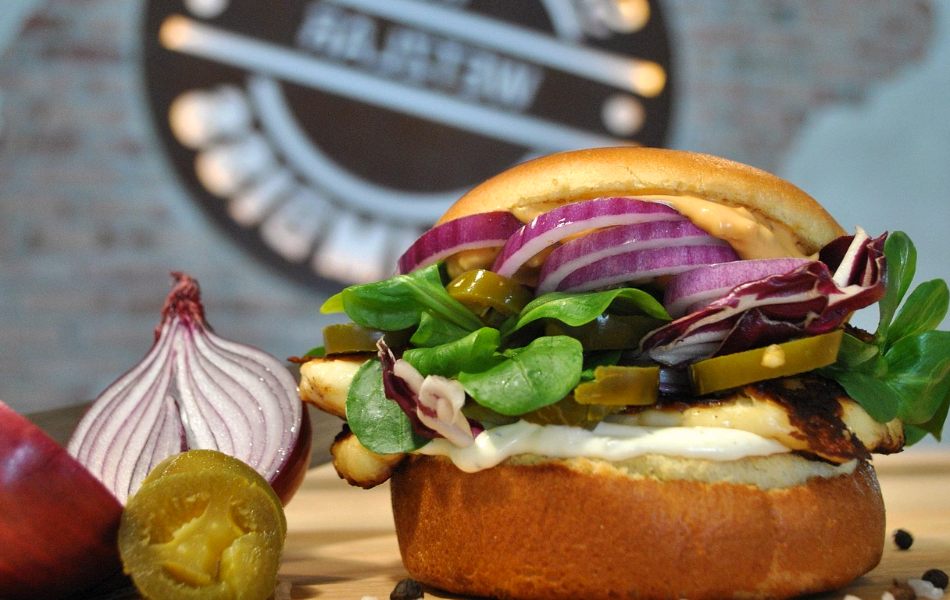
- Whole Wheat Buns: These provide more fiber, vitamins, and a richer flavor.
- Lettuce Wrap: For a low-carb option, swap the bun for large, crisp lettuce leaves. It’s a refreshing alternative that holds all the fillings in place.
- Portobello Mushroom Caps: A fun and savory twist – grill or roast the caps and use them as your burger base.
- Sweet Potato Rounds: For a naturally sweet and nutrient-packed option, slice and roast sweet potatoes to create buns.
Choosing a healthier bun is an easy way to elevate your burger, and the possibilities are endless.
Veggies and Toppings: Add Flavor and Nutrition
The toppings you choose are the secret to creating a burger that’s both delicious and packed with nutrients. Don’t be shy about loading up your burger with fresh vegetables. They bring a burst of color, flavor, and antioxidants.
- Fresh Veggies: Classic lettuce, tomato, onions, and pickles add crunch and freshness. You can also add sliced avocado for healthy fats and creaminess.
- Grilled Veggies: Think outside the box, grilled peppers, zucchini, or eggplant add a smoky depth that pairs perfectly with the patty.
- Fermented Veggies: Try adding sauerkraut or kimchi for a tangy kick and a dose of probiotics to support digestion.
- Cheese: A small amount of cheese can elevate your burger’s flavor. Choose lighter options like fresh mozzarella, sharp cheddar, or goat cheese. You can also explore dairy-free cheeses made from nuts or soy.
When it comes to sauces and condiments, ditch the sugary ketchup and mayo. Instead, go for:
- Greek Yogurt: Use it as a base for creamy, high-protein sauces.
- Salsa: A fresh tomato salsa adds a zesty punch with fewer calories.
- Mustard: Low in calories, mustard adds a nice bite without any extra fat.
- Guacamole: For a creamy texture and healthy fats, guacamole is a perfect choice.
Get creative with your toppings, this is where you can really make your burger shine.
Cooking Methods for a Lighter Burger
How you cook your patty also matters. Frying in a pan of oil adds extra fat. There are better ways to get that perfect sear.
Grilling and Broiling
Grilling is a fantastic method. The excess fat drips away from the meat. This leaves you with a leaner patty. It also gives the burger that classic smoky flavor. If you do not have a grill, your oven’s broiler works in a similar way. The direct heat cooks the burger quickly and lets fat drip down.
Pan-Searing with Less Oil
You can still use a pan. A non-stick skillet requires very little oil. You can also use a cast-iron pan for a great crust. Use just a teaspoon of a healthy oil like avocado or olive oil. Let the pan get hot before you add the patty. This helps it sear instead of soak up grease.
Simple Tips for a Better Burger
I burned my first homemade patties. They were charcoal outside and raw inside. Learn from my flops with these simple fixes.
- Mix Gently: Overworking the meat leads to tough burgers. Mix your patty ingredients gently until just combined.
- Season Well: Don’t be shy with spices. A well-seasoned patty needs fewer sauces. Try adding smoked paprika, garlic powder, or cumin to your meat mixture.
- Toast Your Buns: Lightly toasting your buns on the grill or in a skillet creates a nice crunch and prevents sogginess.
- Let It Rest: After cooking, let your patties rest for about three minutes. This lets the juices settle evenly, ensuring the burger stays tender and juicy.
One of my favorite tricks is to add finely grated zucchini to turkey patties. It adds moisture and a sneaky vegetable boost that no one ever notices.
Serving Your Healthy Burger: Pairing and Sides
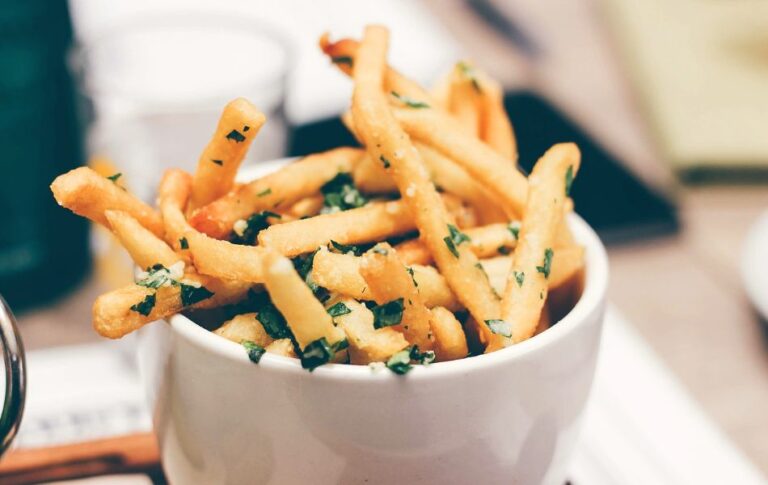
A burger is best served with a balanced side that complements its flavors. Instead of fries, try these healthier options:
- Baked Sweet Potato Fries: Slice sweet potatoes into strips, toss with a bit of olive oil, and bake for a crispy, healthier alternative to fried potatoes.
- Side Salad: A fresh green salad with a light vinaigrette brings extra nutrients and balances the richness of the burger.
- Coleslaw: Make a lighter version using Greek yogurt instead of mayo for a creamy, tangy side.
These sides will keep your meal light but satisfying.
See Also – 8 Brisket Cooking Tips Every BBQ Enthusiast Should Know
So, Is Burger Healthy? The Final Verdict
Let’s return to our original question. A burger is not inherently unhealthy. The problem is often the company it keeps. Fast-food burgers are typically made with fatty meat and processed ingredients.
A burger you make at home is different. You are the chef. You choose lean protein and whole-grain buns. You pile on fresh vegetables and use smart sauces. When you build it with care, a homemade burger can be a delicious, nutrient-dense meal. So go ahead and enjoy one. Your kitchen, your rules.