How to Cook Shrimp Without Overcooking: Juicy Every Time
Rubbery shrimp break my heart. You spend good money on plump, pretty shrimp. Then thirty seconds too long turns them into little pink erasers. I have been there more times than I want to admit.
The good news is simple. Tender shrimp come from heat control, close attention, and a quick exit from the pan. Once you learn a few tricks, shrimp become the easiest thing you cook. Let me share my kitchen secrets with you.
Why Shrimp Overcook So Fast
Shrimp are small and lean. They hold almost no fat to protect them from heat. So they go from raw to perfect in about two minutes. Blink, and you miss the window.
One key idea changes everything. Shrimp keep cooking after you lift them off the heat. Pull each piece early, then let the leftover warmth finish the center. Speed becomes your friend, not your enemy.
Size also affects timing. Small shrimp finish sooner than jumbo ones. A mixed bag gives you uneven results, so sort by size before cooking.
The “C” vs “O” Curl Trick
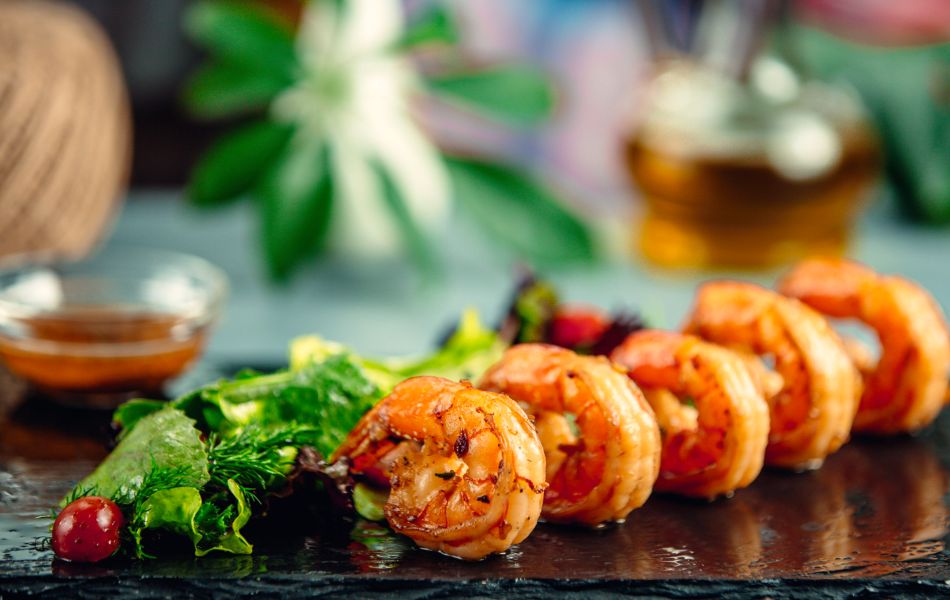
This one changed my whole approach. Watch the shape your shrimp make as they cook. Raw shrimp lie straight and loose. As they heat, they curl into a soft letter “C.”
That C shape means they hit the sweet spot. Pull them off the heat right then. Wait too long, and the shrimp squeeze into a tight “O.” An O means overcooked, tough, and chewy.
So the rule stays simple. Aim for a “C,” never an “O.” I whisper this to myself at the stove every time.
Color and Texture Cues
Color tells a beautiful story with shrimp. Raw shrimp look grayish and see-through. As they cook, they turn pink outside with milky white flesh. When the last bit of gray disappears, you are done.
Texture gives one more clue. Gently press a piece with a spoon. Perfect shrimp feel firm with a soft spring, like the tip of your nose. For the safest check, aim for 145°F in the thickest section.
Quick Cooking Time Guide
Timing depends on your shrimp size and method. Here is a quick guide I keep in my head.
| Cooking Method | Small/Medium Shrimp | Large/Jumbo Shrimp |
|---|---|---|
| Pan-sear or sauté | 1 to 2 minutes per side | 2 to 3 minutes per side |
| Boil or poach | 2 minutes total | 3 minutes total |
| Grill | 2 minutes per side | 3 minutes per side |
| Bake at 400°F | 6 to 8 minutes total | 8 to 10 minutes total |
Set a timer if you feel nervous. But keep your eyes on the color and curl too. Numbers guide you, and your senses confirm the finish.
Prep Tips That Make a Big Difference
Great shrimp start before the heat. A little prep sets you up to win.
- Pat them dry. Wet shrimp steam instead of sear. Blot both sides well for a golden crust.
- Devein them. Pull out the dark line along the back with a small knife. This step improves taste and texture.
- Match the size to your dish. Bigger shrimp suit grilling and skewers. Smaller ones shine in pasta and stir-fries.
- Read the label. Numbers like 21/25 show pieces per pound. Lower numbers mean larger shrimp.
Thaw frozen shrimp in the fridge overnight. For a faster route, seal them in a bag and rest it in cold water for fifteen minutes. Drain well, then dry each piece before seasoning.
The Baking Soda Trick
This step gives you a crisp, plump bite. Toss your thawed shrimp with a pinch of salt and baking soda before heating. Use one-quarter teaspoon of baking soda for every pound.
Let the mixture rest in your fridge for fifteen minutes. The baking soda changes the outer proteins. You get a beautiful sear while the inside stays juicy.
Season Right Before Cooking
Salt pulls moisture from shrimp over time. Season them right before the pan heats. This keeps the surface dry and ready to brown.
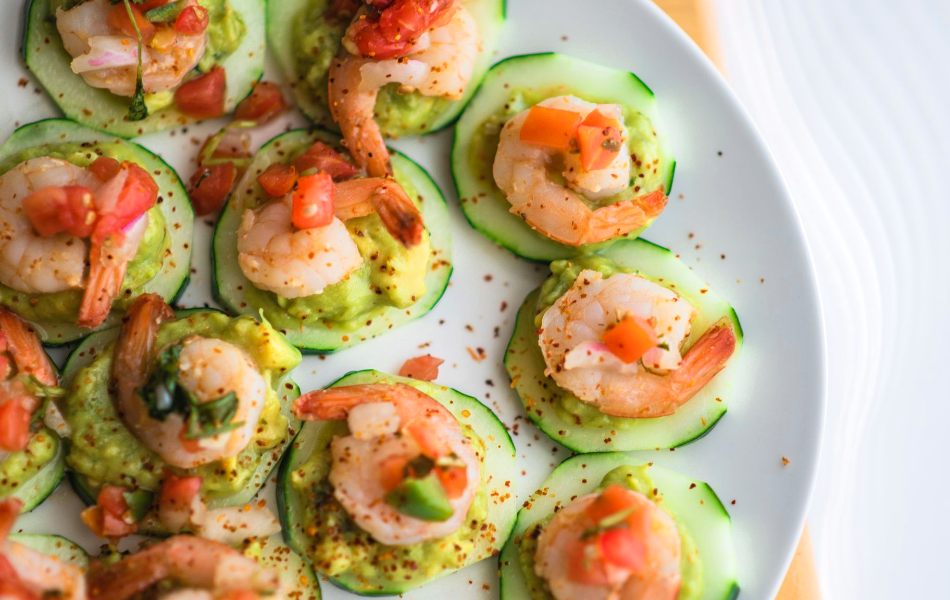
My simple mix uses salt, black pepper, garlic powder, and smoked paprika. The paprika adds warm color and a gentle smoky note. For one pound of peeled shrimp, use half a teaspoon of salt, a quarter teaspoon of pepper, half a teaspoon of garlic powder, and half a teaspoon of paprika.
Master Your Heat
Heat control separates tender shrimp from tough ones. You want your pan hot, but not smoking. Medium-high heat works best for searing.
Heat the empty pan for one to two minutes. Add a tablespoon of oil and wait until it shimmers. Lay your shrimp in a single layer with space between each one. A crowded pan traps steam and robs the shrimp of a browned edge.
Butter tastes lovely, but butter burns faster than oil. Start with oil, then add butter near the end. This gives nutty flavor without scorched milk bits.
How to Sauté Shrimp Without Drying Them Out
Heat a tablespoon of oil in a wide skillet over medium-high heat. Add one pound of dry, seasoned shrimp in a single layer. Cook large shrimp for about ninety seconds on the first side.
Flip each piece when the bottom turns pink and lightly golden. Cook for another sixty to ninety seconds. Add a tablespoon of butter, one minced garlic clove, and a squeeze of lemon.
Turn off the heat as soon as the centers look milky. Toss for fifteen seconds, then move the shrimp to a plate. The warm butter coats each piece while leftover heat finishes the center.
How to Boil Shrimp Without Making Them Rubbery
Bring a pot of salted water to a steady boil. Add lemon slices, peppercorns, or bay leaves for more flavor. Keep a bowl of ice water nearby.
Add the shrimp and stir once. Small shrimp need one to two minutes. Large shrimp need two to three minutes. Watch for pink color and a loose curl.
Scoop the shrimp out right away. Move them into ice water for one minute, then drain. The ice bath stops the cooking fast, which suits shrimp cocktail and chilled salads. Skip the ice bath when serving them hot.
How to Bake Shrimp Without Overcooking
Heat the oven to 400°F. Toss one pound of shrimp with a tablespoon of oil and your seasoning. Spread them over a sheet pan in one layer.
Bake large shrimp for six to eight minutes. Jumbo shrimp need eight to ten minutes. Check early, since oven strength affects speed. Move them to a serving plate at once, because a hot pan keeps sending heat into the seafood.
How to Grill Shrimp with a Juicy Center
Use large or jumbo shrimp for grilling. Small pieces cook too fast and slip through the grate. Skewers make turning easier too.
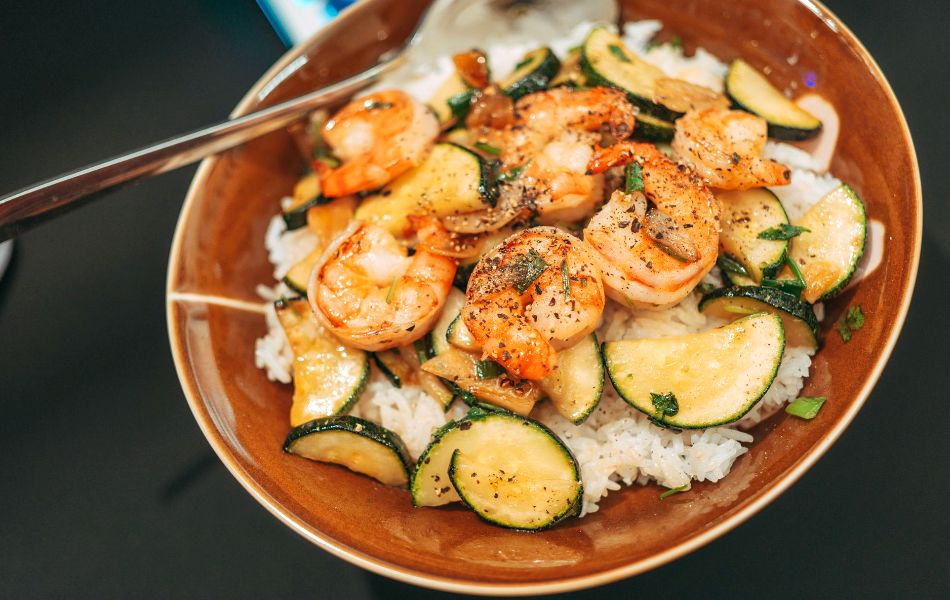
Heat the grill to medium-high. Oil the grates, then place seasoned shrimp over direct heat. Grill for about two minutes per side. Brush with garlic butter after grilling, not before, since butter flames up when added too early.
Butter Poaching for Rich Flavor
Butter poaching gives you a silky, gentle finish. You coat the shrimp in fat to slow the heat transfer. Melt half a cup of unsalted butter with two tablespoons of water over low heat.
Keep the temperature around 150°F. Drop your seasoned shrimp into the warm fat. Cook them slowly for five to seven minutes until tender. Serve this dish over warm, crusty bread.
The Marinade Mistake Behind Mushy Shrimp
Acid adds bright flavor, but long soaking harms texture. Lemon and lime start changing shrimp protein before cooking. Too much time leaves the surface soft and chalky.
Keep acidic marinades under fifteen minutes. For longer seasoning, use oil, herbs, garlic, and dry spices. Add citrus juice after cooking. I once left shrimp in lime juice while prepping sides, and the edges turned pale and mushy.
Common Mistakes to Avoid
I made every one of these before I learned better. Save yourself the trouble.
- Cooking straight from frozen. Icy shrimp cook unevenly and turn rubbery. Thaw them fully first.
- Skipping the dry-off step. Damp shrimp will not brown. You get pale, soggy results.
- Using low heat too long. Gentle heat over many minutes toughens shrimp. Quick and hot keeps them tender.
- Forgetting they keep cooking. Take them off a touch early every time.
- Leaving shrimp in hot sauce. Cream and curry hold heat for minutes. Stir the shrimp in near serving time.
Easy Flavor Pairings
Once you nail the timing, play with flavor. Shrimp soak up seasoning beautifully.
For a bright weeknight mix, use garlic, lemon, parsley, and red pepper flakes. Spoon the shrimp over rice, pasta, or toasted bread. For tacos, use cumin, smoked paprika, lime zest, and oregano with cabbage and avocado. For an Asian-style bowl, use soy sauce, ginger, garlic, and sesame oil over rice.
What to Do with Overcooked Shrimp
Overcooked shrimp will not return to a tender state. Still, smart choices help soften each bite. Chop the shrimp into small pieces instead of serving them whole.
Mix chopped shrimp with mayonnaise, yogurt, lemon, and celery for a creamy salad. Fold the pieces into fried rice with plenty of egg and vegetables. A moist sauce makes the firm texture less obvious.
Frequently Asked Questions
Should shrimp curl into a circle?
No. A tight circle signals overcooking. Look for a relaxed “C” shape with a plump center.
Is pink shrimp always fully cooked?
Color helps, but color alone lacks full accuracy. Check the thickest part for a milky look. A thermometer should read 145°F.
Why does shrimp turn watery in the pan?
Wet shrimp or a crowded skillet cause extra liquid. Dry each piece and cook in one layer. Raise the heat slightly when the sizzle fades.
See Also – Cooking Tips for Perfect Sautéing
Your Turn at the Stove
Tender shrimp come down to attention and timing. You now know the curl trick, the color cues, and the heat rules. Learning how to cook shrimp without overcooking puts you ahead of most home cooks.
Grab a bag of shrimp this week and give it a try. Stay close, trust your eyes, and pull them early. Soon your friends will ask for your secret, and you get to smile and say you learned to stop at the “C.”