Cooking Tips for Perfect Sautéing
I really enjoy using the sautéing method for cooking. It is fast, easy, and creates wonderful flavors. This simple technique can turn everyday ingredients into something special. If you have ever ended up with soggy vegetables, this guide is for you. With a few simple cooking tips for perfect sautéing, you can make sure your food comes out beautifully browned and full of flavor every time.
Think of this as a friendly chat in my kitchen. I am sharing the secrets that have helped me master this technique. We will cover everything from choosing the right pan to finishing your dish with style. Soon you will feel confident making quick and delicious meals.
What is Sautéing and Why It Matters
Let’s quickly clarify what sautéing means. It’s a French cooking term that refers to cooking food quickly in a small amount of fat. You usually use medium-high heat. The goal is to cook food fast and evenly. This helps form a tasty outer crust while keeping the inside soft and juicy. The word comes from a French term meaning “to jump,” which describes how food moves in the hot pan.
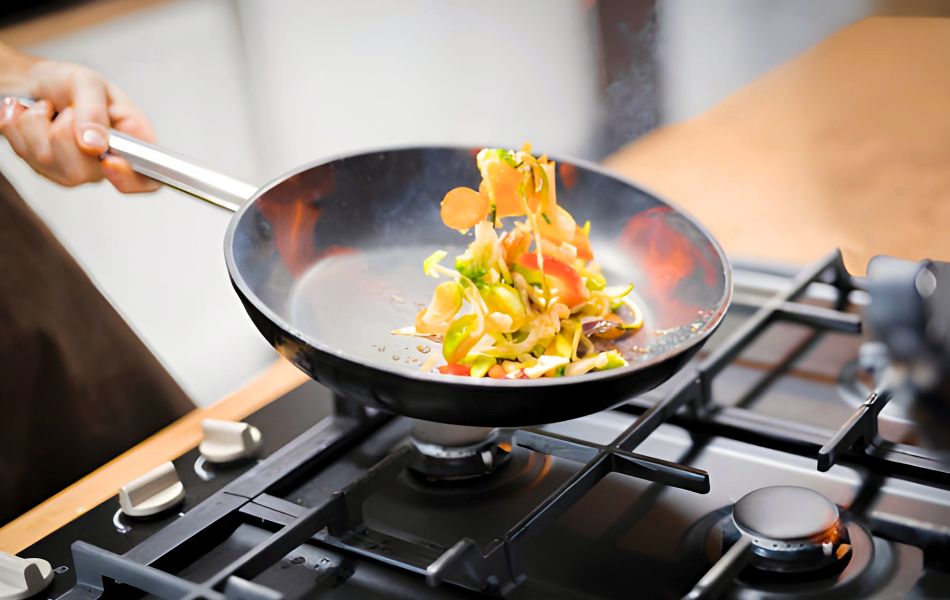
When you get it right, sautéing adds that mouthwatering, golden-brown crust that seals in all the flavors, turning everyday ingredients into something special.
Essential Tools and Ingredients or Perfect Sautéing
Great sautéing starts with the right equipment and fresh ingredients. You do not need much, but what you use makes a difference.
1. The Right Pan
Your pan is your most important tool here. A wide, flat-bottomed skillet works best. It gives food plenty of room to make contact with the heat. Look for a pan with a heavy bottom, like stainless steel or cast iron. These materials ensure uniform heat distribution and help eliminate hot spots. A pan with straight, high sides also helps keep food from flying out as you toss it.
2. The Right Tools
A sturdy spatula or a pair of tongs is essential for moving your ingredients around without breaking them. Tongs are perfect for flipping proteins like chicken or shrimp, while a wooden or silicone spatula lets you stir veggies without scratching your pan.
3. Choosing the Right Fat
The fat you choose does more than prevent sticking. It also adds flavor. You should use a fat that can withstand high cooking temperatures without burning. This means it can get hot without burning. Good options include grapeseed oil, avocado oil, and canola oil. For extra flavor, you can use clarified butter, also known as ghee. Add only enough to create a light, even coating on the bottom of the pan.
4. The Best Ingredients
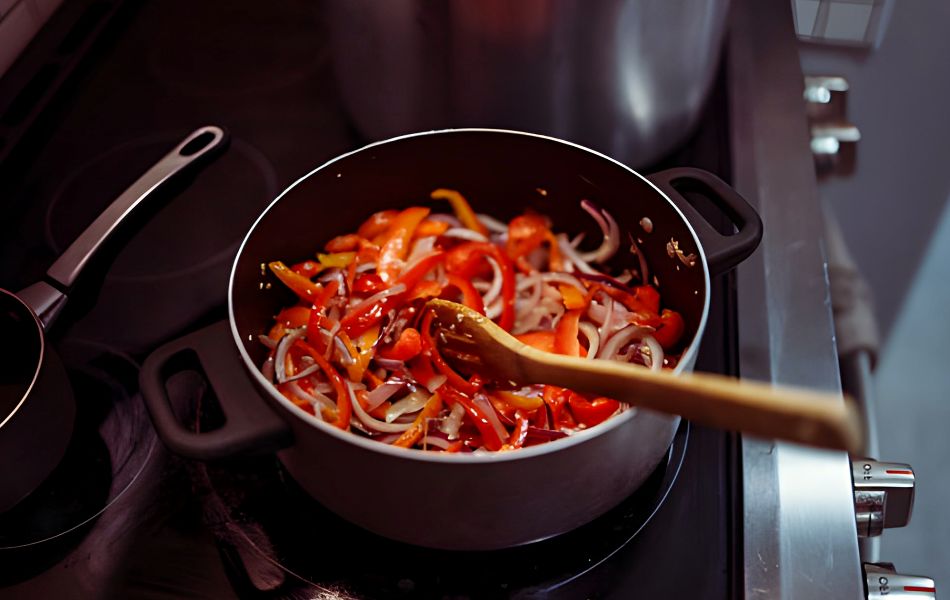
Some ingredients work better for sautéing because they cook quickly. Vegetables like onions, mushrooms, and bell peppers hold up well under high heat. For proteins, chicken breasts, shrimp, and thin cuts of beef are great choices. If you use tofu, be sure to press out the extra moisture so it crisps up nicely.
Getting Your Ingredients Ready
The key to perfect sautéing is good preparation. If you’re working with protein or vegetables, make sure they’re evenly cut. Uneven pieces will cook at different rates, so a small dice or uniform slices go a long way in ensuring everything cooks perfectly.
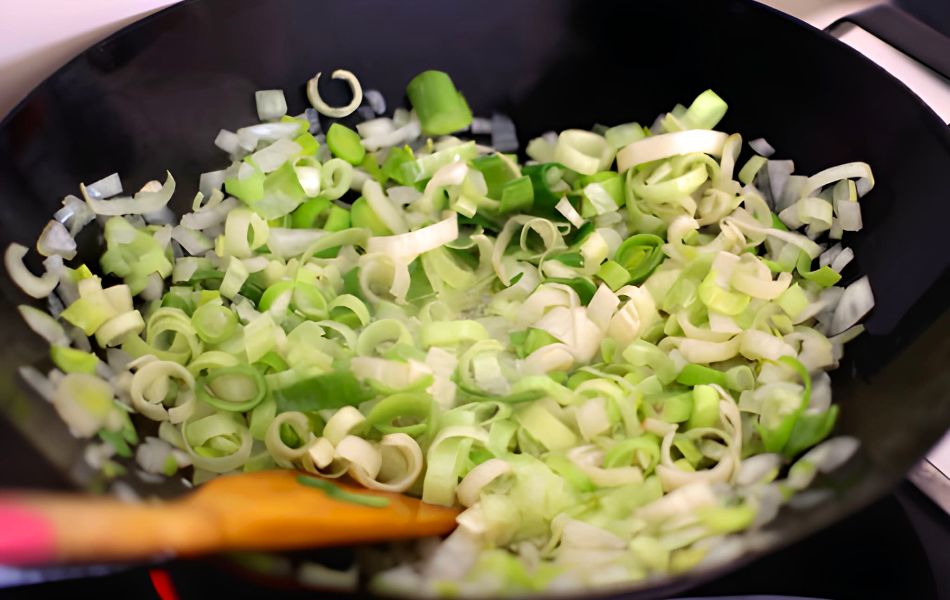
Tip: Always pat your ingredients dry with a paper towel before adding them to the pan. Moisture will steam your food rather than give it a crispy, golden-brown sear.
Step-by-Step Guide for Perfect Sautéing
With your pan hot and your ingredients prepped, you are ready to cook. By following these steps, you can achieve excellent results.
1: Prepare Your Ingredients
Proper preparation makes the cooking process smooth. Cut all your ingredients to a similar size and shape. This ensures everything cooks at the same rate. Before adding any protein or vegetable to the pan, pat it completely dry with a paper towel. A dry surface browns beautifully.
2. Preheat Your Pan
Start by preheating your pan on medium-high heat. This is essential. You want the pan to be hot enough that a drop of water sizzles and evaporates immediately when it hits the surface. If you don’t hear that satisfying sizzle when your ingredients hit the pan, the pan isn’t hot enough, and your food will just steam.
3. Add the Right Amount of Fat
Next, add your cooking fat. You don’t need a lot, just enough to coat the bottom of the pan. Good options include oils with high smoke points like grapeseed, avocado, or ghee. Olive oil can work too, but only if you’re sautéing over lower heat. Once the oil is shimmering but not smoking, it’s time to add your ingredients.
4. Avoid Overcrowding the Pan
This is one of the biggest mistakes people make. When you overcrowd the pan, the ingredients release moisture and steam instead of searing. To avoid this, cook in batches if needed. Space is key, each piece of food needs room to make direct contact with the pan to develop that golden-brown exterior.
5. Keep Things Moving
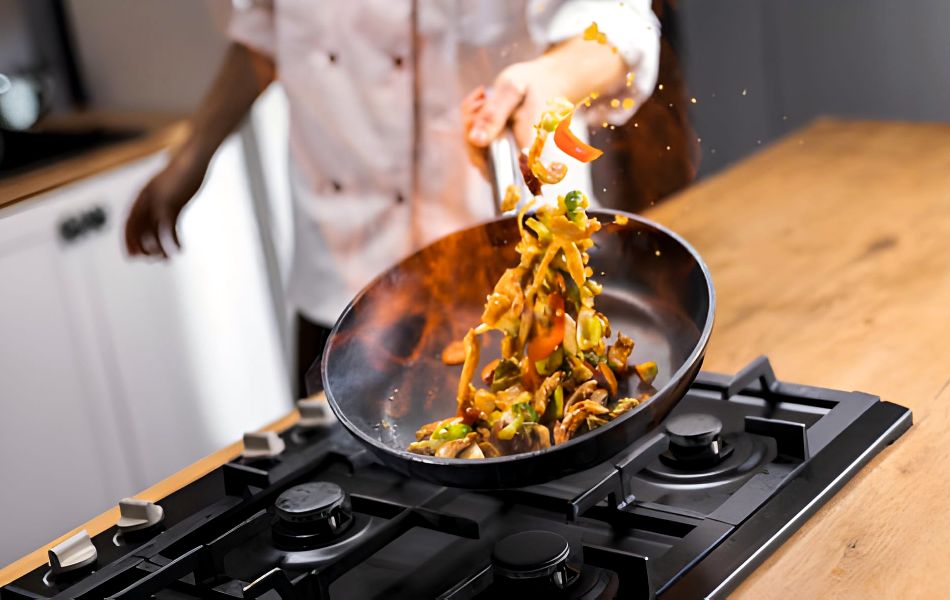
Sautéing is all about action. Stir, toss, and move your ingredients around the pan regularly. This ensures everything cooks evenly, and nothing burns. But don’t go overboard, let your food sit in the pan for a few seconds to develop a crispy sear before you stir again.
Tip: If you’re feeling confident, try the chef’s wrist-flick to toss the food in the air. It’s a fun way to keep everything moving while you cook!
Final Touches: Flavor and Seasoning
Seasoning at the Right Time
When you sauté, timing is everything, not just with the heat, but with seasoning too. Add your salt and pepper towards the end of the cooking process. Adding salt too early can draw out moisture, making your vegetables mushy instead of crispy. Fresh herbs can be added at the very end, just before serving, to preserve their bright flavor.
Enhance with Extra Flavor
Sautéing is a fantastic time to experiment with bold spices and flavors. A pinch of smoked paprika or chili flakes adds a lovely depth, while a quick splash of white wine or balsamic vinegar at the end can lift the whole dish.
Tips for Success
These are the cooking tips for perfect sautéing that I use all the time.
- Do Not Crowd the Pan: Overcrowding lowers the heat and steams your food. Cook in batches if you need to. Your ingredients should sit in a single layer with space between each piece.
- Keep Food Dry: Moisture is the enemy of a good sear. Always dry your ingredients with a paper towel before adding them to the pan. This is very important for meat and tofu.
- Control the Heat: Pay attention to your stove. If your pan gets too hot, the food will burn. If it is too cool, your food will be soggy. Adjust the heat as you cook to maintain a steady temperature.
Common Mistakes to Avoid
- Not Preheating the Pan: A cold pan is the enemy of sautéing. Make sure your pan is hot enough before adding ingredients.
- Overcrowding: Let your food breathe! If you pack the pan too full, everything will steam instead of sear.
- Too Much Oil: You don’t need to drown your ingredients. A thin layer of fat is all you need for that perfect sear.
Serving Suggestions
Sautéed vegetables are a perfect side dish on their own, but you can elevate them with a sprinkle of fresh herbs or a drizzle of balsamic glaze. For proteins like chicken, shrimp, or tofu, serve them over rice, quinoa, or alongside a simple salad for a quick, delicious meal.
For something comforting, sauté mushrooms, garlic, and onions, then stir in a splash of cream for a dreamy pasta sauce. It’s an easy way to make any dish feel indulgent.
See Also – Master Charcoal Cooking: Tips for Perfectly Grilled Meals
Final Thoughts
Mastering sautéing is about paying attention to heat, timing, and movement. It is a technique that can easily transform your meals from good to great. It takes practice, so do not be afraid to experiment in your kitchen. The more you sauté, the more you will enjoy the delicious results. Now you have the tools to go make something wonderful.