
Wholesome Ways to Make Healthy Food Coloring at Home
We all know the magic of a colorful plate, it instantly makes food more inviting. Whether you’re decorating cupcakes, whipping up a smoothie bowl, or making homemade pasta, a splash of color can make everything look more delicious. But if you’re like me, you’re probably wary of artificial food dyes, packed with chemicals that might not be the best for your health. The good news is, you don’t need store-bought synthetic dyes to add vibrant hues to your meals. Nature has already provided us with everything we need, from fruits and veggies to spices.
Let me share how you can use natural ingredients to make your own healthy food coloring. Not only will you brighten up your dishes, but you’ll also be adding extra nutrients and flavors without any of the artificial stuff. It’s easier than you think and so much more fun!
Why Choose Healthy Food Coloring?
Using natural food coloring is a great way to make your meals more wholesome. Unlike synthetic dyes, which are often made from chemicals linked to allergies or other health concerns, natural colorings come with a variety of health benefits. Many natural colorants, like turmeric and spirulina, are packed with antioxidants and anti-inflammatory properties. Plus, they can enhance the flavor of your dishes. For instance, beetroot adds a subtle earthiness, while turmeric brings a warm, golden flavor to the table. So not only are you making your food look amazing, but you’re also making it better for you.
Natural Ingredients for Healthy Food Coloring
Your kitchen is full of natural ingredients that can serve as vibrant food colorants. From the rich reds of beets to the sunny yellows of turmeric, here’s a list of my favorite options:
- Red/Pink: Beets, strawberries, raspberries
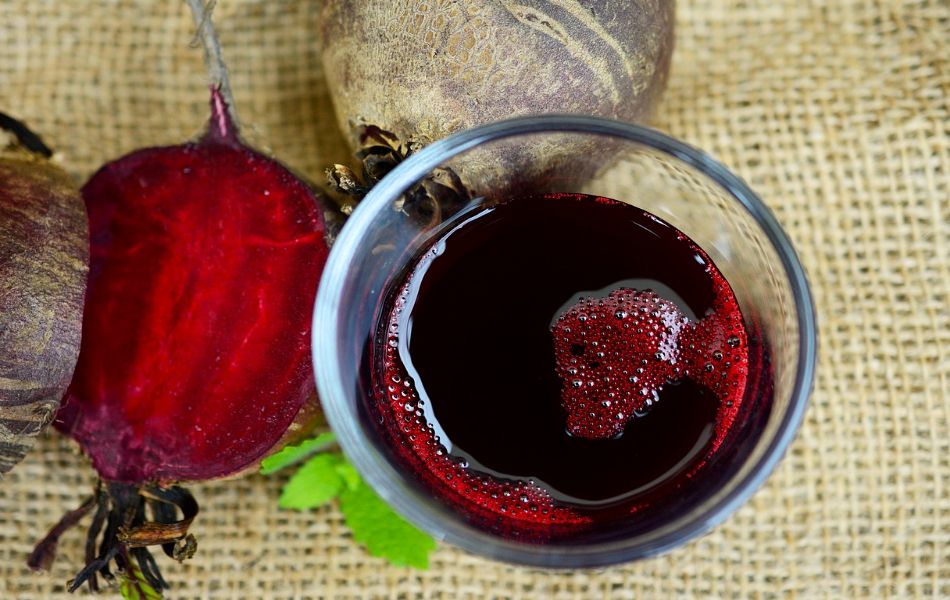
Beets are my go-to for a rich, earthy red color. You can juice them, roast and blend them, or simply use beetroot powder. For a lighter pink, a bit of berry puree works wonders too. - Orange: Carrots, sweet potatoes, paprika
Carrots and sweet potatoes give you a beautiful orange hue. I roast them for added sweetness, then puree and strain for a smooth, concentrated color. A tiny bit of turmeric can deepen the orange if you want a more golden shade. - Yellow: Turmeric, saffron
Turmeric is a powerhouse, providing a bold yellow hue. A little goes a long way, and it adds a distinct flavor, perfect for savory dishes or a subtle hint in cakes. - Green: Spinach, matcha powder
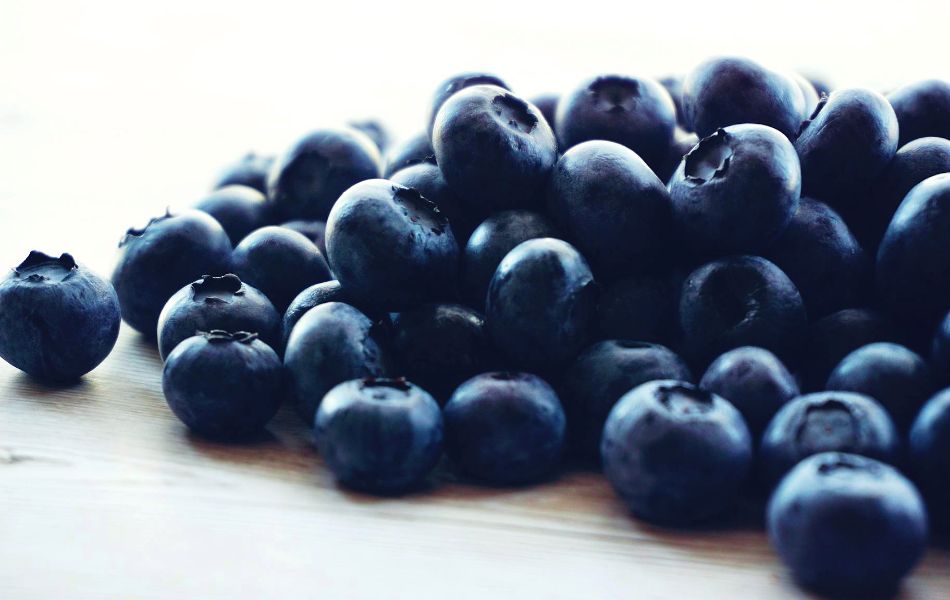
For vibrant green, spinach is my secret weapon. It’s mild in flavor, so it won’t overpower your dish. Alternatively, matcha powder gives you an earthy green with a lovely flavor – perfect for baked goods. - Blue/Purple: Blueberries, butterfly pea flower, purple cabbage
Blue and purple are a bit trickier, but they’re still doable. Blueberries create a rich purple color, while butterfly pea flower tea offers a brilliant blue. Purple cabbage can change color with pH, turning blue with a little baking soda or pink with lemon juice. - Black: Activated charcoal (food grade)
If you’re looking for something more dramatic, food-grade activated charcoal provides a deep black color, ideal for desserts or unique dishes.
How to Make and Use Healthy Food Coloring
Now, let’s talk about how to turn these ingredients into usable food coloring. Here’s a simple method to create natural colors:
- Extracting the Color
For fresh fruits and veggies like beets, carrots, or spinach, blend them with a bit of water, then strain the puree to remove pulp. For powders like turmeric or spirulina, just mix them with water to create a paste. - Adjusting the Color Intensity
You can easily adjust the color’s strength by adding more or less of your natural dye. If you want a pastel shade, use less; for a bolder color, add more. - Storing the Color
Store your liquid colors in airtight containers in the fridge for up to a week. You can also freeze them in ice cube trays for long-term use. - Using Your Color
Natural food coloring works beautifully in batters, frostings, and even savory dishes like pasta dough or mashed potatoes. Just add the coloring slowly and mix well to ensure even distribution.
Creative Ways to Use Healthy Food Coloring
Here are some fun and delicious ways to use your homemade food coloring:
- Colorful Cupcakes
A few drops of beet juice can turn your frosting a beautiful red, while purple cabbage juice creates a striking purple swirl. You can mix different colors for a rainbow effect! - Vibrant Pancakes
Add spinach puree for green pancakes or turmeric for a golden yellow stack. These are perfect for a fun breakfast or brunch. - Rainbow Smoothie Bowls
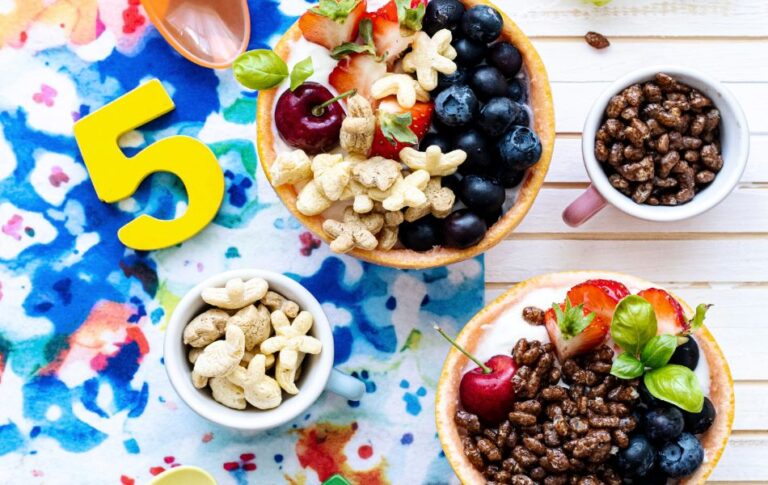
Make your smoothie bowls pop by swirling in some blueberry juice for purple or beet juice for pink. Top with fresh fruits and granola for a colorful treat. - Homemade Pasta
Why not make your pasta a bit more exciting? Try adding spinach puree for green pasta or beet juice for a bold pink hue. Not only will the colors impress, but the flavors will be fresh too!
Tips for Success with Natural Food Coloring
- Don’t Overdo It: Natural colors can be intense, so start with a small amount and add more if needed.
- Mix and Match: Feel free to experiment with combinations. For example, mix beet juice with pomegranate for a deeper red, or combine turmeric and carrot for a golden-orange shade.
- Be Patient: Natural food coloring can take a little longer to achieve the vibrant hues of artificial dyes, but it’s worth the wait for a healthier option!
See Also – Master Bok Choy Cooking with These Essential Tips
Wrapping It Up
Making your own healthy food coloring is a rewarding, creative way to add a pop of color to your cooking while avoiding artificial dyes. With simple ingredients from your pantry or garden, you can create beautiful colors that not only look great but also enhance the flavor and nutrition of your meals. So, next time you’re in the kitchen, skip the synthetic dyes and use nature’s palette to bring your dishes to life.