Is Soft Pretzel Healthy? Smart Swaps for a Better Bite
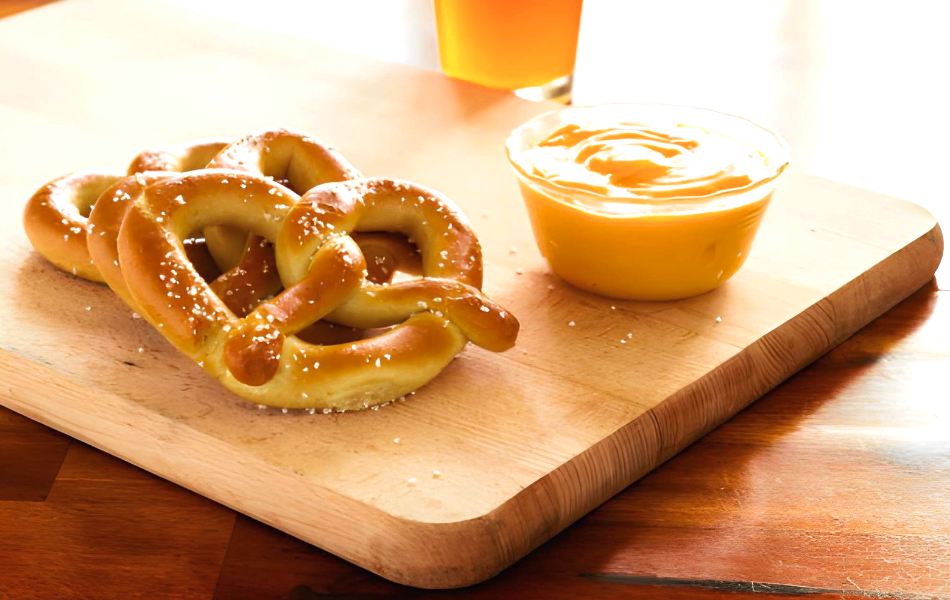
That warm, chewy soft pretzel from the mall? Pure comfort. The golden crust, the salty crunch, the tender middle. You love them, and I do too.
But you have started reading labels more closely. So you wonder: is soft pretzel healthy, or is your favorite snack working against you? Let me share the honest answer and my best kitchen tricks.
What’s Really Inside a Soft Pretzel?
A soft pretzel looks simple. Flour, water, yeast, salt, and a quick dip in a baking soda bath. That bath gives the pretzel its shiny brown crust and signature taste.
Here is the catch. Most soft pretzels use refined white flour. White flour loses fiber and many nutrients during processing. So you get fast energy but not much staying power.
Then there is the salt. One large pretzel often carries a big sodium hit. Add cheese sauce or extra butter, and the numbers climb fast.
None of this makes the pretzel a villain. Knowing what goes inside helps you make smarter choices. And with a few swaps, you keep the flavor you love.
Soft Pretzel Nutrition Facts You Should Know
Let’s look at real numbers. A large bakery pretzel runs about 350 to 500 calories. Portion size changes everything, of course.
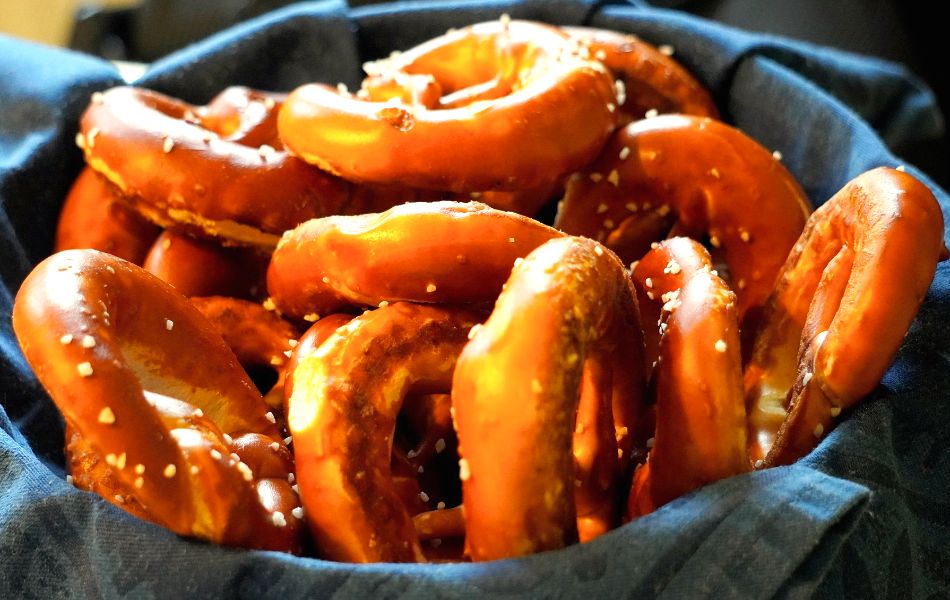
Here is a rough breakdown for one large plain soft pretzel:
| Nutrient | Amount (per large pretzel) | Why It Matters |
|---|---|---|
| Calories | 350–500 | Depends on size and toppings |
| Carbohydrates | 68–90 g | Mostly from refined white flour |
| Sodium | 900–1,700 mg | Often close to a full day's limit |
| Fiber | 2–3 g | Low, since white flour lacks fiber |
| Protein | 8–11 g | Modest, mostly from the flour |
| Fat | 5 g | Butter and dips raise this number |
The sodium number surprises people most. Health guidelines suggest keeping daily sodium under 2,300 mg. One salty pretzel eats a huge chunk of your budget.
The low fiber matters too. Fiber keeps you full and supports steady energy. A refined-flour pretzel leaves you hungry again within an hour.
What Makes a Soft Pretzel Less Healthy?
No single ingredient ruins a soft pretzel. Several choices pile up. Large size, white flour, heavy salt, butter, and rich dips create the biggest gap.
High Sodium
Pretzel salt looks charming, like tiny crystals on a golden crust. Those crystals add up fast. One large salted pretzel with 900 mg uses a big share of your daily limit.
Cheese sauce, pepperoni, or processed meat piles on more. Ask for less salt, brush off loose crystals, or split the pretzel. These small steps protect flavor while lowering the salty load.
Refined Flour
Most classic pretzels rely on refined white flour. This flour creates the smooth, springy chew people love. But it offers less fiber than whole-grain flour.
Hunger returns sooner when a snack lacks fiber and protein. Pair the pretzel with yogurt, eggs, hummus, beans, fruit, or vegetables. Those sides help the snack feel complete.
Large Portions
A giant pretzel looks like one snack. The dough amount often matches several bread servings. Toppings like cinnamon sugar, cheese, and sweet glaze push calories higher.
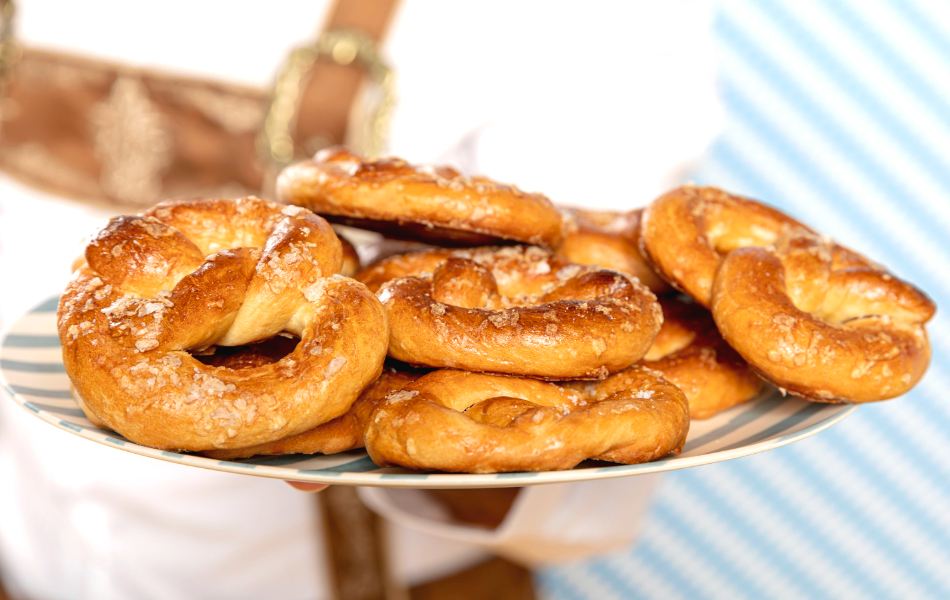
Share one twist, order nuggets and divide them, or save half for later. A smaller serving still gives plenty of chew.
Butter and Dips
A light butter brush adds shine and flavor. A heavy coating brings more saturated fat and calories. Thick cheese sauce and creamy dips raise the total again.
Mustard, salsa, or a yogurt dip brings bold flavor with less heaviness. Check the sodium on bottled sauces. Some taste mild yet carry plenty of salt.
So, Is Soft Pretzel Healthy or Not?
Here is my straight answer. A plain pretzel is not the worst snack out there. But the store-bought version leans heavy on salt and refined carbs.
The good news? You hold all the power to change the recipe. When you bake at home, you control every ingredient. That is where soft pretzels turn into a smarter treat.
I switched to homemade years ago, and the difference stunned me. Same chewy joy, far better nutrition. Let me show you how.
Healthier Ingredient Swaps I Swear By
This is my favorite part. Small changes make a big impact without wrecking the taste. Here are the swaps I reach for every time.
Trade white flour for whole wheat. I swap half the white flour for whole wheat flour. This adds fiber and a lovely nutty flavor. Start with a 50-50 blend, since full whole wheat turns dense.
Cut back on the salt. You do not need a mountain of salt on top. Use a light sprinkle of coarse salt instead of a heavy coat. You still get that satisfying salty pop with less sodium.
Add seeds for crunch and nutrition. Press sesame, flax, or sunflower seeds onto the top before baking. Seeds bring healthy fats, extra fiber, and a gorgeous crunch. Everything-bagel seasoning works beautifully too.
Brush with olive oil instead of butter. Skip the melted butter finish. A light brush of olive oil gives shine and better fats. Your pretzel still looks bakery-perfect.
Quick Swap Guide for Smarter Pretzels
| Traditional Ingredient | Healthier Swap | Benefit |
|---|---|---|
| White flour | Half whole wheat flour | More fiber, steadier energy |
| Heavy salt topping | Light coarse salt sprinkle | Less sodium, same flavor |
| Melted butter | Olive oil brush | Better fats |
| Plain top | Seeds or everything seasoning | Crunch, fiber, healthy fats |
| Cheese sauce dip | Greek yogurt mustard dip | Protein without the grease |
Each swap keeps the soul of the pretzel intact. You lose nothing you love and gain plenty.
Homemade Soft Pretzel Upgrades
Homemade pretzels give you more control. You choose the flour, salt, fat, size, and toppings. You also get the joy of pulling a bronzed tray from the oven.
Start with a mixed-flour dough. Use half bread flour and half whole wheat flour. Bread flour keeps the chew springy. Add water slowly, since whole wheat drinks more.
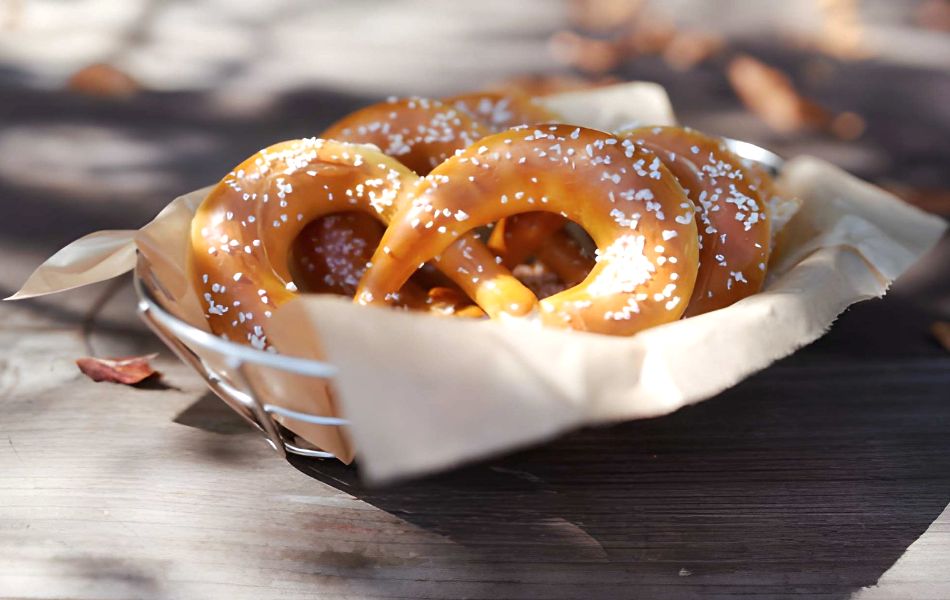
Keep the baking soda bath brief. Dip each shaped pretzel for 20 to 30 seconds. A long soak leaves a bitter edge. Measure your water and baking soda for a steady result.
Brush lightly. Use a light egg wash for color and shine. For a dairy-free batch, use unsweetened plant milk. The crust looks softer yet still tastes wonderful.
Choose flavorful toppings. Try sesame seeds, poppy seeds, dried onion, garlic powder, or smoked paprika. I add smoked paprika for a deeper bakery aroma. Garlic powder gives strong flavor without much salt.
Healthy Pairings for a Soft Pretzel
A balanced plate turns the pretzel from a lone starch into a satisfying snack. Aim for protein, produce, and a sensible dip.
For a quick bite, pair half a pretzel with an apple and Greek yogurt. For lunch, add vegetable soup and a boiled egg. For dinner, serve a smaller twist beside bean chili and a crisp salad.
My favorite pairing is warm pretzel with yogurt mustard. Stir plain Greek yogurt with mustard, lemon juice, and black pepper. The dip tastes creamy and sharp without a heavy cheese blanket.
Frequently Asked Questions
Is a plain soft pretzel healthier than a flavored one?
A plain pretzel usually carries less sugar and saturated fat. Cinnamon sugar, pepperoni, and cheese versions climb fast. Ask for light salt when you order out.
Are soft pretzels high in sugar?
Plain pretzels hold some added sugar. Sweet toppings raise the amount sharply. A cinnamon sugar version often lists nearly 28 grams of added sugar.
Are soft pretzels vegan?
Some recipes use flour, water, yeast, sugar, salt, oil, and baking soda. Restaurant versions often add butter or dairy toppings. Read the label or ask about ingredients.
Is a soft pretzel healthier than a hard pretzel?
The answer depends on the serving. Soft pretzels hold more water, so each bite feels larger. Compare labels by weight, not by piece count.
How often should you eat a soft pretzel?
A salted mall pretzel works best as an occasional treat. A smaller homemade whole-grain version fits more often. Your full eating pattern matters more than one snack.
See Also – Are Donuts Healthy? A Balanced and Flavorful Perspective
The Bottom Line on Soft Pretzels
So, is soft pretzel healthy? A store-bought one leans salty and heavy on refined carbs. But you do not need to give up your favorite snack.
Bake at home with whole wheat flour, less salt, and seeds. The pretzel becomes a snack you feel good about. You keep the warm, chewy magic and gain real nutrition.
Try one batch this weekend. Taste the difference for yourself. Your family will ask for more, and you will feel good serving them.