10 Easy Substitutes for Cornstarch
You are in the middle of making a velvety sauce. You reach for the cornstarch to give it that perfect thickness. Your fingers find the box, but it feels light. It is empty. We have all been there. But do not worry. Your kitchen pantry is likely full of amazing alternatives.
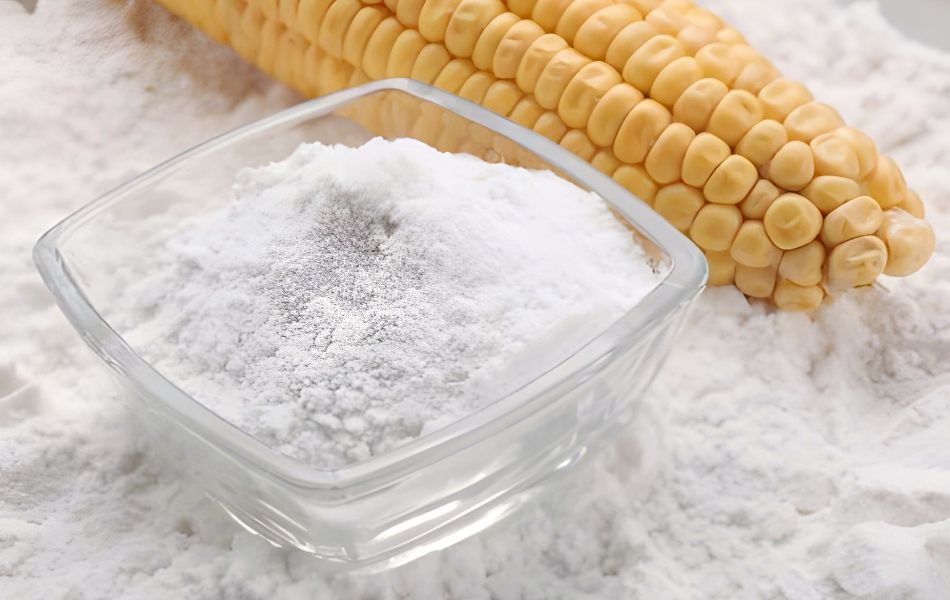
Cornstarch is a kitchen workhorse. It thickens soups, gives puddings a smooth texture, and helps create crispy coatings. When you run out, finding a good replacement is key. This guide will walk you through my favorite options. Let’s find the perfect substitute for cornstarch for your dish.
Why Use a Cornstarch Substitute?
Cornstarch is a kitchen MVP. It thickens sauces and soups, gives gravies that smooth, rich consistency, and even crisps up fried food perfectly. But when it’s missing, you need something that can do the same job. Luckily, many common ingredients work just as well, or even better, in certain dishes. Let’s explore some of the best options you can rely on, so you never get caught in a pinch again.
Top Cornstarch Substitutes
1. All-Purpose Flour: The Pantry Hero
Flour is the most accessible cornstarch alternative, chances are, you have it sitting in your pantry right now. It thickens sauces and soups, but it’s not quite as powerful as cornstarch, so you’ll need to use more of it.
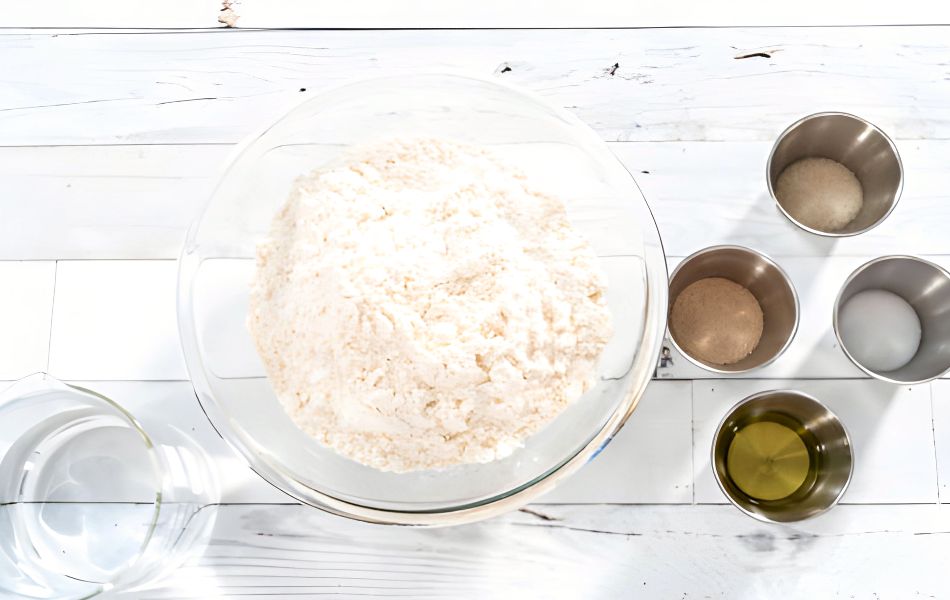
- How to Use It: For every tablespoon of cornstarch, use 2 tablespoons of flour. Mix it with a little cold water to form a slurry before adding it to hot liquids to avoid lumps.
- Best For: Heartier dishes like gravies, stews, or creamy soups. Just keep in mind it can take a bit longer to thicken.
2. Arrowroot Powder: The Glossy Star
Arrowroot is a plant-based powder that gives sauces a glossy, clear finish, much like cornstarch. It’s especially great for delicate dishes, including fruit-based sauces or desserts where you don’t want to cloud the mixture.
- How to Use It: Swap arrowroot in a 1:1 ratio for cornstarch. Just dissolve it in cold water before adding to your dish.
- Best For: Clear sauces, fruit pie fillings, and Asian stir-fries. Be cautious, though it loses its thickening power if overheated, so add it near the end of cooking.
3. Tapioca Starch: The Dessert Darling
Tapioca starch, made from cassava root, is perfect for desserts. It has a stretchy, glossy texture that’s ideal for puddings, custards, and fruit fillings.
- How to Use It: For every tablespoon of cornstarch, use 2 tablespoons of tapioca starch.
- Best For: Puddings, pies, and custards. It also works well in fruit fillings, creating a beautiful, glossy finish. Be careful not to overuse, it thickens quickly.
4. Potato Starch: The Crispy Champion
When it comes to frying, potato starch is your secret weapon. It gives fried foods an extra-crisp coating, and it also thickens soups and sauces with a smooth, velvety texture.
- How to Use It: Substitute potato starch 1:1 for cornstarch. Mix with cold water to form a slurry before adding it to hot liquids.
- Best For: Fried chicken, tempura, and gravies. Avoid boiling it for too long, or it may lose its thickening ability.
5. Rice Flour: The Subtle Sidekick
Rice flour is a wonderful, mild thickener that works especially well in gluten-free recipes. It won’t alter the flavor much, making it great for dishes where you want the natural ingredients to shine.
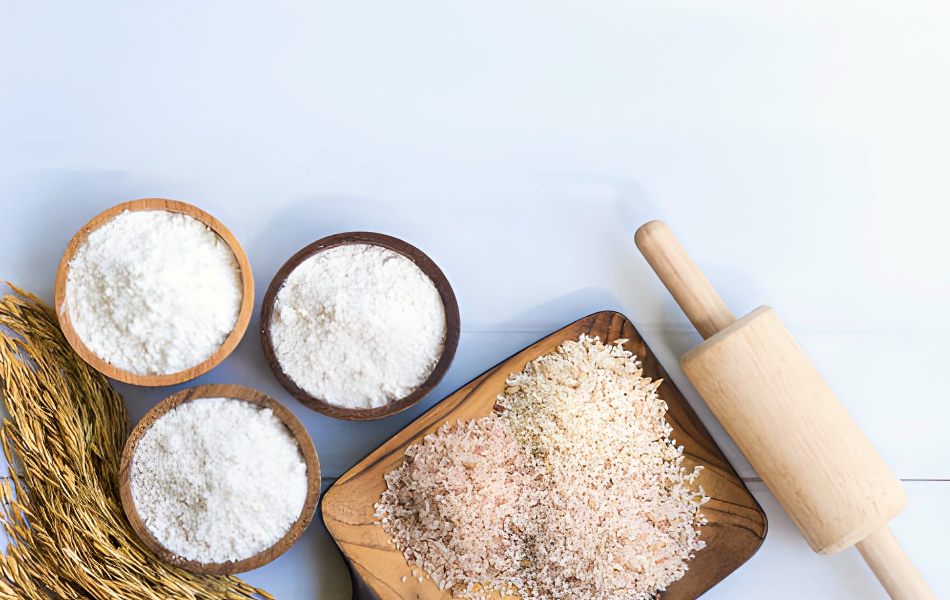
- How to Use It: Use 2 tablespoons of rice flour for every tablespoon of cornstarch.
- Best For: Light sauces, stir-fries, and gluten-free baking. I also love using it in tempura batter for an extra-crunchy finish.
6. Xanthan Gum: The Low-Carb Wonder
If you’re watching your carbs, xanthan gum is a great option. It’s made by fermenting sugars, and a little bit goes a long way. It’s particularly useful for low-carb and gluten-free recipes.
- How to Use It: For every tablespoon of cornstarch, use just 1/4 teaspoon of xanthan gum. Be sure to whisk it into cold liquid before adding it to your dish.
- Best For: Salad dressings, sauces, and ice cream. Use sparingly, too much can create a slimy texture.
7. Guar Gum: The Smooth Operator
Similar to xanthan gum, guar gum is a low-carb, gluten-free option that works well in cold liquids. It’s great for thickening smoothies, sauces, and gravies.
- How to Use It: Like xanthan gum, use 1/4 teaspoon of guar gum for every tablespoon of cornstarch.
- Best For: Thickening smoothies, gravies, or salad dressings. It’s also useful in gluten-free baking.
8. Gelatin: The Set-and-Serve Substitute
Gelatin isn’t your typical thickener, but it works wonders in recipes that need to set, like puddings, jellies, or pie fillings. It adds a bounce and firmness to your dish.
- How to Use It: For every tablespoon of cornstarch, use 1 tablespoon of gelatin. Dissolve it in cold water before adding it to your dish.
- Best For: Puddings, fruit jellies, and pie fillings that need to set. Great for gelatin-based desserts like panna cotta.
9. Ground Flaxseeds: The Nutrient-Packed Option
Ground flaxseeds are a natural thickener that also brings extra fiber and omega-3 fatty acids into your dishes. It forms a gel when mixed with water, making it perfect for stews, smoothies, or savory dishes.
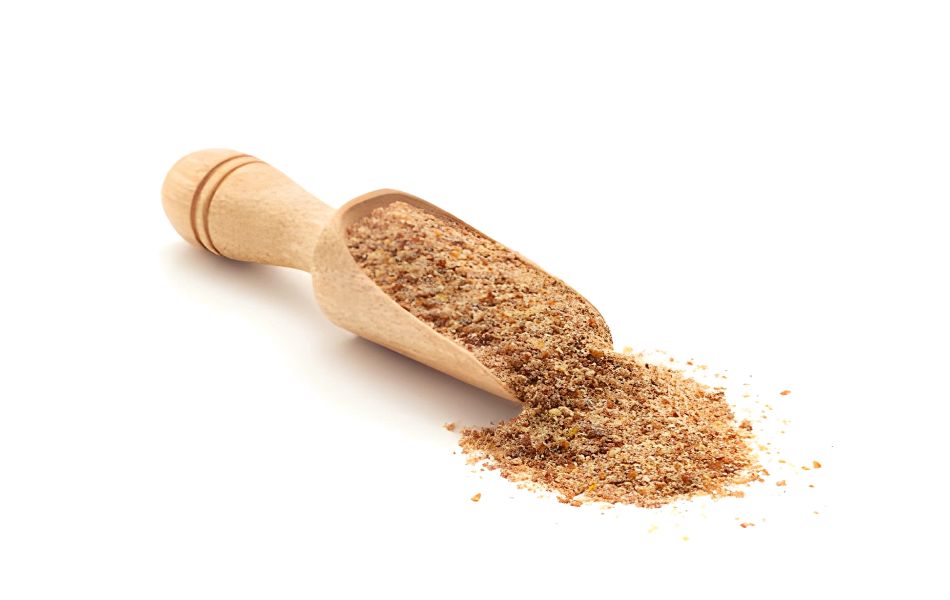
- How to Use It: To replace 1 tablespoon of cornstarch, mix 1 tablespoon of ground flaxseeds with 4 tablespoons of water and let it sit until it forms a gel.
- Best For: Heartier dishes like stews, soups, or smoothies. It adds a slight nutty flavor and some texture, so it’s best for savory recipes.
10. Instant Mashed Potatoes: The Surprise Ingredient
This one might seem unusual, but instant mashed potatoes are an excellent substitute in a pinch. They thicken sauces and soups, while also adding some flavor.
- How to Use It: Start by adding 1 tablespoon of instant mashed potato flakes and stirring it in. Let it sit for a minute or so to thicken.
- Best For: Hearty gravies, soups, and stews. It’s not as clear as cornstarch, but it will definitely add some comforting texture.
How to Choose the Right Thickener
The best substitute for cornstarch depends on your recipe. Think about the final look and flavor you want.
For Clear, Glossy Sauces
For clear, glossy sauces or pie fillings, arrowroot or tapioca starch are your best friends. They give that beautiful, shiny finish. I always keep arrowroot on hand for my Asian-inspired dishes. It provides that glossy look you see in takeout.
For Creamy Soups and Gravies
For creamy soups and rich gravies, all-purpose flour or potato starch are reliable choices. They create an opaque, comforting thickness. Flour is great for hearty, opaque dishes like a creamy mushroom soup.
For Frying and Crispy Coatings
Potato starch or rice flour will give you that golden, crunchy texture. I use potato starch for fried chicken wings. They come out shatteringly crisp every time.
Tips for Thickening Success
Now that you know the players, let’s talk strategy. These tips will help you nail your dish every time.
Always Make a Slurry
My biggest secret is simple: always make a slurry. This is a mix of your thickener and a small amount of cold liquid. This trick prevents lumps. Never dump a starch directly into a hot liquid. This simple step saved me when making a lumpy gravy for Thanksgiving once.
Add Thickeners Gradually
It is always a good idea to start with less. You can add more if needed, but you cannot undo over-thickening. Add your thickener gradually until you reach the desired consistency. I always keep a spoon nearby to check my sauce’s texture.
Watch Your Heat
Some thickeners, like flour, need extra cooking to lose their raw taste. Others, like arrowroot and potato starch, weaken if cooked too long. High heat can cause them to lose their thickening ability. Add these starches at the end of the cooking process.
Keep on Experimenting
Running out of an ingredient is not a disaster. It is a chance to get creative in the kitchen. These cornstarch substitutes open up new possibilities for texture and flavor. Last summer, I was making a peach pie and realized I had no cornstarch. I used arrowroot instead, and the pie came out glossy and perfect.
The kitchen is a place for learning and fun. Your experiments make you a better cook. So, the next time that cornstarch box is empty, smile. You have a pantry full of options waiting for you.