
Is Fruitcake Healthy? A Home Cook’s Honest Guide
You spot a dark, glossy loaf packed with cherries, raisins, and nuts. The first bite tastes rich, sticky, and warmly spiced. Then one question pops up: is fruitcake healthy?
I have baked dozens of loaves over the years. Some turned out dense and dull. Others became the star of my kitchen. Let me share what I learned.
Is Fruitcake Healthy? The Honest Answer
Fruitcake sits somewhere between a fruit bowl and a dessert tray. The base ingredients start out wholesome. Dried fruit brings fiber and minerals. Nuts add protein, fiber, and heart-friendly fats.
The trouble begins when bakers drown those good foods in sugar and refined flour. A slice loaded with candied cherries offers little beyond empty calories. A slice built on real dried fruit tells a different story.
So think of fruitcake as a rich dessert with useful extras. A small slice fits many balanced eating patterns. Your recipe choices and portion size shape the outcome.
What Goes Into Fruitcake?
Most fruitcakes start with flour, butter, eggs, sugar, dried fruit, nuts, and spices. Some versions add candied peel, syrup, or icing. Each choice changes the final food value.
Dried fruit tastes sweeter because water leaves during drying. A small handful holds far more fruit pieces than the same volume of fresh fruit. Nuts bring texture and staying power.
Sugar, syrup, and candied fruit push the loaf toward dessert territory. Store versions often pack extra preservatives too. Reading the label helps you know what you eat.
The Nutrition Breakdown
Numbers help you make a clear choice. Here is how a typical slice compares to a smarter version.
| Nutrient (per slice) | Traditional Fruitcake | Healthier Fruitcake |
|---|---|---|
| Calories | 320 | 210 |
| Sugar | 28g | 12g |
| Fiber | 1g | 4g |
| Protein | 3g | 6g |
| Saturated Fat | 9g | 3g |
Look at the sugar drop. Cutting refined sugar in half changes everything. You also gain fiber and protein, which keep you full longer.
One better slice beats a sugar crash by mid-afternoon. These small shifts add up fast.
The Star Ingredients
When you build a recipe from scratch, you choose every element. Wholesome ingredients transform the nutritional layout. Here is what each one brings to your kitchen table.
Dried Fruit
Dates, figs, and raisins offer far more than sweetness. They deliver concentrated fiber to support healthy digestion. Figs bring calcium and potassium. Raisins supply iron for steady energy.
These fruits also cause a slower rise in blood sugar than white sugar. Plain dried fruit works better than fruit packed with extra syrup. Read ingredient lists and choose the least-sweetened option.
Whole Nuts
Walnuts, almonds, and pecans form the crunchy foundation of a good loaf. They deliver plant protein and heart-healthy fats. Walnuts supply omega-three fats for brain health.
Almonds provide vitamin E, an antioxidant that protects your cells. This fat content slows sugar absorption for steady energy. Nuts also help a small slice feel filling.
Warm Spices
Cinnamon, nutmeg, cloves, and ginger define the seasonal scent. They do more than tease your nose. Cinnamon helps steady your glucose response after sweets.
These spices add flavor depth without extra calories or sodium. I always stir in a pinch of cinnamon and fresh orange zest. One spoonful of zest changes the whole loaf.
Smart Ingredient Swaps
You do not need a fancy recipe to bake a healthier loaf. You need a few clever swaps. I keep these staples in my pantry all year.
| Instead of This | Use This | Why It Helps |
|---|---|---|
| White sugar | Mashed dates or a little honey | Natural sweetness plus fiber |
| Candied cherries | Unsweetened dried figs, apricots, raisins | Real nutrients, no syrup |
| White flour | Half whole-wheat flour | More fiber with a familiar crumb |
| Extra butter | Applesauce for part of the butter | Moist texture, less saturated fat |
| Heavy icing | Orange yogurt topping | Creamy finish, less sweetness |
| Salted nuts | Unsalted walnuts or almonds | Easier control over sodium |
The date trick surprised me the most. Blended dates create a caramel sweetness beyond plain sugar. My kids never noticed the difference.
Swap one or two ingredients at first. Too many changes leave the loaf dry or heavy. I once replaced all the butter with applesauce, and the loaf turned rubbery and sad. Replacing one-third gave a far better crumb.
How to Make a Healthier Loaf Taste Rich
Good taste comes from balance, not piles of sugar. Real fruit, warm spices, and toasted nuts carry the flavor. These small tricks make a big difference.
- Toast your nuts. Eight minutes in a 325°F oven brings out a warm aroma. Cool them before mixing.
- Soak your dried fruit. Warm orange juice or tea for 20 minutes plumps the fruit and spreads moisture. Drain any large pool before mixing.
- Add a pinch of salt. Start with one-quarter teaspoon. Salt sharpens the sweetness and spice.
- Bake low and slow. Try 300°F to 325°F. Gentle heat keeps a dense loaf moist through the center.
My first healthy attempt flopped hard. I cut too much fat and forgot to add moisture. Soaked fruit and a little applesauce fixed the next loaf. Even my picky uncle asked for seconds.
A Simple Healthier Fruitcake Recipe
Ready to bake? This loaf keeps the classic dense texture with the fruit front and center. Warm spices make each bite feel richer than the sugar level suggests.
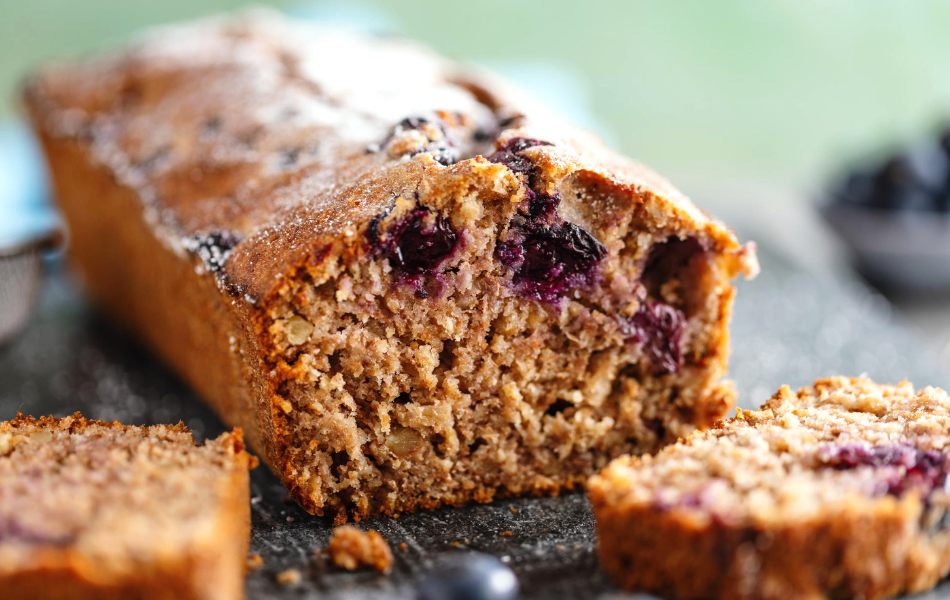
- Soak the fruit. Chop two cups of figs, dates, and raisins. Soak them in warm orange juice for one hour. This softens the fibers and spreads moisture.
- Mix the dry base. Whisk one cup of flour with one cup of whole-wheat flour. Add a pinch of salt, two teaspoons of cinnamon, and one teaspoon of ginger. Stir in orange zest.
- Add the wet part. Fold two whisked eggs into the soaked fruit. Stir in one-third cup of oil, one-third cup of applesauce, and one-half cup of brown sugar. Add one cup of chopped unsalted nuts.
- Bake with patience. Spoon the batter into a lined loaf pan. Bake at 325°F and start checking after 55 minutes. The center should feel set, with moist crumbs on a skewer.
Let the loaf cool fully on a wire rack before slicing. The structure firms up as it drops in temperature. Patience rewards you with clean, perfect slices.
One quick tip from my worst bake. The batter should look like thick oatmeal, not dry clay. Add a spoonful of water if the mix feels too stiff.
Enjoy Fruitcake the Smart Way
Even a nutritious loaf stays dense in calories. Nuts and dried fruit pack energy into a small space. A thin slice satisfies your sweet tooth without going overboard.
Start with a 40 to 60 gram slice, about half an inch thick. Serve it after a meal with protein and vegetables. Dessert feels less urgent after a filling dinner.
For a snack, pair a thin slice with unsweetened yogurt. A few fresh berries add tartness and color. Tea or coffee without syrup keeps the plate balanced.
One small habit keeps tasting mindful. Cut one piece, put the loaf away, and sit down. Avoid eating straight from the counter.
Homemade or Store-Bought?
Homemade fruitcake gives you control over every ingredient. You pick plain dried fruit, unsalted nuts, and a smaller sugar amount. You also choose the slice size.
Store-bought loaves offer ease and a clear nutrition label. Flip the package over and read the ingredient list. Short lists usually mean fewer additives.
Look for real fruit names near the top. Watch out for corn syrup, artificial colors, and long chemical words. Check whether icing covers the loaf, since a plain top saves a big sugar hit.
Home baking still needs honest portions. A better ingredient list does not erase a high calorie load. Slice first, then wrap the rest.
Fruitcake for Special Eating Needs
People with nut allergies need extra care. Many loaves contain walnuts, pecans, or almonds. Read every label and watch for shared-equipment warnings.
Gluten-free bakers need a tested flour blend. Almond flour adds structure and protein, but skip it if nuts are off the table. Oat flour needs a certified gluten-free label for strict avoidance.
If you track your blood sugar, review the total carbohydrate and added sugar. A smaller slice with a balanced meal often works better. Personal advice belongs with your doctor or dietitian.
Some older recipes contain spirits. Choose an alcohol-free loaf made with orange juice, tea, or apple juice. The flavor still feels festive.
Common Questions About Fruitcake
Is fruitcake healthier than chocolate cake?
The answer depends on both recipes. Fruitcake often offers more fruit, nuts, and fiber. Chocolate cake tends to carry more frosting.
Does fruitcake have fiber?
Yes, dried fruit and nuts supply some fiber. Whole-wheat flour raises the amount further. Check the label for an exact figure.
Is fruitcake fine for daily eating?
A thin slice fits some eating patterns. Fresh fruit makes a stronger everyday choice. Keep richer sweets for planned moments.
Is sugar-free fruitcake a healthier choice?
Sugar-free does not mean calorie-free. Dried fruit still brings natural sugar and energy. Compare the serving size and full nutrition details.
What is the healthiest fruitcake style?
Choose a loaf rich in unsweetened dried fruit and unsalted nuts. Look for little or no icing. A smaller sugar amount and some whole-grain flour help too.
See Also – Pineapple Pound Cake Recipe: Soft and Spongy Delight
The Final Slice
So, is fruitcake healthy? A sugar-soaked slice stays a treat, plain and simple. A mindful version built on real fruit and nuts earns a spot in your kitchen.
You hold the power to make it better. Swap the sugar, choose whole grains, and load up on fruit and nuts. Your taste buds and your body both win.
My ideal slice has tart cherries, toasted walnuts, orange zest, and plenty of cinnamon. The loaf tastes bold without thick icing. Bake one small loaf this season and see how good you feel.


One Comment