Tips for Cooking With Cast Iron That Never Fail
My grandmother had one skillet. She fried eggs in it, baked cornbread in it, and seared steaks in it. She never replaced it once. That heavy black pan taught me something simple. A good cast iron skillet grows better with age.
You bought a skillet, or you inherited one, and now it sits there. Maybe food sticks and you want to give up. Stick with me. These tips for cooking with cast iron will change how you cook.
Here is your roadmap. You will learn how to season, control heat, cook without sticking, clean the pan, and rescue rust. Grab your skillet and let steady heat do the hard work.
Why Cast Iron Deserves a Spot in Your Kitchen
Cast iron holds heat like nothing else. Once it gets hot, it stays hot. This gives you a golden crust on chicken, fish, and vegetables.
The pan also cooks food evenly. No cold spots, no burnt edges. You get one steady surface from center to rim.
Here is a bonus for the health-minded cook. Cast iron uses less oil than nonstick pans once you season it well. You control what goes into your food, and you skip the mystery coatings on cheaper pans. This kind of ingredient transparency matters when you care about clean eating.
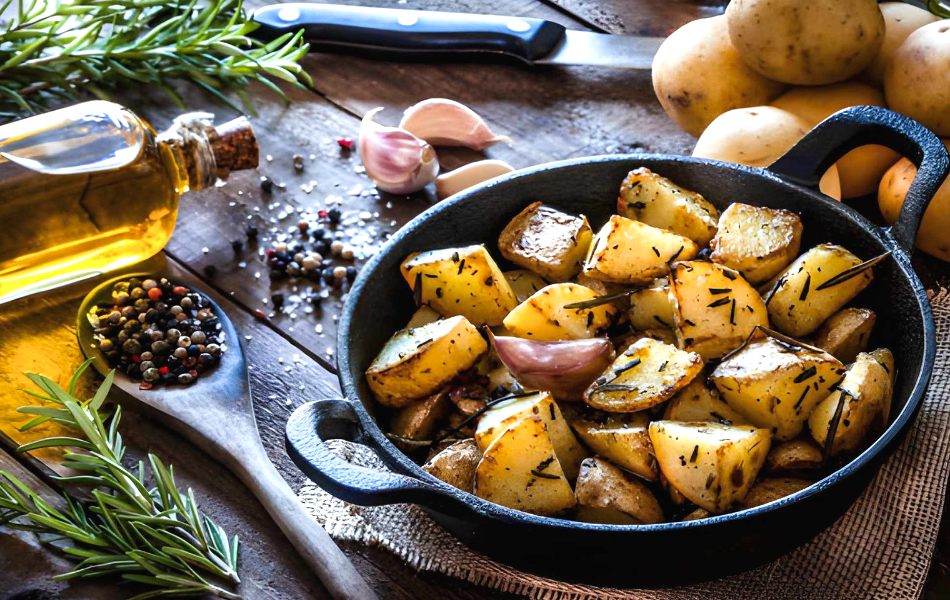
I love mine for roasting a tray of veggies. A little olive oil, some garlic, and the caramelized edges taste incredible.
Season Your Skillet the Right Way
Seasoning sounds fancy, but the idea is simple. You bake a thin layer of oil onto the metal. This creates a natural, slick surface. Think of waxing a car, but for your skillet.
Most new pans come pre-seasoned. Still, a fresh layer helps a lot. Here is how I do it at home.
- Wash the pan with warm water and mild soap. Dry it well.
- Rub a tiny bit of oil all over. Use flaxseed, grapeseed, or vegetable oil.
- Wipe off the extra oil until the pan looks dry, not greasy.
- Bake it upside down at 450°F for one hour.
- Let it cool inside the oven.
Repeat this two or three times for a deeper finish. A well-seasoned pan turns naturally nonstick, and you fight less with sticky eggs.
Choose the Right Oil for Your Pan
Not all oils work well for seasoning iron. You need an oil with a high smoke point. High heat bonds the oil to the skillet. Low smoke point oils burn and smell bad.
| Oil Type | Smoke Point | Best Use for Cast Iron |
|---|---|---|
| Grapeseed oil | 420°F | Base seasoning |
| Flaxseed oil | 225°F | Dries hard but flakes easily |
| Avocado oil | 520°F | High-heat searing |
| Canola oil | 400°F | Affordable and reliable |
Grapeseed oil is my favorite for a slick surface. It bonds well without leaving sticky spots. Save butter and olive oil for cooking, not seasoning.
Master Your Heat for Better Results
Heat control makes or breaks your meal. Cast iron takes time to warm up. Rushing this step leads to sticking and uneven cooking.
Set the empty pan over medium-low heat for three to five minutes. Add oil after the surface feels warm across the center and edges. Test with one small drop of water. A gentle sizzle means the pan is ready.
Different foods need different heat levels. Use this quick guide to match your food with the right setting.
| Food Type | Heat Level | Preheat Time |
|---|---|---|
| Eggs and pancakes | Medium-low | 2 minutes |
| Vegetables | Medium | 3 minutes |
| Chicken and fish | Medium-high | 4 minutes |
| Steak and burgers | High | 5 minutes |
| Cornbread and baking | Medium (in oven) | With oven |
Start lower than you think. You add heat later if you need it. Pulling back from a smoking-hot pan is much harder.
Cook Without Sticking
Food often sticks during the first stage of cooking. Once a crust forms, the surface releases more easily. Give meat, potatoes, and vegetables enough quiet time.
Place the food in the pan, then leave the pieces alone. Watch the edges for browning and listen for a steady sizzle. Slide a thin spatula under one piece before you flip the batch. A forced flip tears the crust and leaves bits behind.

Fat helps too. A thin, even layer of oil helps food brown without grabbing the metal. Mix oil with butter for extra flavor. The oil slows browning, while butter adds a nutty taste.
One more tip. Do not crowd the skillet. Crowded food releases steam and drops the pan temperature. Cook in two batches when needed for crisp edges and deep color.
Cook Acidic Foods With Care
Tomatoes, vinegar, wine, and citrus bring bright flavor. Long cooking times with acid wear down young seasoning. They also give some sauces a faint metallic taste.
A mature skillet handles short tomato sauces or quick wine reductions. Keep acidic cooking under 20 to 30 minutes. Move long-simmered chili or lemon braises to enamel or stainless steel.
After an acidic meal, wash and dry the pan soon. Rub on a light coat of oil. This step refreshes the surface before storage.
Common Mistakes and Easy Fixes
Even skilled cooks slip up. I burned plenty of pancakes learning these lessons. Here are the mistakes I see most and how you fix them fast.
| Common Mistake | Simple Fix |
|---|---|
| Food sticks to the pan | Preheat longer and add oil once hot |
| Rust spots appear | Scrub, dry, and re-season the pan |
| Uneven cooking | Wait for full preheat before adding food |
| Metallic taste | Avoid acidic foods until seasoning builds up |
| Dull, patchy surface | Add another seasoning layer |
Notice the pattern. Most problems trace back to two things. You rushed the heat, or your seasoning needs a refresh.
Clean Cast Iron Without Fear
Good care sounds harder than it is. The rules are short and easy to follow. Clean your pan while it stays warm, not screaming hot. Use hot water and a stiff brush.
For stuck-on bits, sprinkle coarse salt and scrub. The salt lifts food without hurting your seasoning. I keep a box of kosher salt near my sink for this.
Dry the pan right away. Water is your enemy here. Set the skillet on a warm burner for a minute to chase off every drop. Finish with a thin swipe of oil to protect the surface.
Should You Use Soap or Not?
You heard the debate. Old-timers say soap ruins the pan. Modern cooks say a little soap is fine.
Here is the truth. A well-seasoned pan handles mild soap without trouble. The seasoning bonds to the metal, so soap will not strip it. Skip the harsh scouring pads and long soaks instead.
Rescue a Rusted Treasure
Have you seen an old, rusty skillet at a yard sale? Many people throw these treasures away. You should grab them instead. Rust does not mean the pan belongs in the trash.
Scrub the rusty area with steel wool, salt, or a stiff brush. Work until you see the gray raw metal underneath. Wash, dry, and re-season the bare iron.
Rub a thin layer of neutral oil across the whole pan. Place it upside down in a 450°F oven for one hour. Put a baking sheet below to catch drips. Let the pan cool inside, then repeat once for a stronger base.
Move From Stovetop to Oven
Your skillet works almost anywhere. On the stovetop, it handles gas, electric, and induction. In the oven, it roasts and bakes with ease. Over a campfire, it grills dinner outdoors.
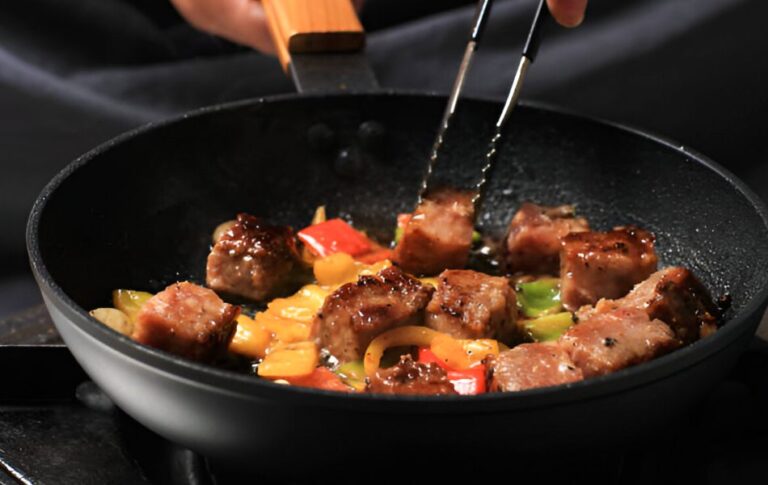
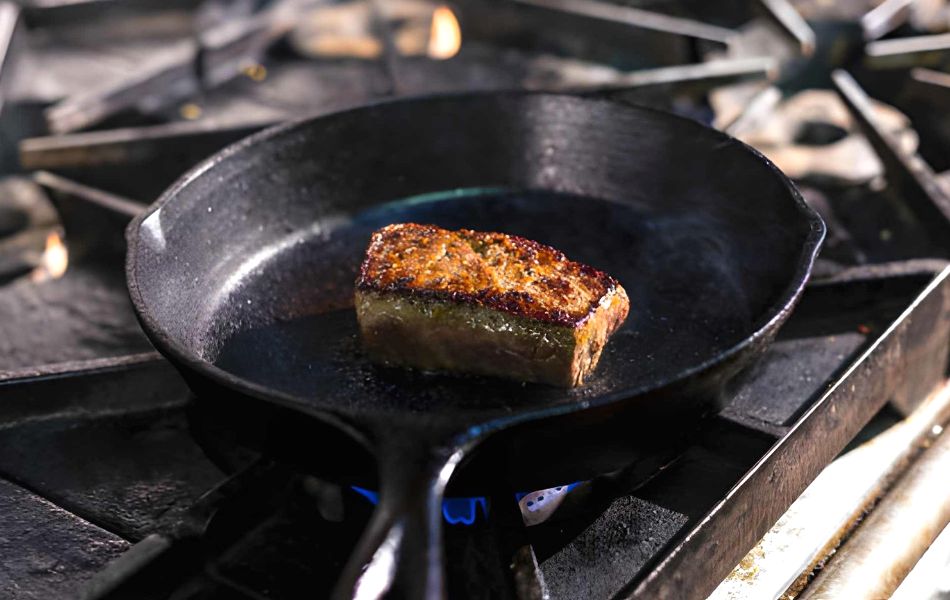
I start steaks on the burner, then finish them in a hot oven. The result is juicy inside and crisp outside. Cast iron moves from burner to oven without changing pans.
One warning. The handle gets blazing hot. Use a thick oven mitt or a dry towel every time you touch it. A quick habit saves you a nasty burn.
Common Cast Iron Cooking Questions
Why Does Food Stick to Cast Iron?
Food sticks when the pan lacks heat, oil, or strong seasoning. Preheat slowly, add fat, and wait for a crust before flipping. Wet food also sticks and steams. Pat meat, fish, and vegetables dry before they reach the skillet.
Should You Wash Cast Iron With Soap?
A small drop of mild soap suits greasy pans. Modern dish soap will not strip strong seasoning during a quick wash. Skip long soaking and harsh dishwasher cycles. Dry the skillet over low heat, then finish with a thin oil wipe.
How Often Should You Season Cast Iron?
Season the pan when food sticks or dull, dry patches appear. Frequent oil-rich cooking keeps the surface in good shape. A full oven seasoning session every few months suits busy skillets. Lightly used pans need attention after rust or long storage.
See Also – How to Cook with a Wok: A Beginner’s Guide
Your Next Steps With Cast Iron
You now hold the tips for cooking with cast iron that turn a heavy pan into your kitchen hero. Start slow, respect the heat, and treat your skillet with care. The rest falls into place. Cook often, clean soon, dry well, and add a thin oil coat.
Your skillet will change with time. The surface grows darker, smoother, and easier to use. Small scratches and dull spots rarely cause lasting harm.
Pull out that skillet tonight. Preheat it, add a little oil, and cook something simple. Feel the difference a great pan makes. Make pancakes on Saturday, sear chicken on Tuesday, and roast vegetables later in the week.
Cast iron rewards patience and love. Give it both, and it will feed your family for generations, one delicious meal at a time.