Why Kids Hate Healthy Food (And How to Make Them Love It)
I still remember the Great Broccoli Standoff of 2020. My son, then four years old, stared at the single green floret on his plate. You would think I asked him to eat a live spider. His face scrunched up. His arms crossed. He declared, “I will not eat this tree.” We sat there for what felt like an eternity. I tried coaxing, bargaining, and even pretending the broccoli was a spaceship. Nothing worked. The broccoli remained untouched.
If this sounds familiar, you know the struggle. You spend time preparing a nutritious meal, only for your child to turn their nose up at it. It feels frustrating and sometimes a little personal. You might wonder what you are doing wrong. But this battle is a normal part of parenting. Understanding why kids hate healthy food is the first step toward winning them over. This is not about tricks or hiding vegetables. It is about understanding your child’s world and making healthy food a fun part of your family’s life.
Why Are Kids So Picky About Healthy Foods?
It often feels like kids are programmed to prefer chicken nuggets over anything green. There are actually good reasons for their food choices. Their rejection of healthy options is not a personal attack on your cooking.
1. Taste Buds Are Different
A child’s sense of taste is not the same as an adult’s. Kids are born with more taste buds than we have. This makes them hypersensitive to strong flavors, especially bitterness. Many healthy foods, like broccoli, kale, and brussels sprouts, have bitter compounds. For our ancestors, bitterness often meant a plant was poisonous. Your child’s brain is still wired with this ancient survival instinct. What you taste as a complex, earthy flavor, your child might taste as a threat.
2. Sweet Tooth: It’s Evolutionary
From their very first taste of breast milk, babies develop a preference for sweetness. Sweet flavors signal energy, which is critical for their rapid growth. Processed foods, often loaded with sugar and salt, hit all the right pleasure points in their brains, making the subtle sweetness of fruits or veggies seem less exciting by comparison.
3. Texture Troubles
Kids are visual creatures. They often judge food by its appearance and texture long before they take a bite. A wilted spinach leaf or mushy peas can look unappealing, even if packed with nutrients. Crunchy textures often win their hearts, while slimy or stringy foods scare them off. A colorful plate full of fresh fruits and veggies will appeal to their sense of sight, making them more likely to dig in.
4. Neophobia: The Fear of the New
Around the age of two, many children develop neophobia, a fear of new things. This includes unfamiliar foods. This is another evolutionary trait. When toddlers started to walk and explore, a fear of eating unknown plants could have saved their lives. This phase can be tough. You might offer a new vegetable 10 or 15 times before your child even considers trying it. This is normal. It means their brain needs reassurance that this new food is safe.
Common Mistakes Parents Make
We all strive to do what’s best for our children, but in trying to encourage healthy eating, we can sometimes take missteps that backfire. I’ve personally made each of these mistakes along the way.
1. The Pressure Cooker Approach
“You must eat three more bites.” “No dessert until you finish your vegetables.” Forcing a child to eat almost always backfires. It turns mealtime into a battleground and builds negative associations with that food. Instead of learning to enjoy the food, they learn to resent it.
2. Becoming a Short-Order Cook
When your child refuses the meal you made, it is tempting to make their favorite mac and cheese instead. The problem is this teaches them a powerful lesson: if they hold out long enough, they will get what they want. This puts you in the role of a restaurant chef, catering to every whim, and it limits their exposure to different foods.
3. Only Hiding Vegetables
Sneaking pureed carrots into spaghetti sauce feels like a parenting win. And it can be a good way to get extra nutrients in. But if this is your only strategy, it does not teach them to appreciate the taste and texture of broccoli when it is hidden in a brownie. Our goal is to raise kids who choose to eat healthy foods, not just consume them by accident.
Tips to Get Your Kids to Love Healthy Food
So how do we overcome these challenges and make healthy food a fun and attractive option for our kids? Here are a few strategies that can help transform mealtime into something enjoyable for everyone:
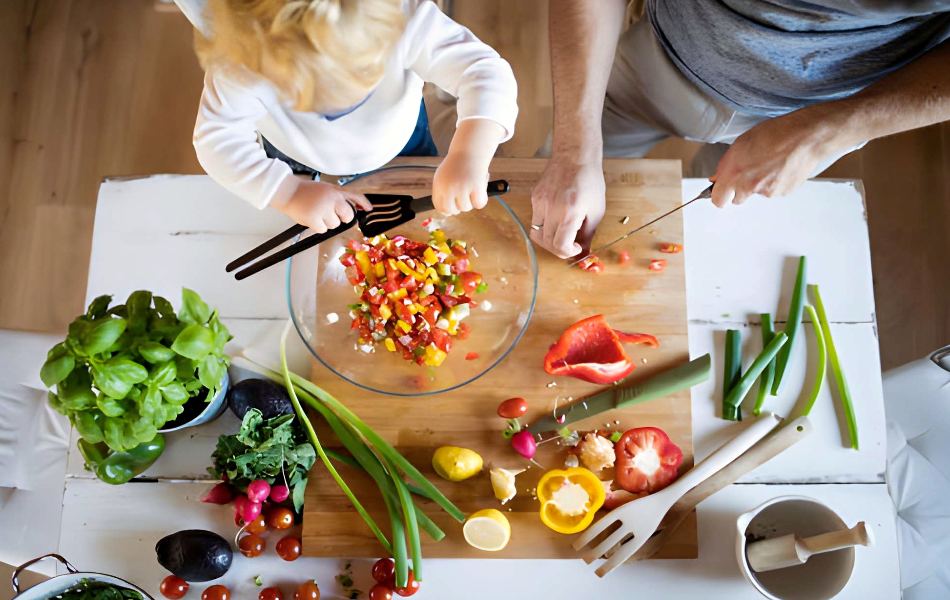
1. Get Them Involved in Cooking
One of the best ways to get kids interested in food is to involve them in making it. When they have a hand in the process, they feel a sense of ownership. A toddler can wash vegetables. An older child can help measure ingredients. Talk about the food as you cook. This makes cooking an educational and bonding experience.
2. Make Healthy Food Fun
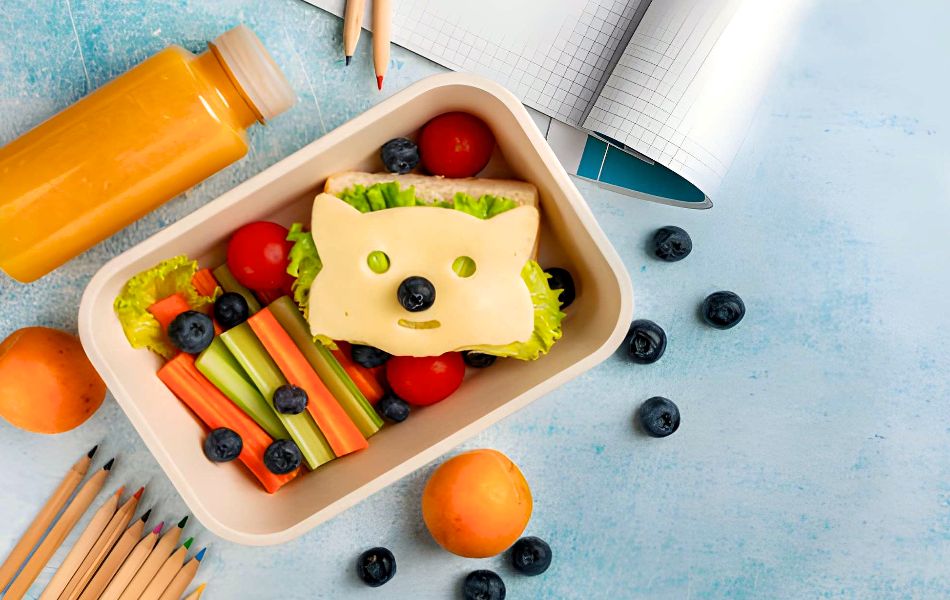
Presentation matters, especially for kids. Turn ordinary vegetables into an adventure! Make faces on their plate using slices of carrots, cucumbers, and cherry tomatoes. Use cookie cutters to shape fruits, sandwiches, or even veggies into fun shapes like hearts or stars. Kids love the creativity, and it makes healthy foods feel more exciting.
3. Offer a Variety of Textures and Colors
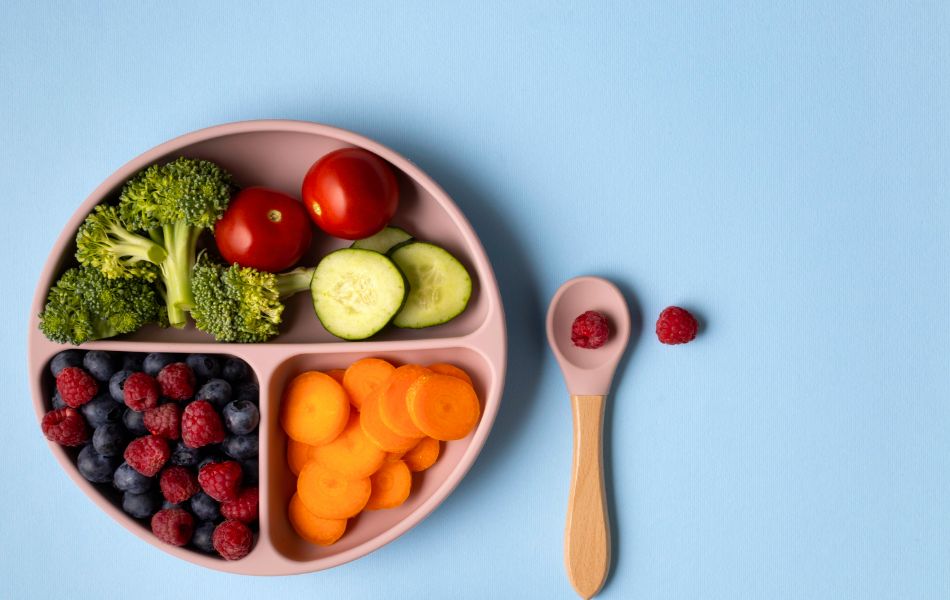
Kids are often drawn to bright colors. Fill their plate with a rainbow of fruits and vegetables. Mix up the textures, offering both crunchy and soft options. A colorful, well-arranged plate can entice their sense of sight, making them more likely to dig in.
4. Sneak In Healthy Ingredients
While we don’t want to rely solely on tricks, there’s nothing wrong with sneaking in a bit of nutrition. Puree spinach and blend it into a smoothie, or add cauliflower to a creamy pasta sauce. Over time, these small adjustments can help kids get used to new flavors without feeling overwhelmed.
5. Make Healthy Food Accessible
Sometimes, the barrier to healthy eating is convenience. If healthy snacks are hidden away or require too much effort to prepare, kids may opt for something else. Pre-cut fruits, veggies, and portioned snacks can be placed at eye level in the fridge, making them easy to grab.
6. Lead by Example
Kids are excellent mimics. Children are more inclined to eat nutritious foods when they observe you enjoying them. Make mealtime a family affair, and show them that healthy eating is a part of your life too. Sit down together, enjoy your meals, and talk about how great the food tastes.
7. Be Patient and Don’t Force It
Finally, the most important thing is not to force the issue. Research shows that pressuring kids to eat a particular food can backfire. Instead, offer them healthy choices, encourage them gently, and give them time to adjust. Patience and consistency are key—healthy eating habits will develop gradually.
Quick Recipes to Try
Ready to turn these ideas into action? Here are a couple of simple, kid-friendly recipes to help get started:
1. Rainbow Vegetable Skewers
This is an interactive, fun way to get kids to eat a variety of veggies.
- Ingredients: Cherry tomatoes, bell peppers, zucchini, broccoli, red onion, wooden skewers
- Instructions: Let kids assemble their own skewers with different colorful veggies. Brush with olive oil, roast for 10-15 minutes, and serve with a yogurt dip.
2. Superhero Spinach Smoothie
Making spinach a superhero? Now that’s fun!
- Ingredients: Spinach, banana, frozen mango, chia seeds, milk
- Instructions: Let your kids add ingredients to the blender, press the button, and watch the transformation! This smoothie is packed with nutrients, and calling it a “Superhero Smoothie” adds to the excitement.
See Also – Is a Burger Healthy? The Truth About Making It Nourishing and Delicious
A Journey of Patience and Fun
Changing your child’s eating habits does not happen overnight. It requires patience, consistency, and a big dose of creativity. Remember to celebrate small wins, whether it is trying one new bite or simply helping you wash a carrot. You are not just feeding your child. You are building a foundation for a lifetime of healthy and happy eating. You can do this.