
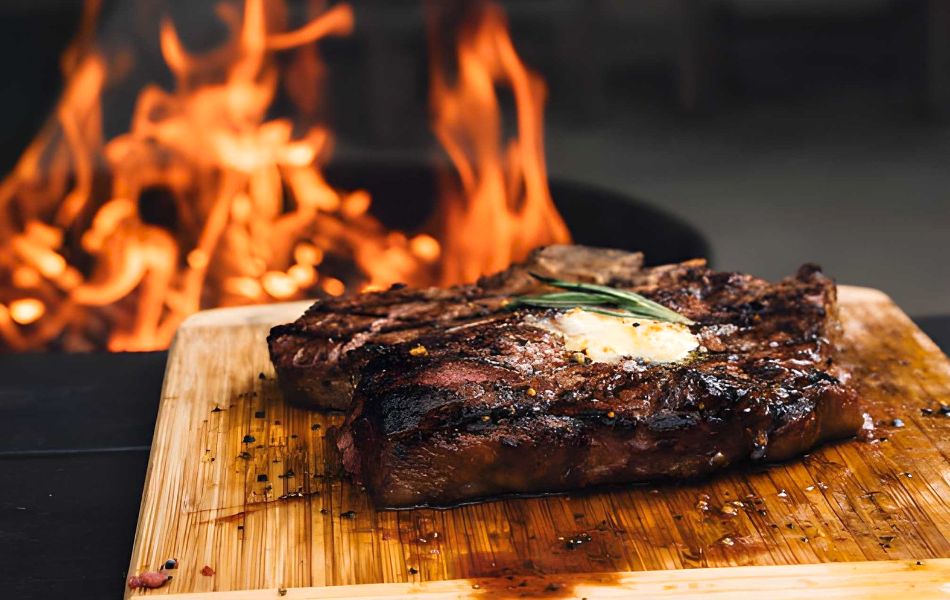
Grilling Tips for Tender Meats: Juicy Every Time
Tough, dry meat off the grill breaks your heart. You spend good money on a nice steak, fire up the coals, and end up chewing on something like a shoe. I have stood over a smoky grill, wondering where things went wrong.
Good news: the fix is simpler than you think. A few smart moves change everything. Once you learn these grilling tips for tender meats, you will never serve a rubbery bite again.
Let me share what my kitchen mistakes taught me. Grab your tongs. Your best grilling season starts now.
Start With the Right Cut
Tenderness begins at the butcher counter, long before the fire. Some cuts stay soft with little effort. Others need extra love to soften up.
Cuts with good marbling, meaning thin white lines of fat, cook up juicy. Fat melts during cooking and keeps meat rich and moist. Lean cuts like sirloin or chicken breast dry out fast if you look away.
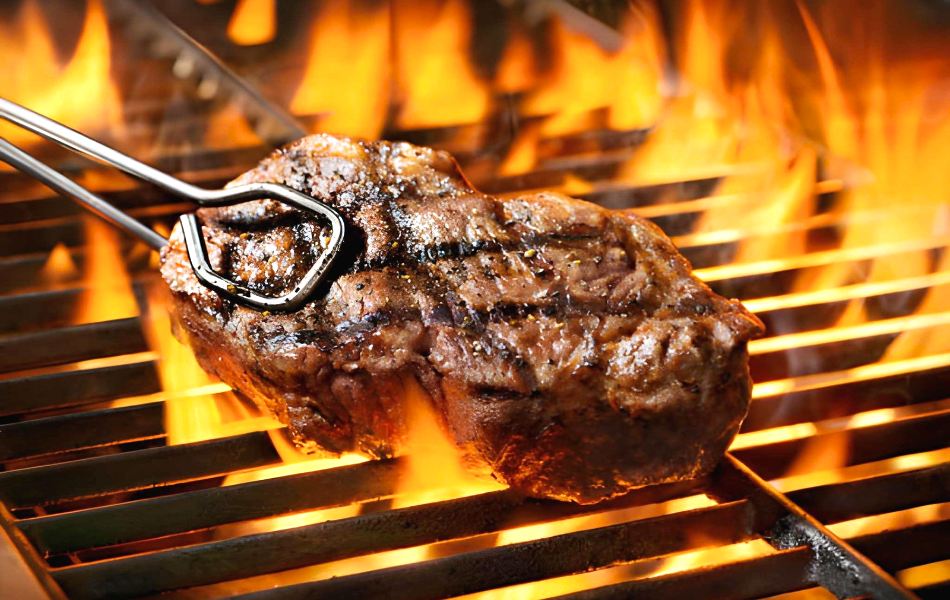
Here is how the main proteins stack up:
- Beef: Ribeye, strip steak, flank, and skirt steak all grill well. Slice the last two across the grain.
- Pork: Pick shoulder steaks, rib chops, or thick loin chops at least one inch thick. Thin chops dry out fast.
- Chicken: Thighs forgive small timing mistakes. Breasts need closer attention since they hold less fat. Bone-in pieces stay juicier.
- Lamb: Chops, leg steaks, and shoulder cuts love smoke. Look for even thickness edge to edge.
I once grilled a bone-dry pork loin for guests. Now I pick fattier cuts for the grill. When in doubt, ask your butcher for something tender for grilling.
Salt Early or Dry Brine
Salt does more than season. Salt draws out a little moisture, then the meat pulls those seasoned juices back inward. This step alone changed my grilling forever.
Sprinkle salt on your meat at least 40 minutes before grilling. For thick cuts, salt the night before and leave the meat uncovered in the fridge. Use half a teaspoon of kosher salt per pound.
Place the pieces on a wire rack for better airflow. The cool air dries the surface, which gives you a beautiful brown crust. Short on time? Salt right before grilling instead, and skip the awkward middle window.
Marinate With Balance
Marinades work wonders on stubborn cuts. Acids like lemon juice, vinegar, or yogurt gently loosen tough fibers. Oil spreads seasoning and stops meat from sticking to the grates.
Do not overdo the acid, though. Too much lemon or vinegar turns the surface mushy. Use one part acid for every three parts oil for the best texture.
Watch tropical fruit juices closely. Pineapple and papaya hold strong enzymes that digest proteins fast. Keep those marinades under one hour, or your pork chop turns to mush.
Here is a handy guide I keep taped inside my cabinet:
| Meat Type | Ideal Marinade Time | Best Acid to Use |
|---|---|---|
| Chicken thighs | 2 to 8 hours | Yogurt or citrus |
| Chicken breast | 30 min to 2 hours | Lemon or buttermilk |
| Beef steak | 2 to 6 hours | Red wine or vinegar |
| Pork chops | 2 to 4 hours | Apple cider vinegar |
| Skirt/flank steak | 1 to 3 hours | Lime or soy blend |
My go-to blend mixes olive oil, garlic, lemon juice, smoked paprika, salt, and pepper. Never reuse raw marinade as a sauce. Reserve a clean portion first, or boil the used batch before serving.
Pat the Surface Dry
Wet meat steams before it browns. Steam blocks the deep crust you love. Pat every piece dry with paper towels before grilling.
Drying matters after marinating too. Lift the meat from the bowl and drain the extra liquid. Blot both sides without wiping off all the seasoning.
A drier surface reduces flare-ups. Less dripping means steadier heat and fewer bitter spots. Your crust forms faster and cleaner every time.
Bring Meat to Room Temperature
Cold meat straight from the fridge cooks unevenly. The outside burns while the center stays raw and tough. This trips up so many home cooks.
Take steaks and chops out 20 to 30 minutes before grilling. Smaller chicken pieces need around 15 minutes. For thick roasts, give them closer to 45 minutes.
Keep raw meat covered and away from sunlight. Use this short window for seasoning and grill prep. Wash every plate and tool touching raw meat.
Build Two Heat Zones
Blasting everything on high heat is a common trap. High heat chars the outside before the inside finishes. You end up with a burnt shell and a chewy center.
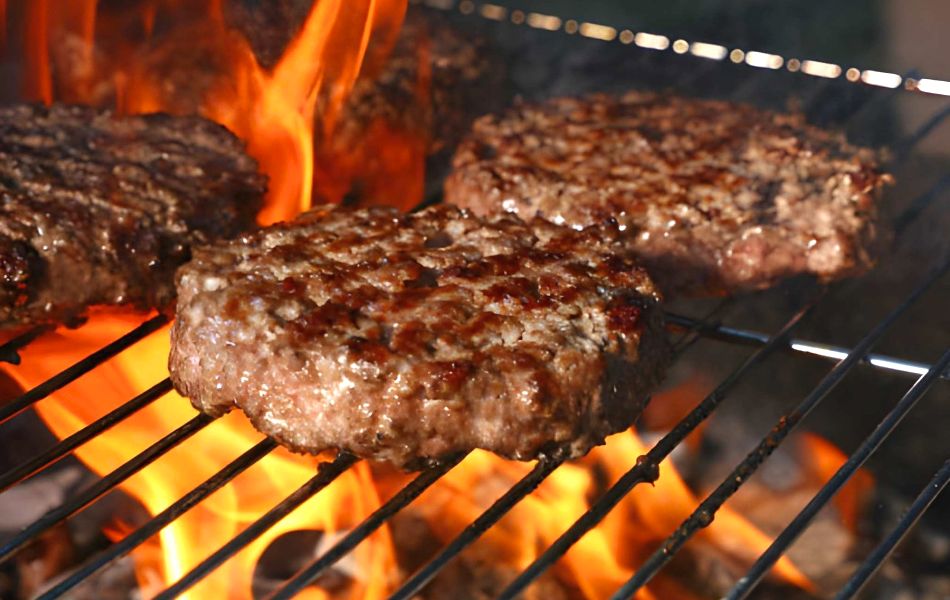
Build two heat zones instead. On charcoal, pile the coals on one side and leave the other empty. On gas, set one side high and one side low.
Sear over the hot zone for color. Then move thick cuts to the cool side to finish gently. This two-zone method saved my thick pork chops and stops flare-ups from ruining dinner.
Preheat and Oil Clean Grates
Sticky grates tear meat and rip away the crust. A clean grill releases food cleanly and keeps each piece whole. Dirty grates also add bitter, burnt flavors nobody wants.
Preheat a gas grill for 10 to 15 minutes with the lid closed. For charcoal, wait until the coals show a light gray coating. Scrub the grates hot with a sturdy brush.
Then wipe the grates with an oiled paper towel held in your tongs. Avocado or refined sunflower oil works well here. I keep a small bowl of oil and folded towels near my grill.
Trust a Digital Thermometer
Guessing leads to overcooking, and overcooked meat turns tough. Color and timers deceive you, but numbers stay honest. A digital instant-read thermometer removes the doubt.
Wind, thickness, and grill type change cooking times. Use the clock as a starting guide, then trust the probe for the final answer. Match your heat to the thickness of the cut.
| Meat | Heat | Approx. Time | Pull Temp |
|---|---|---|---|
| 1-inch beef steak | High, then medium | 8 to 12 min | 130°F |
| Chicken breast | Medium | 12 to 18 min | 160°F |
| Chicken thigh | Medium | 18 to 25 min | 170 to 175°F |
| Pork chop | Medium-high | 10 to 16 min | 140°F |
| Lamb chop | High | 6 to 10 min | 125 to 135°F |
Stick the probe into the thickest part, away from bone. Bone heats faster and gives a false reading. Pull each cut a few degrees early, since heat keeps rising off the grill.
Flip With Tongs, Never a Fork
I know the urge to press a burger with your spatula. Please fight it. Every press squeezes out the juices you worked hard to keep.
Use tongs, not a fork, to move meat around. A fork pokes holes and lets juices escape. Tongs grip gently and keep everything sealed in.
Let each side build color before you turn. Flip your steaks once the crust forms. Frequent flipping stops a good crust from taking hold.
Rest Your Meat
This step matters more than any other on the list. When meat cooks, juices push toward the center. Slice too soon, and all that liquid spills onto your board.
Let your meat rest after it leaves the grill. Resting lets the fibers relax and reabsorb the juices evenly. The reward is a tender, juicy bite in every slice.
Rest small cuts for 5 minutes. Thick steaks and chops need 7 to 10 minutes. Large roasts need 15 minutes. Tent loosely with foil, since tight foil softens the crust.
Slice Against the Grain
How you cut your meat changes how tender it feels. Look closely and you will see lines running through the muscle. Those lines are the fibers, called the grain.
Cut across those lines, not along them. Slicing against the grain shortens the fibers, so each bite feels softer. Hold the blade at a slight angle for thin slices.
This trick matters most for flank steak, skirt steak, and lamb leg. The first time I tried this, guests thought I bought a fancy cut. Same steak, better slicing.
Add Sauce Near the End
Sugary sauces burn over strong heat. Barbecue sauce, honey glaze, and teriyaki need late timing. Brush them on during the final few minutes.
Apply one thin layer and let the surface set. Add a second layer for more flavor. Thick sauce drips, burns, and creates bitter smoke.
Fresh herb sauces belong on the plate. Chimichurri, salsa verde, and lemon yogurt add brightness. Their fresh taste balances smoky meat beautifully.
Easy Flavor Pairings
Small touches lift your grilled meat from good to unforgettable. Keep one main flavor in charge, since too many strong seasonings compete. Match your seasoning to the protein.
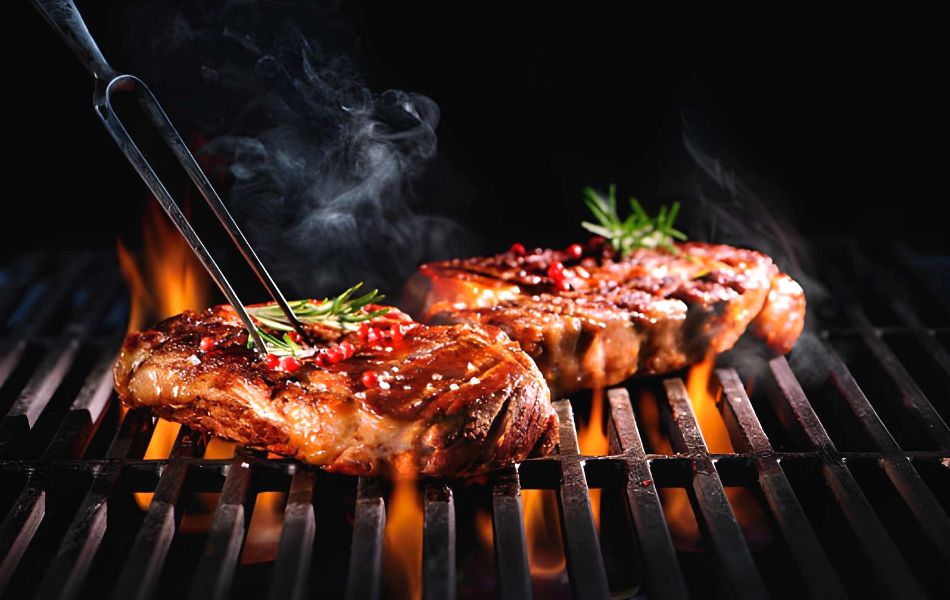
- Beef loves black pepper, garlic, rosemary, and a knob of butter.
- Pork pairs with mustard, apple, sage, and smoked paprika.
- Chicken welcomes lemon, thyme, yogurt, and a pinch of chili.
- Lamb shines with mint, cumin, coriander, and garlic.
My favorite move is a garlic-butter baste on steak as it rests. A squeeze of fresh lemon over grilled chicken wakes up the flavor. The smell alone brings everyone to the table.
Fix Common Grilling Problems
Even careful cooks hit snags. Understanding your mistakes helps you fix them next weekend. Here are simple solutions for the usual troubles.
- Dry meat: Too much heat or time. Move thick cuts off the flames sooner and check the temp early.
- Tough meat: Poor slicing direction or overcooking. Cut across the grain and trust your thermometer.
- Burnt outside, raw center: Heat runs too high. Brown the surface, then move to the cool zone and close the lid.
- Stuck meat: Give it another minute. A formed crust releases from hot, oiled grates.
- Flare-ups: Move food to the cool zone and close the lid briefly. Never spray water on a hot grill.
See Also – Master Charcoal Cooking: Tips for Perfectly Grilled Meals
Bring It All Together
Tender grilled meat comes down to a handful of caring steps. Pick a good cut, salt early, and marinate with a light hand. Control your heat, rest your meat, and slice against the grain.
None of these grilling tips for tender meats take special skill. They take a little patience and attention. Watch the heat, trust your thermometer, and respect the resting time.
So fire up that grill this weekend and put these tricks to work. Serve juicy, tender meat that has everyone asking for seconds. You have earned that proud moment at the table.


One Comment