Is Croissant Healthy? The Honest Truth Plus Smart Swaps
There’s something wonderful about a warm croissant in the morning. You hear the crackle as you tear it. The buttery layers fall apart in your hands. If you love these golden pastries as much as I do, you have wondered one thing. Is croissant healthy, or should you feel bad about each bite?
Let’s talk honestly, cook to friend. I’ll walk you through what goes inside a croissant. You’ll learn why some choices matter more than others. And you’ll pick up simple swaps to enjoy this treat with a clear mind. No lectures. Only friendly kitchen truth.
What’s Really Inside a Croissant?
A classic croissant is a simple thing at heart. You need flour, butter, yeast, sugar, salt, and milk. Bakers fold cold butter into thin dough sheets, over and over. Those folds create the flaky layers we love.
The magic happens in the oven. Water inside the butter turns to steam. The steam lifts each sheet and forms crisp, airy layers. I learned this the hard way at home. My warm dough swallowed the butter, and my layers vanished into a dense roll. Cold dough and patience keep every layer clear.
Croissant Nutrition at a Glance
Numbers help you make smart choices. Below is a rough look at a plain butter croissant. Values shift by size and recipe, so use this as a friendly guide.
| Nutrient | Per Medium Croissant (about 60g) |
|---|---|
| Calories | 230 to 270 |
| Total fat | 12 to 14g |
| Saturated fat | 7 to 8g |
| Carbohydrates | 26 to 28g |
| Fiber | 1 to 2g |
| Protein | 4 to 5g |
| Sodium | around 300mg |
Notice the low fiber and modest protein. Those two nutrients keep you full and steady. A plain croissant gives you little of either. So you feel satisfied for a short time, then reach for more.
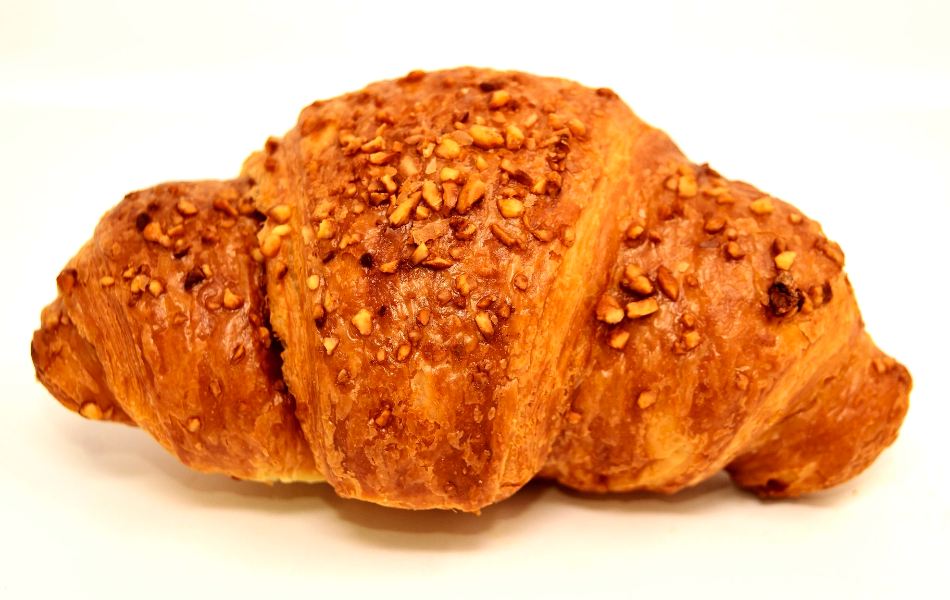
Size changes the numbers more than you expect. A mini pastry weighs about 25 grams, while a large café version doubles a medium one. Your eyes miss the gap between them. Check the package or bakery sheet for a closer number.
So, Is Croissant Healthy? The Honest Answer
Here’s the short version. A plain croissant is a treat, and eating one now and then does no harm. Your body handles the occasional buttery pastry with ease. Balance across your whole day matters far more than one food.
The longer answer gets interesting. You shape how healthful your croissant becomes. The flour you pick, the fat you use, and the filling you add all change the story. A croissant with whole grains, quality fats, and a protein-rich filling turns into a different food.
Think of it like coffee. Black coffee and a sugary blended drink both start the same way. Your choices decide the outcome. Croissants work in the same way.
Simple Swaps for a Better Croissant
This is my favorite part. Small changes in your kitchen make a big difference. You keep the flaky joy and gain real nourishment. Here are swaps I lean on again and again.
| Traditional Ingredient | Healthier Swap | Why It Helps |
|---|---|---|
| White refined flour | Whole wheat or spelt flour | Adds fiber, keeps you full longer |
| Regular butter | Grass-fed butter or a blend | Better fat quality, same rich taste |
| Refined white sugar | Honey or a touch of maple syrup | Gentler sweetness from a natural source |
| Plain dough | Add ground flaxseed or oats | More fiber and good fats |
| Sweet fillings | Egg, spinach, or lean turkey | Turns a treat into a filling meal |
Start with one swap. I began by mixing half whole wheat flour into my dough. The croissants turned a shade darker and gained a nutty warmth. My family loved them even more.
If you change one thing, change your flour. Whole wheat and spelt keep the grain’s outer layer, so they hold fiber, vitamins, and minerals. Fiber slows how fast sugar hits your blood. You feel full and calm instead of hungry and restless. Use a blend of 50 percent whole wheat and 50 percent white at first. The texture stays soft and the layers still puff beautifully.
Better Fats Make a Better Pastry
Butter gives croissants their soul. You don’t need to remove it. You choose a better version instead.
Grass-fed butter brings deeper flavor and higher-quality fats. A little goes a long way, so you use less without missing a thing. Some home bakers blend butter with a spoon of olive or avocado oil. I tested an avocado oil blend last spring, and the croissants stayed flaky and felt lighter. Quality fat keeps the taste you crave while treating your body kindly.
One quick note here. Fat serves a real purpose in baking, so please don’t strip it all out. I once swapped applesauce for half the butter, and my croissants turned into sad, dense biscuits. Eat the real thing less often rather than a poor imitation.
Add Protein and Turn a Treat Into a Meal
Here’s a trick from my own breakfast table. Fill your croissant with something rich in protein. Suddenly your pastry keeps you full until lunch.
Try these fillings for a savory or sweet start to your day:
- Scrambled egg and spinach for a warm, satisfying bite
- Lean turkey with mustard and tomato for a light lunch
- Greek yogurt and fresh berries for a sweet, protein-rich version
- Nut butter and banana for slow, steady energy
Protein and fiber work as a team. Together they slow digestion and keep hunger away. Your croissant stops being a quick sugar hit and starts working for you.
How to Build a Balanced Croissant Breakfast
Start with the size. Choose a medium pastry rather than the biggest one in the case. Large café croissants often equal two smaller servings. Splitting one with a friend works well when other brunch dishes fill the table.

Next, add protein. Eggs, plain Greek yogurt, cottage cheese, or smoked salmon all fit. Aim for a palm-sized serving beside your pastry. Then add produce. Berries, an orange, sliced apple, or tomatoes bring fiber and color.
My favorite plate uses half a croissant, two soft eggs, and juicy tomatoes. I finish the tomatoes with black pepper and a squeeze of lemon. The sharp juice wakes up every buttery bite. This plate feels generous without feeling heavy.
Common Croissant Mistakes and Easy Fixes
Even croissant lovers slip up. I have made every one of these. Learn from my flops so your mornings shine.
- Eating on an empty stomach. A plain pastry alone gives you a rush, then a crash. Pair it with eggs, yogurt, or a handful of nuts.
- Ignoring size. A huge bakery croissant looks like one serving, but the weight tells another story. Compare the pastry with your palm, and share anything larger.
- Stacking rich extras. Bacon, cheese, chocolate, and sugary drinks add up fast. Pick one rich feature and keep the rest fresh.
- Feeling guilty. A croissant is food, not a report card. Enjoy the portion, taste each bite, and move on.
How to Read a Croissant Label
Ingredient transparency builds trust. When you shop, flip the package and read closely. You deserve to know what goes into your food.
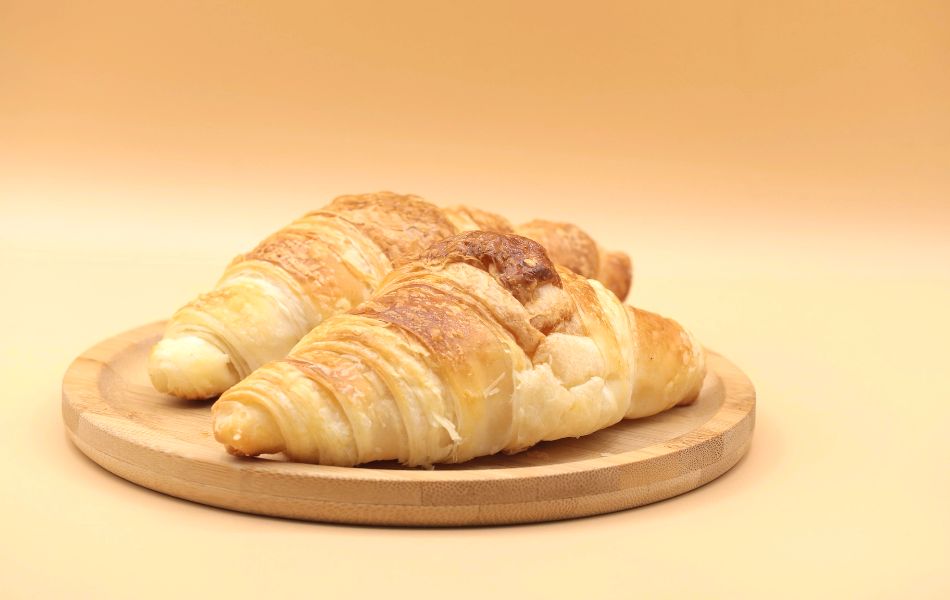
Look for these signs of a better croissant:
- Real butter listed instead of palm oil or hydrogenated fats
- Whole grain flour near the top of the list
- A short ingredient list with words you recognize
- Low added sugar, not syrup high on the list
If you see a long chain of names you don’t know, put it back. The best croissants use simple, honest ingredients. That transparency is worth paying a little more for.
Frequently Asked Questions
Are croissants good for weight loss?
A croissant fits some plans when the portion suits your needs. A plain one offers little fiber or protein on its own. Pair a smaller pastry with eggs, yogurt, or fruit. This meal feels fuller than a large croissant alone.
Is a croissant healthier than a doughnut?
A plain croissant often holds less sugar than a glazed or filled doughnut. But croissants carry more saturated fat from butter. Size and recipe decide the better pick. Check the label when the numbers matter to you.
Is a plain croissant better than a filled one?
A plain croissant usually has fewer calories and less sugar than almond or chocolate versions. Egg and vegetable fillings add welcome protein and fiber. Cheese, bacon, and creamy sauces push up fat and sodium.
How often should you eat croissants?
For many people, one croissant once or twice a week feels reasonable. Watch your other sources of saturated fat, like cheese and fatty meats. A balanced week leaves room for favorites and plenty of plants.
See Also – Is Multigrain Bread Healthy? The Ultimate Guide to Choosing the Best Loaf
The Bottom Line on Enjoying Croissants
So, back to the big question one more time. Is croissant healthy? A plain one is a treat best enjoyed now and then, and you deserve to savor it. Your choices at home turn it into something far more nourishing.
Swap in whole grain flour. Pick better fats. Add protein and fiber. Read your labels with care. Each small step keeps the flaky magic while giving your body what it needs.
Food should bring joy and support your health at the same time. Croissants do both when you build them with care. Try one swap this week, then tell me how your kitchen smells on Sunday morning.